


Primary sourceDocument1957
Yates v. United States (opinion by Hugo Black)
Hugo Black · 1957
Hugo Black's 1957 opinion in Yates v. United States, concurring in part and dissenting in part. He would have reversed the convictions of Smith Act defendants, arguing the statutes abridged free speech, press and assembly.
Black wrote this opinion as a Supreme Court justice, arguing that Smith Act prosecutions violated the First Amendment.
About this source
What it is
This is an opinion written by Justice Hugo Black in Yates v. United States, decided by the U.S. Supreme Court on June 17, 1957. Black concurred in part and dissented in part, and he says he would reverse every conviction and direct that all defendants be acquitted. He argues the statutes on which the prosecutions were based violate the First Amendment.
Why it matters
The case involved prosecutions under the Smith Act, which the opinion calls the statutory basis for these trials. Black describes the trials as lasting for months and involving large collections of books, pamphlets and newspapers discussing Communism and other political systems. The opinion shows a justice's view of free speech during the Cold War.
Look closer
- What kinds of evidence does Black say were introduced in these trials, and why does he find that significant?
- Why does Black refer to his earlier dissents in Dennis v. United States and other cases?
- What does this excerpt leave out about the defendants' views and the reasons the majority gave for upholding the convictions?
This document is part of the curated material that grounds the AI version of Hugo Black on Humy.ai — when students ask about related events, the AI can quote it and cite it.
More Hugo Black sources
Meet the AI Hugo Black →Primary source
New York Times Co. v. United States
1971
Primary source
Tinker v. Des Moines Independent Community School District
Abe Fortas · 1969
Primary source
Youngstown Sheet & Tube Co. v. Sawyer
Hugo Black · 1952
Primary source
Everson v. Board of Education
Hugo Black · 1947
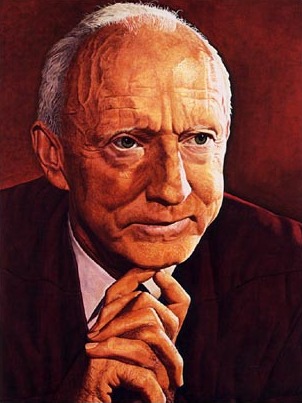 Painting
Secondary source
Hugo Black
John Black
Ready when you are
Start chatting with Hugo Black now.
20 messages free · No credit card · Available in 50+ languages.