


Secondary sourceArtifactbuilt 1469, reconstructed 1970
Yeongneung Jaesil
Cultural Heritage Administration · built 1469, reconstructed 1970
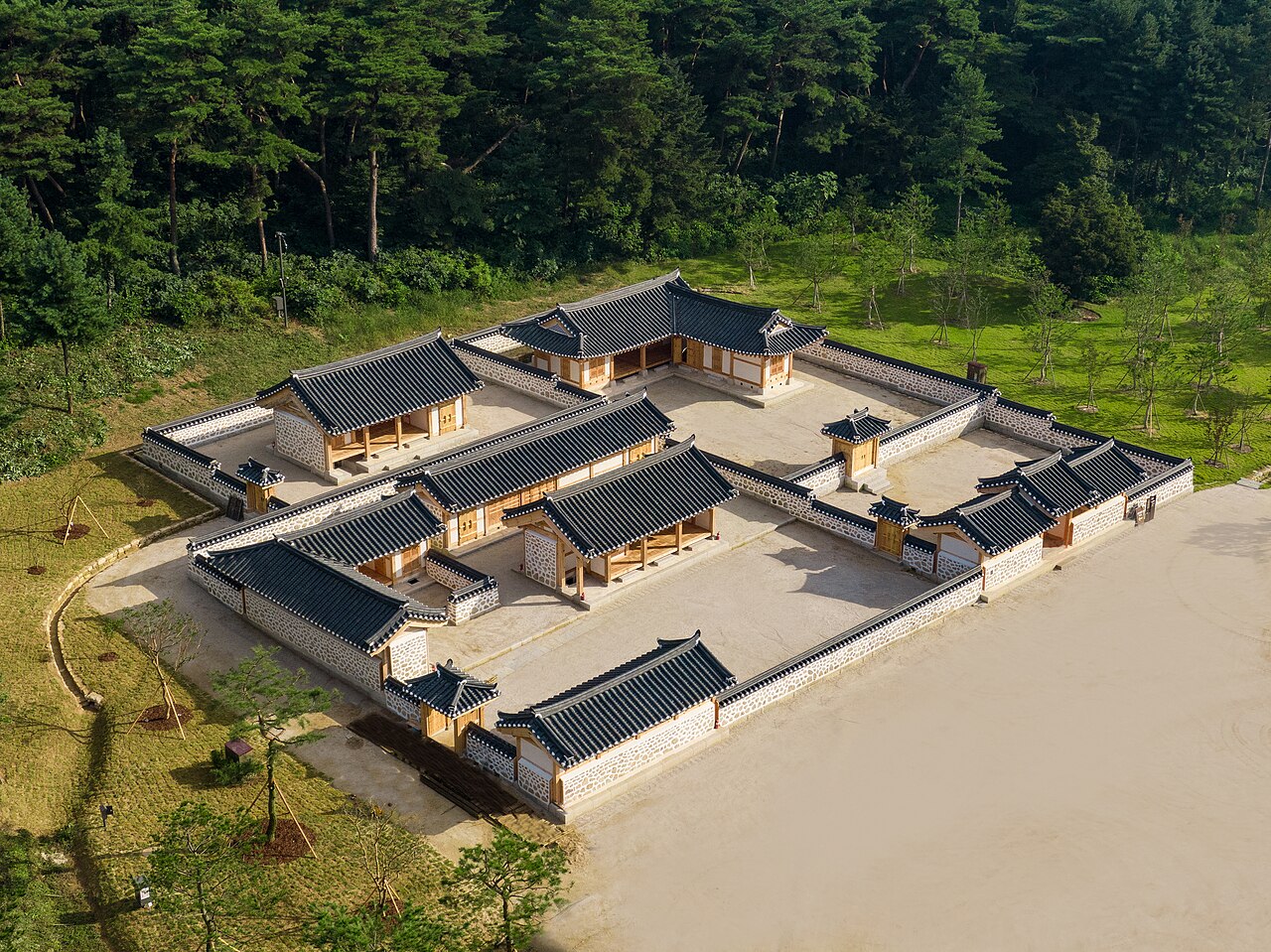
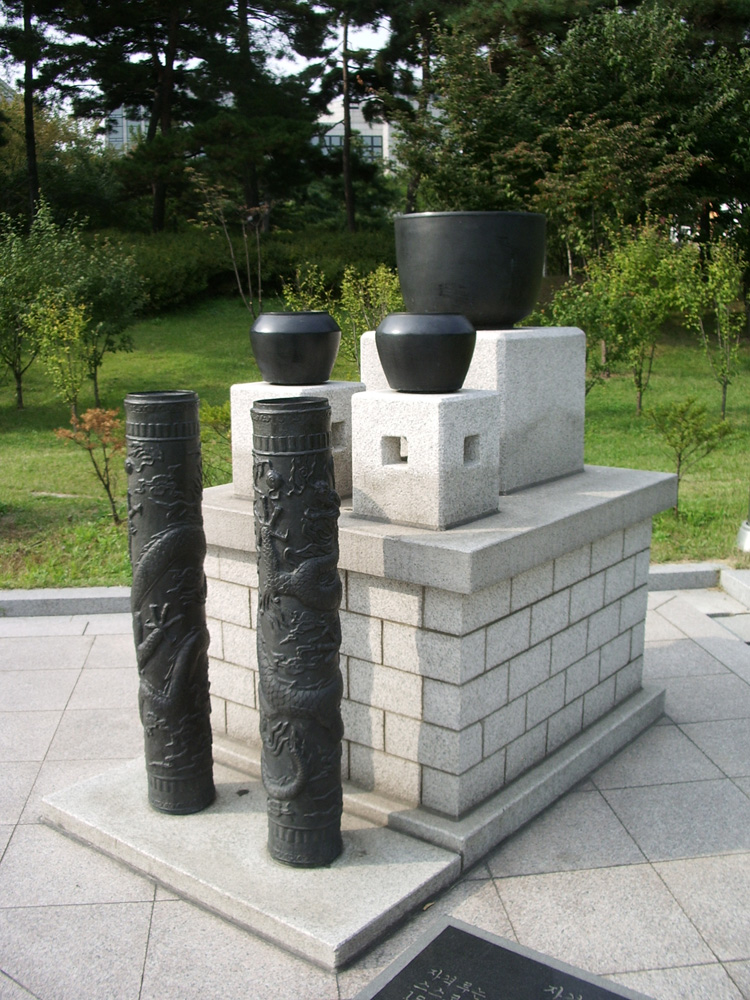
The ritual house at Sejong's tomb complex, where preparations were made for royal ancestral rites honoring him.
This ritual house at Sejong's tomb shows how his memory was honored through royal ancestral rites after his death.
About this source
What it is
Jaesil is a ritual building at Yeongneung, the tomb of King Sejong. It served as the tomb keeper's house, storage for ritual equipment, and the place where royal ancestral rites were prepared. It was first built in 1469, demolished during Japanese rule, and reconstructed in 1970.
Why it matters
This building shows how Korean royal tombs were maintained with ongoing ceremony long after a king's death, reflecting the importance of ancestor worship in Joseon culture. Its destruction and rebuilding also reflect the disruption of Korean heritage under Japanese occupation and later efforts to restore it.
Look closer
- Why might a tomb need a dedicated building for rituals rather than just a grave marker?
- What does the destruction and later reconstruction of this building tell you about Korea's history in the 20th century?
- What might the layout of the compound suggest about how rituals were organized?
This artifact is part of the curated material that grounds the AI version of Sejong the Great on Humy.ai — when students ask about related events, the AI can quote it and cite it.
More Sejong the Great sources
Browse all 74 →
Ready when you are
Start chatting with Sejong the Great now.
20 messages free · No credit card · Available in 50+ languages.