


Primary sourceDocument12-13 November 1905
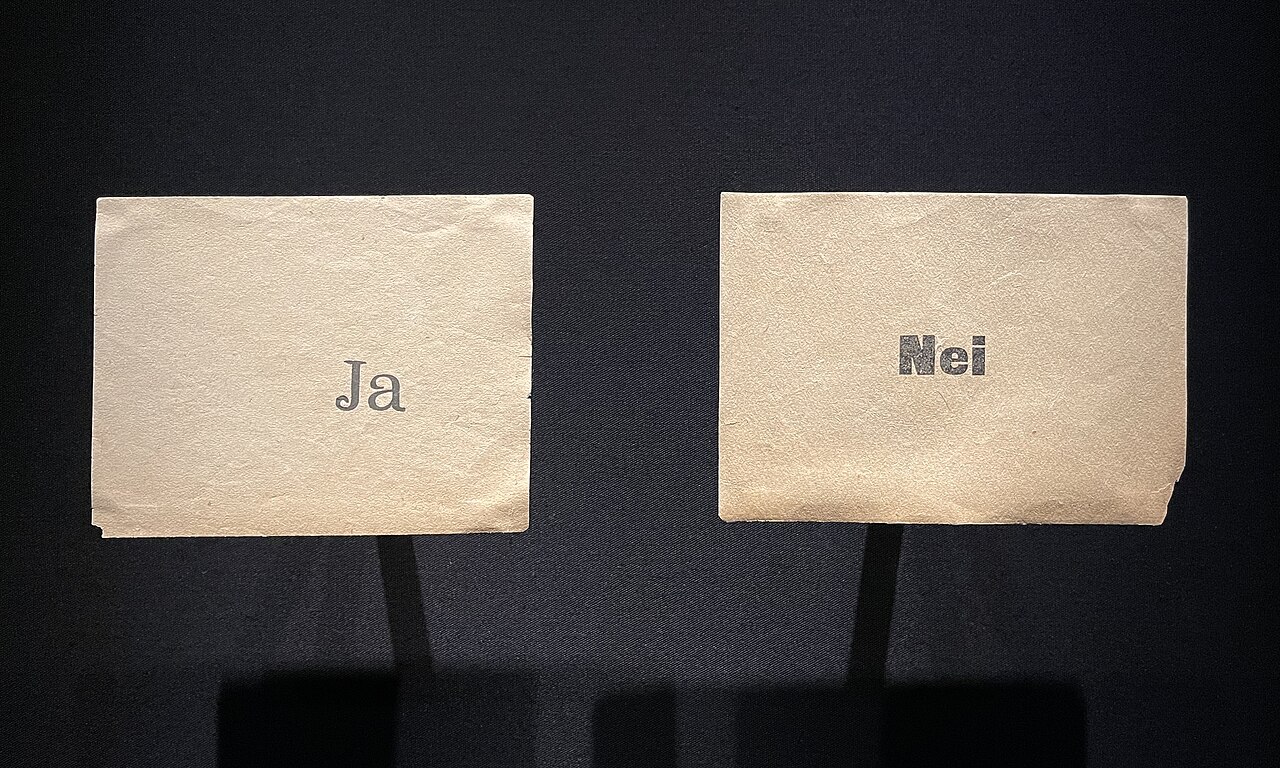
Yes and no ballot papers, Norwegian referendum on monarchy, 1905
12-13 November 1905
Ballot slips marked 'Ja' (yes) and 'Nei' (no) from the November 1905 Norwegian referendum on whether to choose Prince Carl of Denmark as king.
These ballots offered voters the choice that brought Haakon VII to the Norwegian throne, the figure's own election.
About this source
What it is
These are the ballot papers 'yes' (Norwegian ja) and 'no' (nei) used in the Norwegian referendum on monarchy held on 12 and 13 November 1905. Voters were asked about the Danish Prince Carl, who later became King Haakon VII of Norway. The image is a photograph of two beige slips mounted on dark stands.
Why it matters
The referendum was part of the process that ended the union between Norway and Sweden and gave Norway its own monarch. The vote chose Prince Carl, a member of the Danish royal family, as king. The slips show the ordinary, direct way in which Norwegian voters took part in this decision.
Look closer
- What do the two words on the ballots tell you about the choice voters were given?
- Why might a country use a simple yes or no vote to decide who its king should be?
- What does this small object not show about the people who voted or the debate around them?
This document is part of the curated material that grounds the AI version of Haakon VII on Humy.ai — when students ask about related events, the AI can quote it and cite it.
More Haakon VII sources
Browse all 99 → Artifact
Primary source
Monogram of Haakon VII of Norway
 Painting
Primary source
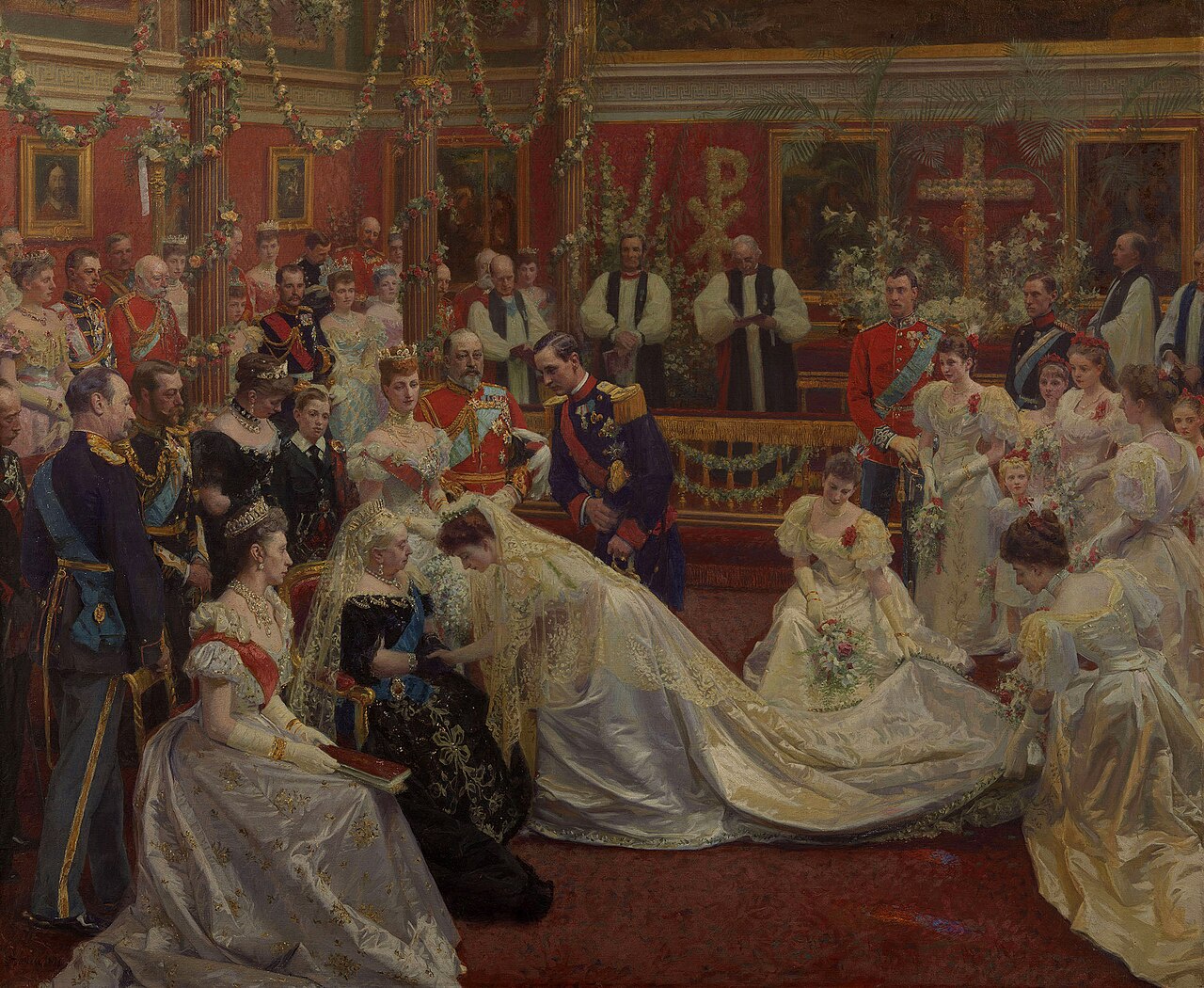
The Marriage of Princess Maud of Wales and Prince Carl of Denmark
Laurits Tuxen · 1896–97
 Document
Primary source
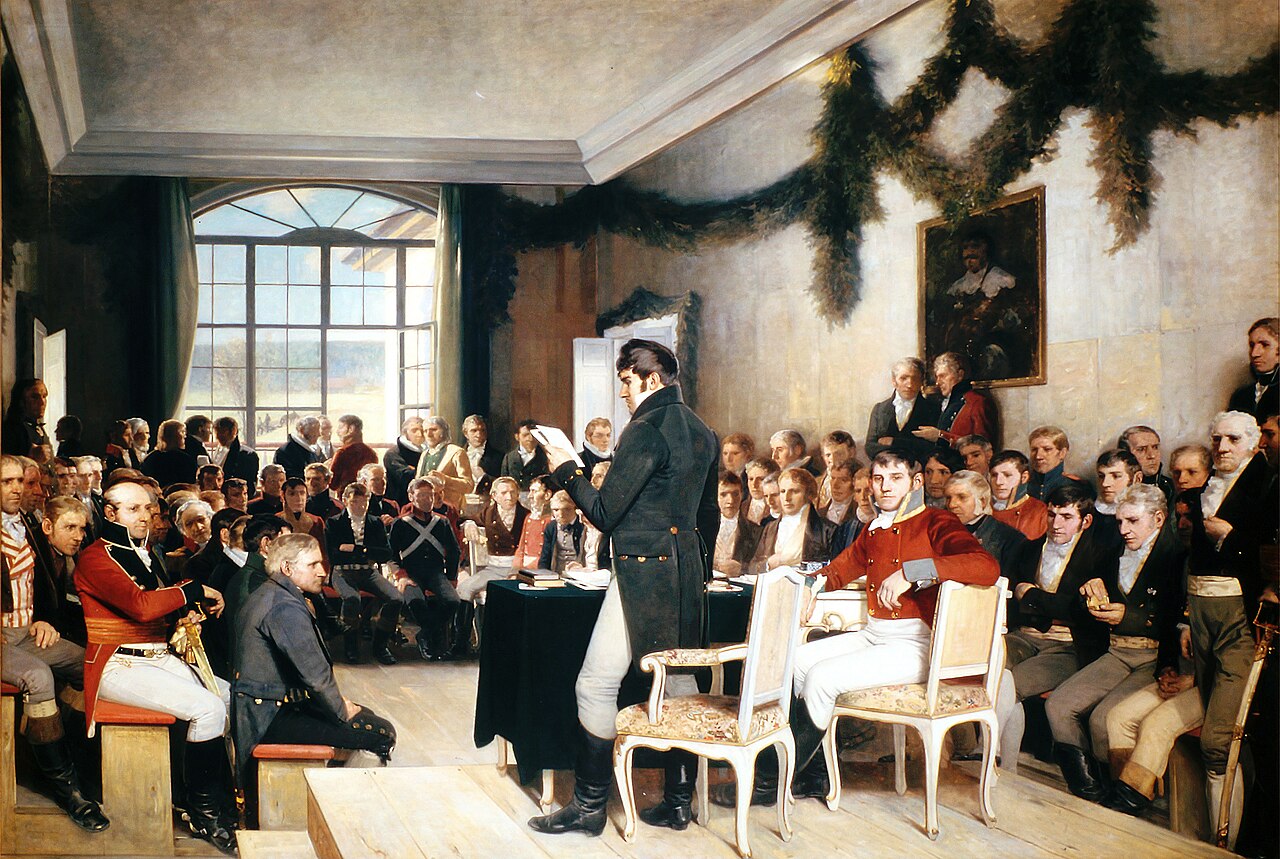
Constitution of Norway
Christian Magnus Falsen and Johan Gunder Adler · 1814
 Photograph
Primary source
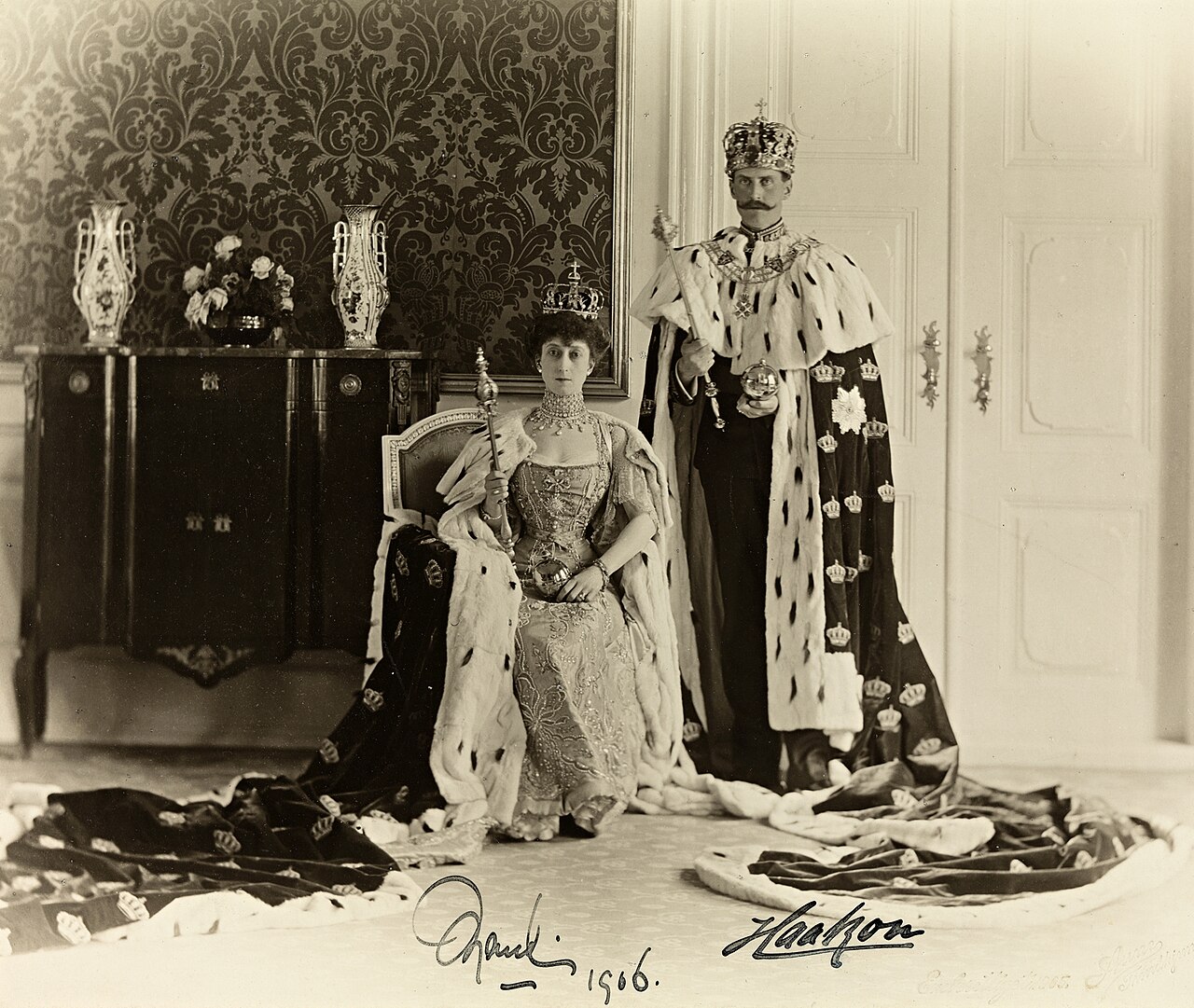
Coronation Photograph of King Haakon VII and Queen Maud
Peder O. Aune · 1906
Free account
Browse every Haakon VII source
Sign up free →
Ready when you are
Start chatting with Haakon VII now.
20 messages free · No credit card · Available in 50+ languages.