


Secondary sourceArtifactc. 1230
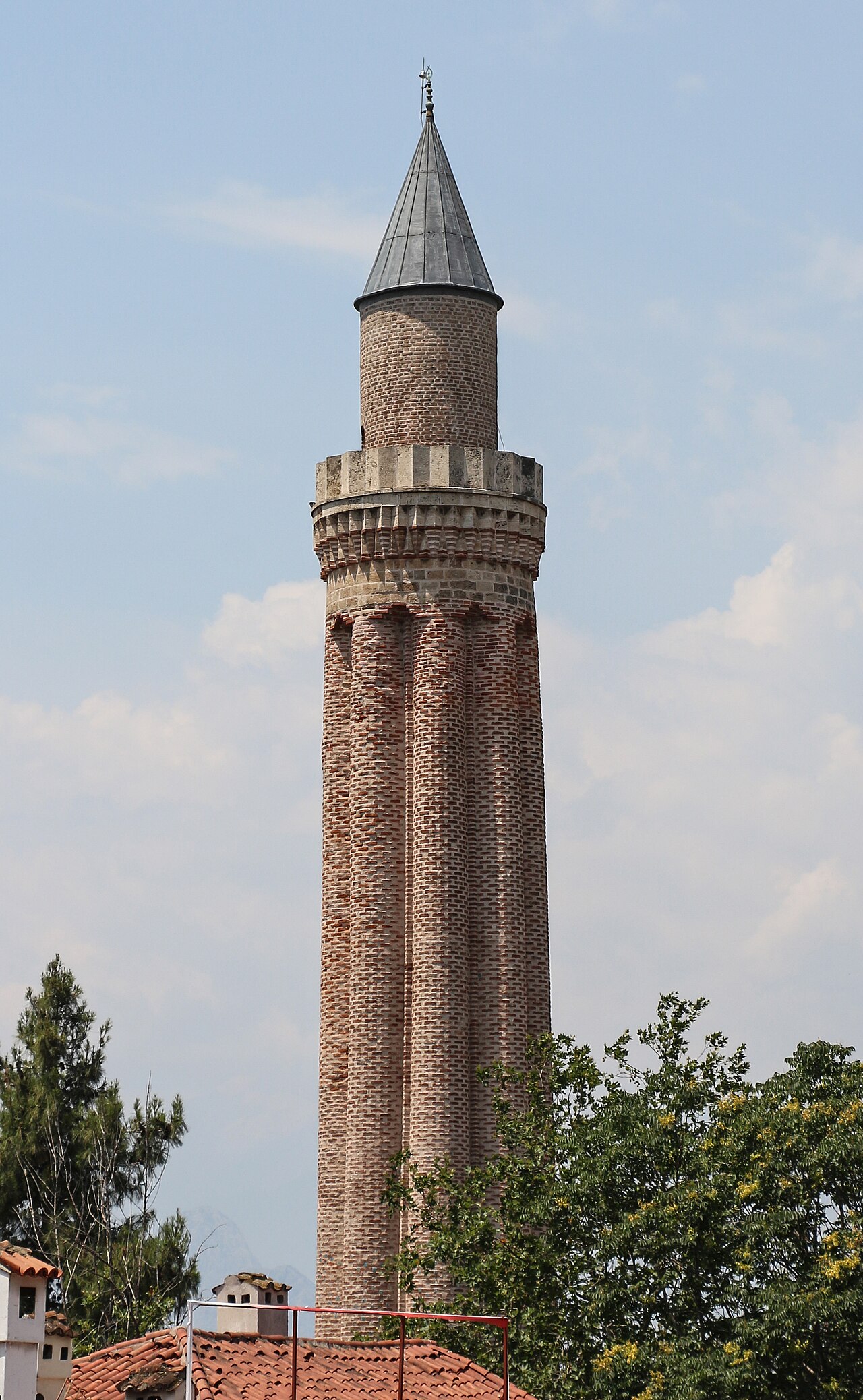
Yivli Minaret Mosque
c. 1230
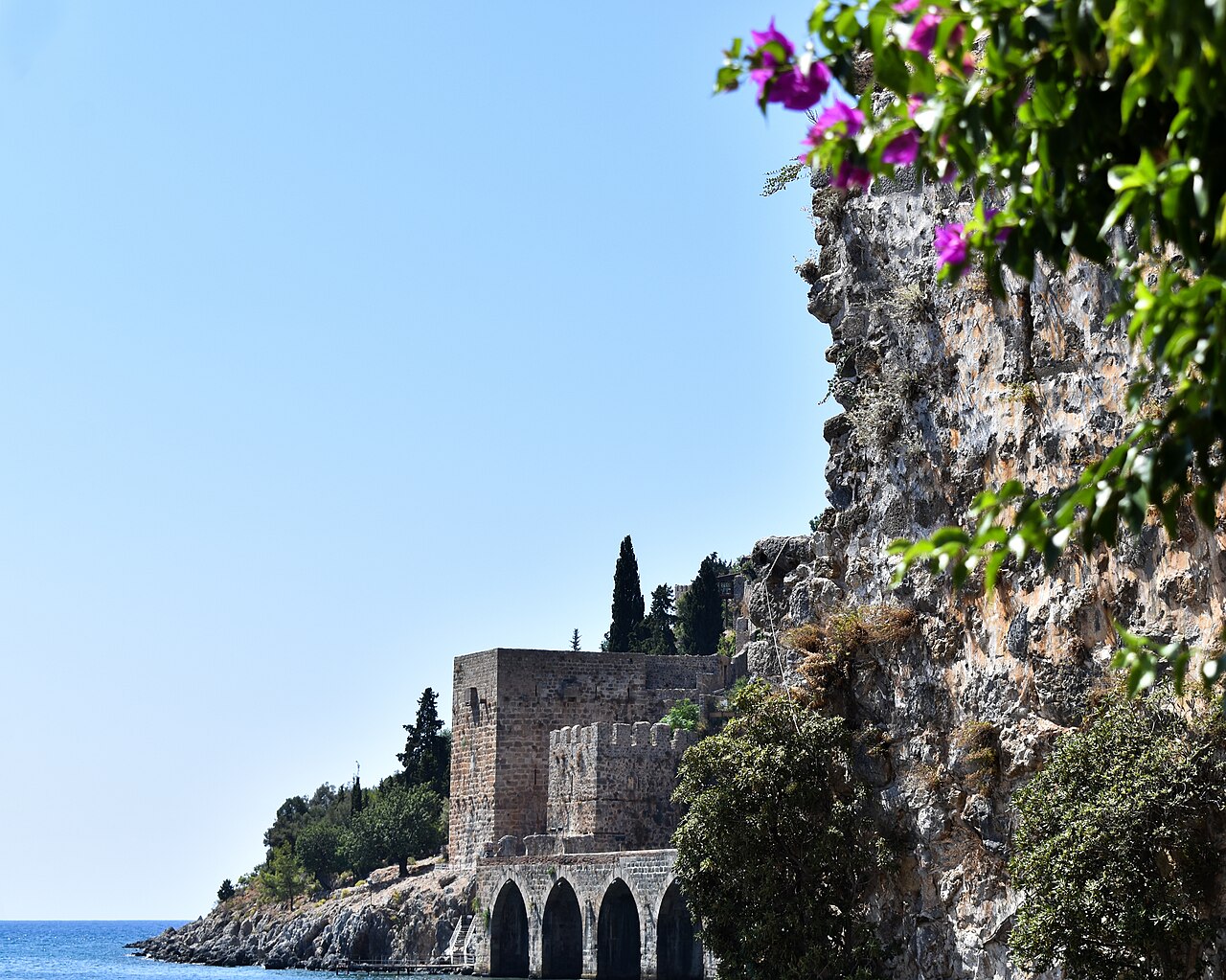
A mosque with a distinctive fluted brick minaret, attributed to Kayqubad I's reign, built after the Seljuk conquest of Antalya.
This minaret, attributed to Kayqubad's reign, marks Seljuk control of Antalya under his rule.
Free Humy account · No credit card · 120,912 sources to read
About this source
What it is
This mosque stands in the old town of Antalya, Turkey. The original structure was built around 1230, after the Seljuk conquest of the city in 1216, on the site of a ruined Byzantine church. Its famous fluted brick minaret is thought to have been commissioned during the reign of Kayqubad I. The mosque was later rebuilt in the 14th century by Mehmet Bey.
Why it matters
The minaret became a lasting symbol of Antalya, and its construction reflects how Seljuk rulers like Kayqubad reused and transformed earlier Byzantine buildings to establish Islamic rule in newly conquered cities.
Look closer
- What does reusing a Byzantine church site tell you about how conquerors treated existing buildings?
- Why might a tall, decorated minaret matter for a ruler's image?
- What has changed about this building since it was first built, and why?
This artifact is part of the curated material that grounds the AI version of Kayqubad I on Humy.ai — when students ask about related events, the AI can quote it and cite it.
More Kayqubad I sources
Browse all 87 →
Ready when you are
Start chatting with Kayqubad I now.
20 messages free · No credit card · Available in 50+ languages.