


Primary sourceArtifact1287
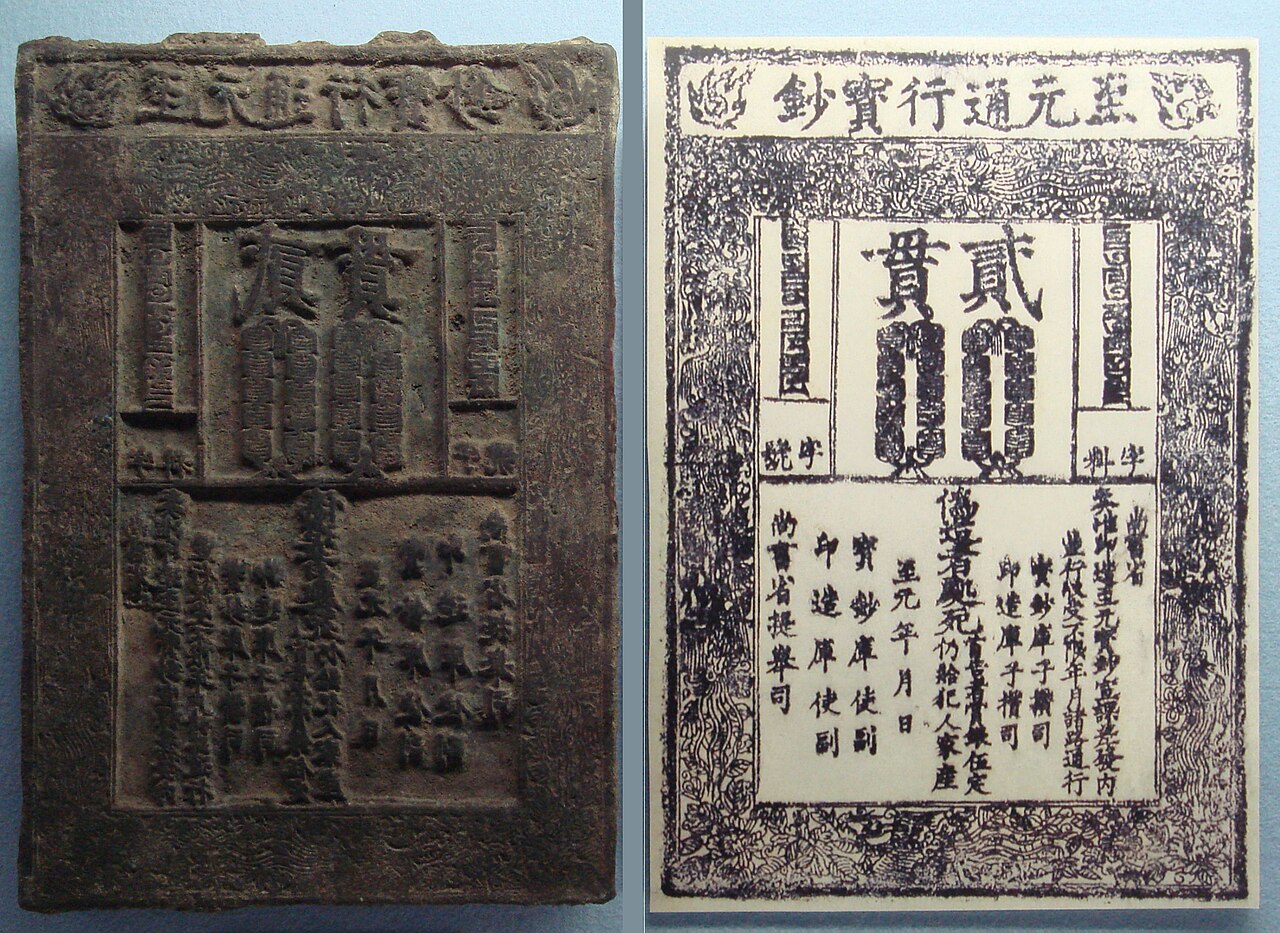
Yuan Dynasty Banknote and Printing Plate
1287
A printing plate and matching banknote from 1287, showing the paper currency issued under Kublai Khan's government.
This banknote and its printing plate come from the paper currency system run by Kublai Khan's Yuan government.
About this source
What it is
This photograph shows a carved wooden printing plate alongside a printed paper banknote from the year 1287, during the Yuan dynasty founded by Kublai Khan. The note carries Chinese and 'Phags-pa script text naming it a circulating treasure note, worth two strings of cash coins, with a warning that counterfeiters would be put to death.
Why it matters
Paper money was one of the striking features of Kublai Khan's rule over China, and this object is direct physical evidence of how his government issued and controlled currency. It shows the reach of Yuan administration into everyday economic life and the severity of its laws.
Look closer
- What details on the note tell you it was meant to be trusted and used widely across provinces?
- Why do you think counterfeiting this money carried the death penalty?
- What does the combination of scripts on the note tell you about the people living under Mongol rule?
This artifact is part of the curated material that grounds the AI version of Kublai Khan on Humy.ai — when students ask about related events, the AI can quote it and cite it.
More Kublai Khan sources
Browse all 57 → Painting
Secondary source
Portrait of Kublai Khan
Circle of Anige
 Book
Secondary source
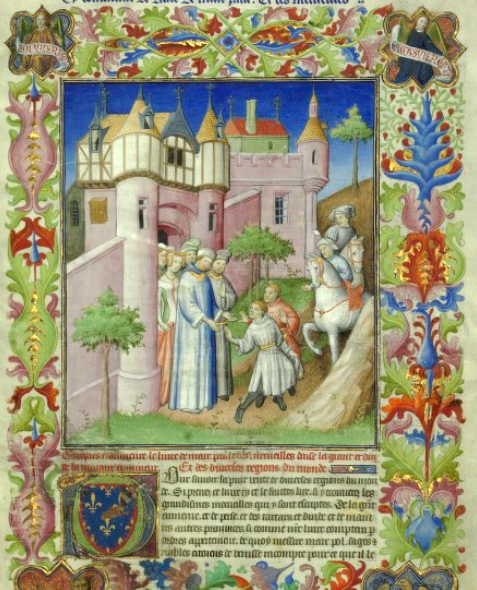
The Travels of Marco Polo
Rustichello da Pisa · 1298
 Painting
Primary source
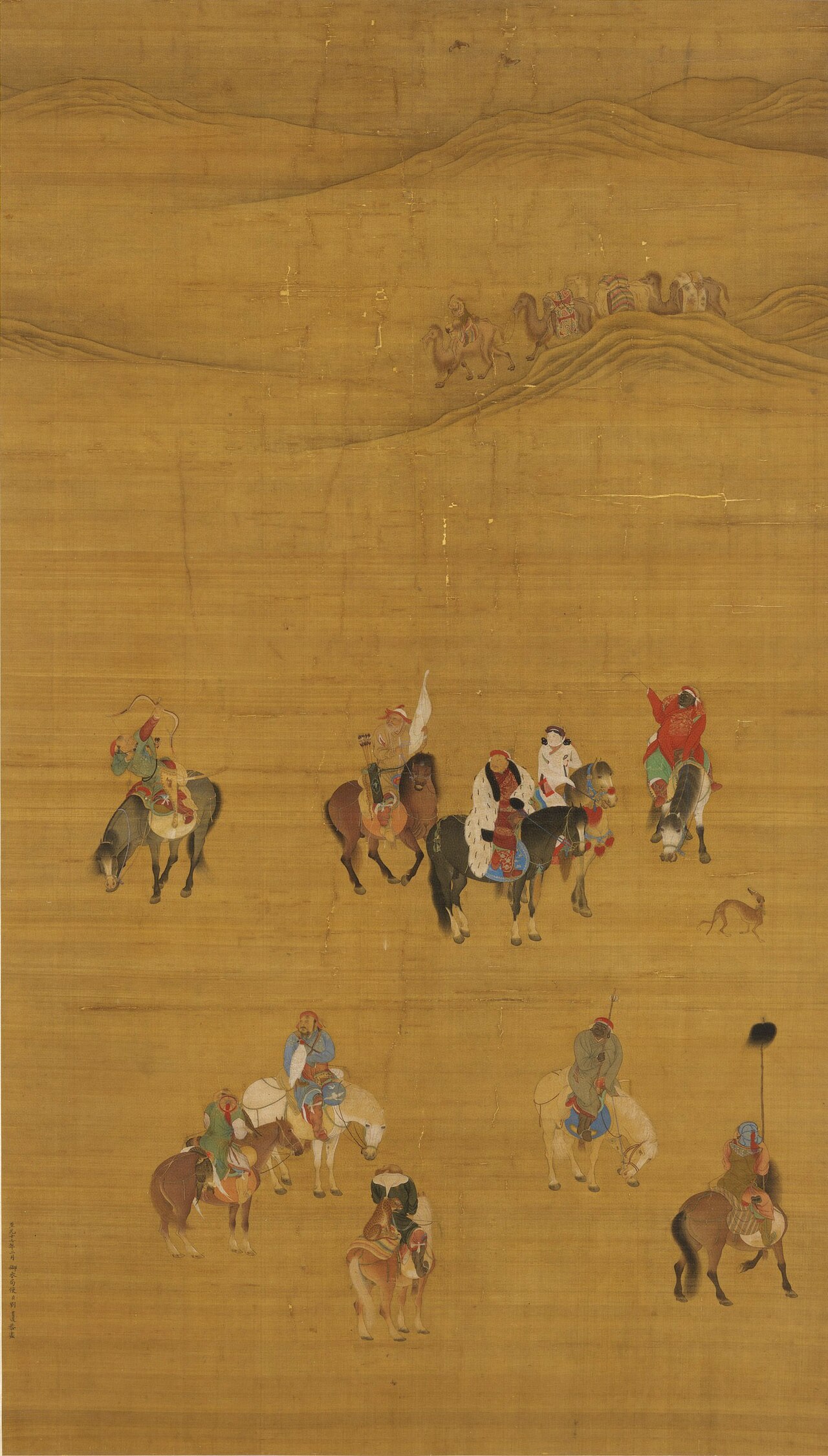
Khubilai Khan on the Hunt
Liu Guandao · 1280
 Letter
Primary source
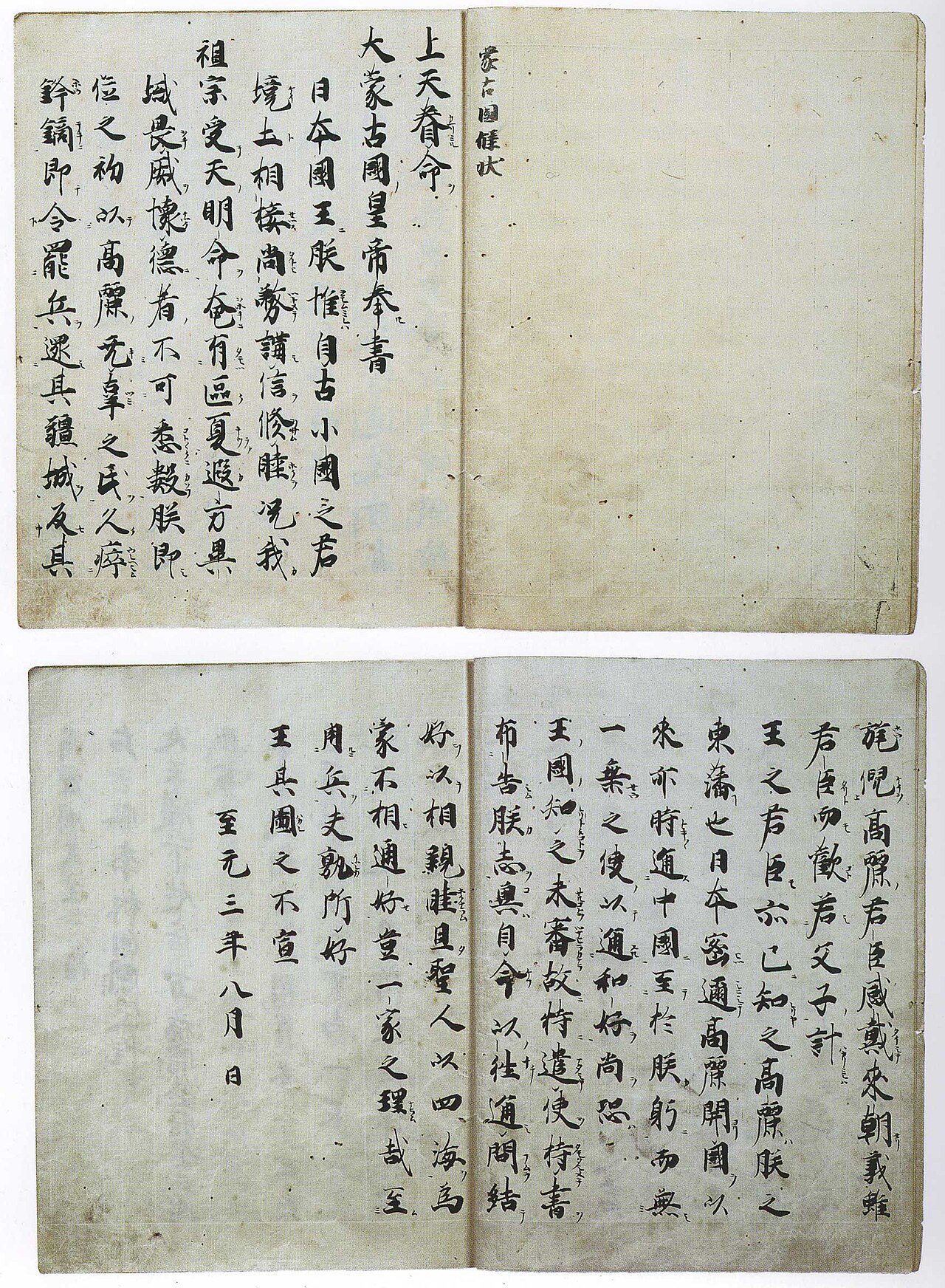
1266 Letter to Japan
Kublai Khan · 8th month, 1266
Free account
Browse every Kublai Khan source
Sign up free →
Ready when you are
Start chatting with Kublai Khan now.
20 messages free · No credit card · Available in 50+ languages.