


Primary sourceArtifact
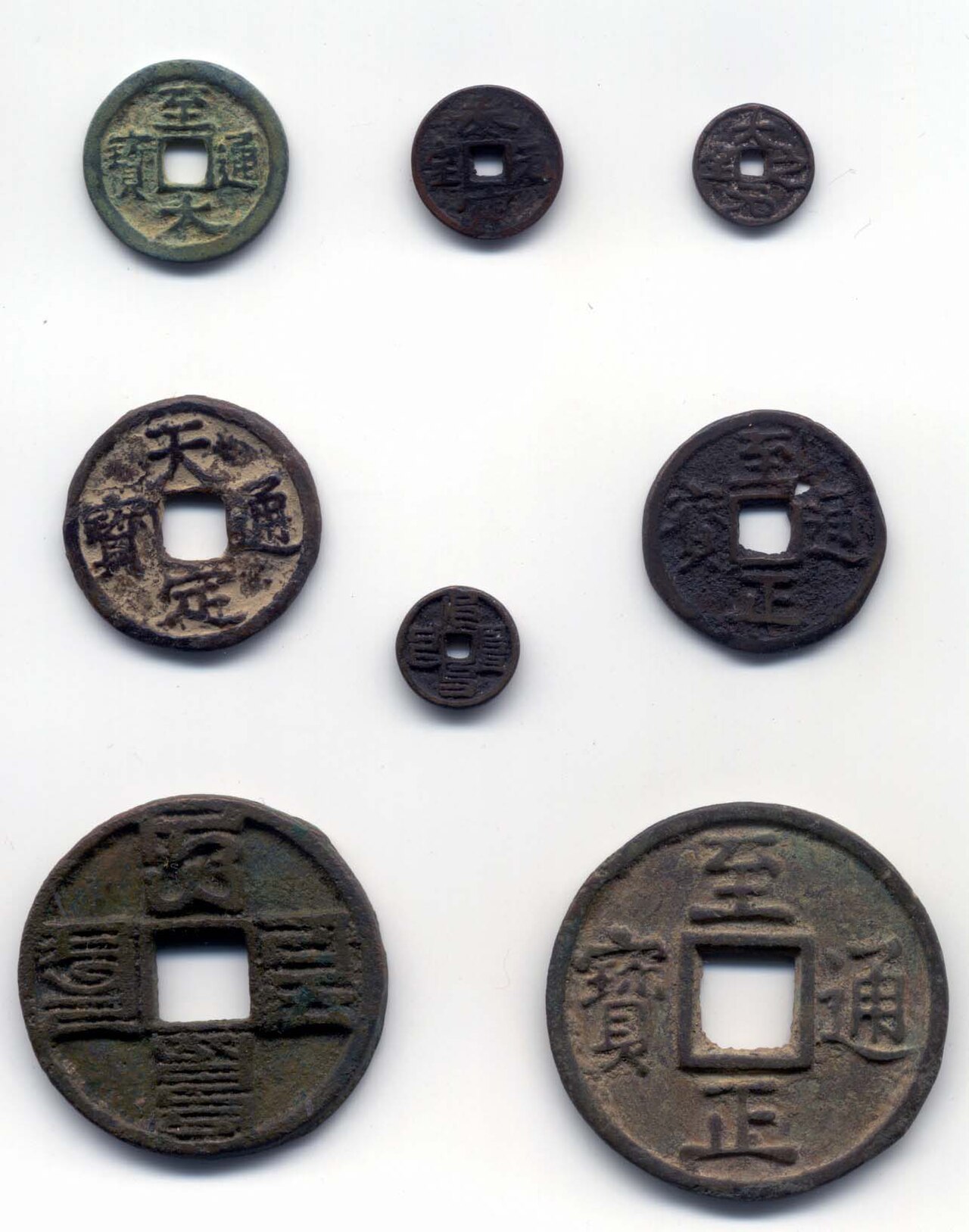
Yuan Forsider coin scan
A 2006 scan of seven bronze cash coins from a Danish private collection, with raised Chinese characters, linked to the Yuan currency of Kublai Khan's reign.
These coins belong to the currency tradition of the Yuan dynasty founded by Kublai Khan, which helps students connect his rule to everyday money.
About this source
What it is
This is a scan on a white background of seven bronze cash coins arranged in rows. Each coin has a square central hole and raised Chinese characters, and the largest coins sit at the bottom. The scan was made by Lars Bo Christensen, a Danish coin collector, and uploaded in December 2006. The collection record says it includes coins from the Western Xia, Liao and Yuan periods. The image shows the coins, not the original objects.
Why it matters
Coins with inscriptions show how states announced their authority and managed trade. The Yuan dynasty was founded by Kublai Khan, so these coins relate to the currency of his reign. However, the collection record does not confirm which of these coins were issued under Kublai, so students should treat the link as general context rather than proof.
Look closer
- What do the raised characters on the coins seem to say, and who would have read them?
- Why would a government put its name or value on money?
- What can a scan not show, such as the weight, metal or wear of a real coin?
This artifact is part of the curated material that grounds the AI version of Kublai Khan on Humy.ai — when students ask about related events, the AI can quote it and cite it.
More Kublai Khan sources
Browse all 85 →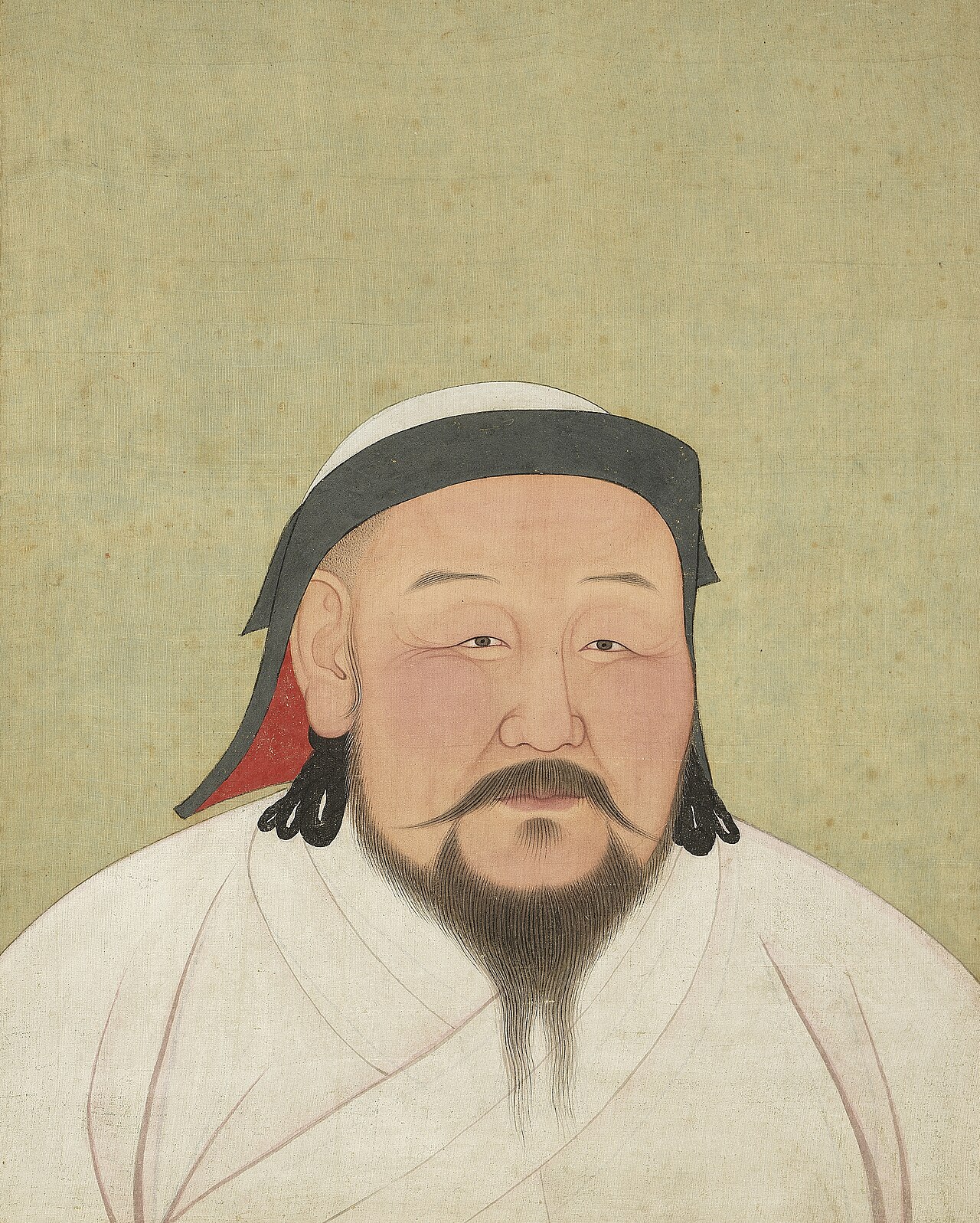 Painting
Secondary source
Portrait of Kublai Khan
Circle of Anige
 Book
Primary source
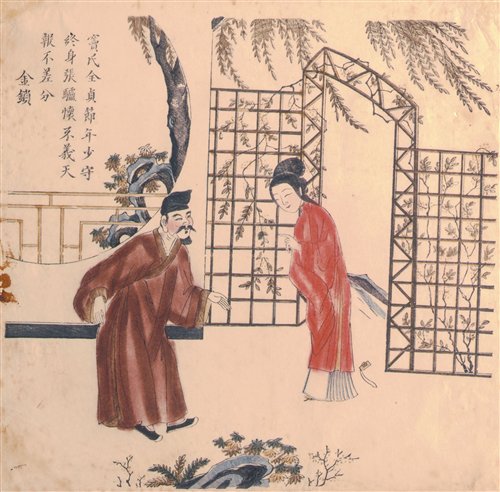
The Injustice to Dou E
Guan Hanqing · 1292
 Book
Secondary source
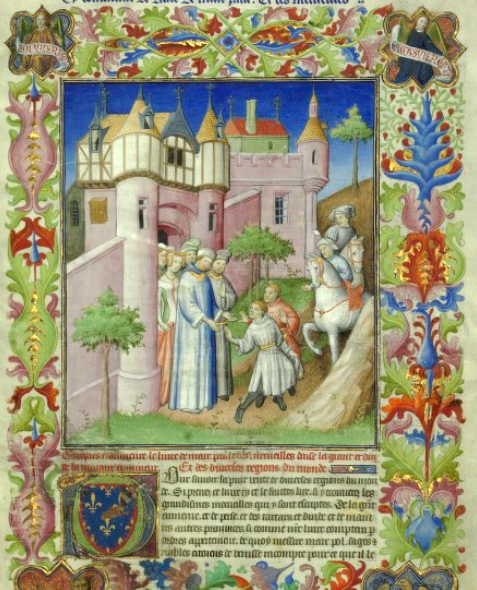
The Travels of Marco Polo
Rustichello da Pisa · 1298
 Book
Primary source
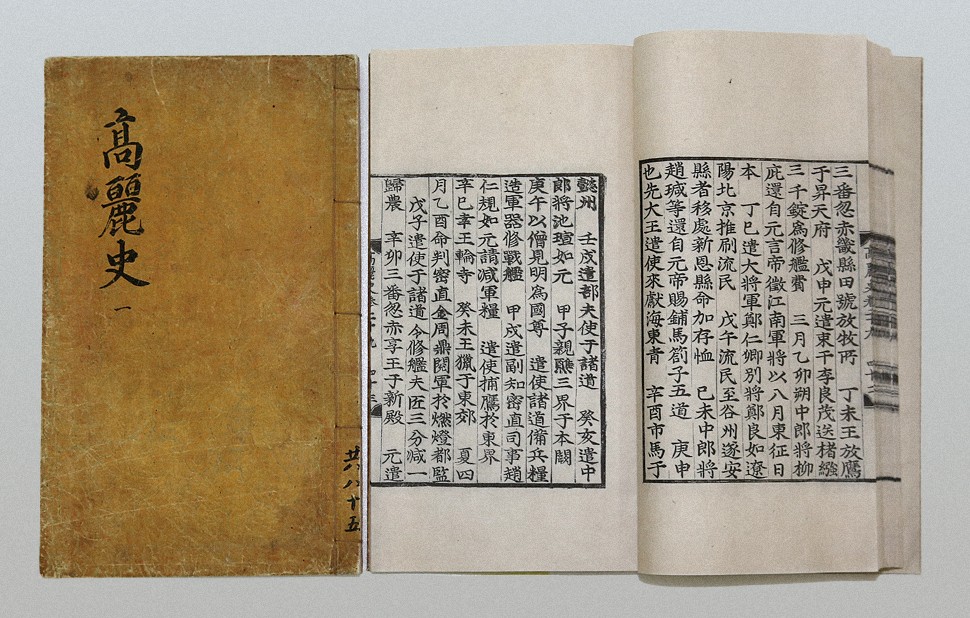
Goryeosa
Chŏng Inji · completed 1451
Free account
Read every Kublai Khan source
Sign up free →
Ready when you are
Start chatting with Kublai Khan now.
20 messages free · No credit card · Available in 50+ languages.