


Primary sourceArtifact1914
Yuan Shikai dollar
Luigi Giorgi · 1914
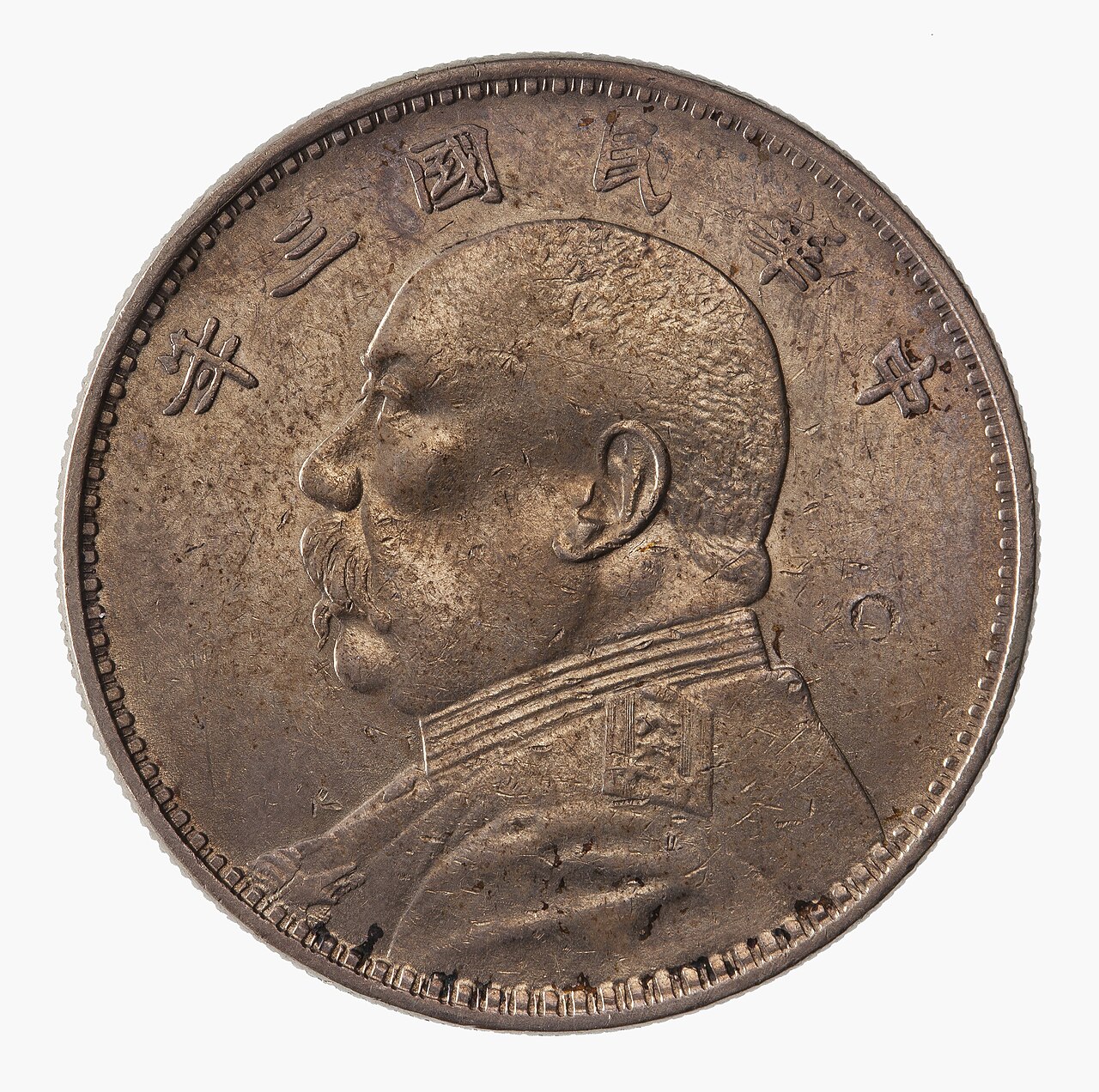
A silver coin minted from 1914 bearing Yuan Shikai's profile, which became China's standard currency and spread his image across the country.
This widely circulated coin carried Yuan Shikai's own portrait, showing how he used his image to assert authority as president.
About this source
What it is
This coin, known as the Yuan Shikai dollar or "fatman dollar," was designed by Tianjin Mint engraver Luigi Giorgi and first produced in 1914. It shows a profile bust of President Yuan Shikai in military uniform on the front, with a wreath of grain and the denomination on the back.
Why it matters
The coin replaced older imperial and foreign coinage and became the standard silver currency of China, with over a billion produced between 1914 and 1928, and production continuing even after Yuan's death. Putting his own portrait on the nation's money was a way for Yuan to project authority and presence into everyday Chinese life, much like earlier emperors or Western heads of state.
Look closer
- Why might a leader choose to put his own face on the national currency?
- What does it suggest that the coin stayed in use long after Yuan died, and even after he became unpopular?
- How is this image of Yuan different from the photograph used for other purposes?
This artifact is part of the curated material that grounds the AI version of Yuan Shikai on Humy.ai — when students ask about related events, the AI can quote it and cite it.
More Yuan Shikai sources
Browse all 84 →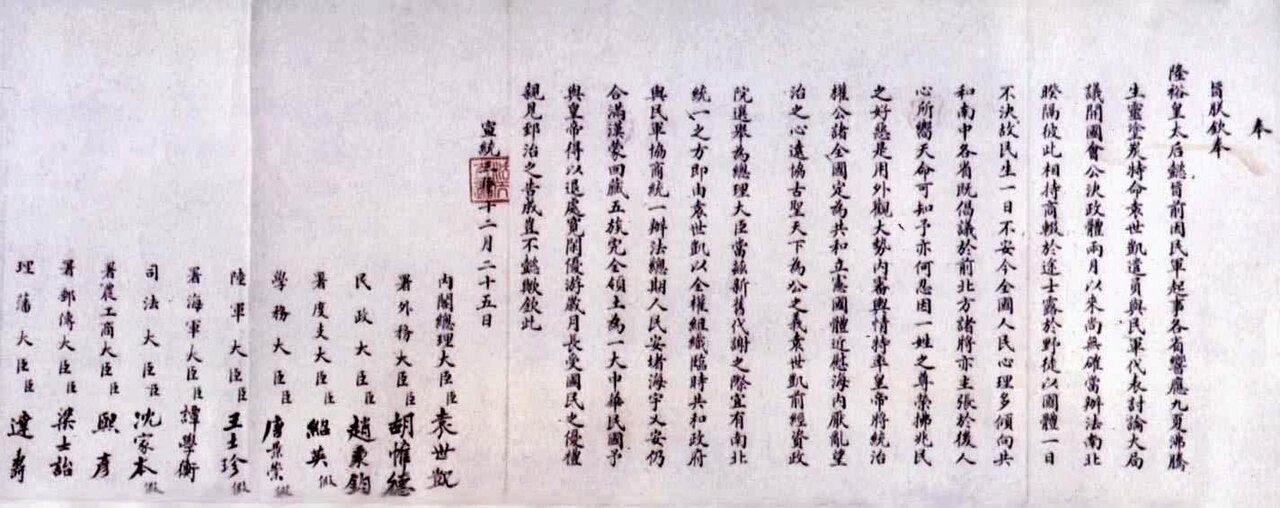 Document
Primary source
Imperial Edict of the Abdication of the Qing Emperor
Empress Dowager Longyu · 12 February 1912
 Document
Primary source
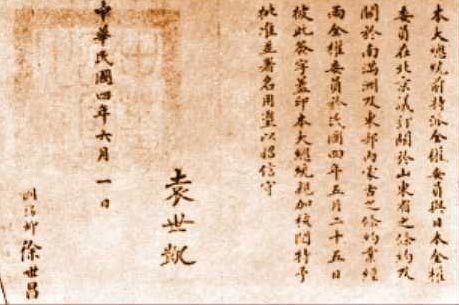
Twenty-One Demands
Empire of Japan · 18 January 1915
 Photograph
Primary source
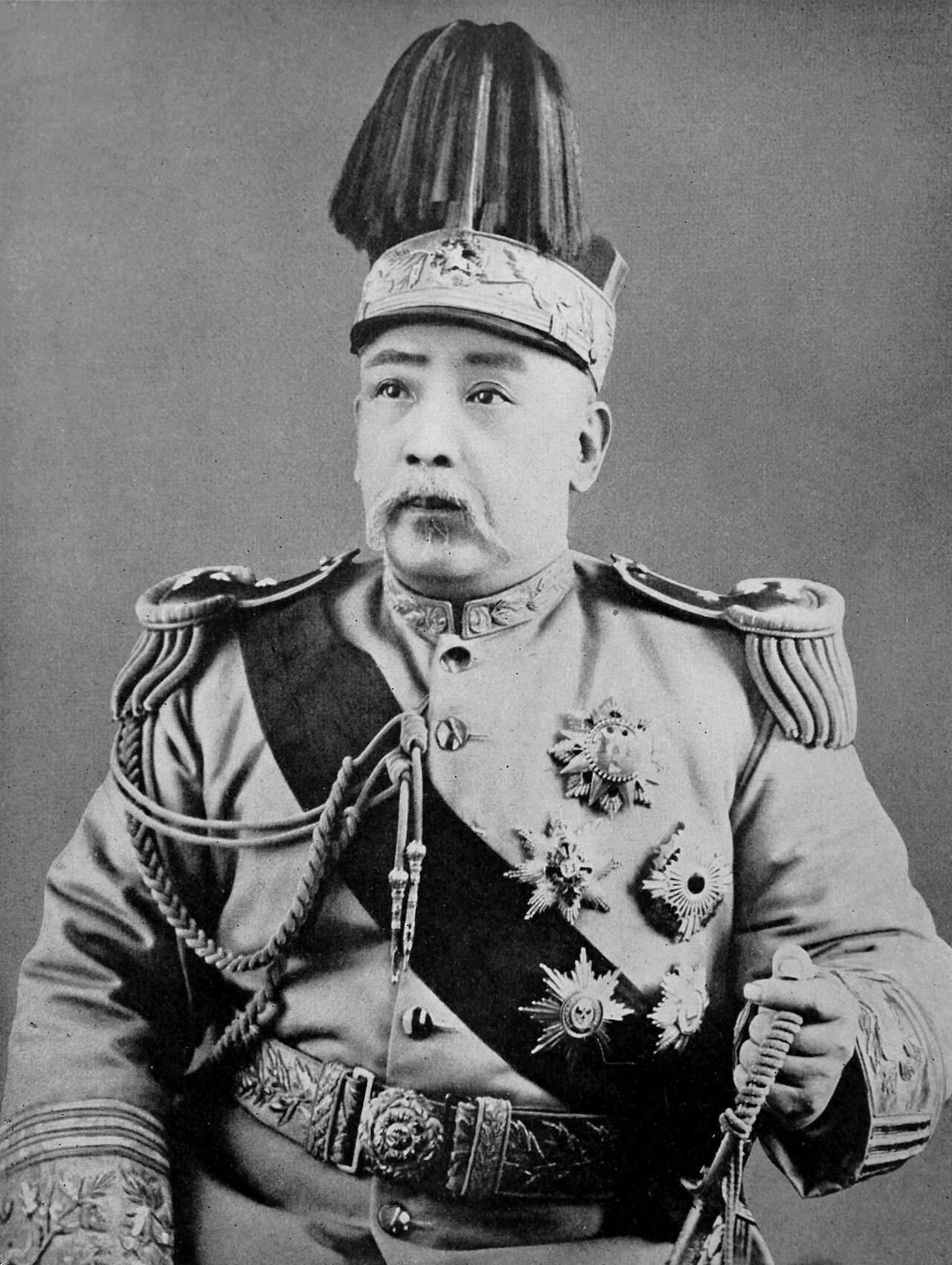
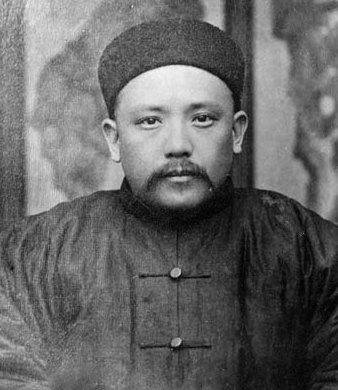
Portrait of Yuan Shikai
1915
 Document
Primary source
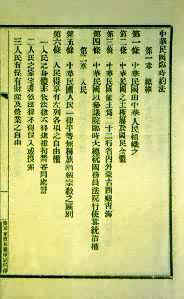
Provisional Constitution of the Republic of China
11 March 1912
Free account
Read every Yuan Shikai source
Sign up free →
Ready when you are
Start chatting with Yuan Shikai now.
20 messages free · No credit card · Available in 50+ languages.