


Primary sourceArtifact636–649
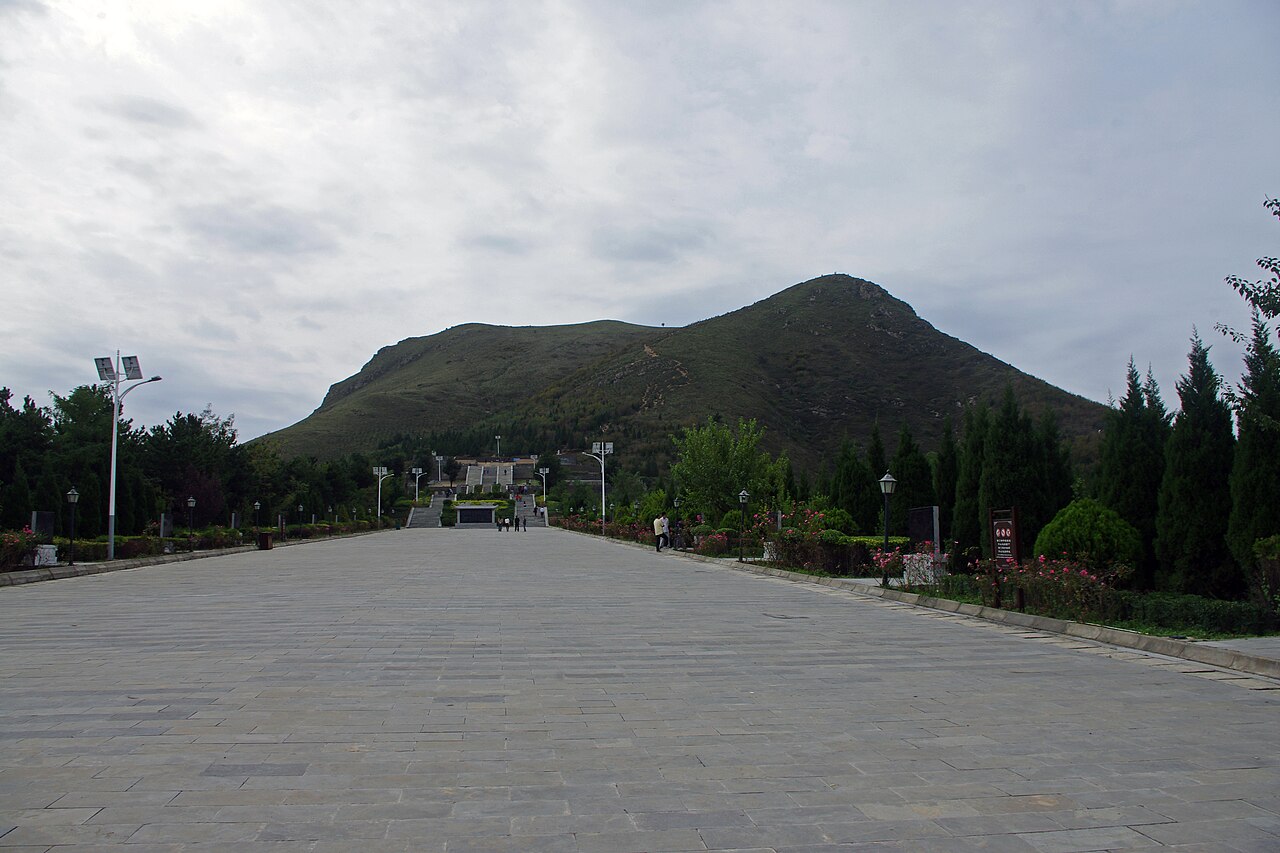
Zhao Mausoleum
Yan Lide · 636–649
The mountain tomb complex Emperor Taizong planned for himself, surrounded by satellite graves of his ministers and statues of foreign rulers who submitted to Tang rule.
Taizong personally planned this mausoleum as his own tomb, shaping how he wanted to be remembered as ruler.
Free Humy account · No credit card · 61,692 sources to read
About this source
What it is
Zhaoling is a vast mausoleum complex built into Mount Jiuzong in Liquan County, Shaanxi, built between 636 and 649. It was planned by the Tang court, with Taizong himself directing the scheme and the architect Yan Lide carrying it out.
Why it matters
Taizong chose to be buried with his ministers around him and with statues of foreign rulers who had submitted to Tang power, rather than in a simple isolated tomb. This layout was meant to show him as a Heavenly Khan, a ruler accepted by both Chinese subjects and surrounding peoples. It reveals how he wanted history to remember his reign.
Look closer
- Why might an emperor want his ministers buried near him rather than in their own family grounds?
- What message was Taizong sending by including statues of foreign rulers at his tomb?
- What does planning your own burial site in advance tell us about how a ruler thought of his legacy?
This artifact is part of the curated material that grounds the AI version of Taizong of Tang on Humy.ai — when students ask about related events, the AI can quote it and cite it.
More Taizong of Tang sources
Browse all 60 →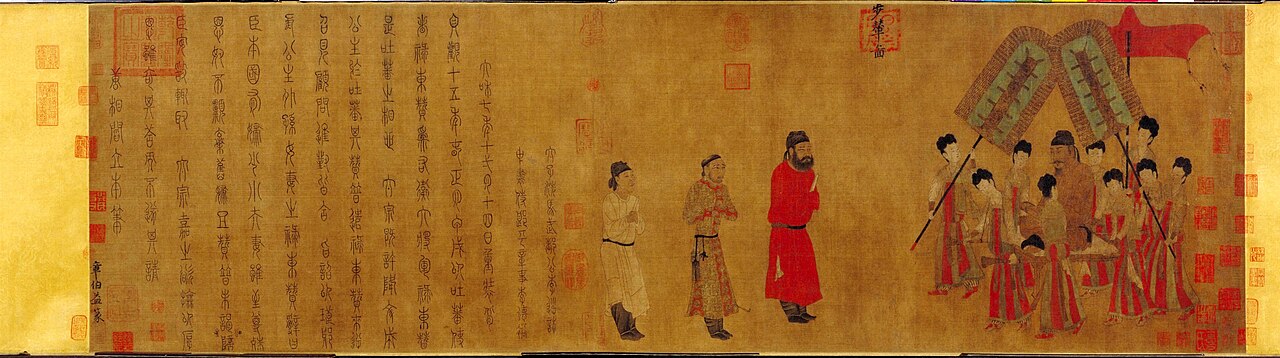 Painting
Secondary source
Bunian Tu
Yan Liben · c. 700 (possibly a later copy of an earlier original)
 Sculpture
Primary source
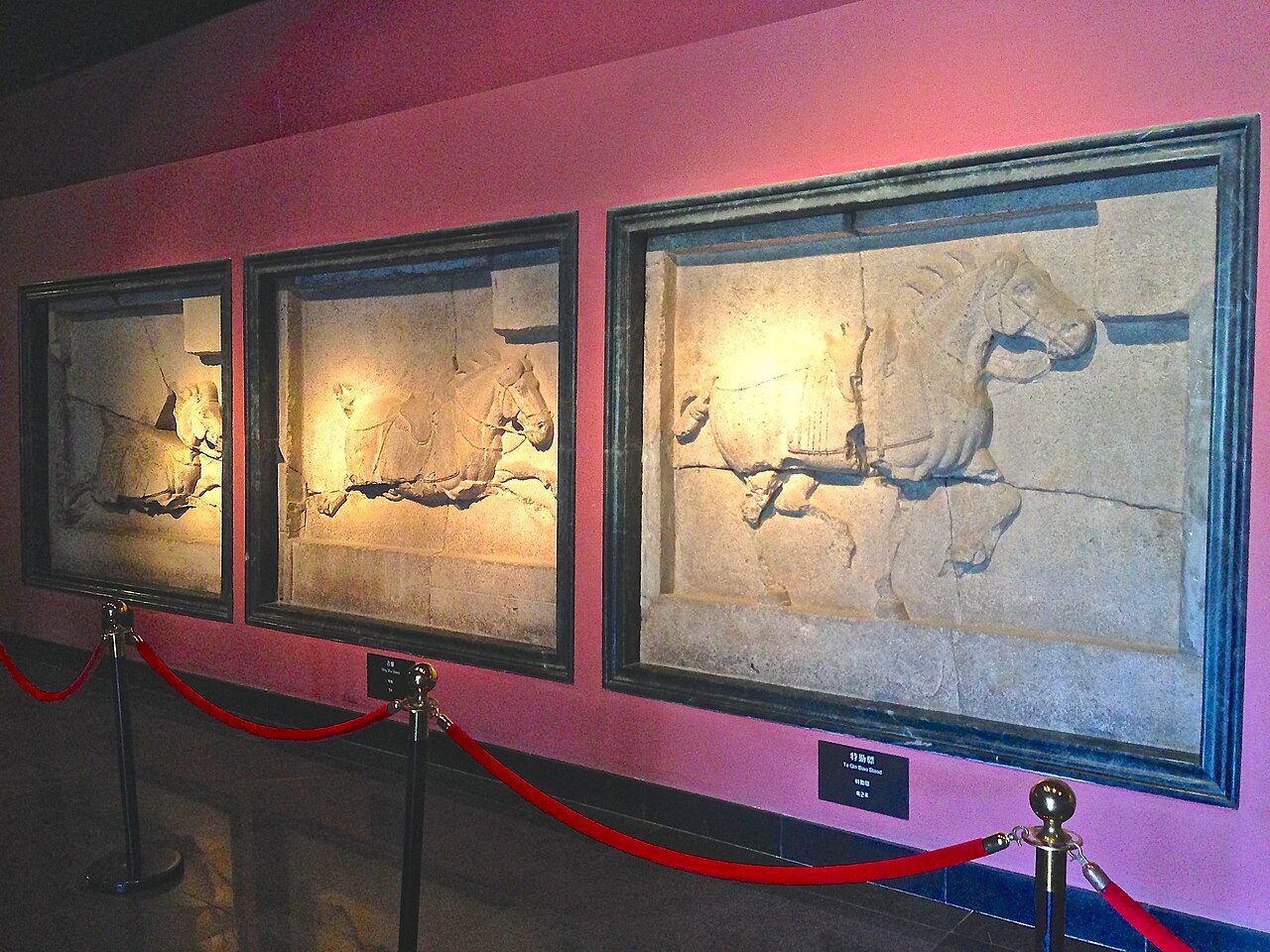
Six Steeds of Zhao Mausoleum
Yan Liben (attributed) · Tang dynasty (618-907)
Primary source
Difan
Emperor Taizong of Tang · 648
 Document
Primary source
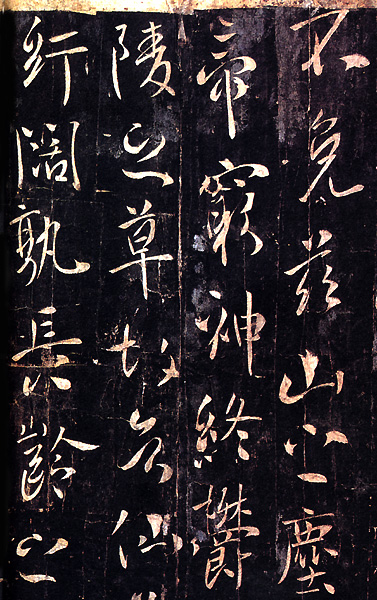
Hot Spring Inscription
Emperor Taizong of Tang · Tang dynasty
Free account
Browse every Taizong of Tang source
Sign up free →
Ready when you are
Start chatting with Taizong of Tang now.
20 messages free · No credit card · Available in 50+ languages.