


Primary sourceArtifact14th century
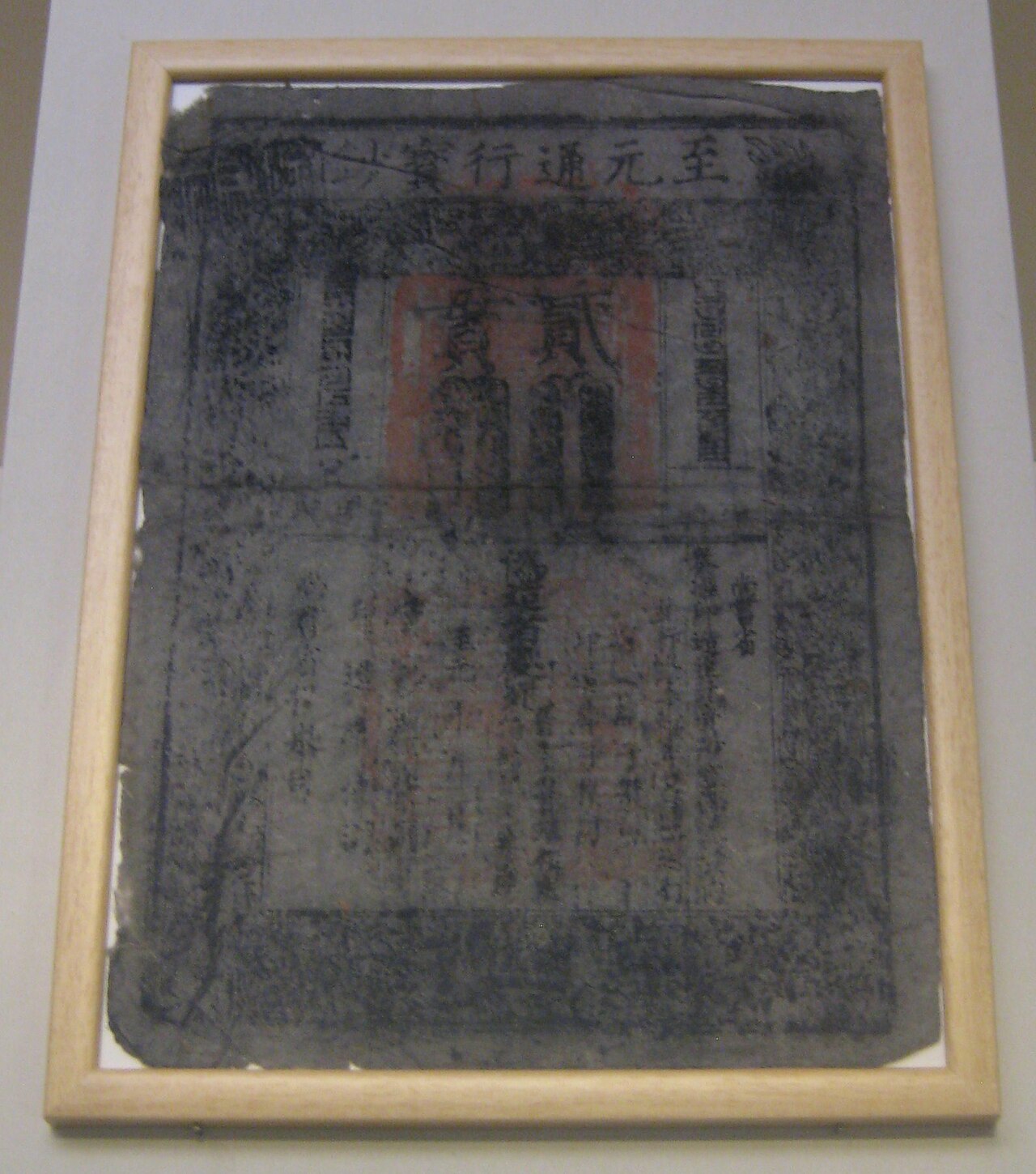
Zhiyuan Banknote
14th century
A Yuan-dynasty paper banknote with a Phags-pa inscription, discovered at Sakya Monastery, reflecting currency reforms from Kublai Khan's reign.
This banknote reflects the currency system set up under Kublai Khan's Yuan dynasty, used across the empire he ruled.
About this source
What it is
This is a Zhiyuan banknote from the Yuan dynasty (1206–1368), discovered at the Sakya Monastery in Tibet in 1959. It carries Chinese characters and a Phags-pa inscription reading "Zhiyuan precious money, for circulation in all provinces," along with an official red seal.
Why it matters
Kublai Khan's government introduced paper money backed by the state across his empire, an unusual and advanced practice for the time. This banknote is physical evidence of that system, showing how the Yuan dynasty tried to create a unified currency usable across its vast territory.
Look closer
- Why might a ruler want one currency to work in every province of a huge empire?
- What does the seal on the note tell you about who guaranteed its value?
- How is this banknote similar to or different from paper money used today?
This artifact is part of the curated material that grounds the AI version of Kublai Khan on Humy.ai — when students ask about related events, the AI can quote it and cite it.
More Kublai Khan sources
Browse all 81 →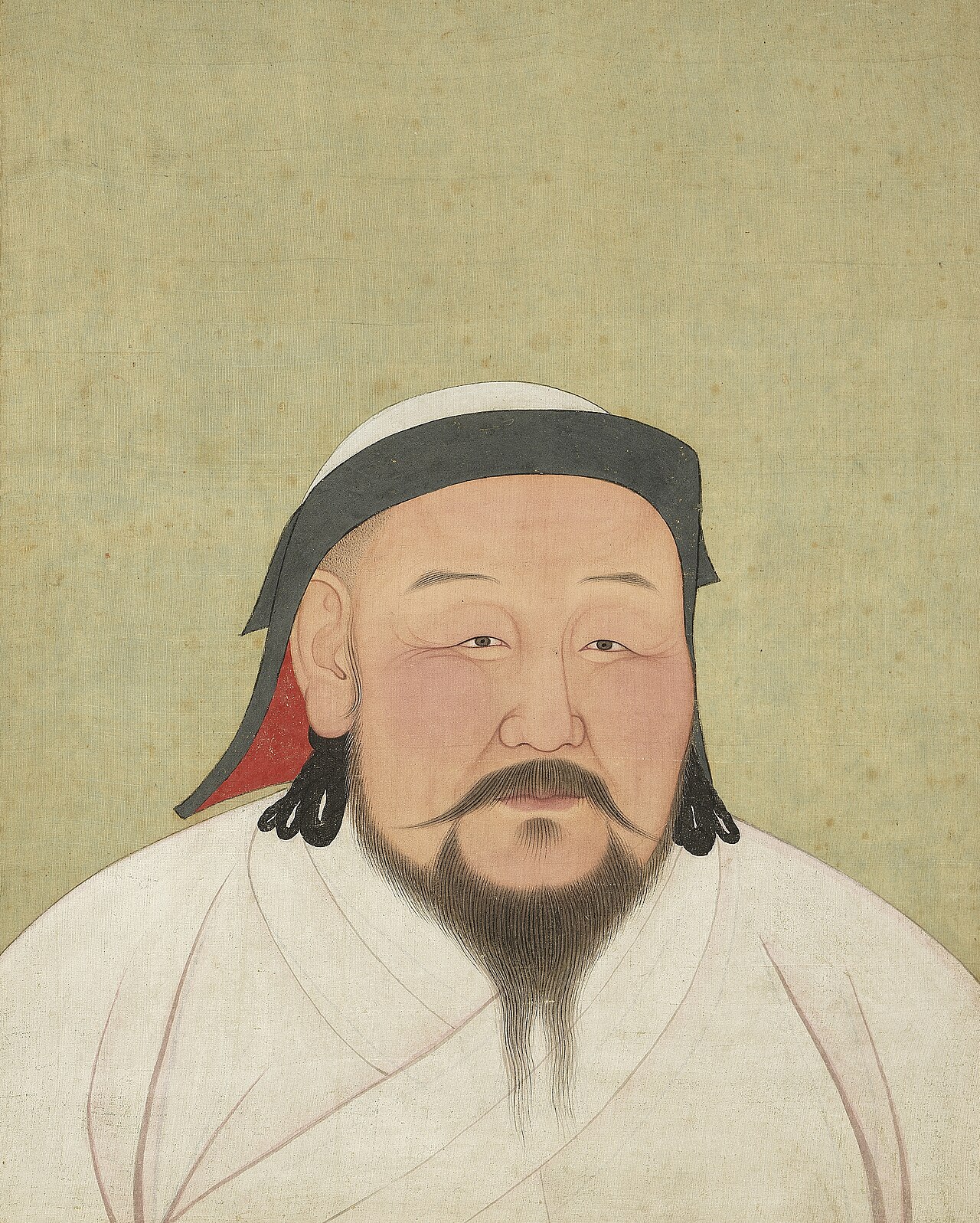 Painting
Secondary source
Portrait of Kublai Khan
Circle of Anige
 Book
Primary source
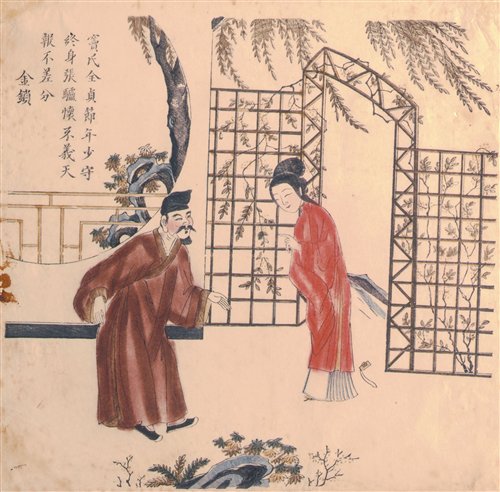
The Injustice to Dou E
Guan Hanqing · 1292
 Book
Secondary source
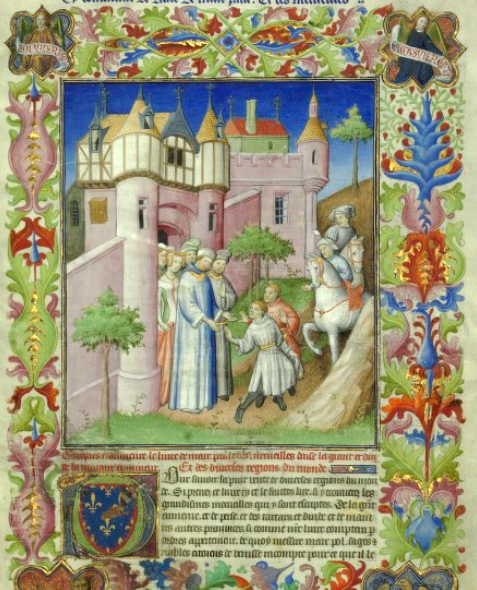
The Travels of Marco Polo
Rustichello da Pisa · 1298
 Book
Primary source
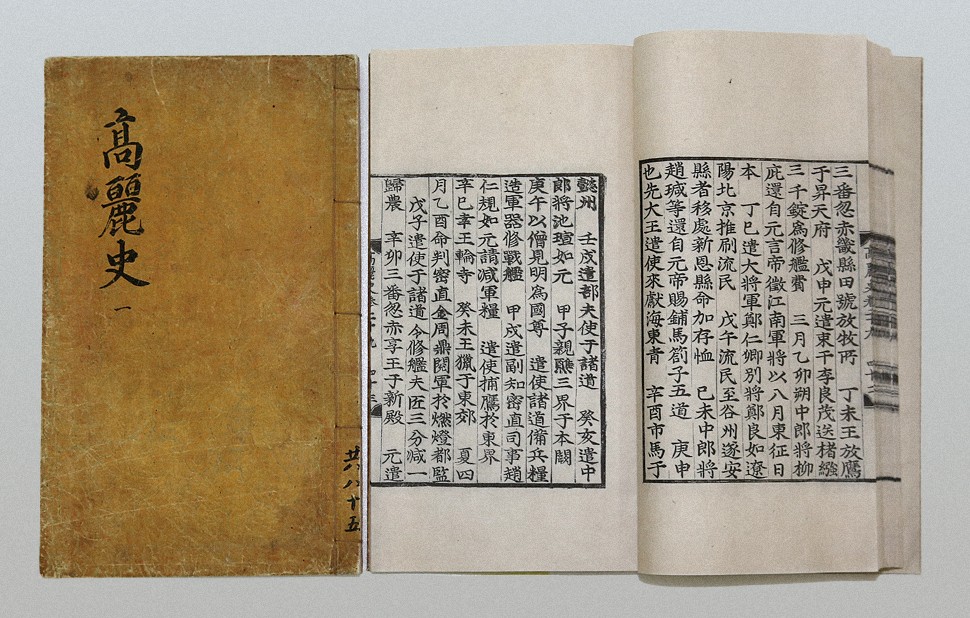
Goryeosa
Chŏng Inji · completed 1451
Free account
Read every Kublai Khan source
Sign up free →
Ready when you are
Start chatting with Kublai Khan now.
20 messages free · No credit card · Available in 50+ languages.