


Primary sourcePhotograph1927
Zhou Enlai, 1927
1927
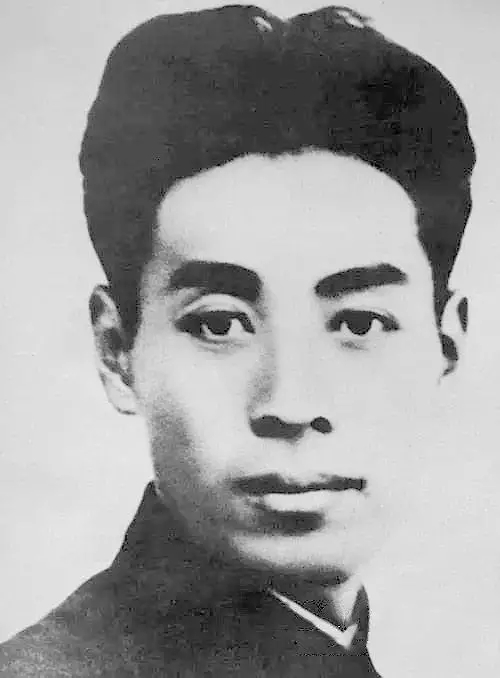
A studio portrait of the young Zhou Enlai from the time of the Shanghai workers' uprisings and the April 1927 massacre.
This is a portrait of Zhou Enlai himself, taken during the violent upheaval he helped lead in Shanghai in 1927.
About this source
What it is
A black-and-white studio photograph of a young man with short, swept-back hair, wearing a dark high-collared jacket over a light shirt. The photographer is unknown. It shows Zhou Enlai around 1927.
Why it matters
The photo dates from a turning point for Zhou and for Chinese communism. In March 1927 Zhou helped lead the third armed uprising of Shanghai workers. After the "April 12" coup by Nationalist forces crushed the alliance between communists and nationalists, Zhou went on to lead the Nanchang Uprising that August. This image captures him as a young revolutionary just before these violent events reshaped his career and China's politics.
Look closer
- What does his calm, direct expression suggest about how he wanted to be seen?
- Why might a young activist want a formal studio portrait like this?
- What does the photo not tell you about the violence happening in Shanghai at this time?
This photograph is part of the curated material that grounds the AI version of Zhou Enlai on Humy.ai — when students ask about related events, the AI can quote it and cite it.
More Zhou Enlai sources
Browse all 93 →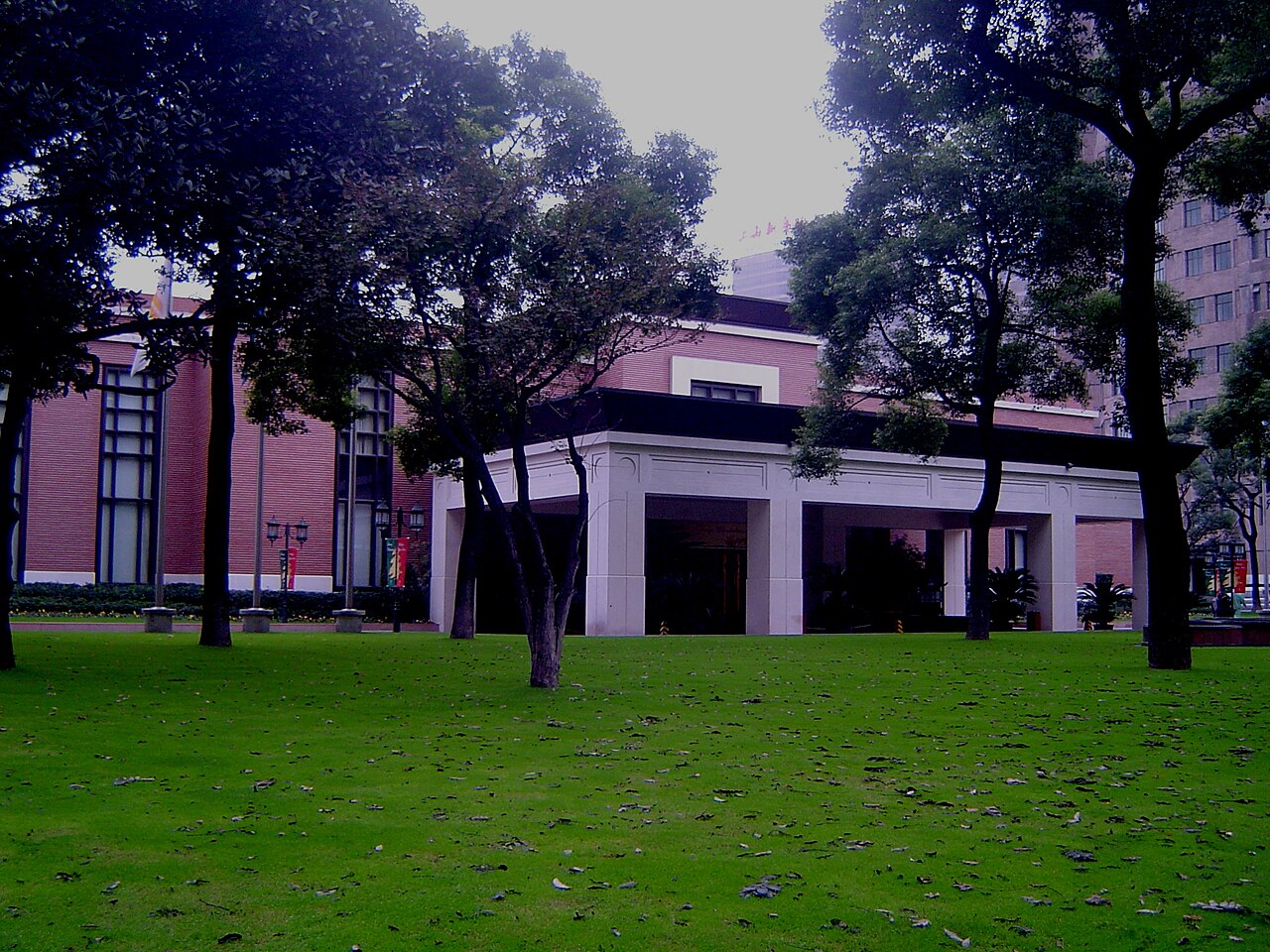 Document
Primary source
Shanghai Communiqué
27 February 1972
Primary source
Zhou Enlai voice
 Document
Primary source
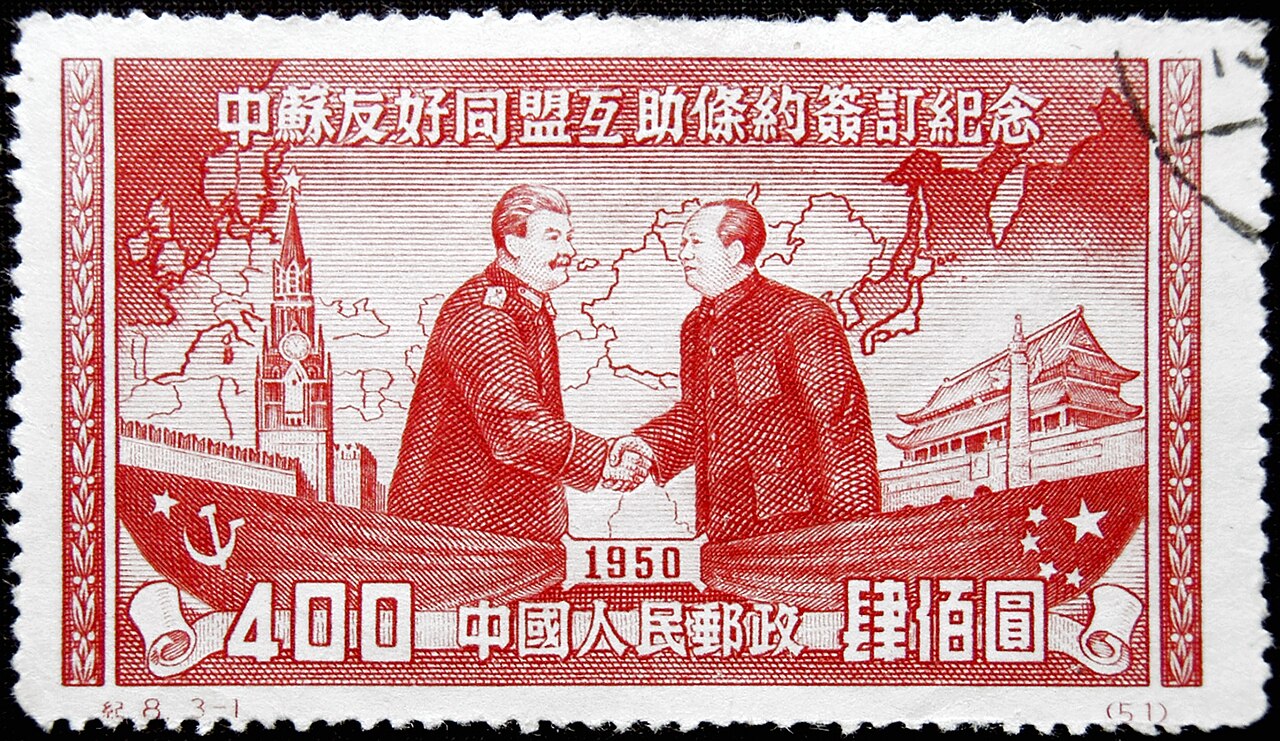
Sino-Soviet Treaty of Friendship, Alliance and Mutual Assistance
14 February 1950
 Document
Primary source
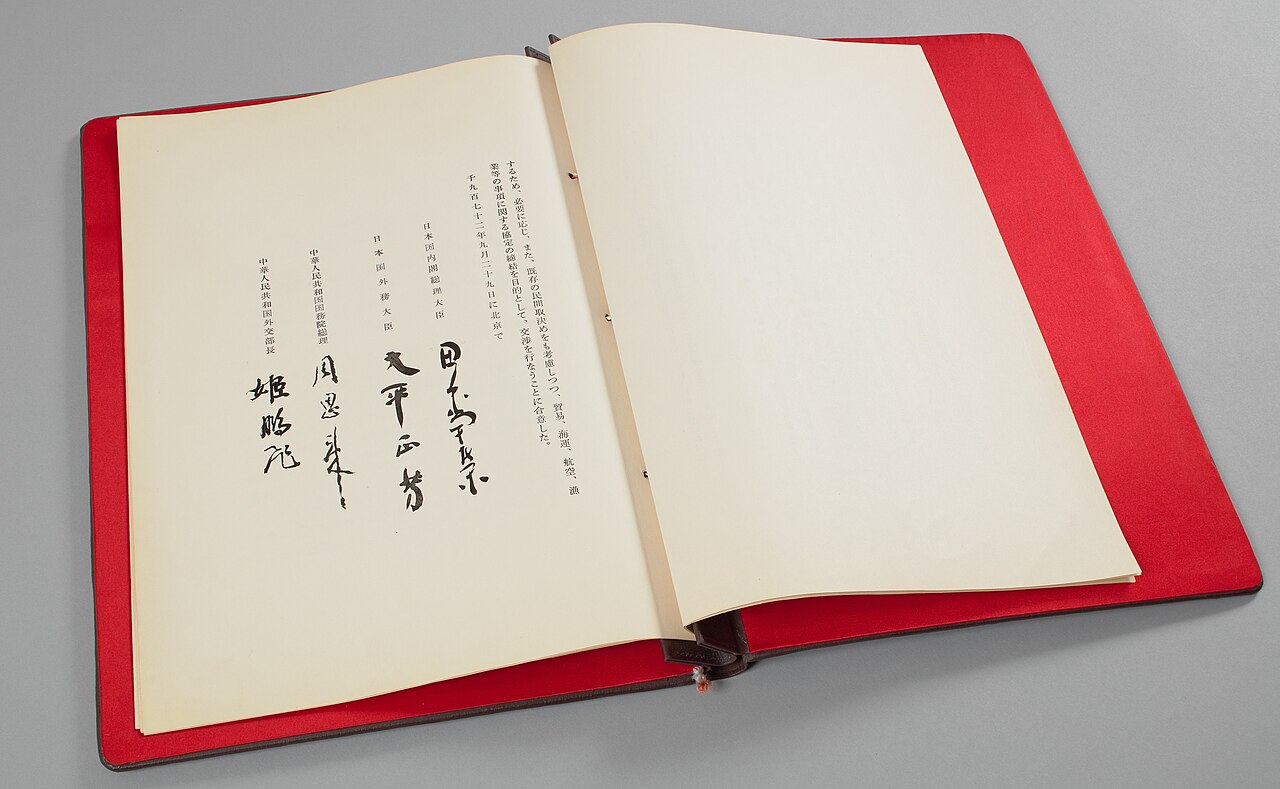
Japan–China Joint Communiqué
29 September 1972
Free account
Read every Zhou Enlai source
Sign up free →
Ready when you are
Start chatting with Zhou Enlai now.
20 messages free · No credit card · Available in 50+ languages.