


Secondary sourcePaintingcirca 1930
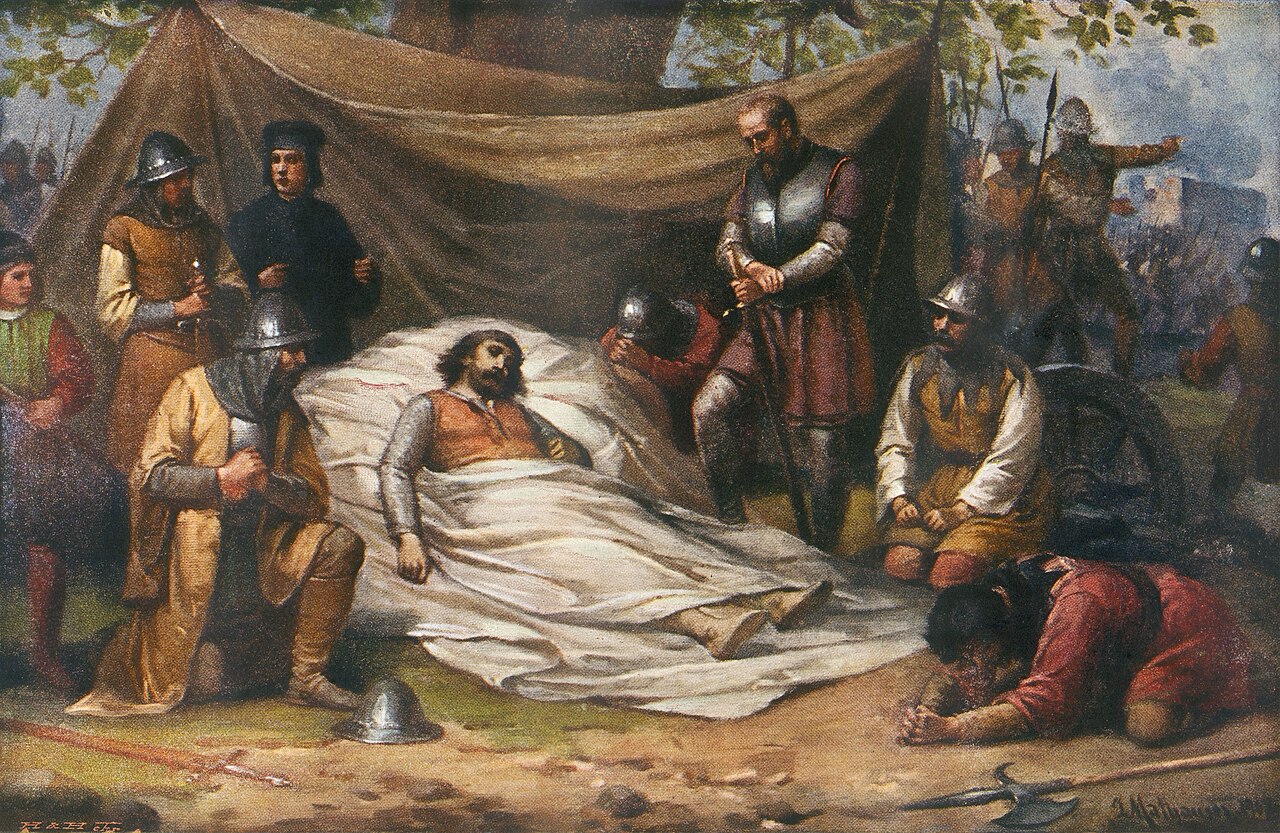
Žižka's Death at Přibyslav
Josef Mathauser · circa 1930
A painting by Josef Mathauser, made around 1930 as an illustration for a Czech history book. It shows the scene of Žižka's death at Přibyslav in October 1424.
Shows how a Czech history book of about 1930 pictured the death of Jan Žižka at Přibyslav.
About this source
What it is
This is a painting by Josef Mathauser, made around 1930 as an illustration for a Czech history book. It shows the death of Jan Žižka at Přibyslav in October 1424. The caption printed with the image says that news of his death brought weeping and wailing, and that his followers were then called Orphans, as if they had lost a father.
Why it matters
Žižka died during the Hussite wars, and his followers, the Orphans, remembered him as a father figure. Later Czech writers and illustrators returned to his death as a moment of national grief. The painting shows how a history book of about 1930 presented that story to young readers, which can tell us as much about that time as about 1424.
Look closer
- Who is shown grieving, and how do their poses and clothing show their feelings?
- Why did the illustrator choose a quiet death scene, with a battle only in the background?
- What does the image leave out about the reasons for the war or the views of Žižka's opponents?
This painting is part of the curated material that grounds the AI version of Jan Žižka on Humy.ai — when students ask about related events, the AI can quote it and cite it.
More Jan Žižka sources
Browse all 82 →Primary source
Žižka's Regulations of War
Jan Žižka · 1423
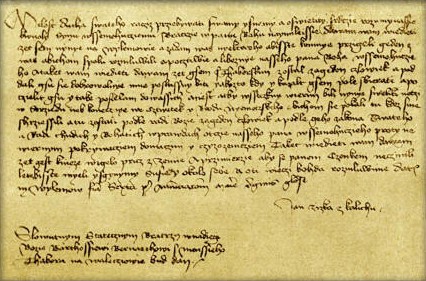 Letter
Primary source
Letter of Jan Žižka of Trocnov
Jan Žižka
 Artifact
Primary source
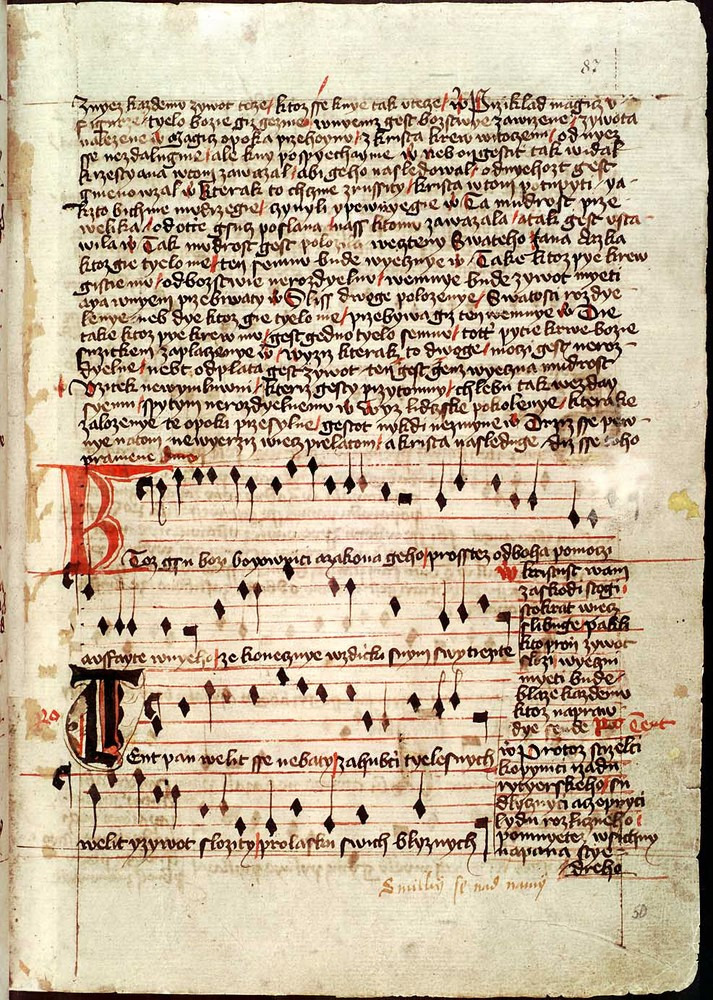
Ktož jsú boží bojovníci
1420
 Artifact
Secondary source
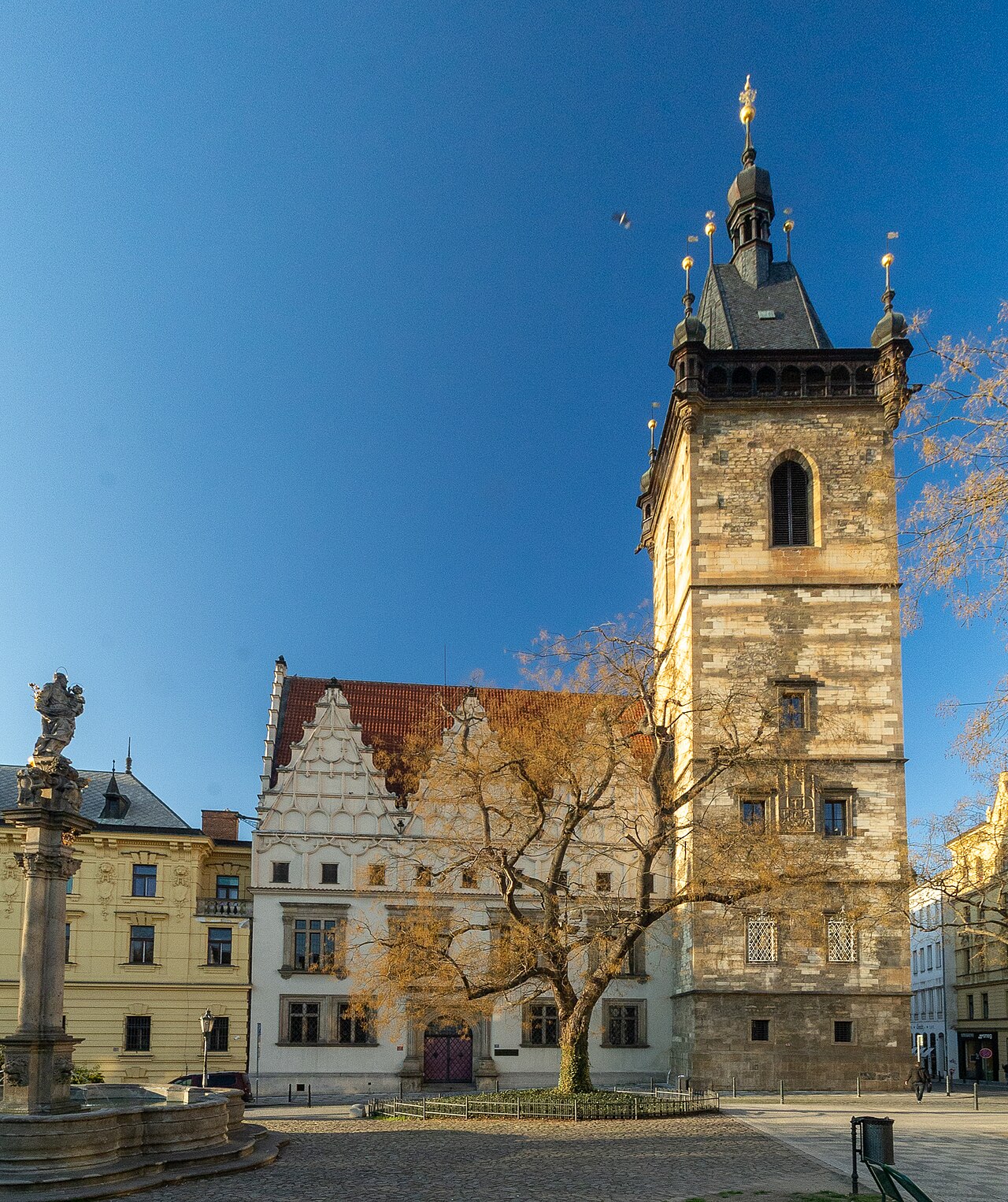
New Town Hall, Prague
1370 (building); 1419 (defenestration)
Free account
Read every Jan Žižka source
Sign up free →
Ready when you are
Start chatting with Jan Žižka now.
20 messages free · No credit card · Available in 50+ languages.