


Secondary sourceArtifact1874
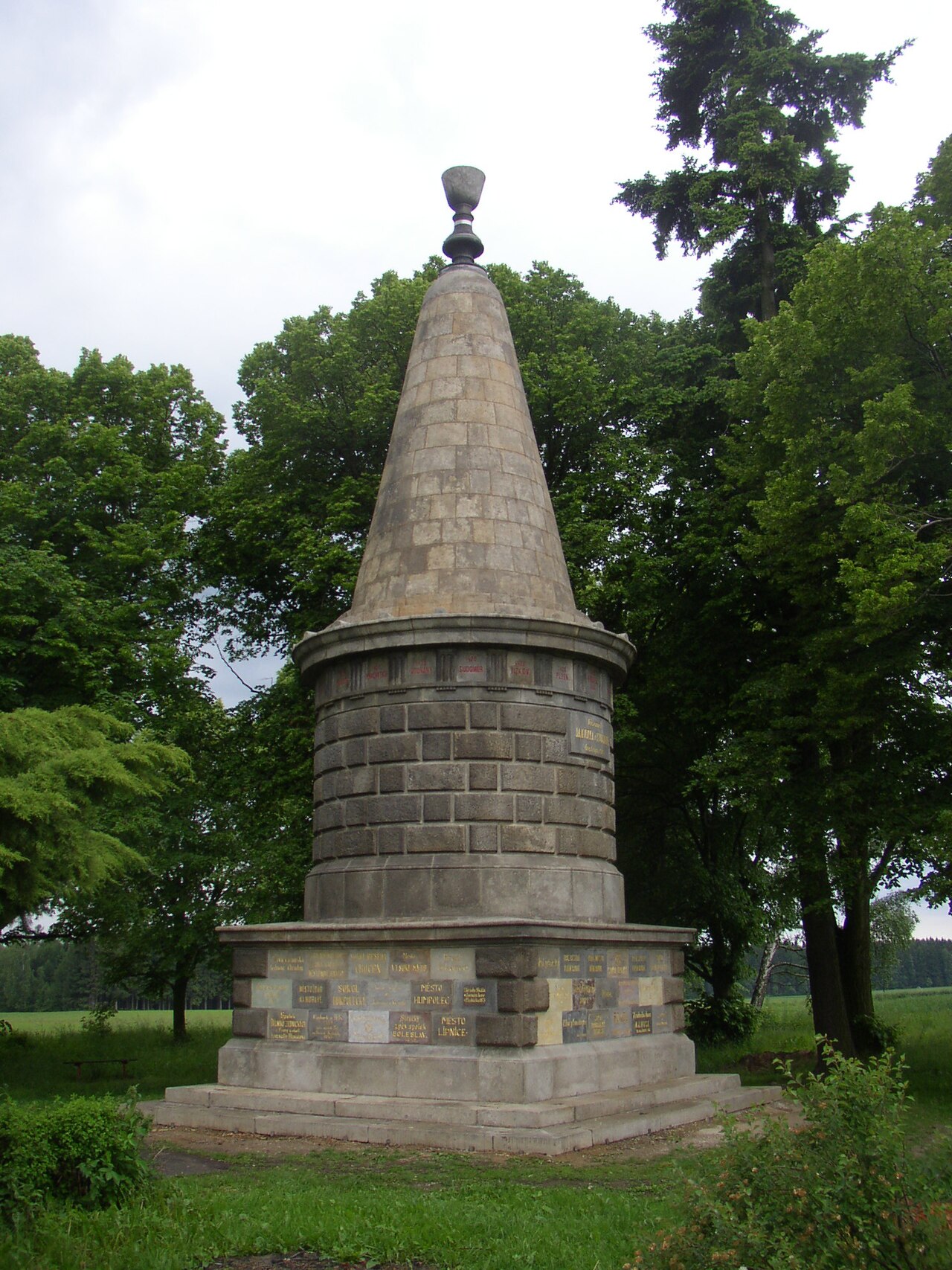
Žižkova mohyla
Josef Šupich · 1874
An 1874 stone cairn near Přibyslav marking the site where Jan Žižka died in 1424.
This monument marks the site where Žižka died, built centuries later as part of his national commemoration.
About this source
What it is
Žižkova mohyla is a stone monument built in 1874 by Josef Šupich near Přibyslav, at the place where Jan Žižka is believed to have died in 1424. It takes the form of a tall obelisk-like structure with inscribed plaques.
Why it matters
Built four and a half centuries after Žižka's death, this monument reflects the 19th-century Czech national revival, when historical figures like Žižka were celebrated as national heroes. It shows how later generations used monuments to shape memory and national identity around historical events, rather than being direct evidence of the event itself.
Look closer
- Why might a monument be built so long after the event it marks?
- What does the choice to build this in 1874 tell us about that period, rather than about 1424?
- What can a memorial tell us, and what can it not tell us, about the actual events?
This artifact is part of the curated material that grounds the AI version of Jan Žižka on Humy.ai — when students ask about related events, the AI can quote it and cite it.
More Jan Žižka sources
Browse all 82 →Primary source
Žižka's Regulations of War
Jan Žižka · 1423
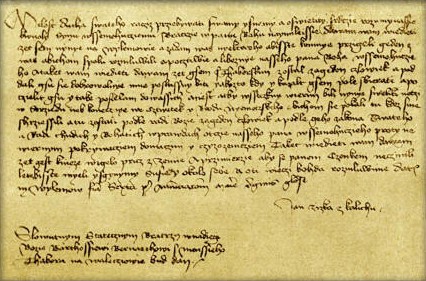 Letter
Primary source
Letter of Jan Žižka of Trocnov
Jan Žižka
 Artifact
Primary source
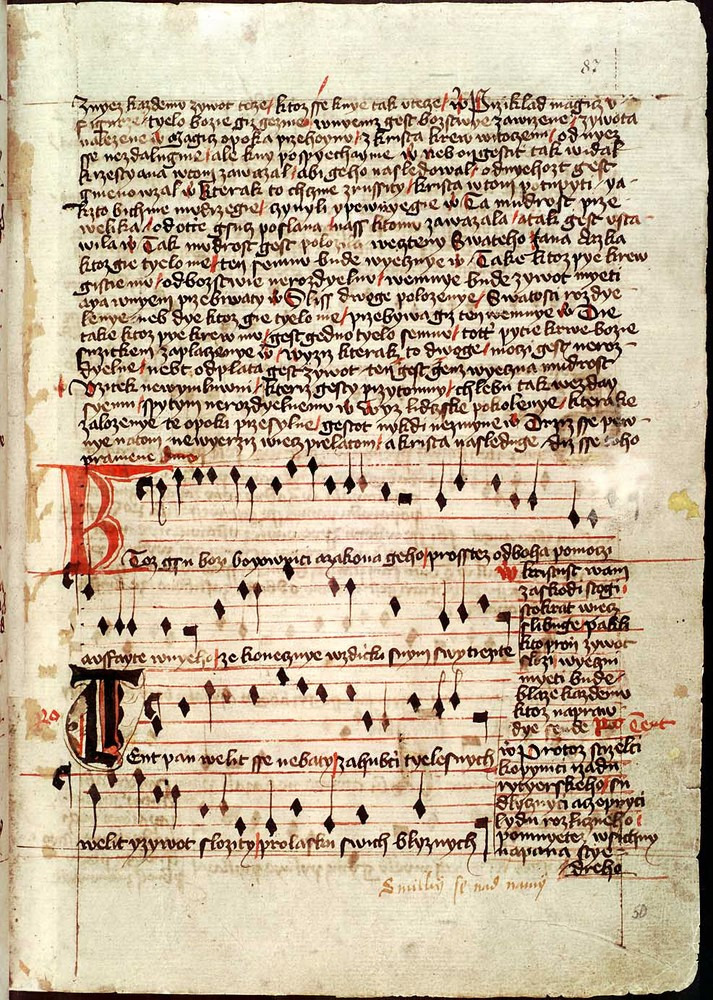
Ktož jsú boží bojovníci
1420
 Artifact
Secondary source
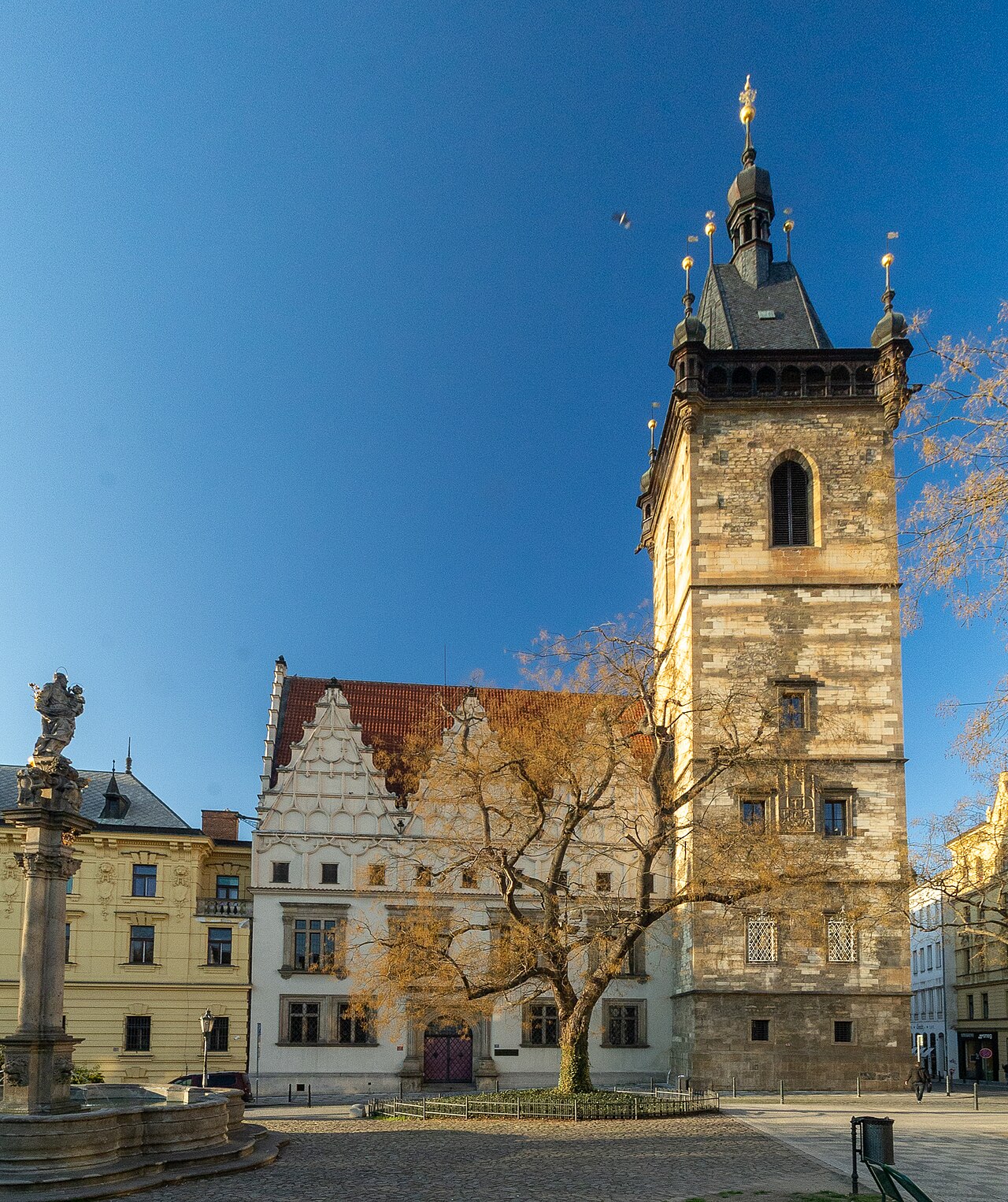
New Town Hall, Prague
1370 (building); 1419 (defenestration)
Free account
Read every Jan Žižka source
Sign up free →
Ready when you are
Start chatting with Jan Žižka now.
20 messages free · No credit card · Available in 50+ languages.