


Secondary sourcePhotograph18 July 2016
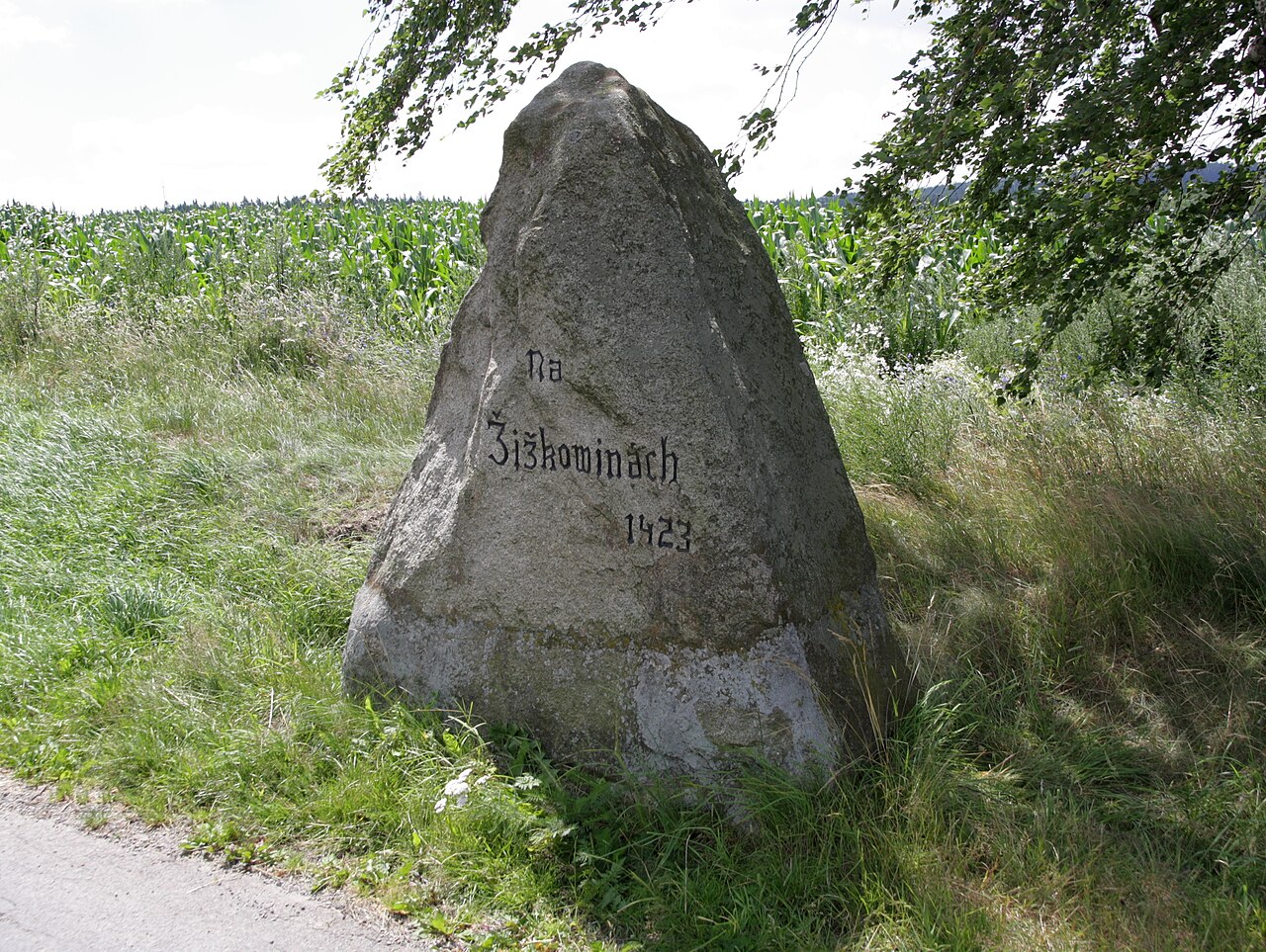
Žižkův kámen stone at Janštejn
RomanM82 · 18 July 2016
A 2016 photograph of a weathered boulder beside a road at Janštejn, carved with the words Na Žižkovinách and the year 1423. It is a later memorial tied to Žižka by local tradition.
Shows a roadside stone carved with Žižka's name and a date, a later local memorial tied to his legend.
About this source
What it is
This is a photograph taken on 18 July 2016 by RomanM82. It shows a large, weathered, roughly triangular granite boulder beside a grassy roadside verge. Carved into its face are the words 'Na Žižkovinách' and the year '1423' in black Gothic lettering. A cornfield and trees lie behind it under a pale sky. The Commons record places it at Janštejn in Horní Dubenky.
Why it matters
The stone is tied to Jan Žižka, the Hussite military leader, by local tradition, and the carved year 1423 falls within the period of his later campaigns. The inscription is a later marking rather than a document from his time. It shows how a place name and a date can keep a figure's memory alive in a village landscape.
Look closer
- What does the carved year suggest the stone commemorates, and how sure can we be of that?
- Why might a boulder beside a road be chosen as a memorial?
- What does this photograph leave out about who carved the words and when?
This photograph is part of the curated material that grounds the AI version of Jan Žižka on Humy.ai — when students ask about related events, the AI can quote it and cite it.
More Jan Žižka sources
Browse all 82 →Primary source
Žižka's Regulations of War
Jan Žižka · 1423
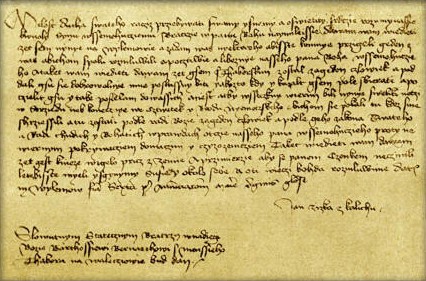 Letter
Primary source
Letter of Jan Žižka of Trocnov
Jan Žižka
 Artifact
Primary source
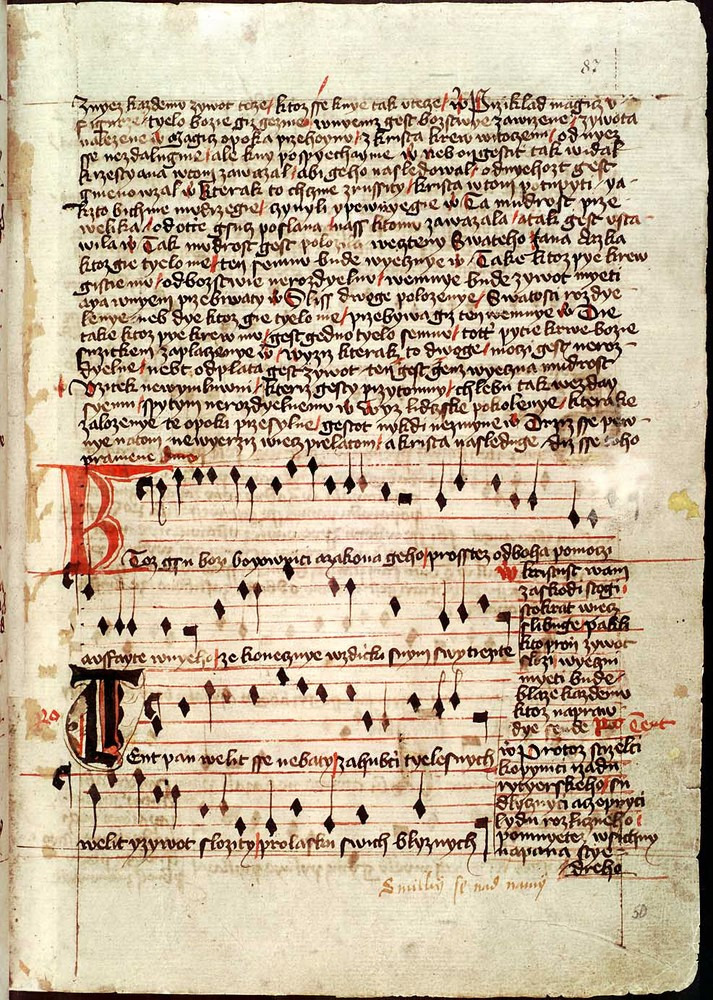
Ktož jsú boží bojovníci
1420
 Artifact
Secondary source
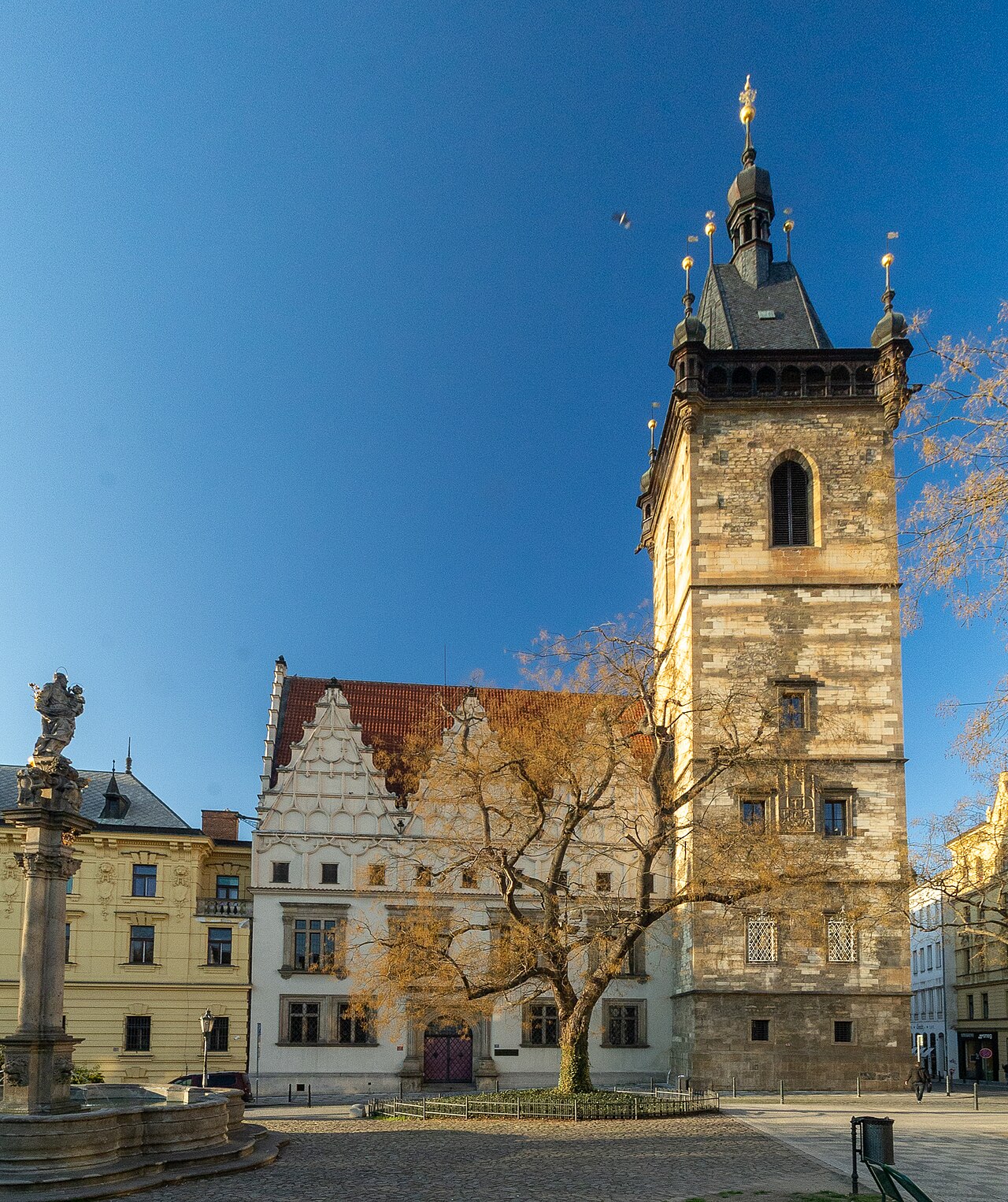
New Town Hall, Prague
1370 (building); 1419 (defenestration)
Free account
Read every Jan Žižka source
Sign up free →
Ready when you are
Start chatting with Jan Žižka now.
20 messages free · No credit card · Available in 50+ languages.