


Primary sourceBook1838–1843
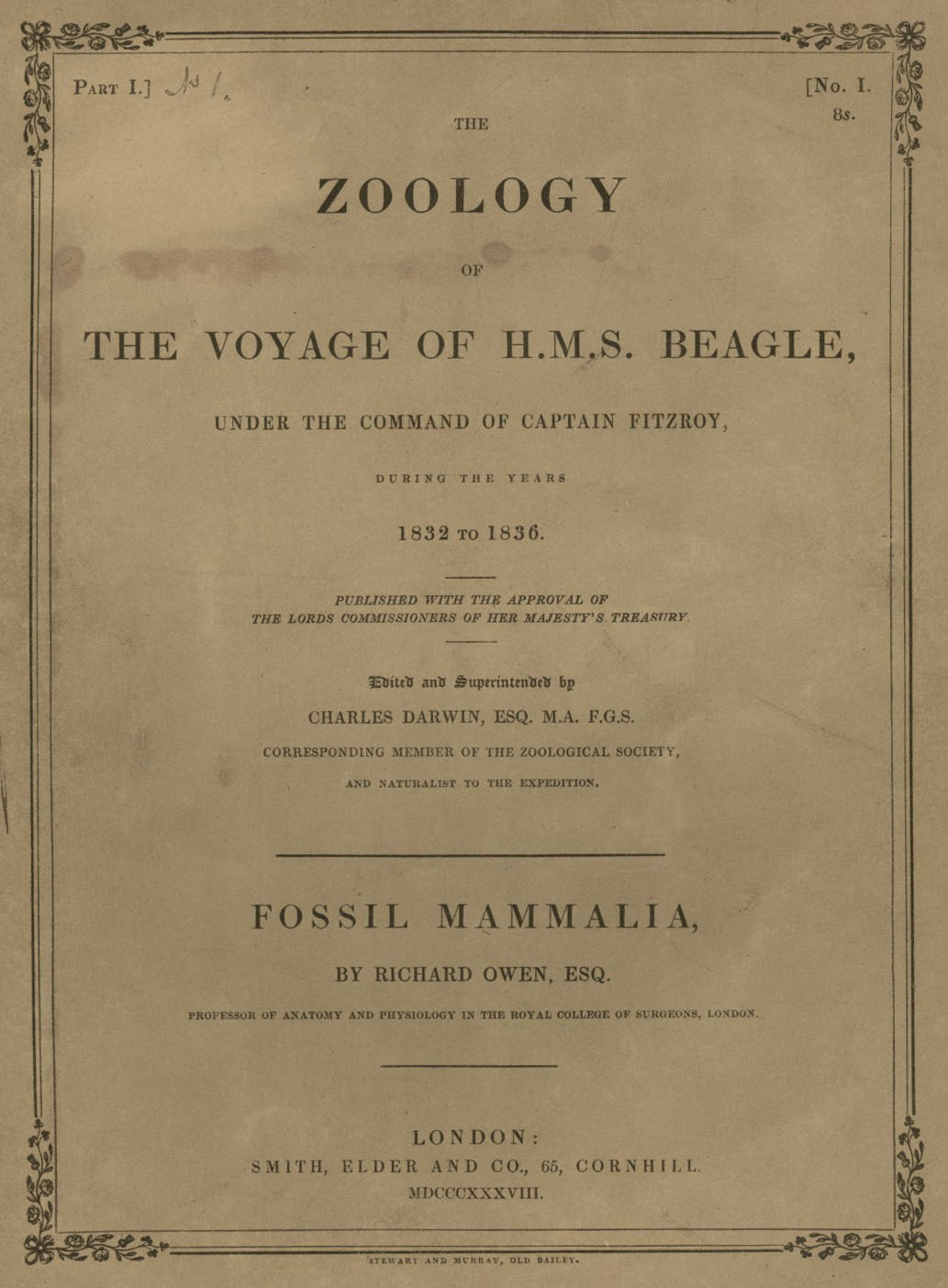
Zoology of the Voyage of H.M.S. Beagle
Charles Darwin (editor) · 1838–1843
A five-part scientific work edited by Darwin, publishing expert descriptions of the animal specimens he collected on the Beagle voyage.
Darwin edited this work and contributed notes, turning his own Beagle specimens into published scientific description.
About this source
What it is
This book was published in nineteen numbers between 1838 and 1843. Charles Darwin edited and oversaw the whole work, but the actual descriptions of the specimens were written by different experts: Richard Owen on fossil mammals, George Waterhouse on living mammals, John Gould on birds, Leonard Jenyns on fish, and Thomas Bell on reptiles. Darwin himself wrote introductions and added notes on the habits and ranges of the animals, often taken from his own field labels.
Why it matters
This work turned the specimens Darwin collected during the Beagle voyage into properly described scientific data, with the help of leading naturalists of the day. The bird volume by Gould included the Galápagos finches that later became iconic in discussions of evolution. It shows how Darwin worked as an organiser and collaborator, not only as a lone observer.
Look closer
- Why might Darwin have asked other experts to write the descriptions instead of doing it all himself?
- What does the shared authorship tell you about how science was done in the 1830s–40s?
- What might be missing from a work that mixes field notes with formal scientific description?
This book is part of the curated material that grounds the AI version of Charles Darwin on Humy.ai — when students ask about related events, the AI can quote it and cite it.
More Charles Darwin sources
Meet the AI Charles Darwin →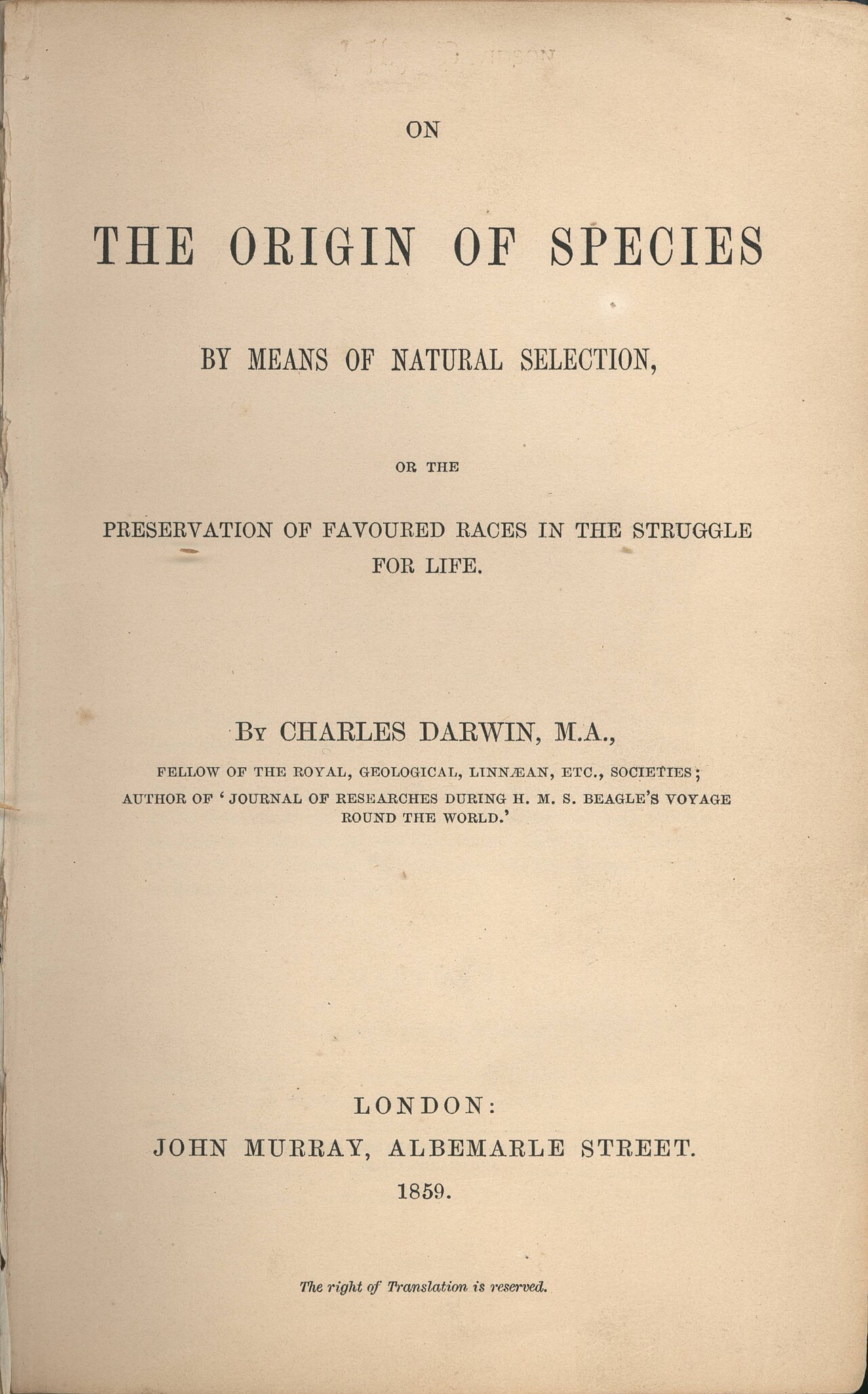 Book
Primary source
On the Origin of Species
Charles Darwin · 1859
 Diary entry
Primary source
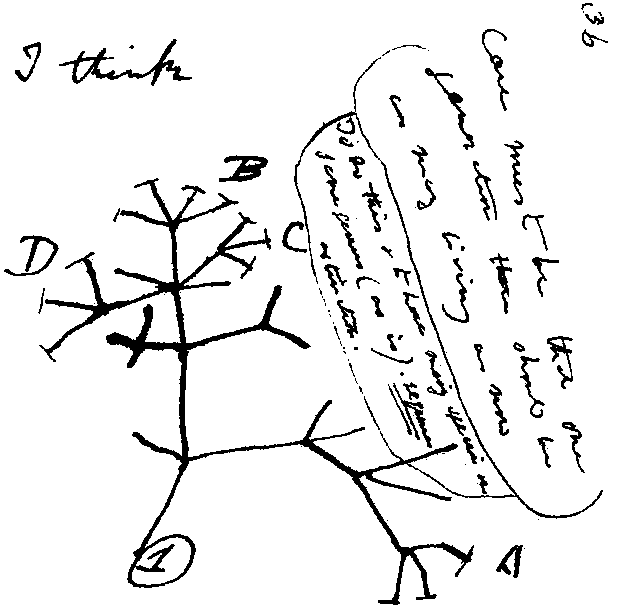
Notebook B 'I think' Tree of Life Sketch
Charles Darwin · c. July 1837
 Document
Primary source
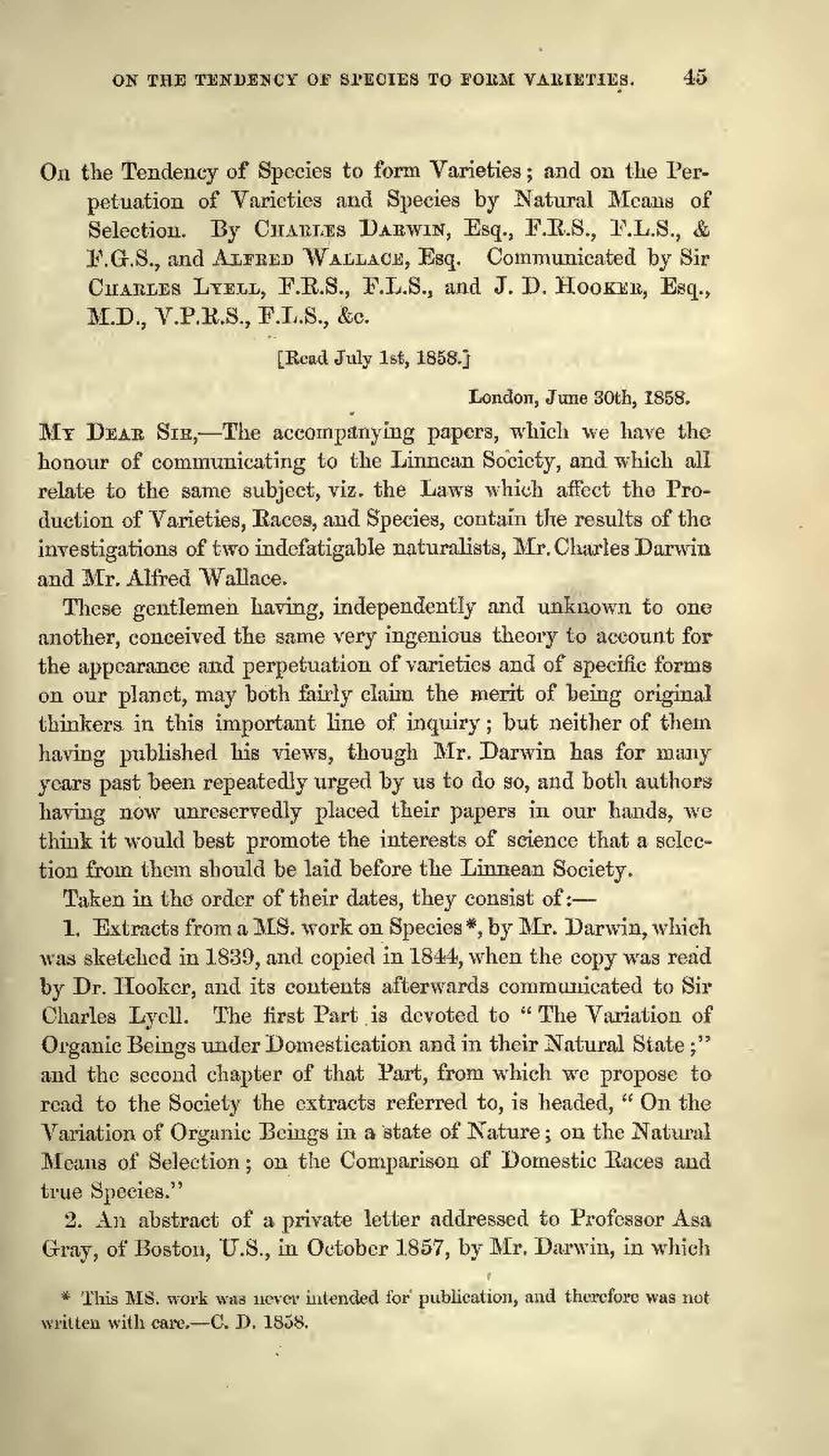
On the Tendency of Species to Form Varieties
Charles Darwin / Alfred Russel Wallace · 1858
 Photograph
Primary source
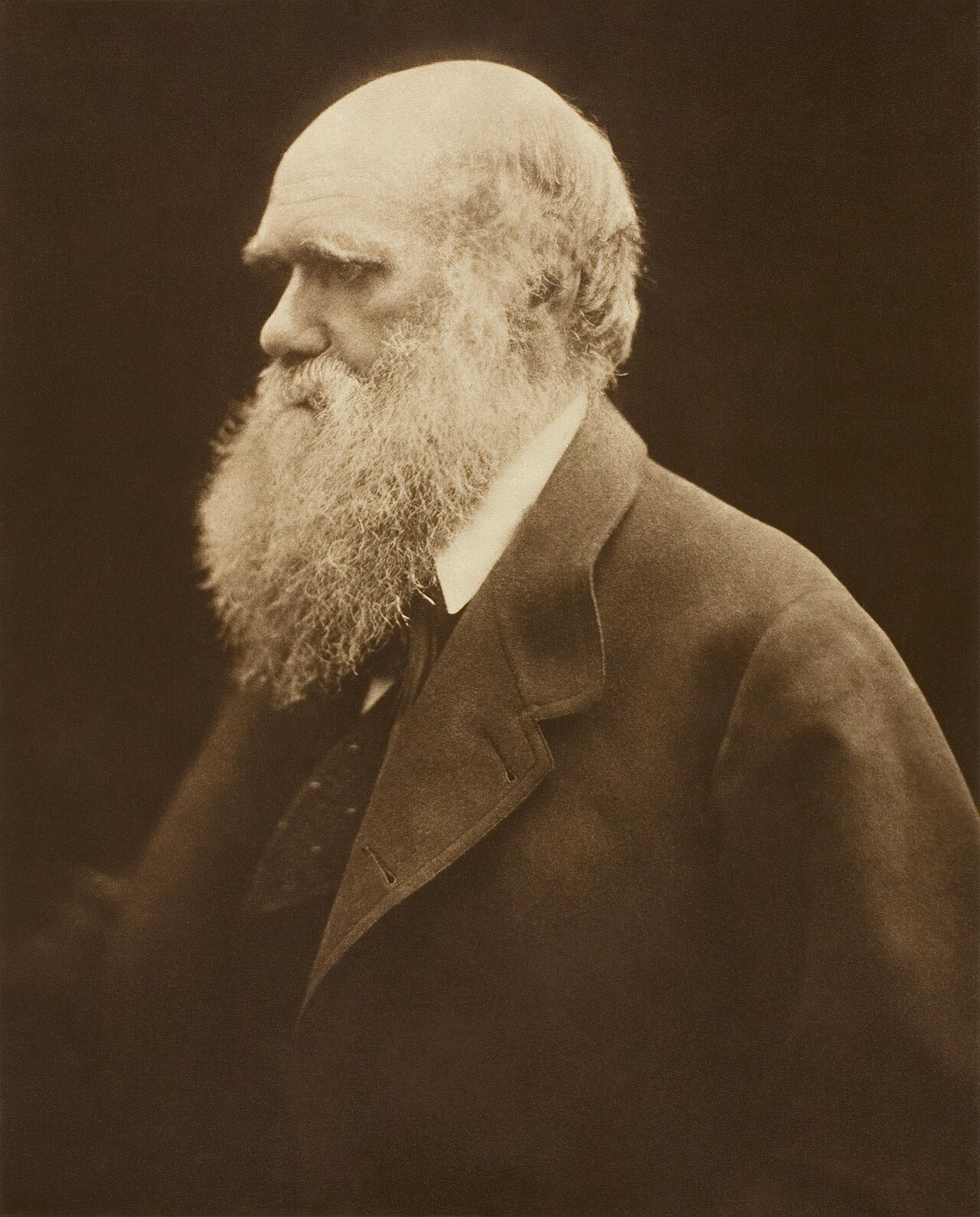
Charles Darwin by Julia Margaret Cameron
Julia Margaret Cameron · c. 1868
 Book
Primary source
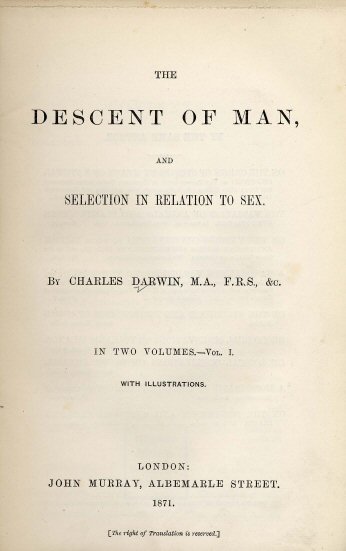
The Descent of Man, and Selection in Relation to Sex
Charles Darwin · 1871
Ready when you are
Start chatting with Charles Darwin now.
20 messages free · No credit card · Available in 50+ languages.