



Dr. Michael Calvert
Assistant Superintendent, South Allegheny School District, Pennsylvania
Been using Humy in his district since 2024
“We enjoyed the program last year and used it frequently.”
Interview assignment
A panel with Leonardo da Vinci, Helio The History Tutor, Antonio Gaudí and Pericles
A ready-made interview for Grade 7, shared by a teacher on Humy. Students question a panel of 4 AI figures in one live chat. Humy grades the conversation against the rubric below.
Free teacher account · 20 AI messages a month · No credit card
De la Roumanie à la Tunisie : que racontent les monuments de cinq pays ?
PreviewInteract responsibly with the AI and verify facts. Note that teachers have access to these conversations.
Who should answer?
Hello, I'm Leonardo da Vinci. With me today are Helio The History Tutor, Antonio Gaudí and Pericles. Ask any of us, or all of us.
Une photo de monument peut faire le tour du monde en quelques secondes. Mais que révèle-t-elle de l’époque, des habitants et des choix de ceux qui l’ont construit ? Voyage de la Roumanie à la Tunisie, en passant par la Grèce, la France et l’Espagne : observe, questionne et regarde au-delà des façades.
Autour de la même table : Léonard de Vinci, artiste et inventeur de la Renaissance, s’intéresse aux techniques et aux formes ; Helio, le guide de l’histoire, relie les monuments à leur contexte ; Antoni Gaudí, architecte de la Sagrada Família, défend une architecture inspirée de la nature ; Périclès, dirigeant athénien de l’Antiquité, explique ce qu’un édifice peut exprimer du pouvoir d’une cité. Leurs époques et leurs idées ne coïncident pas toujours !
Ta mission : découvrir ce que les monuments de ces cinq pays racontent de leurs sociétés, puis distinguer ce que le panel sait, suppose ou conteste.
Adresse chaque question à un personnage nommé, ou indique à qui tu souhaites la poser. Soumets ensuite la même question à plusieurs membres du panel : leurs réponses se ressemblent-elles ? Demande à l’un de réagir à l’affirmation d’un autre, puis approfondis les différences avec une question de suivi. Pour appuyer tes conclusions, demande des exemples précis et distingue les faits des interprétations.
Pour commencer cette conversation avec les quatre figures, clique sur le bouton « start assignment ». Termine en résumant leurs accords et leurs désaccords.
Students see this rubric before they start. Humy scores the conversation against it and writes feedback for each criterion.
Entretien avec Léonard de Vinci, Helio, Antoni Gaudí et Périclès · 7e année · 20 points
Seuls les messages de l’élève sont évalués. Les réponses du panel servent de contexte, jamais de preuve de réussite à elles seules.
Score final : additionne les points obtenus pour les cinq critères, sur un maximum de 20 points. Une soumission vide reçoit 0 point.
Students talk to all of these figures together, in one chat, and choose who answers each time. Each is an AI version grounded in a curated biography and selected historical sources. As with any AI, students should check important claims.

Renaissance polymath – painter, sculptor, architect, scientist, and engineer.

Time-traveling guide to the past

Renowned Catalan architect known for his distinctive and highly imaginative style, best exemplified in the Sagrada Família in Barcelona.

Ancient Athenian statesman and general.
In your classroom
Create a free teacher account, open this assignment and choose Copy to my assignments to make it yours.
Students open it and type their first name and last initial. No email, no password.
Each chat is scored against the rubric, with feedback for each criterion. You see every result.
Signed up but don't see it? Open Assignments → Community library.
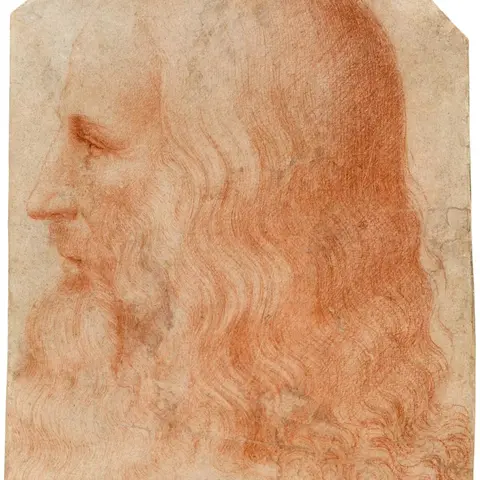
World History, Philosophy, History
with Leonardo da Vinci
Geography
with Abraham Lincoln and 2 more
with Harriet Tubman and 3 more
Paying customers



























Dr. Michael Calvert
Assistant Superintendent, South Allegheny School District, Pennsylvania
Been using Humy in his district since 2024
“We enjoyed the program last year and used it frequently.”

Jacob Chisom
World and American History, Monticello High School, Arkansas
Been using Humy in his classroom since 2024
“My students say it’s a welcome change of pace. I’m not a fan of the “sage on the stage” model, so I try to incorporate research-oriented and self-paced activities. With Humy, students have to take charge of their learning. They’ve become more adept at critical thinking, forming better questions, and improving their reading comprehension. The interview feature has been my go-to tool. I create assignments where students must ask historical figures a set number of questions, then summarize the responses to ensure they’re truly absorbing the material. This approach lets them actively explore the past rather than passively consuming information.”
Roger Campbell
7th-grade World History, Lancaster County, Pennsylvania
Been using Humy in his classroom since 2024
“Humy has helped me bring historical figures, sometimes long past, to life. When my students interact with these figures in real-time, it eliminates some of the perceived “ancient” characteristics of my curriculum. This has shifted my students’ thinking away from viewing history as abstract or irrelevant. Real-time interactions make historical figures relatable, even allowing students to ask off-topic questions that help put historical lives in a more relevant context for 13-year-olds. The feature I use the most is the interview feature. After teaching a topic, most recently Gandhi and Joan of Arc, I have the students ask pointed, focused questions. We practice good conversation techniques beforehand, teaching them to listen (or read) carefully and formulate thoughtful follow-up questions rather than just interrogating. It helps students practice effective conversation skills.”
Dr. Michael Calvert
Assistant Superintendent, South Allegheny School District, Pennsylvania
Been using Humy in his district since 2024
“We enjoyed the program last year and used it frequently.”
Jacob Chisom
World and American History, Monticello High School, Arkansas
Been using Humy in his classroom since 2024
“My students say it’s a welcome change of pace. I’m not a fan of the “sage on the stage” model, so I try to incorporate research-oriented and self-paced activities. With Humy, students have to take charge of their learning. They’ve become more adept at critical thinking, forming better questions, and improving their reading comprehension. The interview feature has been my go-to tool. I create assignments where students must ask historical figures a set number of questions, then summarize the responses to ensure they’re truly absorbing the material. This approach lets them actively explore the past rather than passively consuming information.”
Roger Campbell
7th-grade World History, Lancaster County, Pennsylvania
Been using Humy in his classroom since 2024
“Humy has helped me bring historical figures, sometimes long past, to life. When my students interact with these figures in real-time, it eliminates some of the perceived “ancient” characteristics of my curriculum. This has shifted my students’ thinking away from viewing history as abstract or irrelevant. Real-time interactions make historical figures relatable, even allowing students to ask off-topic questions that help put historical lives in a more relevant context for 13-year-olds. The feature I use the most is the interview feature. After teaching a topic, most recently Gandhi and Joan of Arc, I have the students ask pointed, focused questions. We practice good conversation techniques beforehand, teaching them to listen (or read) carefully and formulate thoughtful follow-up questions rather than just interrogating. It helps students practice effective conversation skills.”
FAQ
Ready when you are
Free teacher account · 20 AI messages a month · No credit card.