


Primary sourceDocument1868
14th Amendment to the U.S. Constitution: Civil Rights
United States Congress · 1868
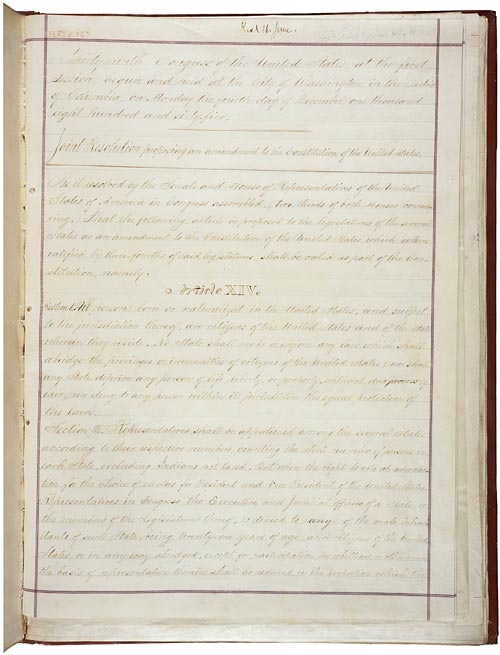
The 1868 constitutional amendment granting citizenship to formerly enslaved people, defining the legal status Tubman spent decades seeking recognition under.
This amendment defined the citizenship of freedpeople like Tubman, who spent decades seeking federal recognition for her wartime service.
About this source
What it is
This is the House Joint Resolution proposing the 14th Amendment to the U.S. Constitution, submitted to the states in 1866 and ratified in 1868. It is held by the U.S. National Archives. The amendment granted citizenship to all persons born or naturalized in the United States and guaranteed due process and equal protection under the law.
Why it matters
Congressman John A. Bingham was the primary author of its first section. The amendment was meant to secure the rights of newly freed Black Americans after the Civil War, though it took decades of further struggle, by both Black and white citizens, to make its promises real. Harriet Tubman, herself formerly enslaved, spent many years after the war seeking federal recognition and a pension for her wartime service — a struggle shaped by exactly the uncertain citizenship rights this amendment was meant to settle.
Look closer
- Why would citizenship need to be written into the Constitution rather than assumed?
- What does it mean that the amendment's promises were not fully honored for many years?
This document is part of the curated material that grounds the AI version of Harriet Tubman, Frederick Douglass, Sojourner Truth, Elizabeth Cady Stanton, Susan B. Anthony, James A. Garfield, Rutherford B. Hayes and Andrew Johnson on Humy.ai — when students ask about related events, the AI can quote it and cite it.
More Harriet Tubman sources
Meet the AI Harriet Tubman →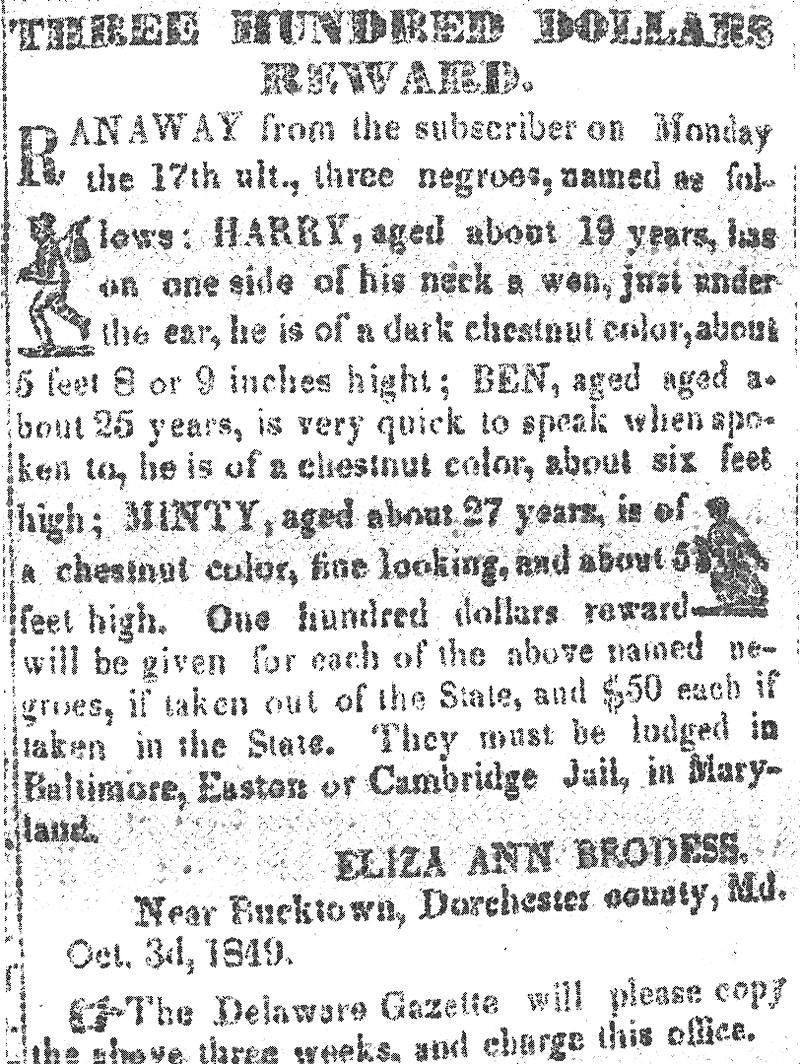 Newspaper article
Primary source
Three Hundred Dollars Reward Notice
Eliza Ann Brodess · 3 October 1849
 Photograph
Primary source
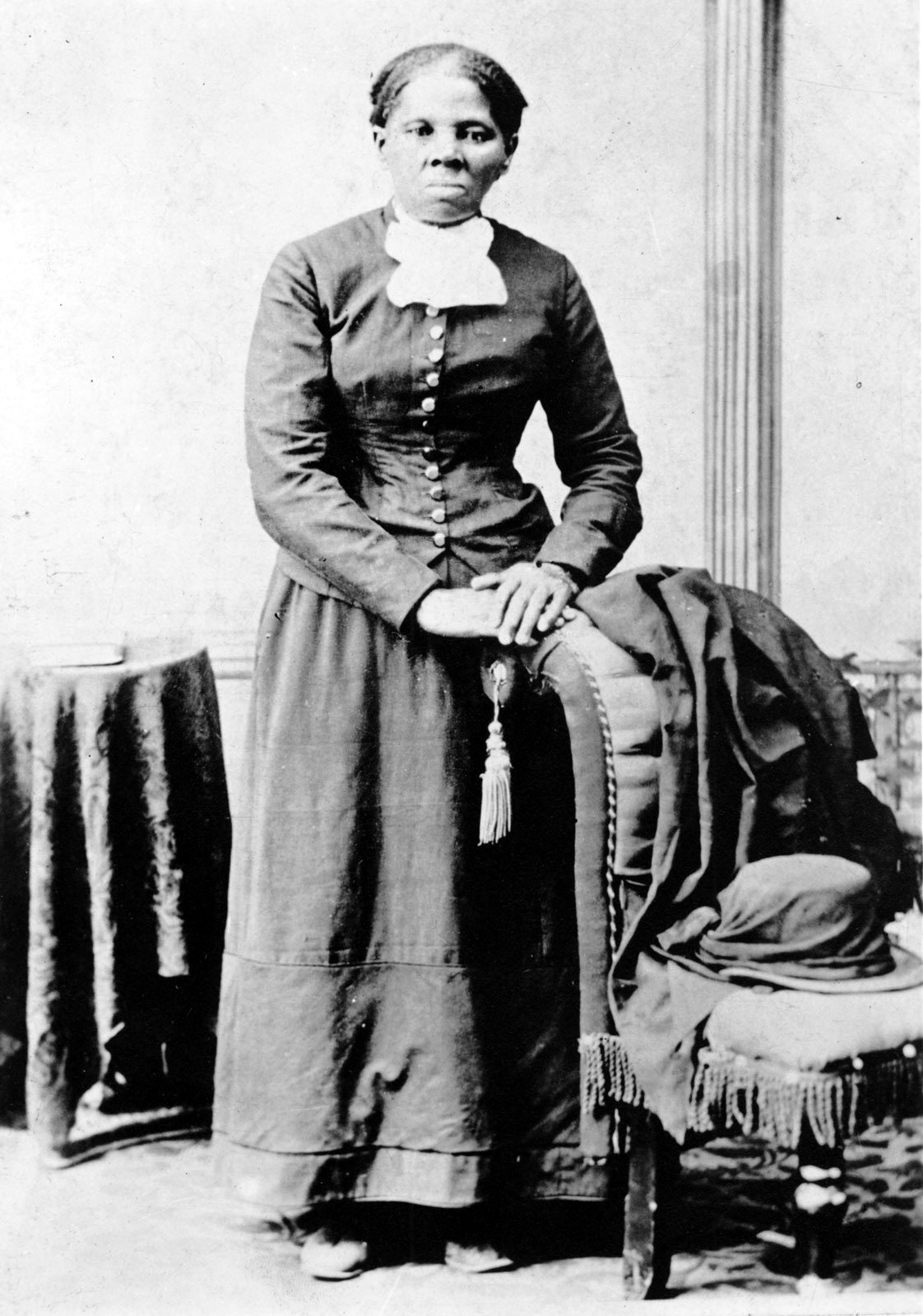
Harriet Tubman
Harvey B. Lindsley · c. 1871-1876
 Book
Secondary source
Harriet, the Moses of Her People
Sarah Bradford · 1886
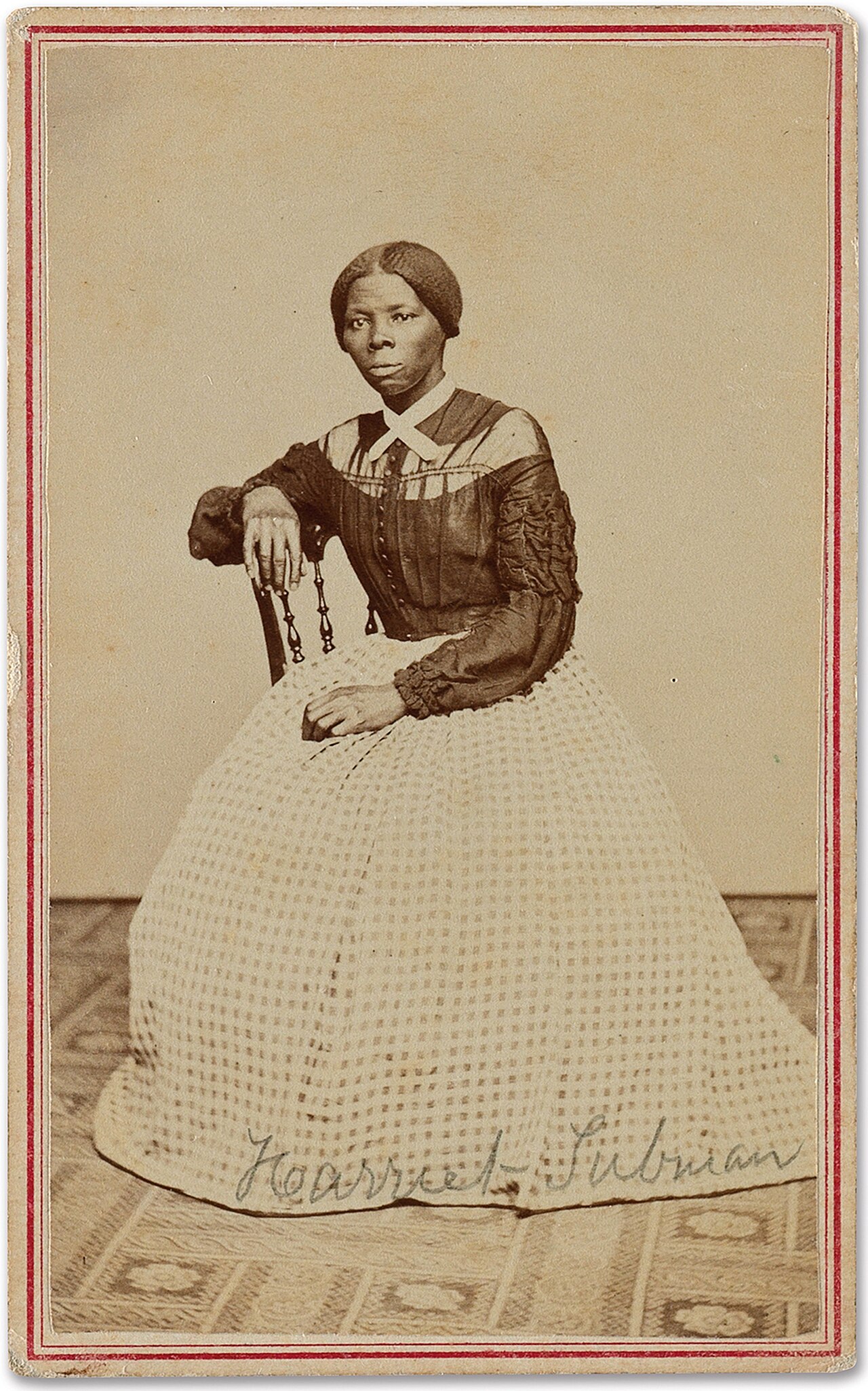 Photograph
Primary source
Carte-de-visite Portrait of Harriet Tubman
Benjamin Powelson · c. 1868-1869
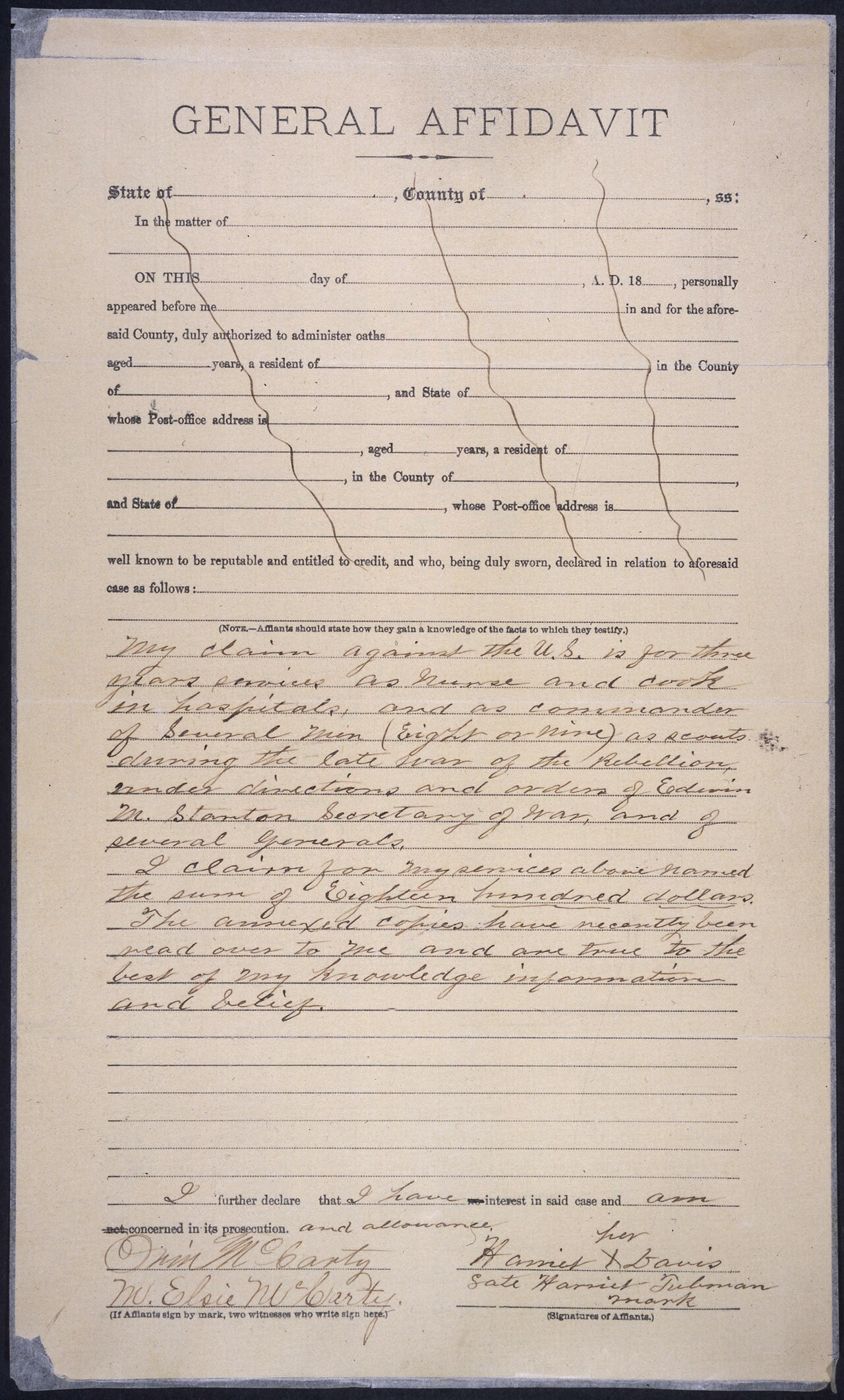 Document
Primary source
General Affidavit of Harriet Tubman
Harriet Tubman · 1898
Ready when you are
Start chatting with Harriet Tubman now.
20 messages free · No credit card · Available in 50+ languages.