


Primary sourceBookJanuary 1904
A Case of Automatic Drawing
William James · January 1904
A January 1904 Popular Science Monthly article in which James studies automatic movements, including a case of drawing produced without deliberate intention.
James wrote this article himself, which shows his interest in automatic action and the unexplained side of the mind.
About this source
What it is
This is an article by Professor William James of Harvard University, published in the January 1904 issue of Popular Science Monthly. It begins by describing automatisms, which psychologists were studying at the time. James explains that the basic form of motor automatism is the tendency of muscles to act out a thought without deliberate intention. He gives examples, including swinging a ring on a thread so that it strikes the number of times one is thinking of, and the willing game, in which a blindfolded player is guided by pressure from the hands of others. The article then discusses a case of automatic drawing.
Why it matters
The article reflects James's interest in unconscious action and the unexplained side of the mind, which connects his laboratory psychology with his psychical research. It shows how popular and scientific writers of the period tried to classify strange mental phenomena into familiar types. It also shows the broader public curiosity about hidden mental forces around 1900.
Look closer
- What examples does James use to explain how muscles can act without deliberate intention?
- Why does James say that the causes of automatisms are still not explained?
- How might the people in these examples have experienced the actions, and what does the article not tell us about them?
This book is part of the curated material that grounds the AI version of William James on Humy.ai — when students ask about related events, the AI can quote it and cite it.
More William James sources
Meet the AI William James →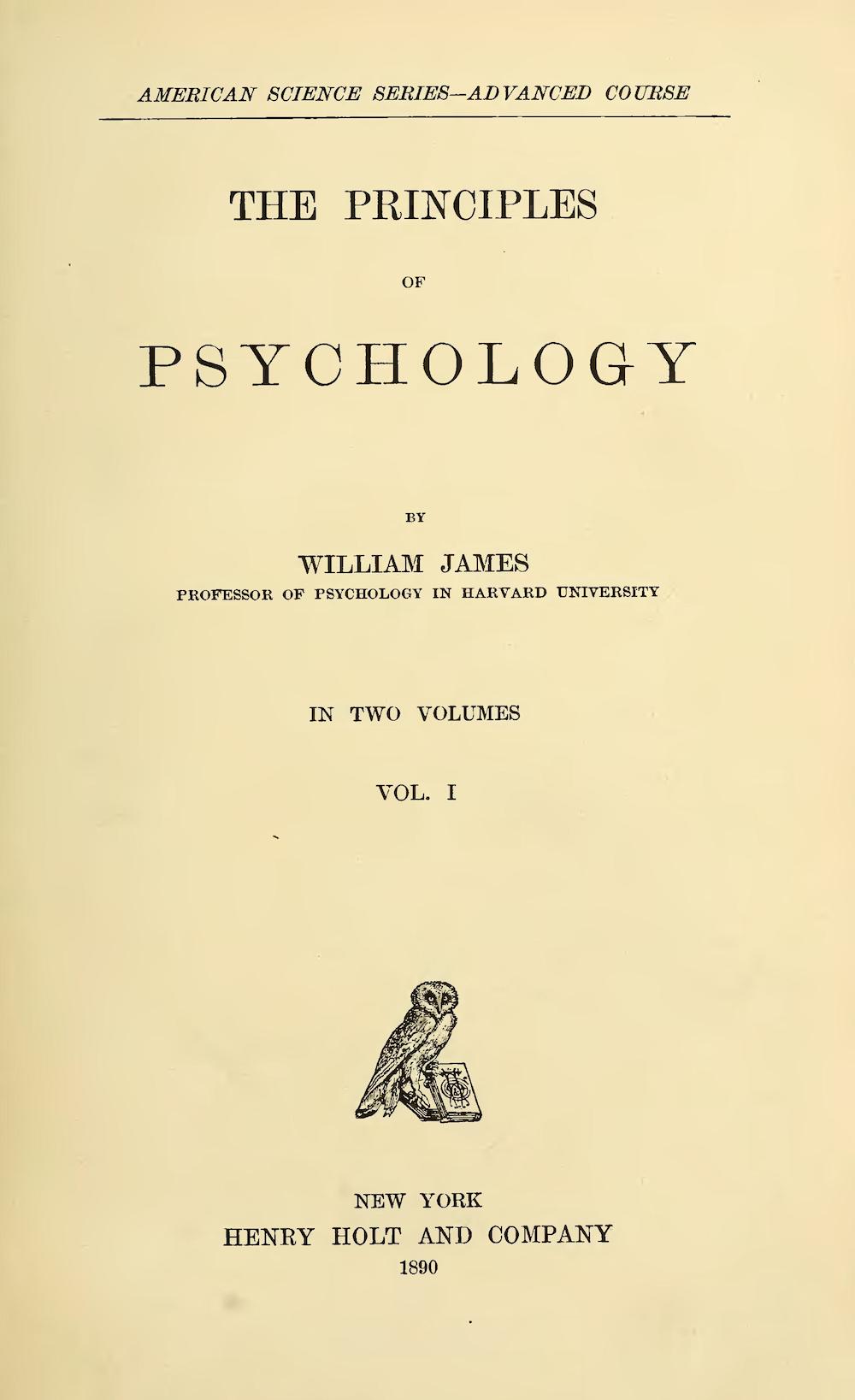 Book
Primary source
The Principles of Psychology
William James · 1890
 Book
Primary source
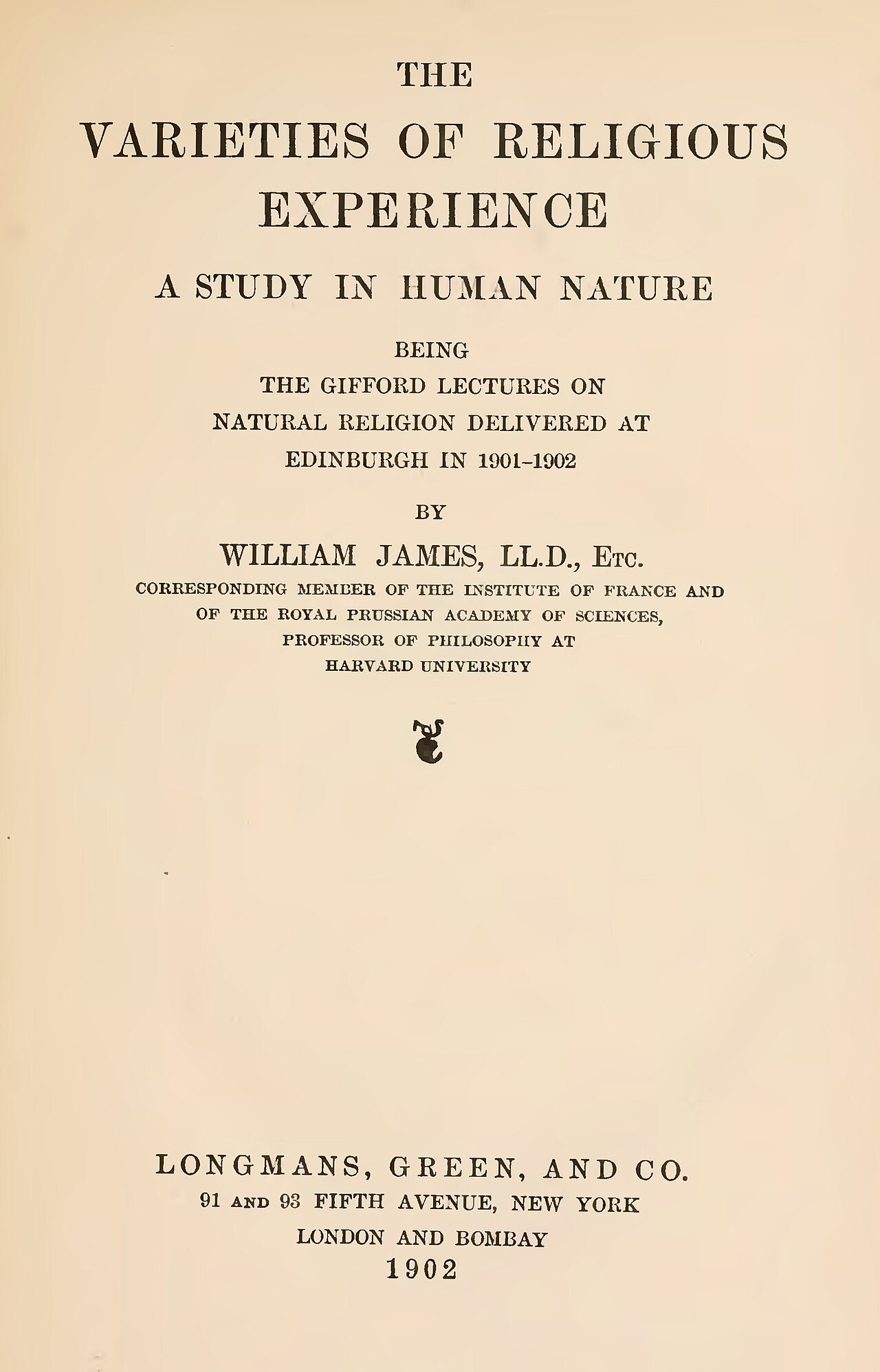
The Varieties of Religious Experience
William James · 1901-1902
Primary source
Pragmatism: A New Name for Some Old Ways of Thinking
William James · 1907
Primary source
The Will to Believe
William James · 1896
 Painting
Primary source
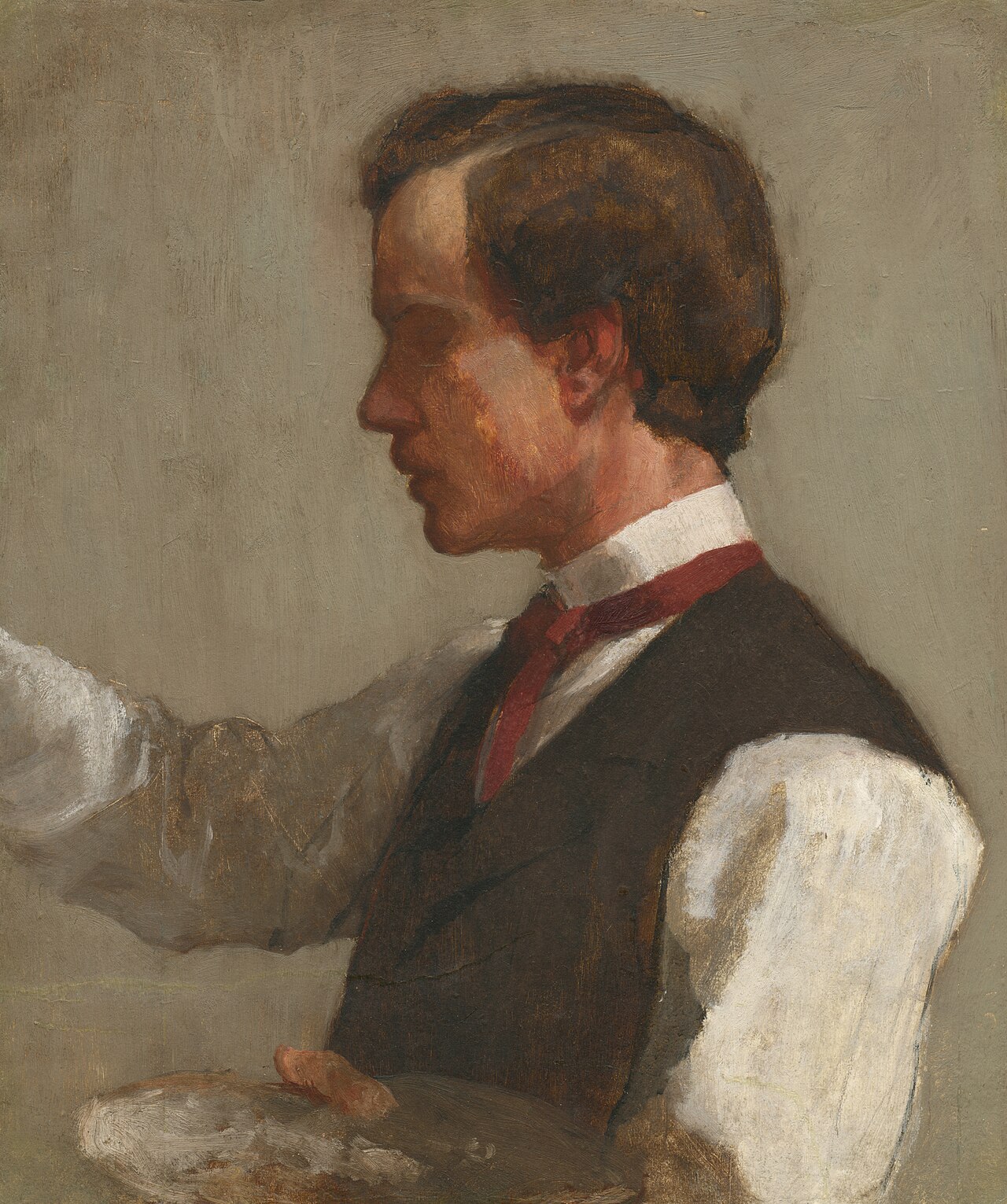
William James
John La Farge · 1859
Ready when you are
Start chatting with William James now.
20 messages free · No credit card · Available in 50+ languages.