


Primary sourceBook1769
A History and Defence of Magna Charta
Samuel Johnson · 1769
Samuel Johnson's 1769 political pamphlet defending Magna Carta, the English charter of 1215. It presents his views on English law and liberty in his own words.
This 18th-century text defends and explains the significance of Magna Carta, which King John agreed to in 1215.
About this source
What it is
This is a political pamphlet written by Samuel Johnson and published in 1769. It opens with an introductory discourse on the early laws and government of England, including the idea that the early inhabitants of Britain chose their leaders in national meetings. The text is preserved as a readable edition on Wikisource.
Why it matters
Magna Carta, sealed in 1215, is one of the most cited documents in English legal history. Johnson wrote about it at a time when debates over liberty and Parliament were central in Britain and its American colonies. The pamphlet shows how a major writer of the period understood the history of English rights and used that history to argue his political case.
Look closer
- How does Johnson describe the earliest English communities, and what does that description suggest about the political values he admires?
- Why might a writer in 1769 choose to defend an document from the thirteenth century rather than argue for new rights?
- What might this pamphlet leave out, given that it was written by one author with clear political views?
This book is part of the curated material that grounds the AI version of Magna Carta on Humy.ai — when students ask about related events, the AI can quote it and cite it.
More Magna Carta sources
Meet the AI Magna Carta →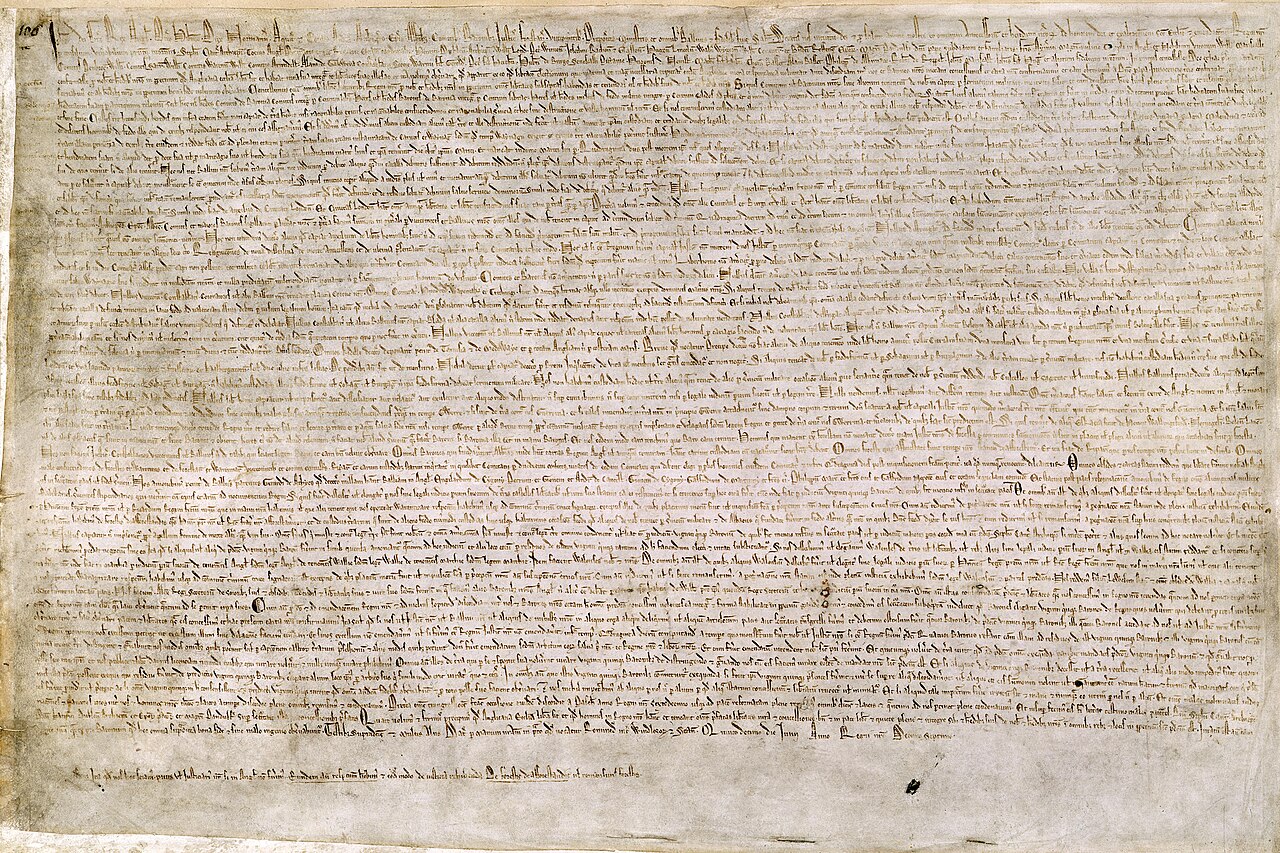 Document
Primary source
Magna Carta (1215 Exemplification)
1215
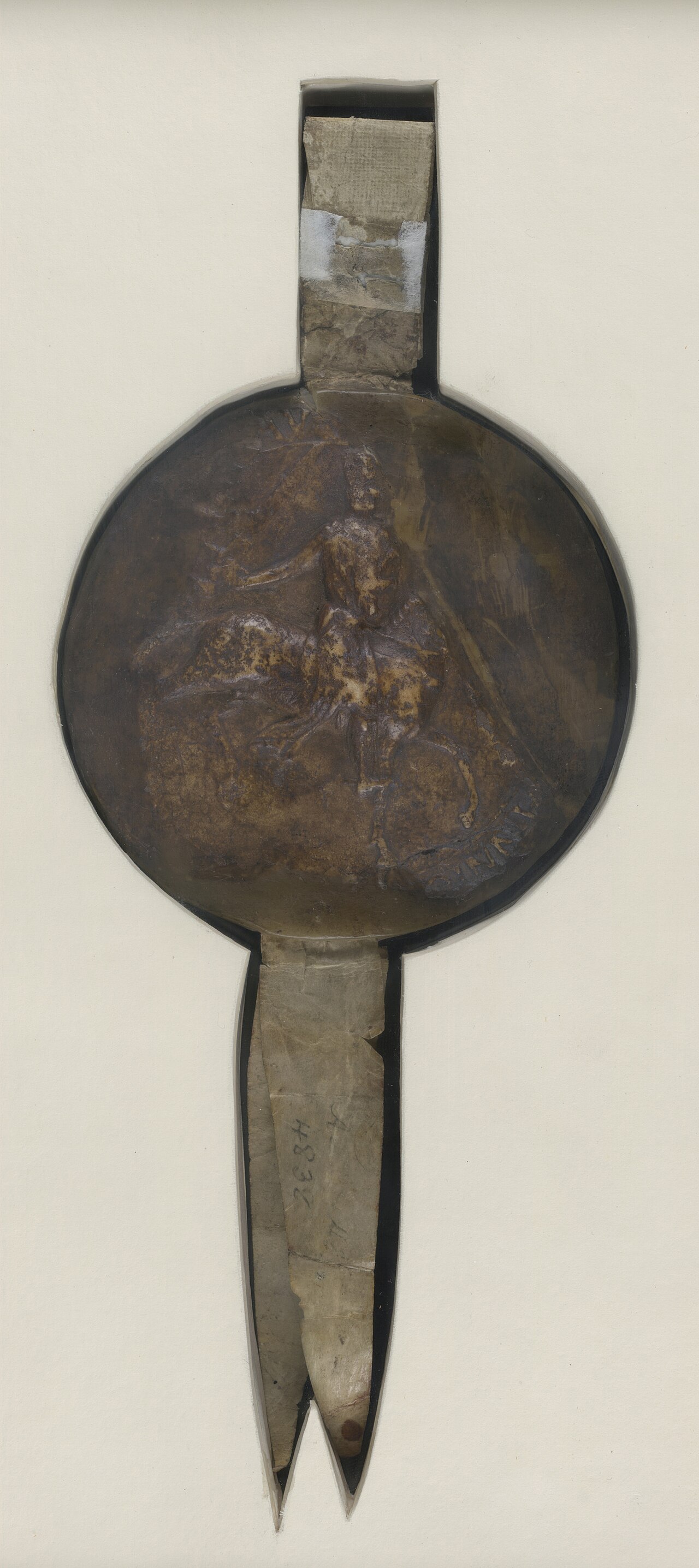 Document
Primary source
Articles of the Barons
1215
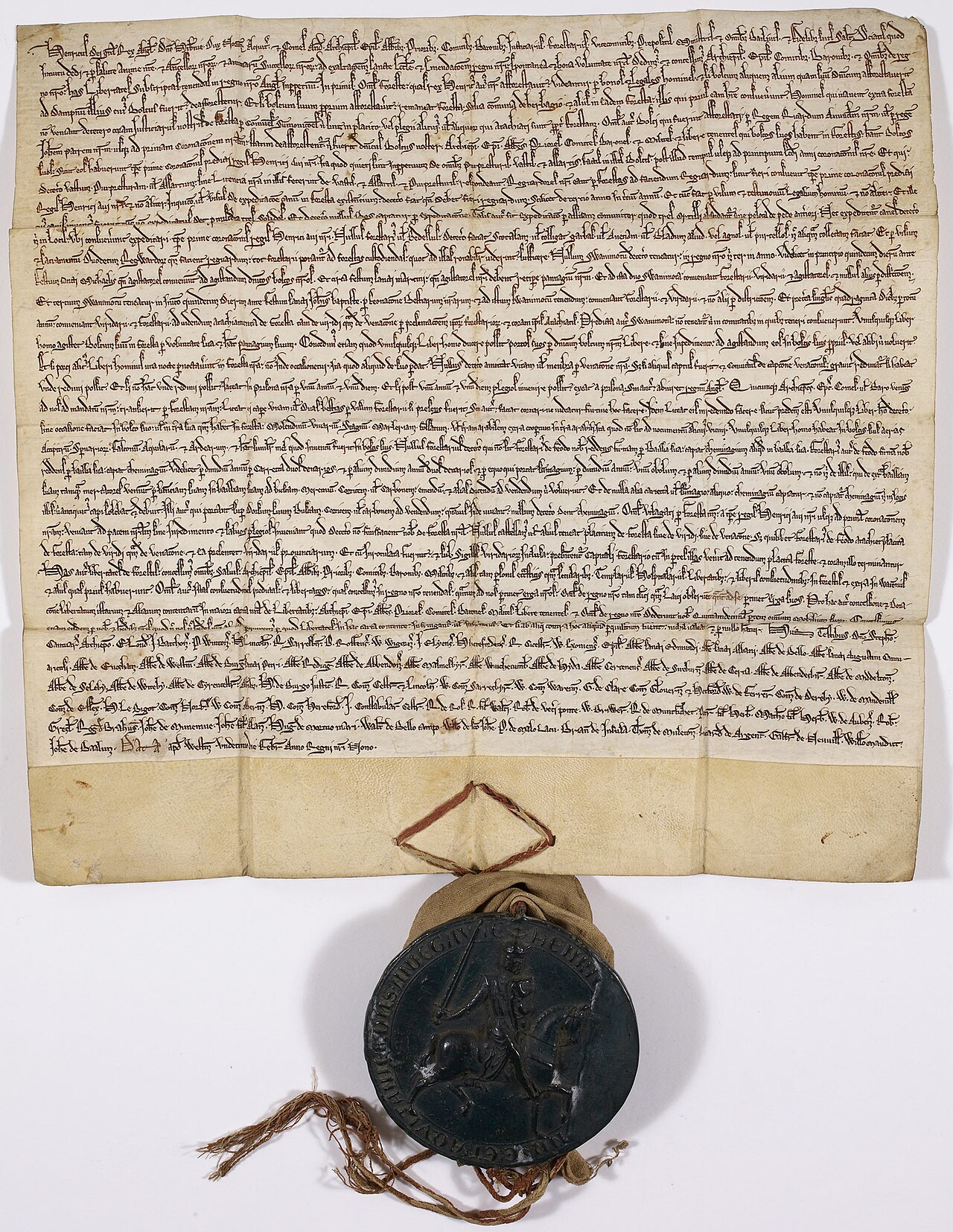 Document
Primary source
Charter of the Forest
1217
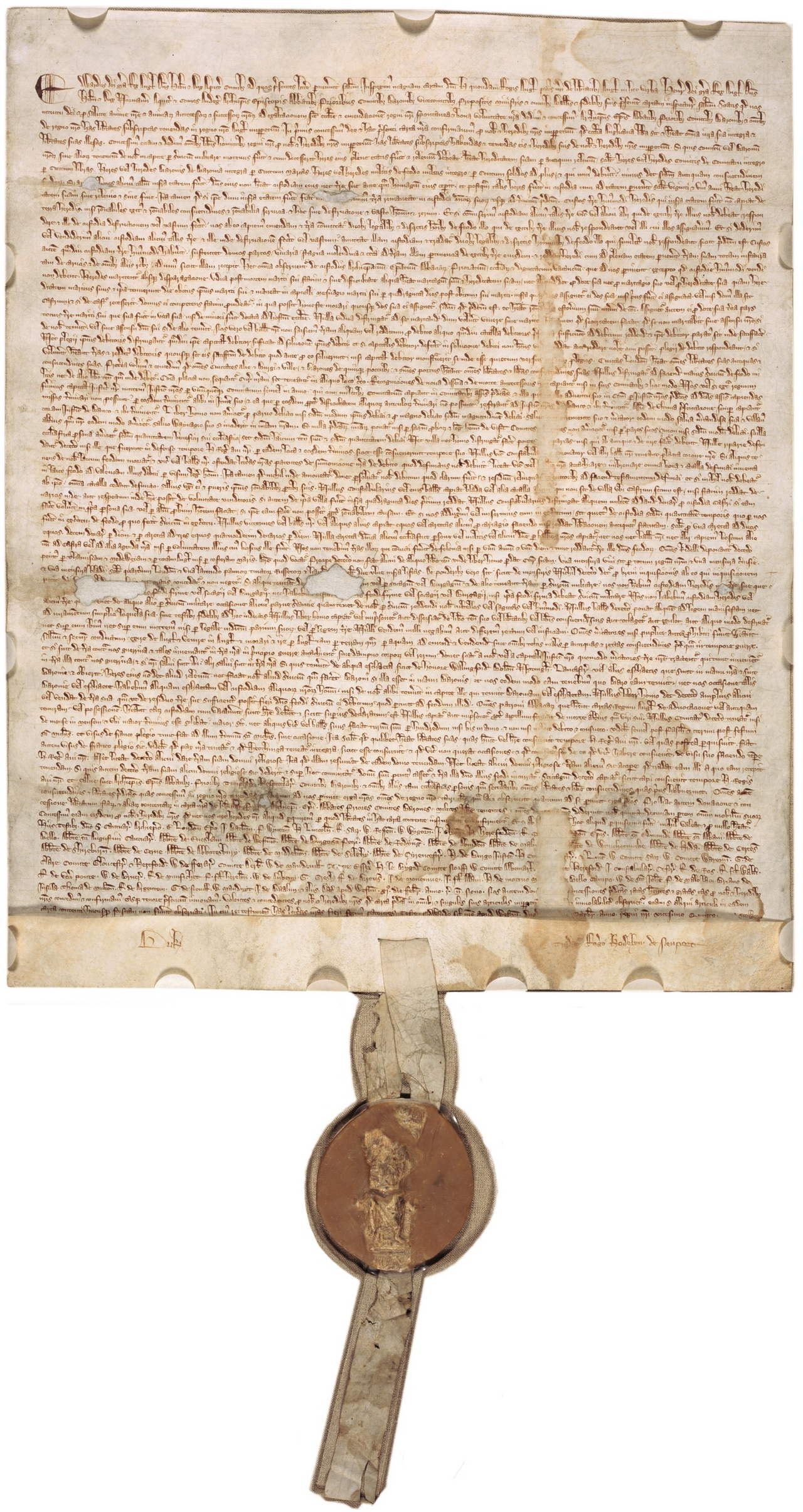 Document
Primary source
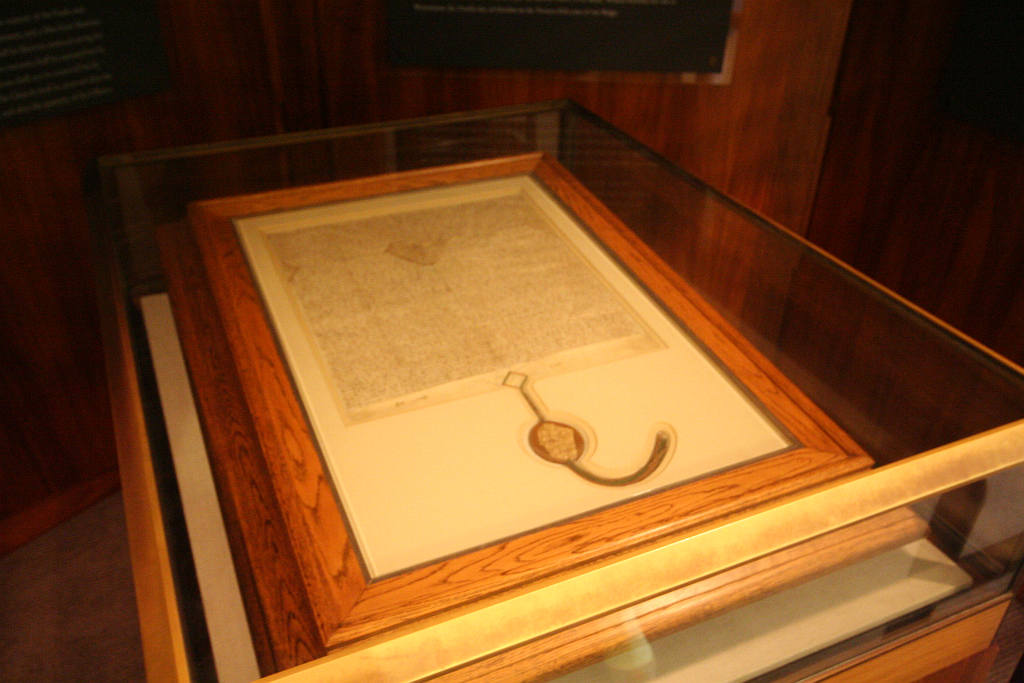
Magna Carta 1297 (National Archives, Washington)
Edward I of England · 1297
 Document
Primary source
Magna Carta 1297 (Parliament House, Canberra)
Edward I of England · 1297
Ready when you are
Start chatting with Magna Carta now.
20 messages free · No credit card · Available in 50+ languages.