


Secondary sourcePainting1784
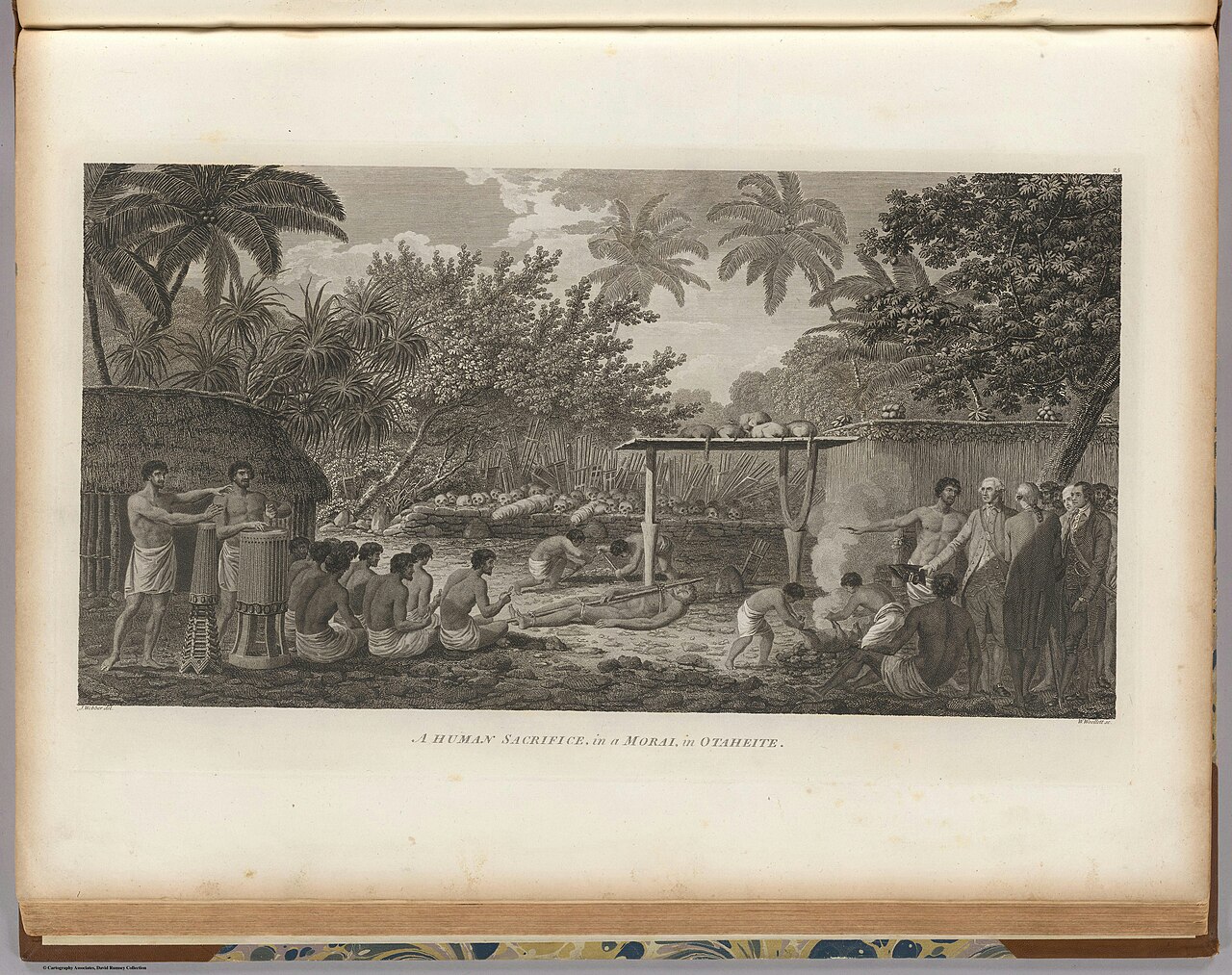
A Human Sacrifice at Otaheite
William Woollett after John Webber · 1784
An engraved print showing Cook attending a Tahitian ceremony in 1777 that included a human sacrifice, witnessed at his request.
Depicts Cook observing a Tahitian ceremony, showing his ethnographic interest in Pacific customs.
About this source
What it is
This engraving, titled 'A Human Sacrifice, in a Morai, in Otaheite,' was made by William Woollett after a drawing by John Webber, the artist who travelled with Cook. It was printed in 1784 and copies are held by the National Library of Australia and the British Museum.
Why it matters
The scene shows Cook observing a multi-day Tahitian ritual that included a human sacrifice. It reflects Cook's curiosity about Pacific peoples' customs and religion, but also shows how Europeans recorded and framed these rituals for audiences back home, often shaping how such cultures were later viewed.
Look closer
- Who is shown watching the ceremony, and how are they dressed differently from the Tahitian figures?
- Why might Webber and Woollett have chosen to depict this particular event rather than others from the voyage?
- What does the image leave out about Tahitian beliefs and the meaning of the ritual to the people performing it?
This painting is part of the curated material that grounds the AI version of James Cook on Humy.ai — when students ask about related events, the AI can quote it and cite it.
More James Cook sources
Meet the AI James Cook →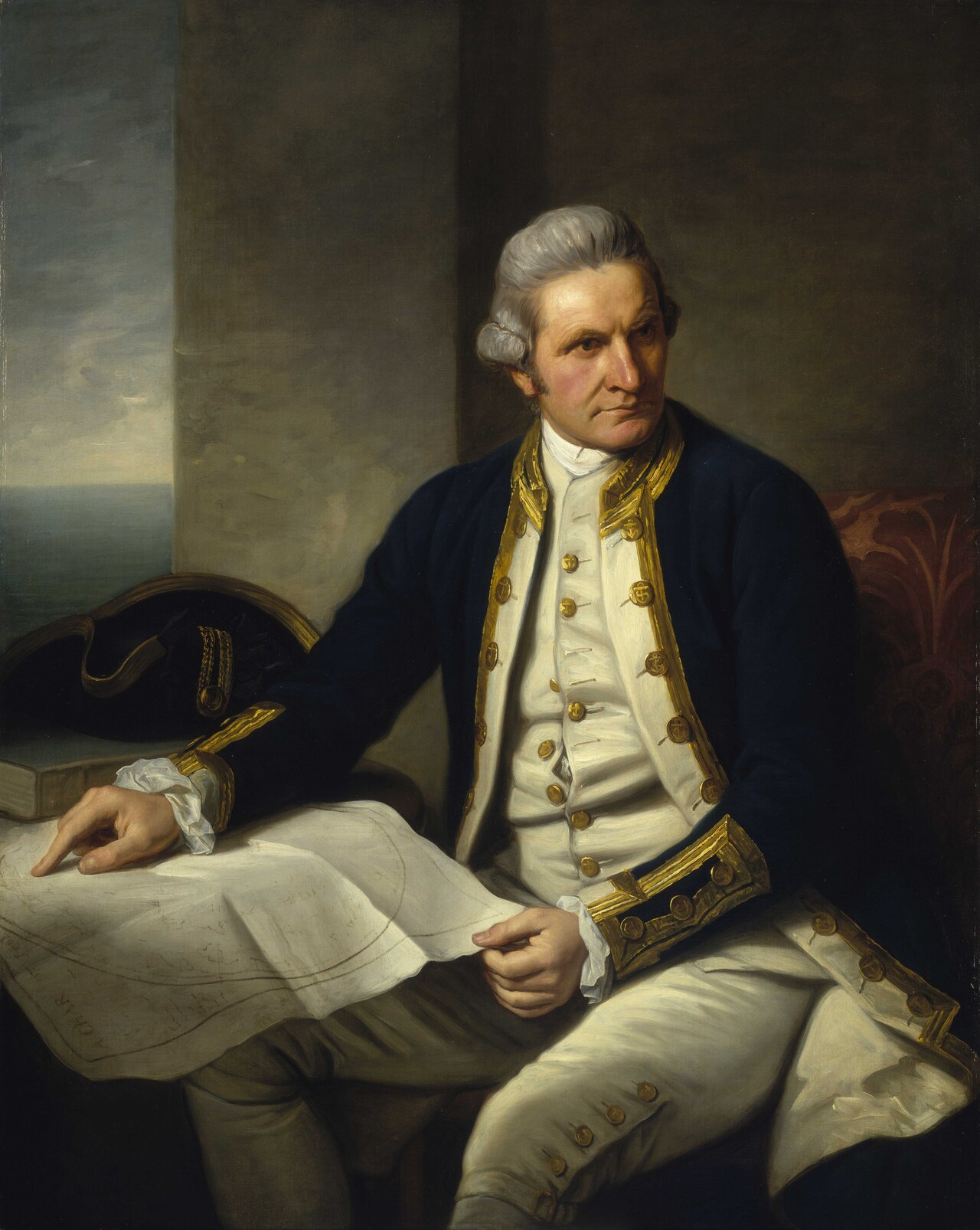 Painting
Primary source
Captain James Cook, 1728-79
Nathaniel Dance-Holland · c. 1775-1776
 Painting
Secondary source
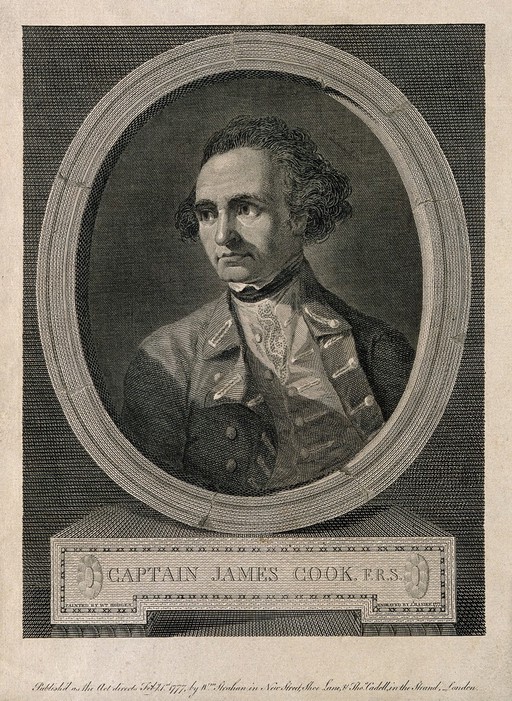
James Cook, line engraving by Basire after Hodges
William Hodges · 1777
 Document
Primary source
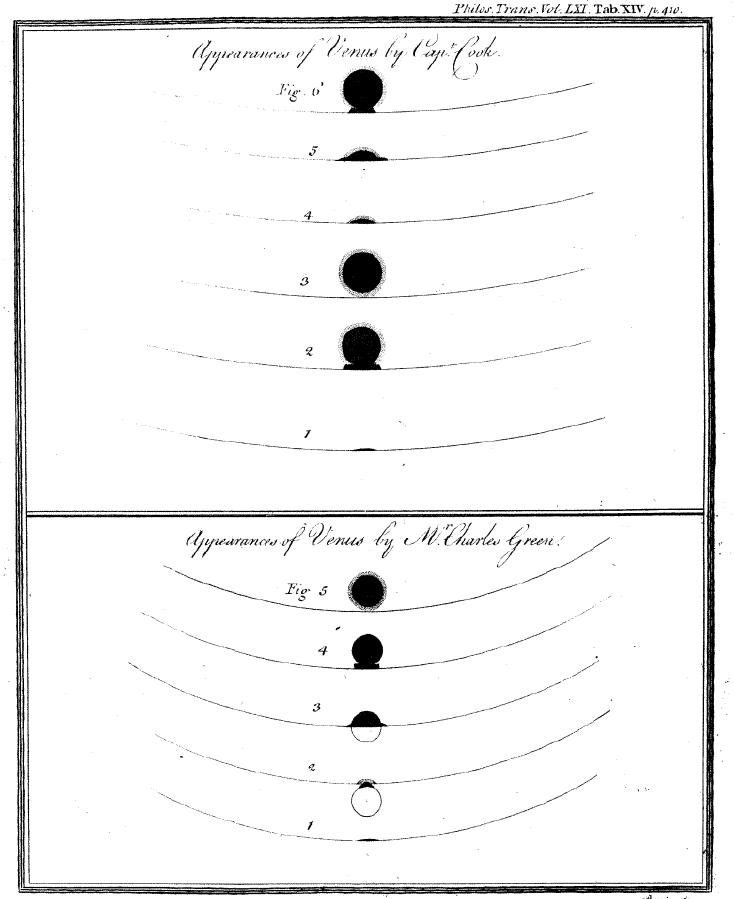
Sketchings of the 1769 Venus Transit
James Cook and Charles Green · 1769
 Painting
Primary source
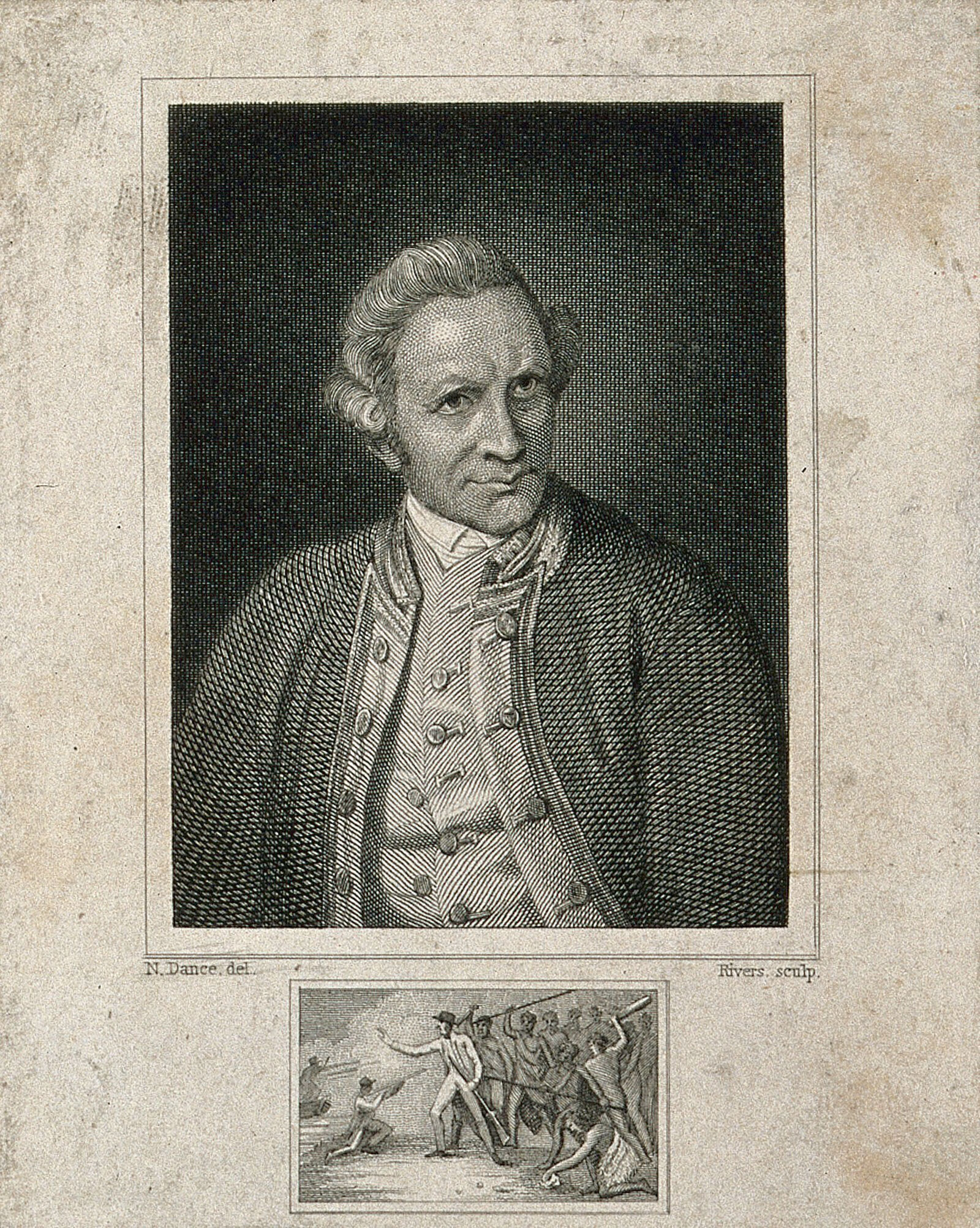
James Cook, engraving by Rivers after Dance-Holland
Nathaniel Dance-Holland · 1776
 Document
Primary source
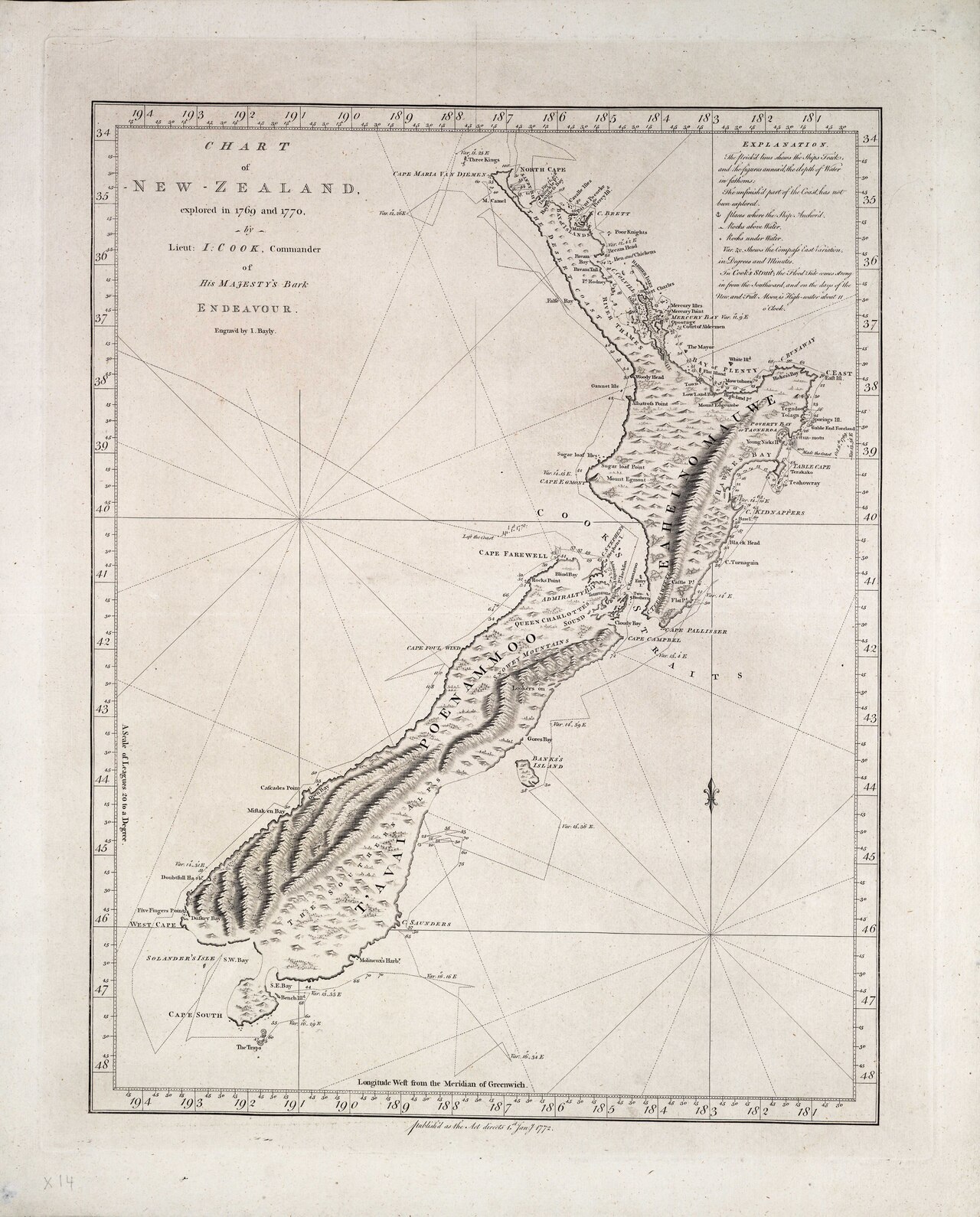
Chart of New Zealand, explored in 1769 and 1770
James Cook · 1770
Ready when you are
Start chatting with James Cook now.
20 messages free · No credit card · Available in 50+ languages.