


Secondary sourceArtifact
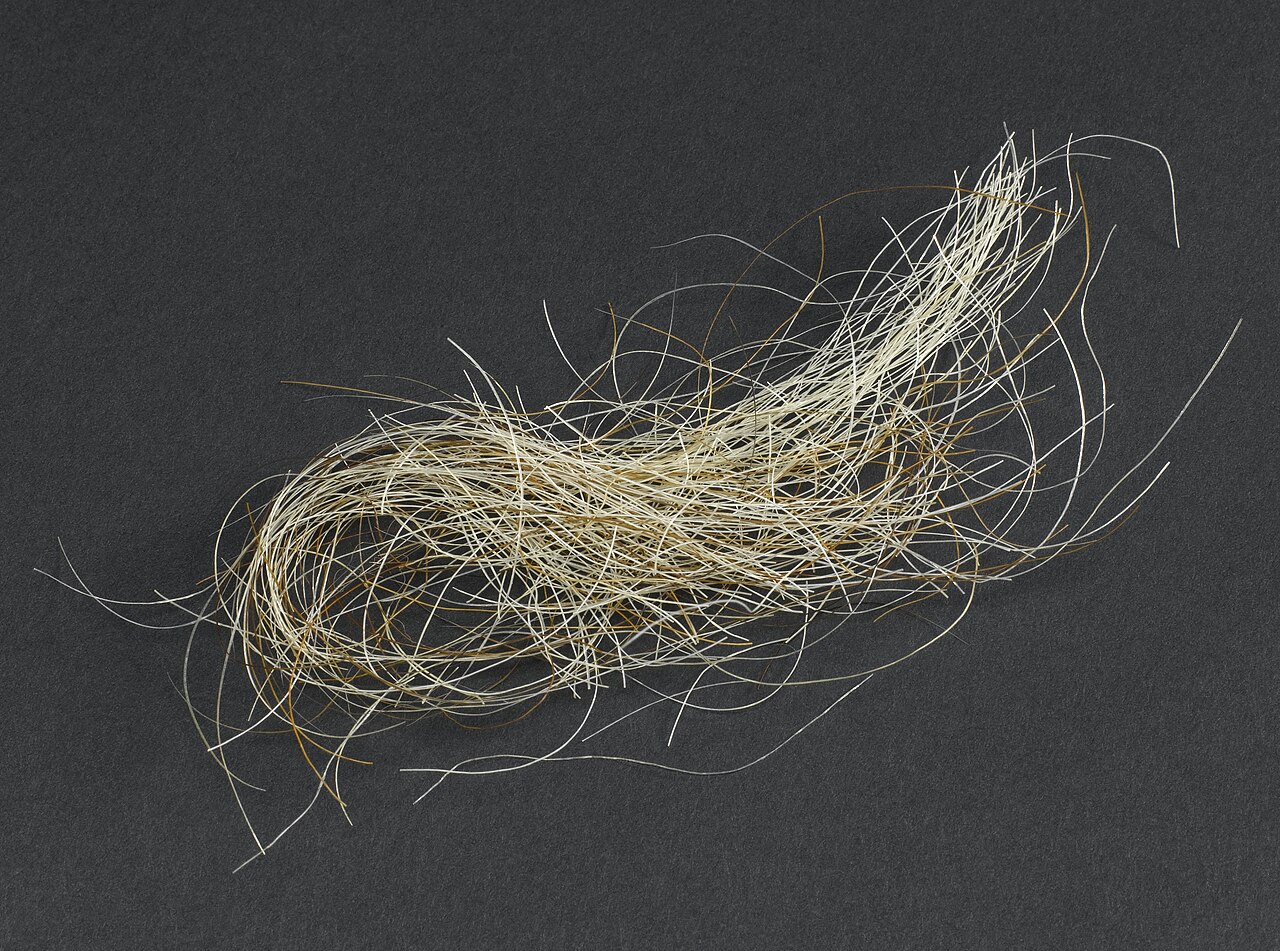
A lock of hair, reputedly from King George III
A lock of hair said to be from George III, bought at auction in 1927 by Henry Wellcome and later tested for arsenic.
This hair, reputedly George III's own, has been scientifically tested in debates over the cause of his illness.
About this source
What it is
This lock of hair, said to belong to King George III, was purchased at auction in 1927 by the collector Henry Wellcome, together with a paper documenting its origin. It is held in a medical photographic collection.
Why it matters
George III was known for episodes contemporaries called 'madness'. Modern scientific tests on this hair found unusually high levels of arsenic. Since arsenic can worsen symptoms of the inherited condition porphyria, some researchers use this as evidence that the king suffered from porphyria rather than, as others argue, a mental illness such as bipolar disorder.
Look closer
- Why might a simple lock of hair matter so much to historians studying a historical figure's health?
- What are the risks of relying on an object whose origin cannot be fully proven?
- How does scientific testing change the way we understand old historical debates?
This artifact is part of the curated material that grounds the AI version of George III on Humy.ai — when students ask about related events, the AI can quote it and cite it.
More George III sources
Meet the AI George III →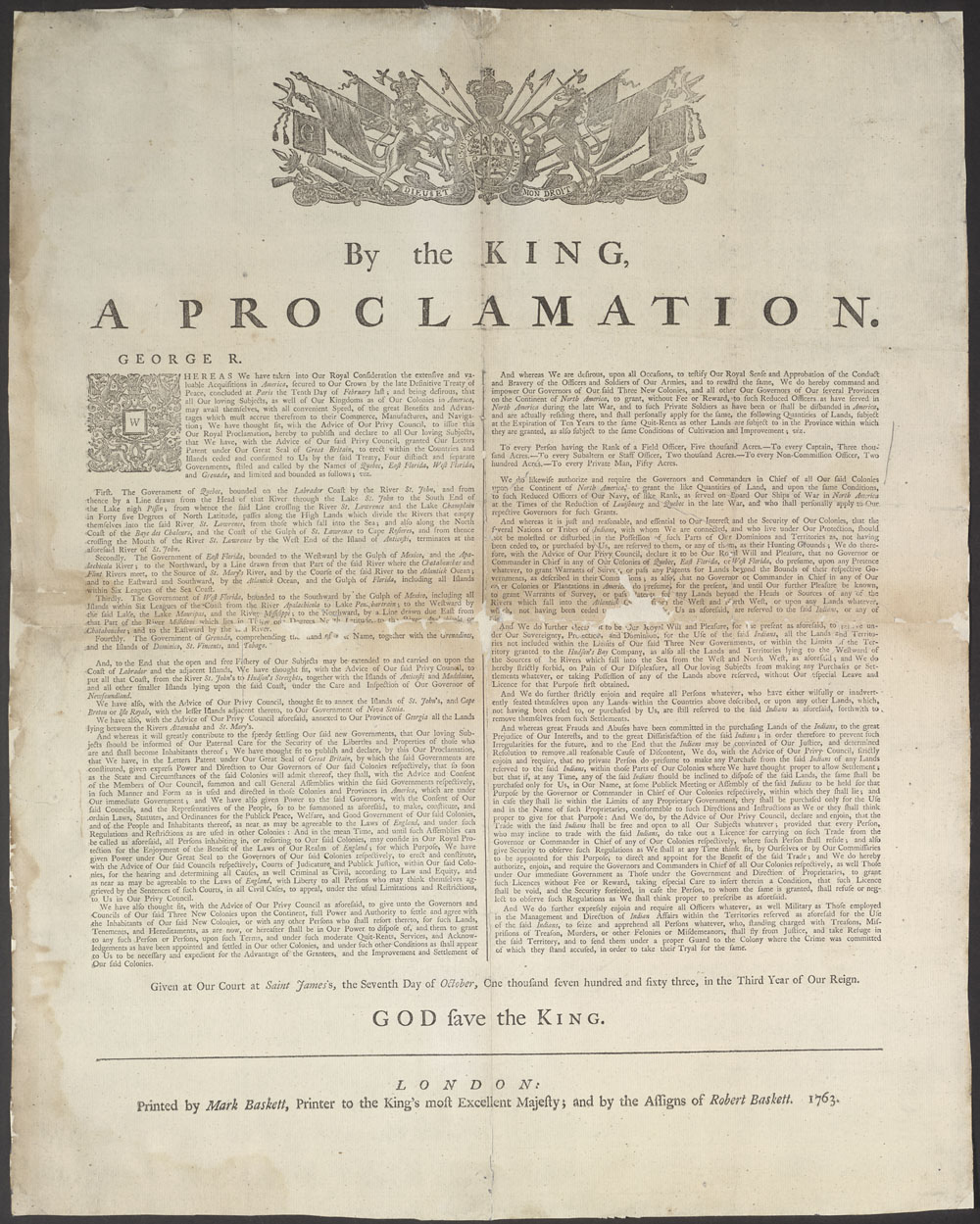 Document
Primary source
Royal Proclamation of 1763
7 October 1763
 Painting
Primary source
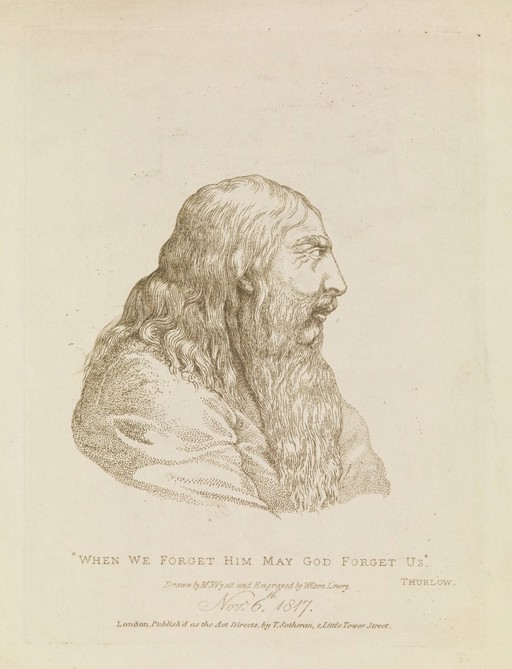
King George III, Etching by Wilson Lowry after M. C. Wyatt
Matthew Coates Wyatt · 6 November 1817
 Painting
Primary source
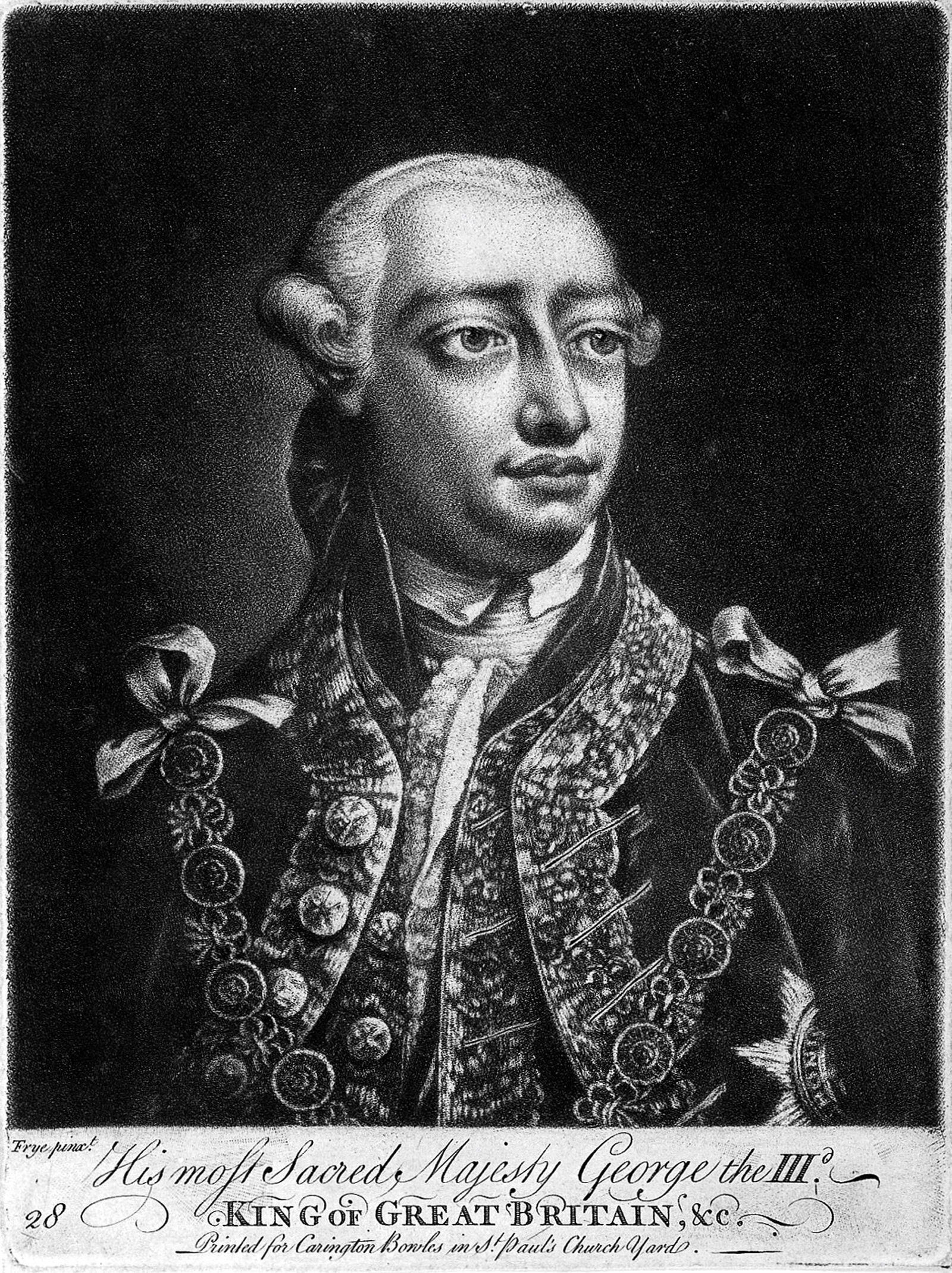
King George III, Mezzotint after Thomas Frye
Thomas Frye · not later than 1762
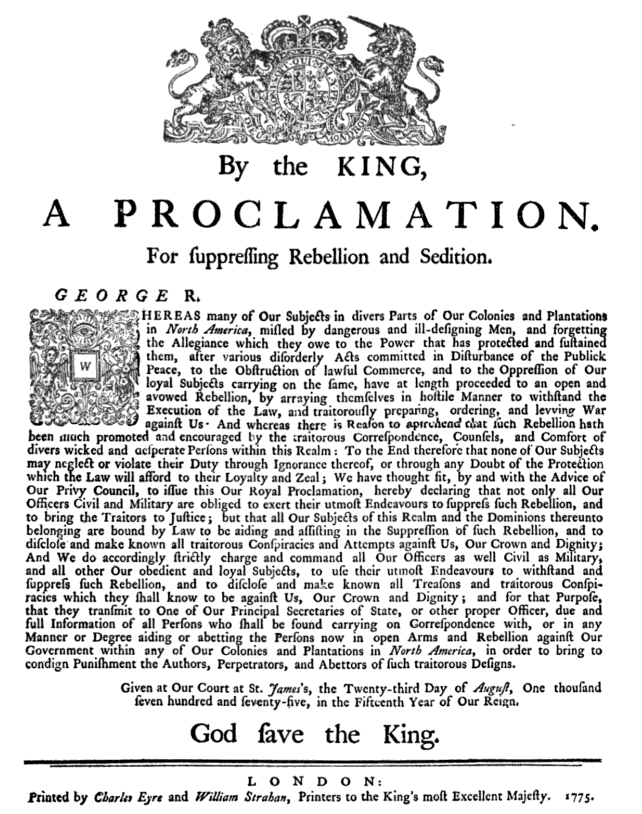 Document
Primary source
Proclamation of Rebellion
George III of Great Britain · 23 August 1775
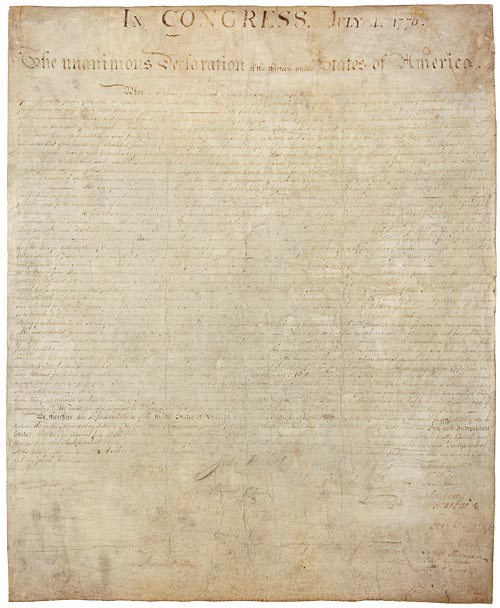 Document
Primary source
Declaration of Independence
Continental Congress (drafted by Thomas Jefferson) · 1776
Ready when you are
Start chatting with George III now.
20 messages free · No credit card · Available in 50+ languages.