


Secondary sourceDocument1819-1820
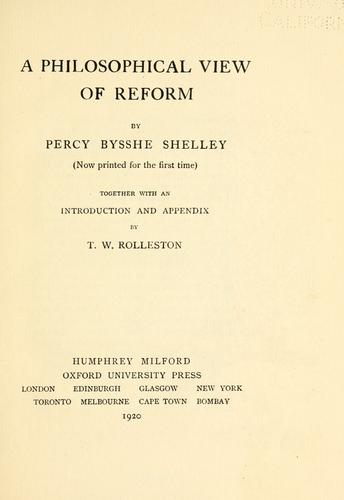
A Philosophical View of Reform
Percy Bysshe Shelley · 1819-1820
Shelley's unpublished 1819-20 political essay, which attacked Malthus's doctrine of moral restraint as cruel to the poor.
Shelley attacked Malthus's doctrine of moral restraint in this essay, reflecting Romantic hostility to his ideas.
About this source
What it is
This is a political essay by the poet Percy Bysshe Shelley, written between November 1819 and May 1820, responding to events such as the Peterloo Massacre and new government restrictions on public gatherings and the press. It is Shelley's longest prose work, but it remained unpublished in his lifetime and only appeared in print in 1920.
Why it matters
Shelley attacked Thomas Robert Malthus's idea of 'moral restraint', which called on the poor to delay marriage and limit births, describing it as a doctrine that forced hardship and celibacy onto the poor. The essay reflects the hostility many Romantic writers felt toward Malthus's ideas about population and poverty.
Look closer
- Why might Shelley have chosen prose rather than poetry to argue about reform?
- What does it suggest that the essay went unpublished for a century?
- How might Shelley's own political beliefs have shaped his criticism of Malthus?
This document is part of the curated material that grounds the AI version of Thomas Malthus on Humy.ai — when students ask about related events, the AI can quote it and cite it.
More Thomas Malthus sources
Meet the AI Thomas Malthus →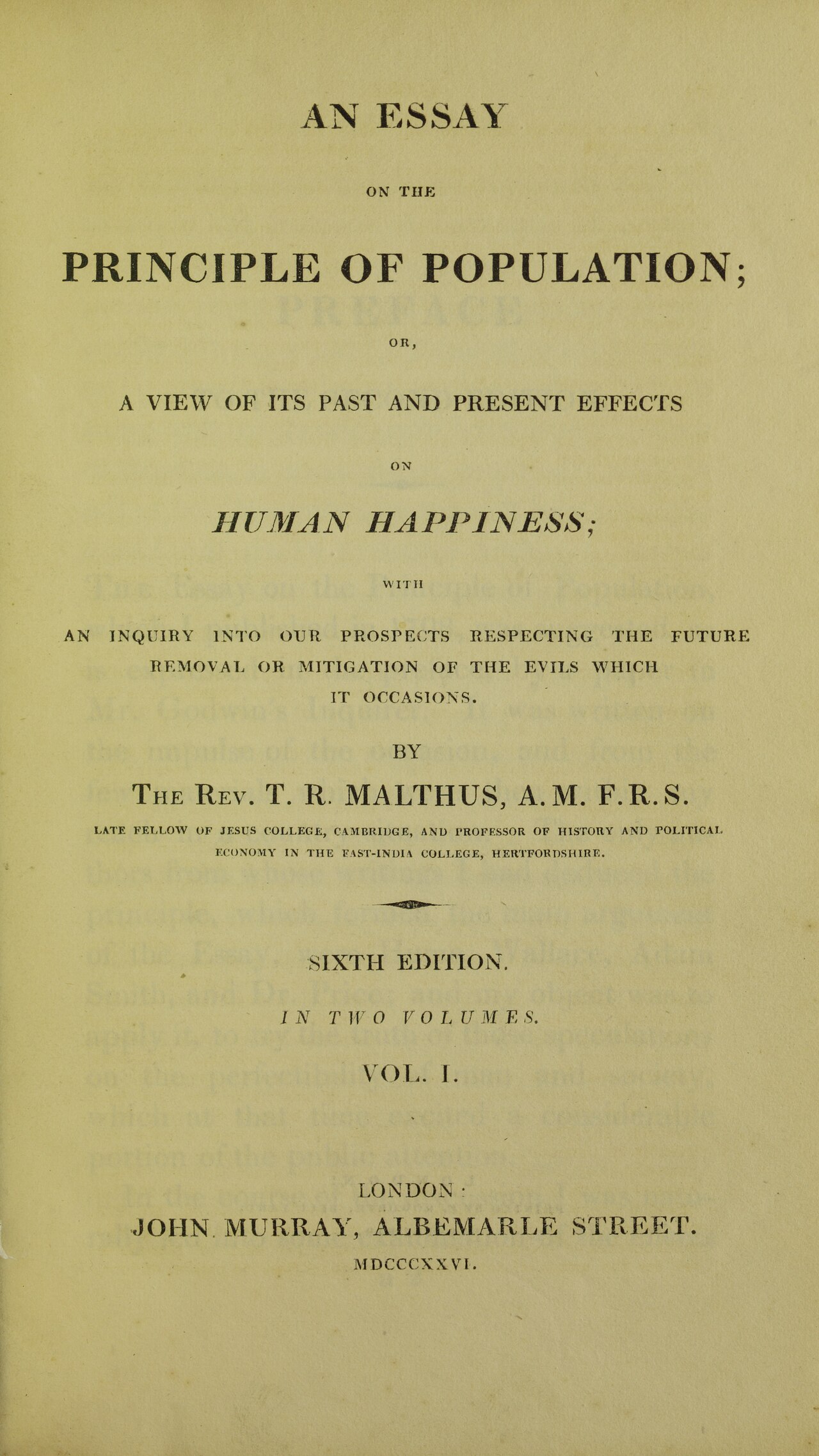 Book
Primary source
An Essay on the Principle of Population
Thomas Robert Malthus · 1798 (6th ed. 1826)
 Painting
Primary source
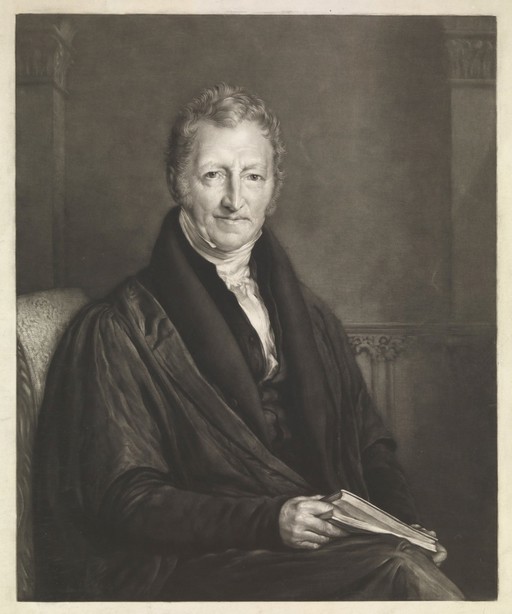
Portrait Print of Thomas Robert Malthus
John Linnell
 Book
Primary source
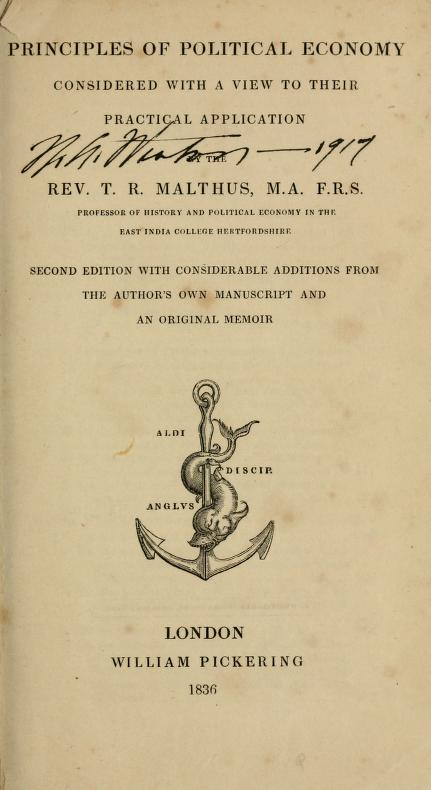
Principles of Political Economy
Thomas Robert Malthus · 1820 (2nd ed. 1836)
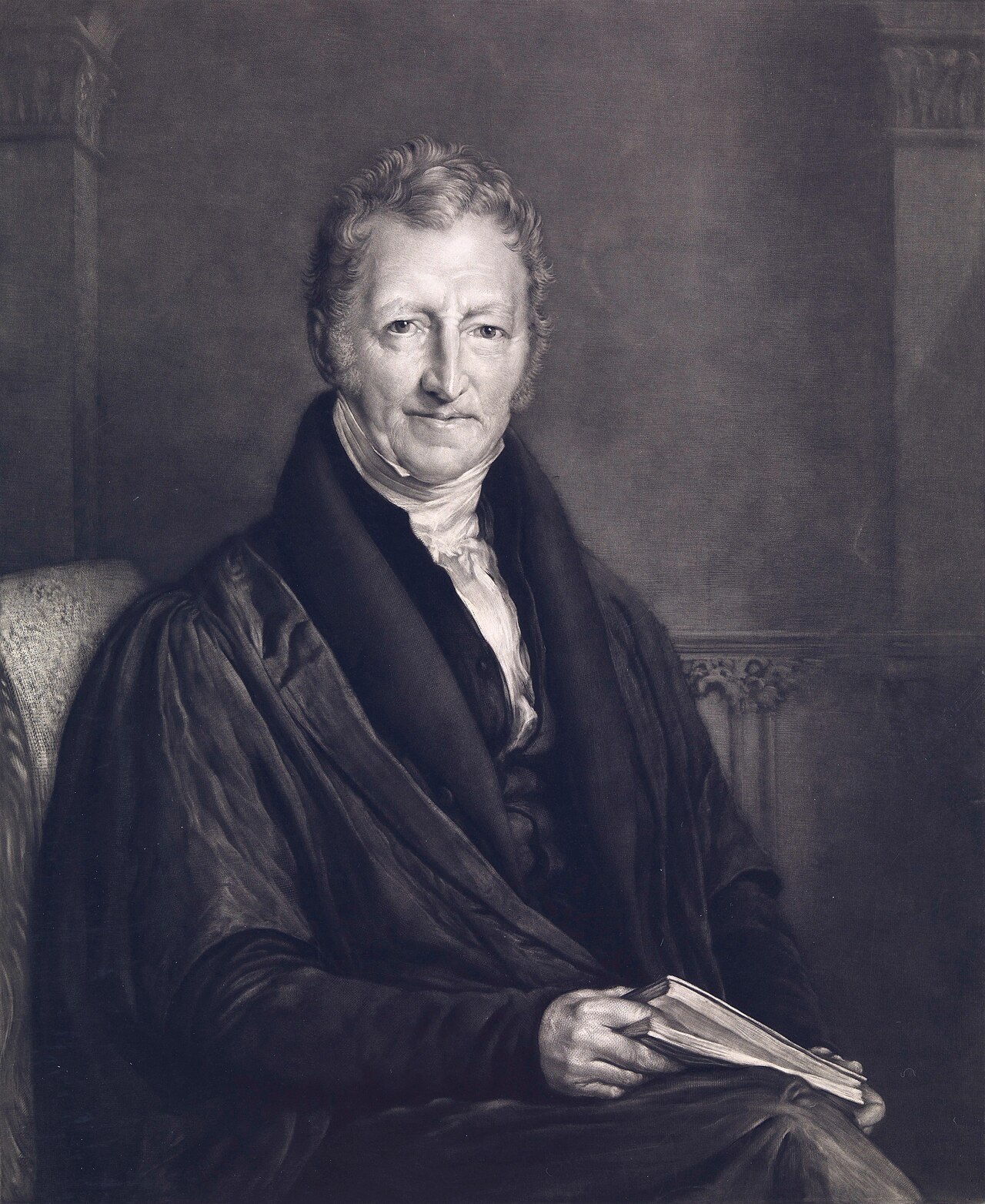 Painting
Primary source
Portrait of Thomas Robert Malthus
John Linnell · after 1833
 Letter
Primary source
Correspondence between Malthus and David Ricardo
Thomas Robert Malthus; David Ricardo · 1811–1823
Ready when you are
Start chatting with Thomas Malthus now.
20 messages free · No credit card · Available in 50+ languages.