


Primary sourceBook1838
A Psalm of Life
Henry Wadsworth Longfellow · 1838
An 1838 poem by Longfellow urging readers to live with purpose and courage, written after the death of his first wife.
Longfellow wrote this poem reflecting his own grief and philosophy, and it became one of his most famous works.
Free Humy account · No credit card · 53,307 sources to read
About this source
What it is
This poem was written by Henry Wadsworth Longfellow and first published anonymously in 1838, later included in his 1839 collection Voices of the Night. Longfellow wrote it after lecturing on Goethe and after the death of his first wife, Mary Storer Potter.
Why it matters
The poem's message—to act boldly and make the most of life rather than dwell on sorrow or fear the future—made it one of the most quoted poems in 19th-century America. It was read from pulpits, sung as a hymn, and included in school readers, showing how deeply Longfellow's didactic style shaped popular culture and moral education of the time.
Look closer
- How might personal grief have shaped the poem's message about living fully?
- Why do you think the poem became so widely quoted and taught in schools?
- What kind of advice does the poem give, and does it still feel relevant today?
This book is part of the curated material that grounds the AI version of Henry Wadsworth Longfellow on Humy.ai — when students ask about related events, the AI can quote it and cite it.
More Henry Wadsworth Longfellow sources
Browse all 97 →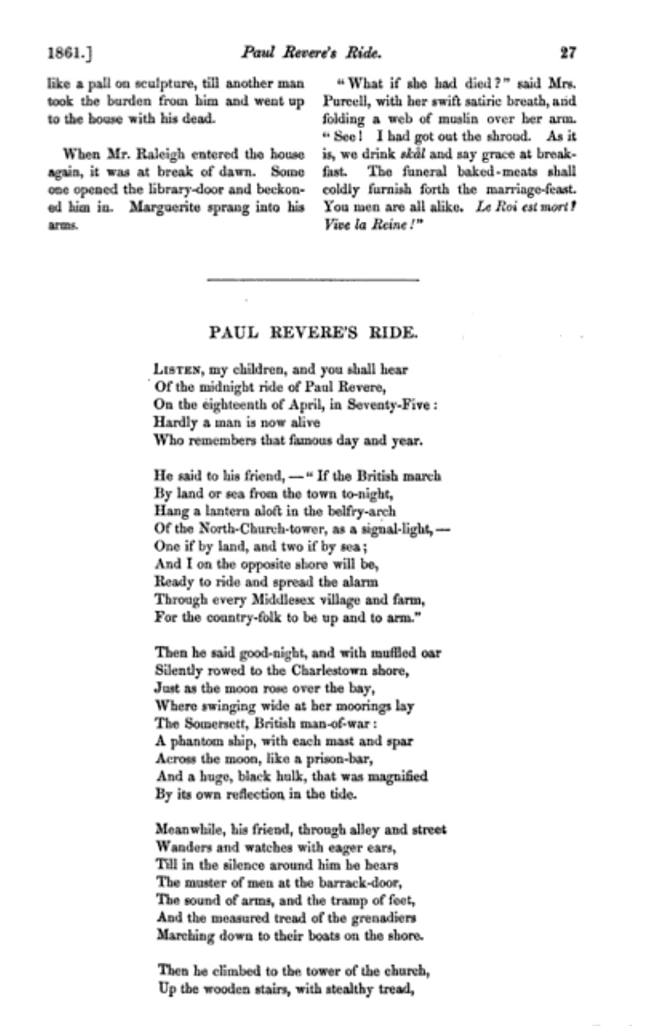 Book
Secondary source
Paul Revere's Ride
Henry Wadsworth Longfellow · 1860
Primary source
The Song of Hiawatha
Henry Wadsworth Longfellow · 1855
Primary source
Evangeline
Henry Wadsworth Longfellow · 1847
 Book
Primary source
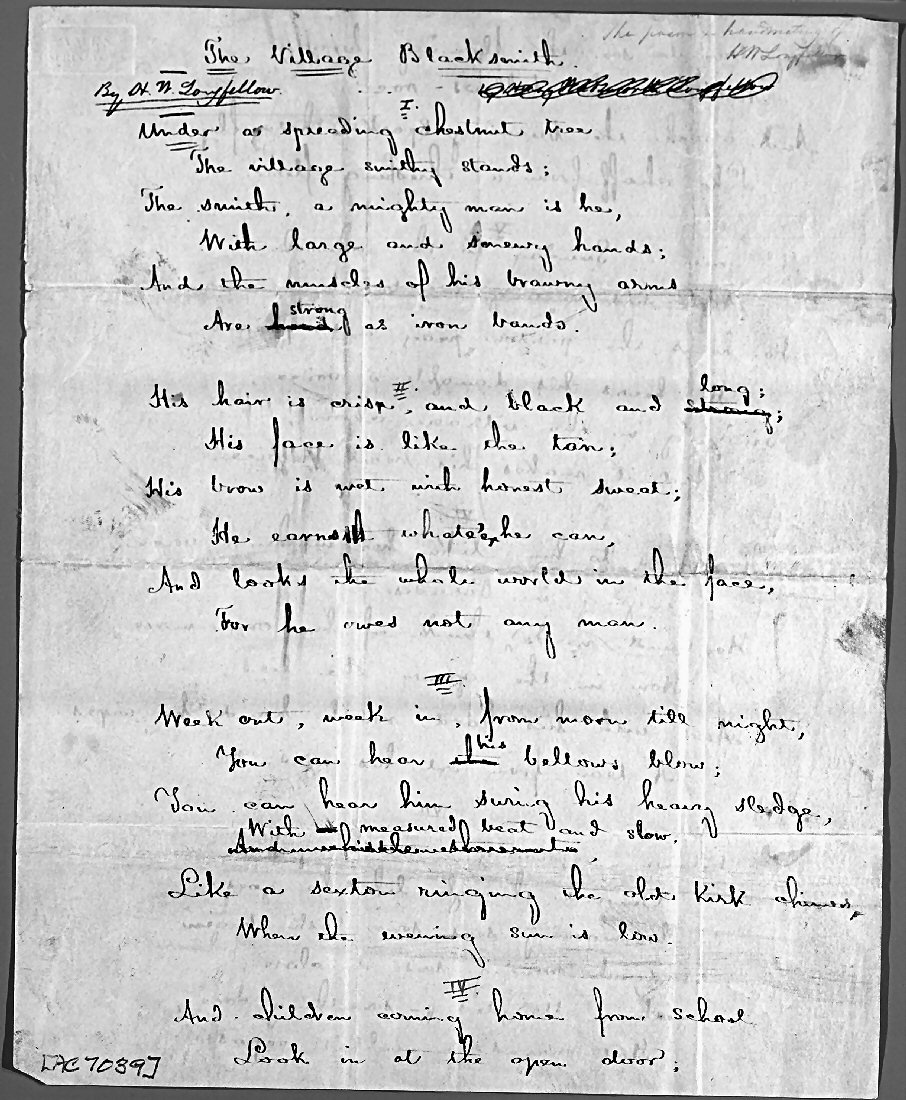
The Village Blacksmith
Henry Wadsworth Longfellow · 1840
Free account
Browse every Henry Wadsworth Longfellow source
Sign up free →
Ready when you are
Start chatting with Henry Wadsworth Longfellow now.
20 messages free · No credit card · Available in 50+ languages.