


Secondary sourcePaintingearly 1720s
A Stylish Suma: Lady Murasaki Shikibu
Okumura Masanobu · early 1720s
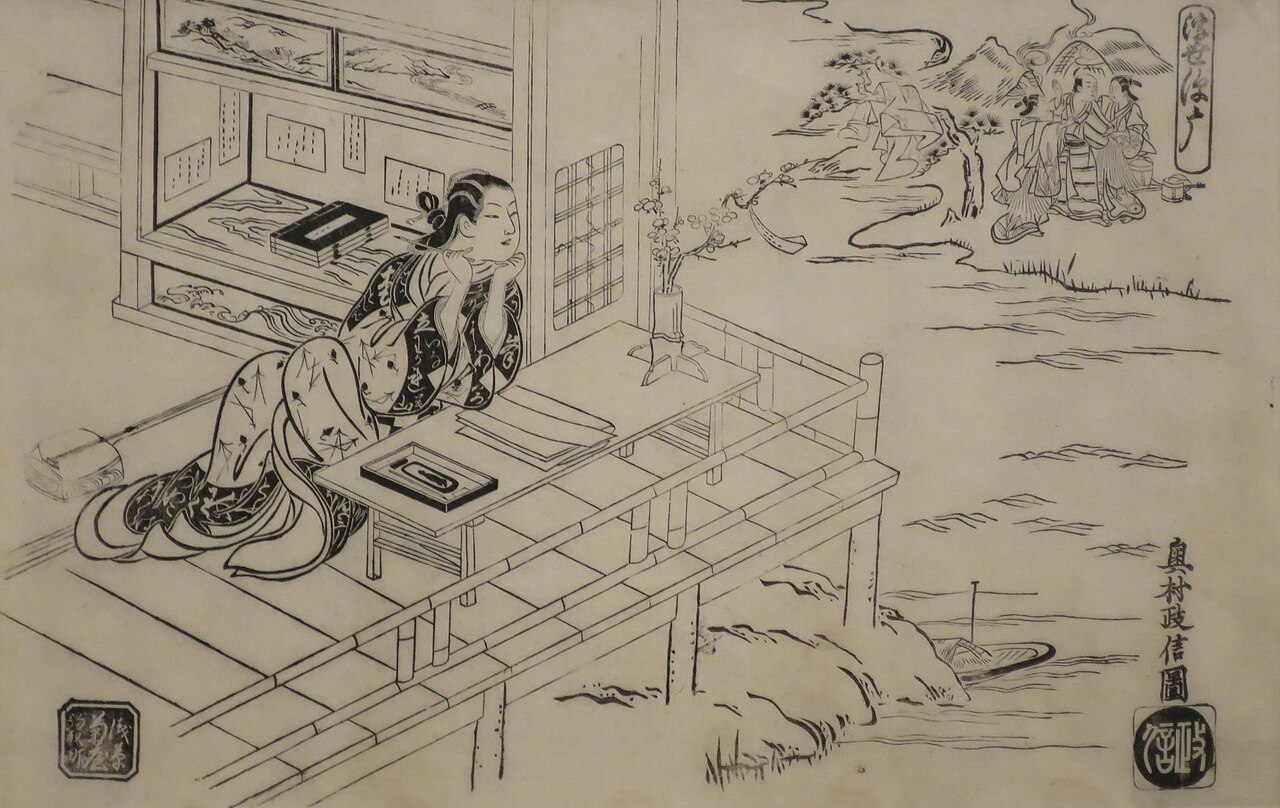
An early 1720s woodblock print by Okumura Masanobu showing Lady Murasaki Shikibu seated on a veranda, gazing outward.
A later print imagining Murasaki Shikibu in a setting tied to her own novel, showing her lasting literary image.
About this source
What it is
This is a black-and-white woodblock print made in the early 1720s by the Edo-period artist Okumura Masanobu, now part of the James Michener Collection at the Honolulu Museum of Art. It shows a woman in a patterned kimono seated on a veranda, resting her chin on her hand, with an inkstone box, papers, and a flowering branch nearby, and a boat and hillside in the distance.
Why it matters
The title links the image to Suma, a place associated with Murasaki Shikibu's novel The Tale of Genji. It shows how print artists of the 1700s continued to picture her as a thoughtful, literary figure, blending her image with scenes from her own writing.
Look closer
- What in the pose and setting suggests quiet thought or longing?
- How does the print connect Murasaki herself to the world of her novel?
- What does the inclusion of writing tools tell us about how she was remembered?
This painting is part of the curated material that grounds the AI version of Murasaki Shikibu on Humy.ai — when students ask about related events, the AI can quote it and cite it.
More Murasaki Shikibu sources
Meet the AI Murasaki Shikibu →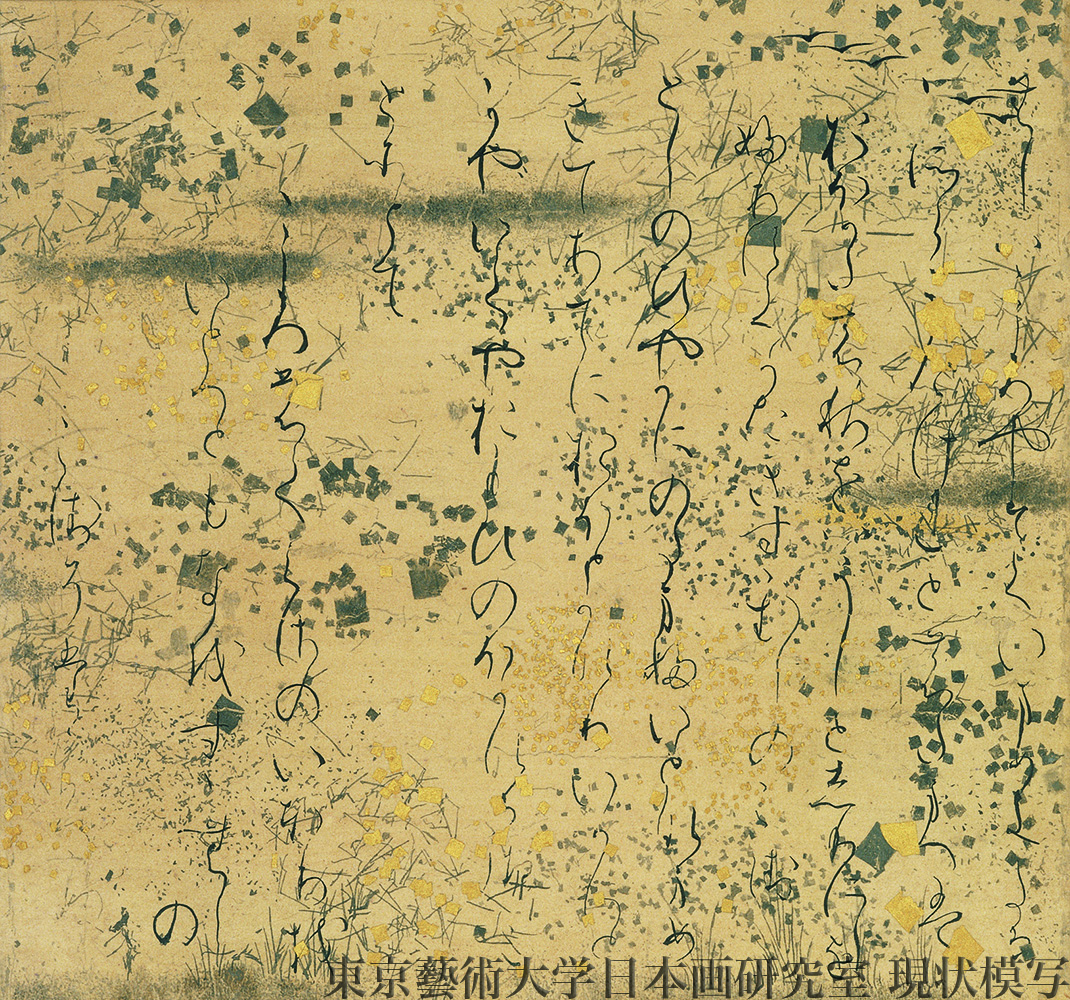 Book
Primary source
The Tale of Genji
Murasaki Shikibu · c. 1010
 Book
Primary source
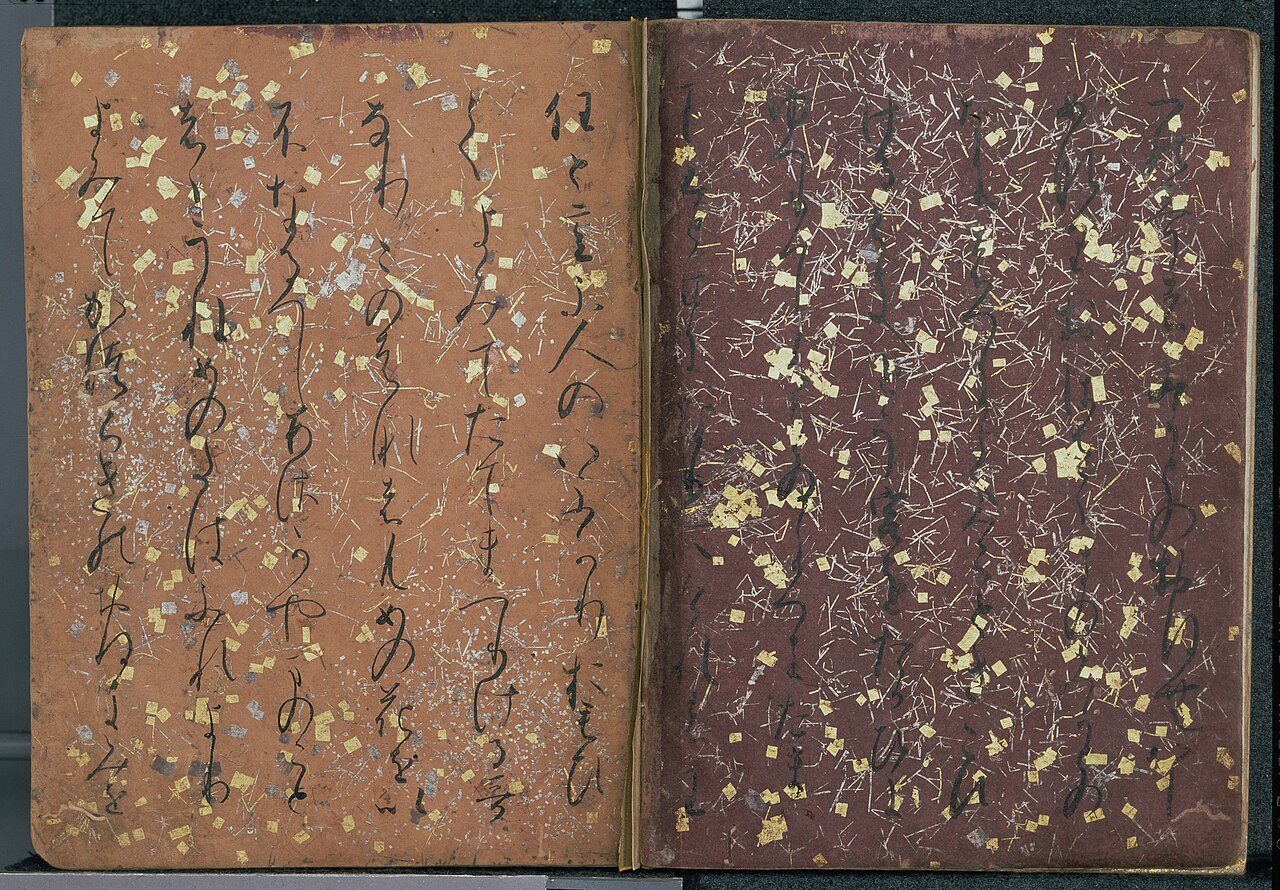
Kokin Wakashū
Ki no Tsurayuki and compilers · c. 905-920
Primary source
The Diary of Lady Murasaki
Murasaki Shikibu · c. 1008–1010
 Diary entry
Primary source
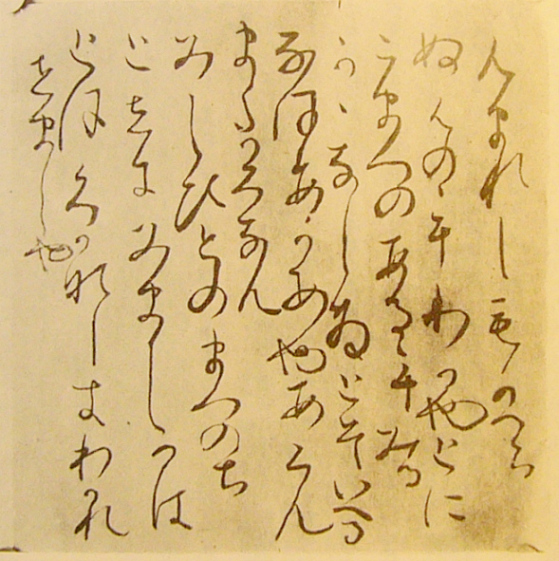
Tosa Nikki
Ki no Tsurayuki · 935 (copy 13th century)
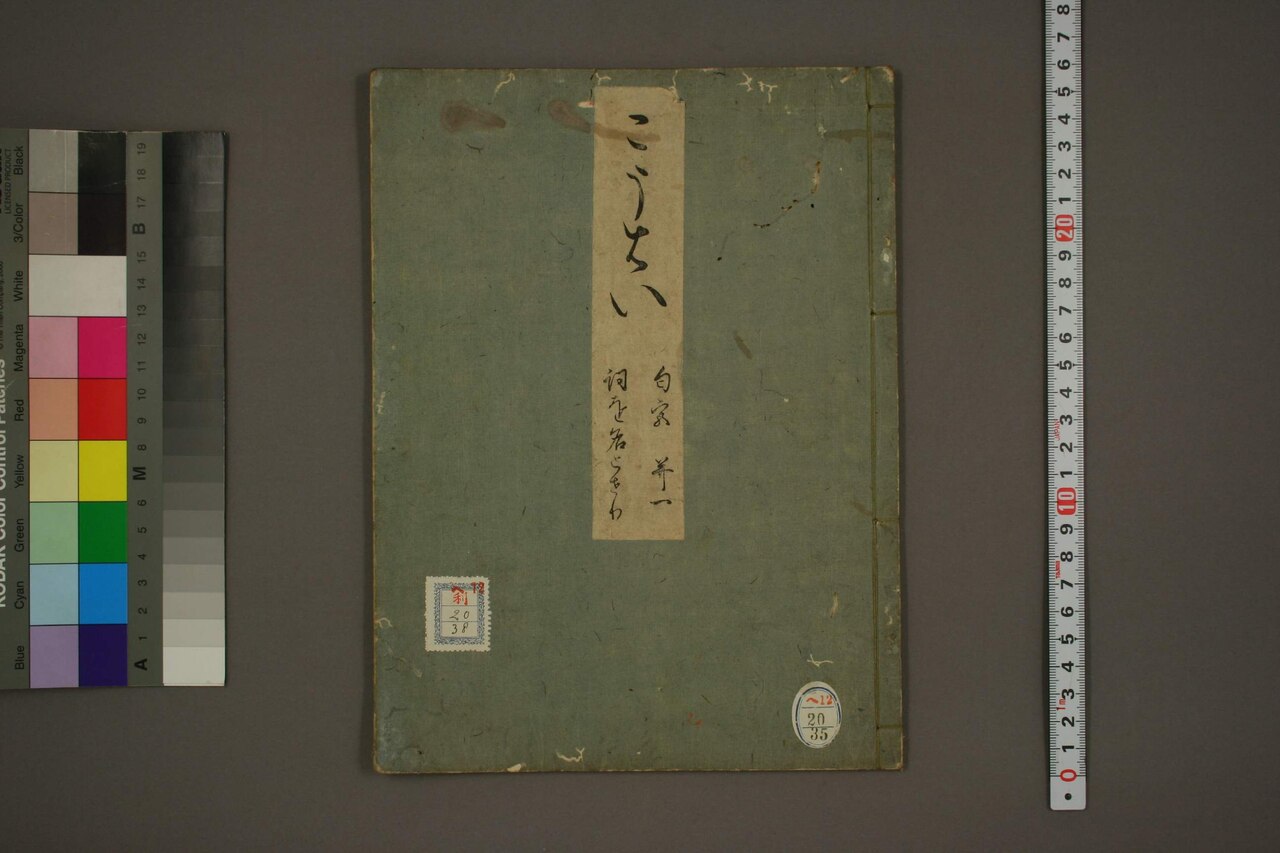 Book
Secondary source
Eiri Genji Monogatari
Yamamoto Shunshō · 1650
Ready when you are
Start chatting with Murasaki Shikibu now.
20 messages free · No credit card · Available in 50+ languages.