


Primary sourceDiary entry935 (copy 13th century)
Tosa Nikki
Ki no Tsurayuki · 935 (copy 13th century)
The first kana diary, written by Ki no Tsurayuki in a woman's voice, which created the genre of vernacular prose that Murasaki Shikibu's diary and novel built on.
This earlier kana diary established the vernacular prose tradition that Murasaki Shikibu's diary and novel later built upon.
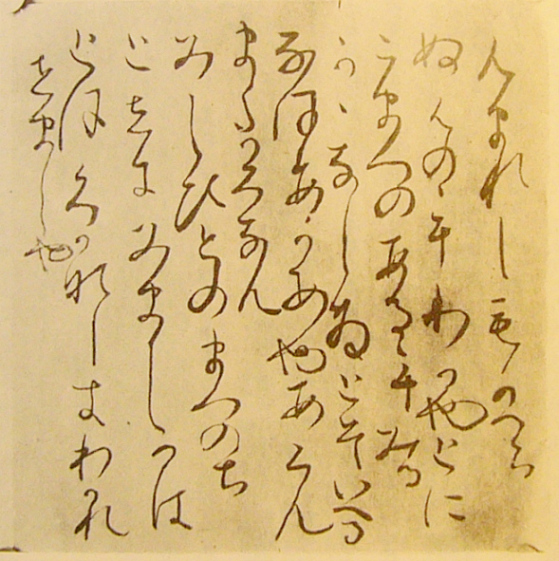
About this source
What it is
The Tosa Nikki is a poetic diary written by the poet Ki no Tsurayuki, describing a journey back to Kyoto from Tosa province in 935. Though written by a man, it adopts the voice of a fictional female narrator and is composed in Japanese kana rather than Chinese characters.
Why it matters
By writing in kana as a woman, Tsurayuki created the first notable example of the Japanese diary as literature, breaking from the dry official diaries written by men in Chinese. This innovation opened the way for the kana prose that women writers, including Murasaki Shikibu, used for diaries and fiction a century later.
Look closer
- Why might a male author choose to write as a fictional woman?
- What does the choice of kana over Chinese characters tell you about who could read this diary?
- What themes, such as grief, does the diary explore, and why might that matter to later diarists?
This diary entry is part of the curated material that grounds the AI version of Murasaki Shikibu on Humy.ai — when students ask about related events, the AI can quote it and cite it.
More Murasaki Shikibu sources
Meet the AI Murasaki Shikibu →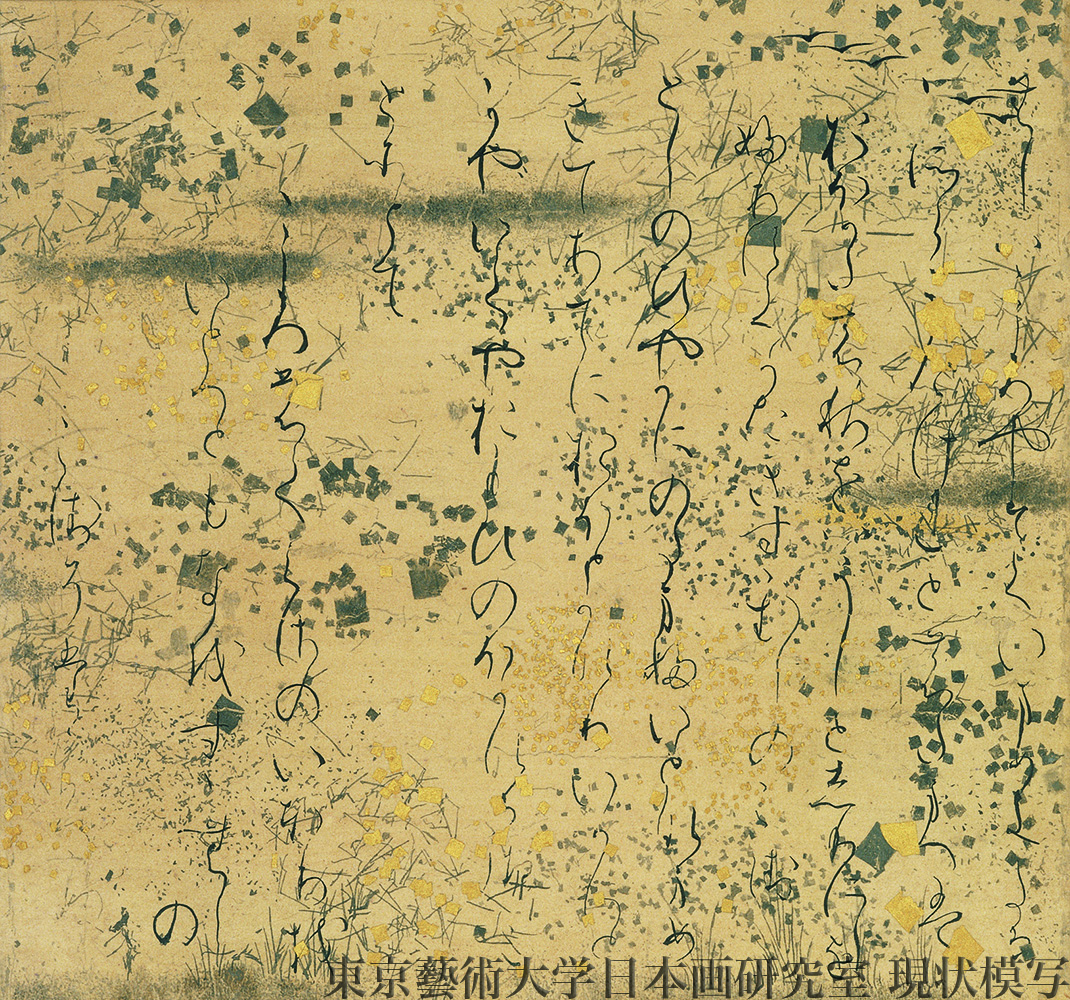 Book
Primary source
The Tale of Genji
Murasaki Shikibu · c. 1010
 Book
Primary source
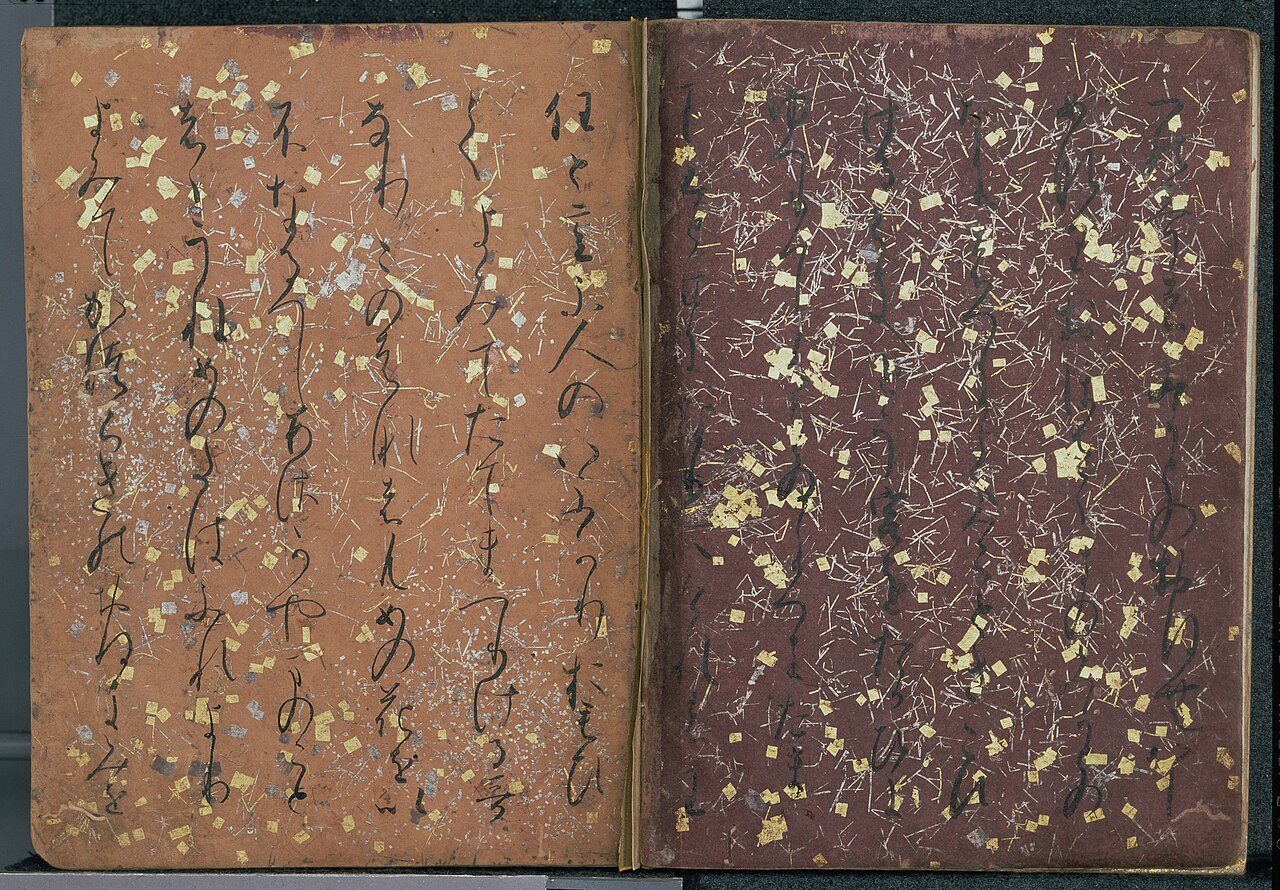
Kokin Wakashū
Ki no Tsurayuki and compilers · c. 905-920
Primary source
The Diary of Lady Murasaki
Murasaki Shikibu · c. 1008–1010
 Book
Secondary source
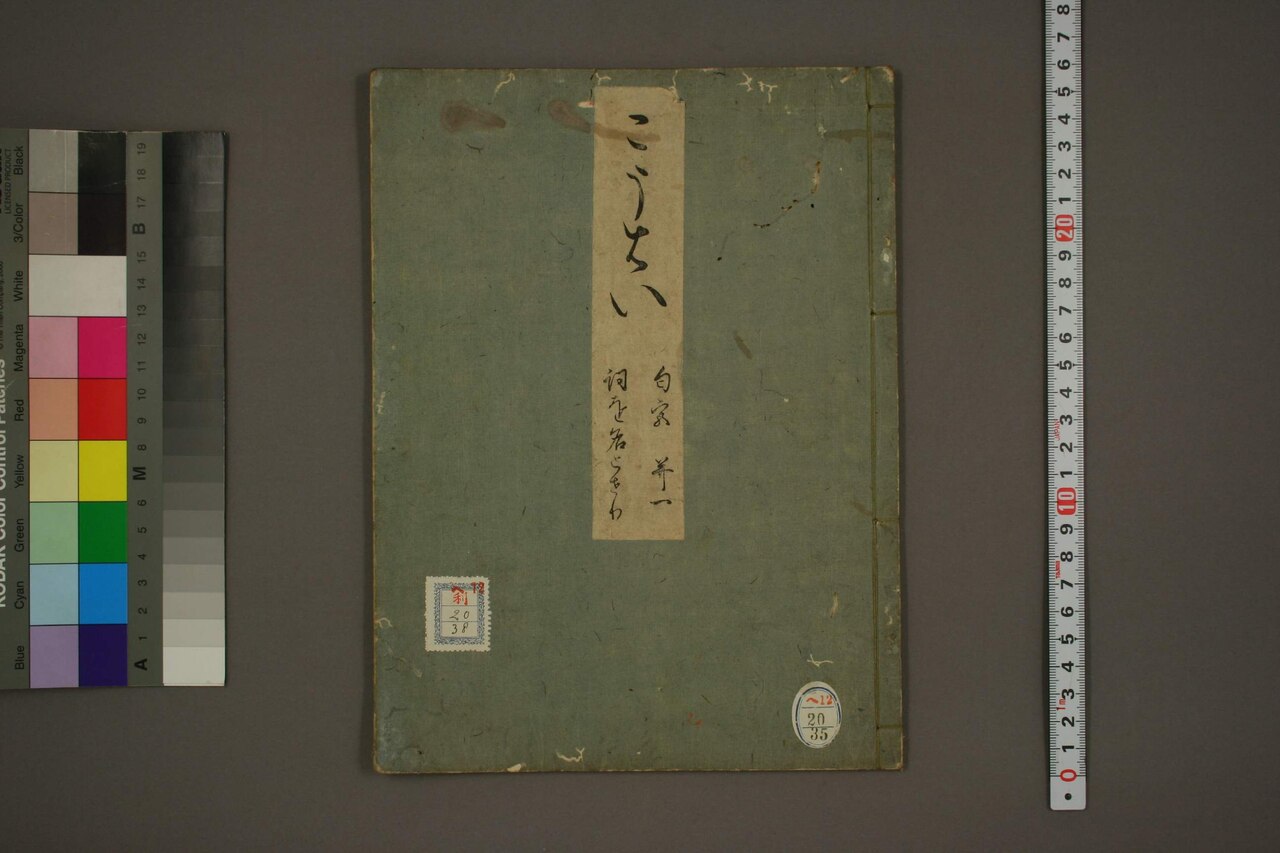
Eiri Genji Monogatari
Yamamoto Shunshō · 1650
 Book
Primary source
Wakan Rōeishū
Fujiwara no Kintō · c. 1013
Ready when you are
Start chatting with Murasaki Shikibu now.
20 messages free · No credit card · Available in 50+ languages.