


Primary sourceBookc. 1013
Wakan Rōeishū
Fujiwara no Kintō · c. 1013
An anthology mixing Chinese and Japanese poems compiled by Fujiwara no Kintō, the courtier who teased Murasaki Shikibu in her diary, reflecting the shared learning of her court circle.
Its compiler Fujiwara no Kintō teased Murasaki Shikibu in her own diary, linking this anthology to her court circle.

About this source
What it is
The Wakan Rōeishū ('Collection of Japanese and Chinese Poems for Singing') is an anthology of Chinese poems and Japanese waka meant to be sung, compiled by the courtier Fujiwara no Kintō around 1013. It brings together works by Chinese poets such as Bai Juyi alongside Japanese poets such as Ki no Tsurayuki.
Why it matters
Its compiler, Fujiwara no Kintō, is known to history partly because he teased Murasaki Shikibu, calling her 'our little Murasaki' in her own diary. The anthology shows the blend of Chinese and Japanese learning shared by the court circle Murasaki belonged to, and the kind of literary culture she drew on in her own writing.
Look closer
- Why might Heian courtiers value knowledge of Chinese poetry alongside Japanese waka?
- What does it suggest that poems in Chinese and Japanese were placed together, matched by topic?
- What can a playful personal nickname like 'our little Murasaki' tell us about court relationships?
This book is part of the curated material that grounds the AI version of Murasaki Shikibu on Humy.ai — when students ask about related events, the AI can quote it and cite it.
More Murasaki Shikibu sources
Meet the AI Murasaki Shikibu →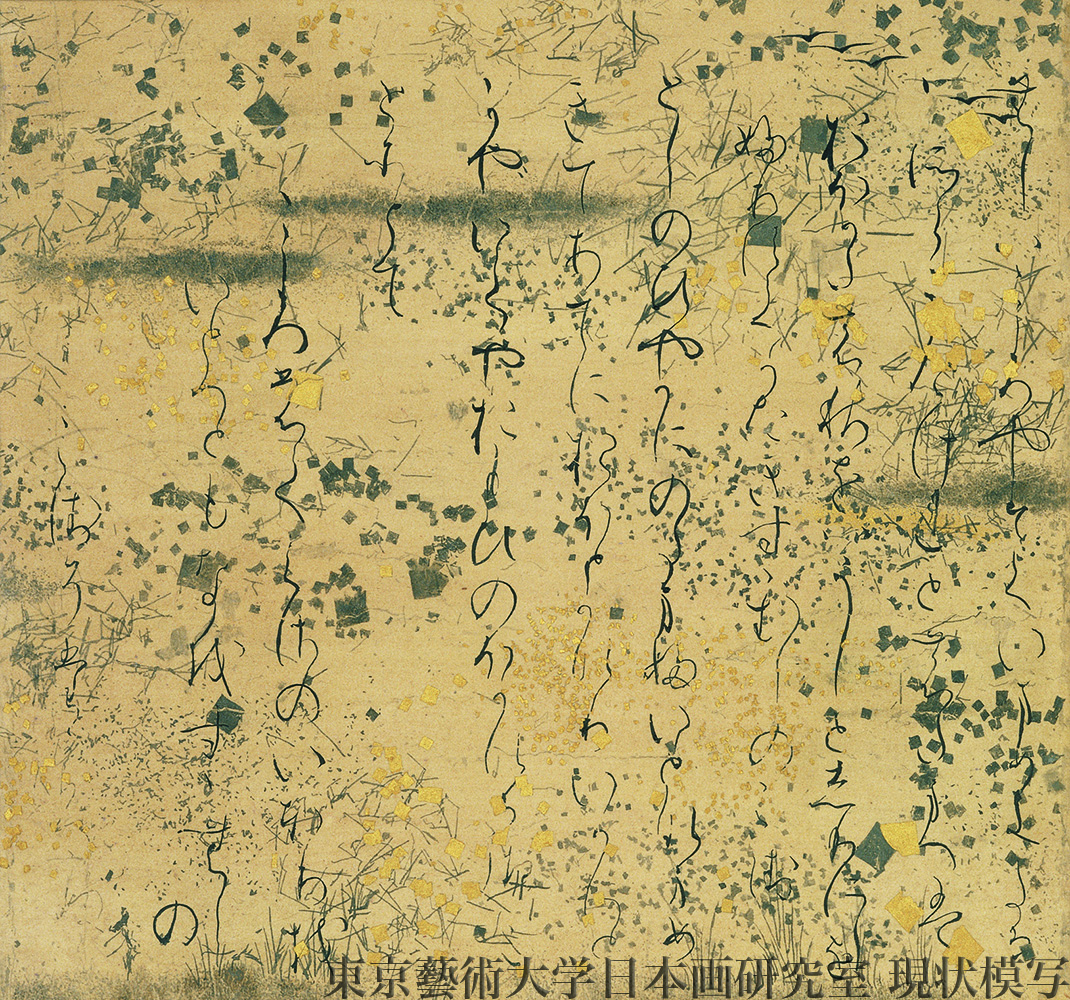 Book
Primary source
The Tale of Genji
Murasaki Shikibu · c. 1010
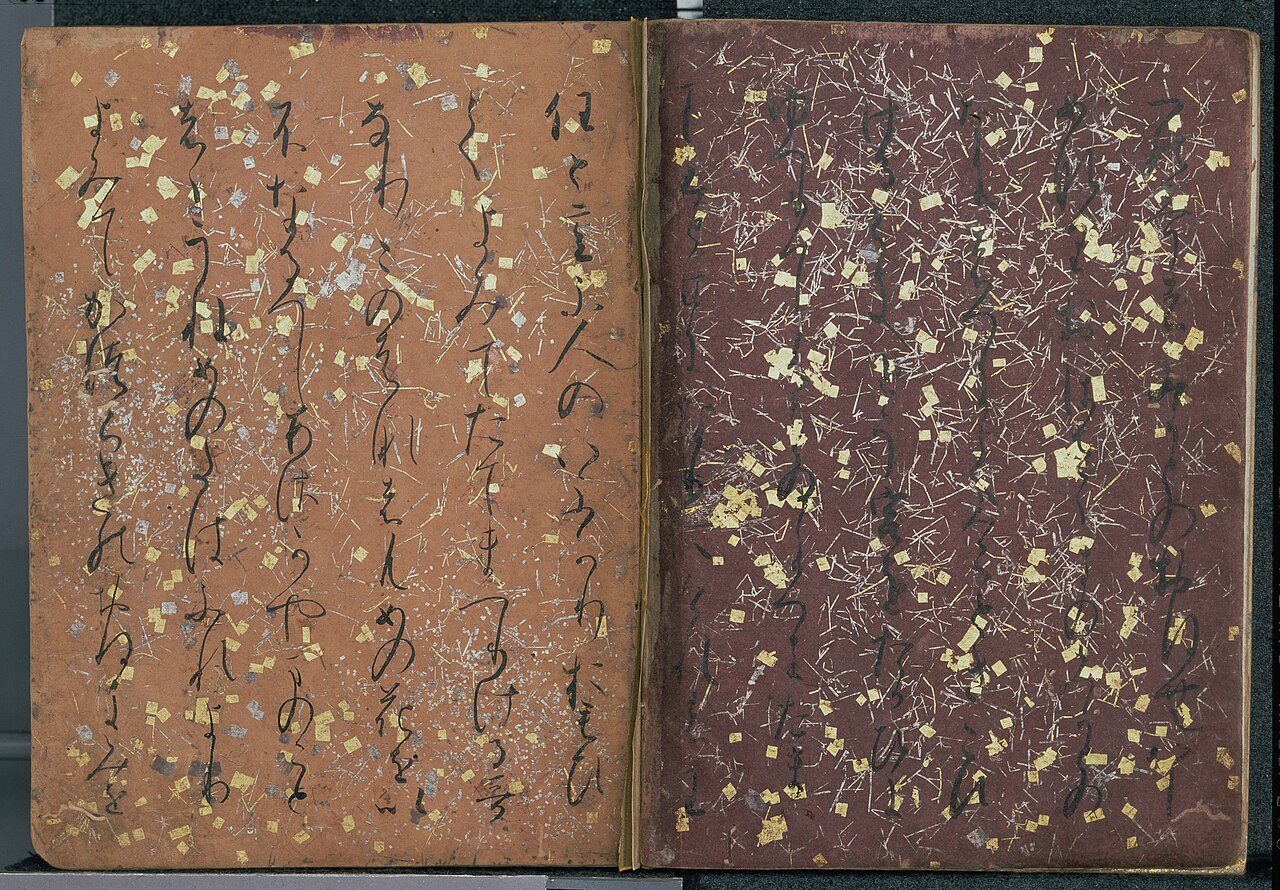 Book
Primary source
Kokin Wakashū
Ki no Tsurayuki and compilers · c. 905-920
Primary source
The Diary of Lady Murasaki
Murasaki Shikibu · c. 1008–1010
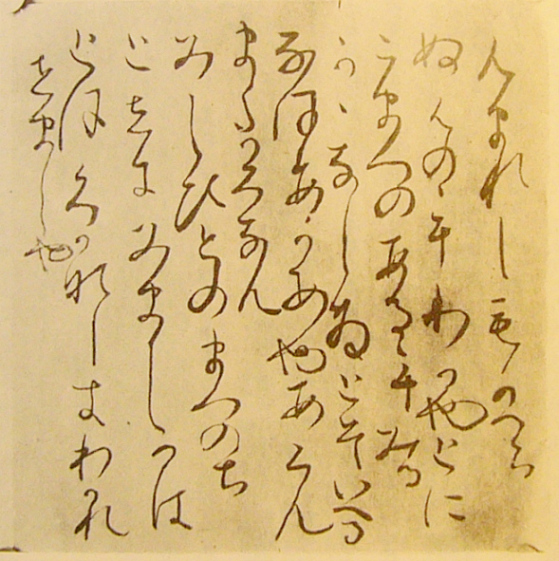 Diary entry
Primary source
Tosa Nikki
Ki no Tsurayuki · 935 (copy 13th century)
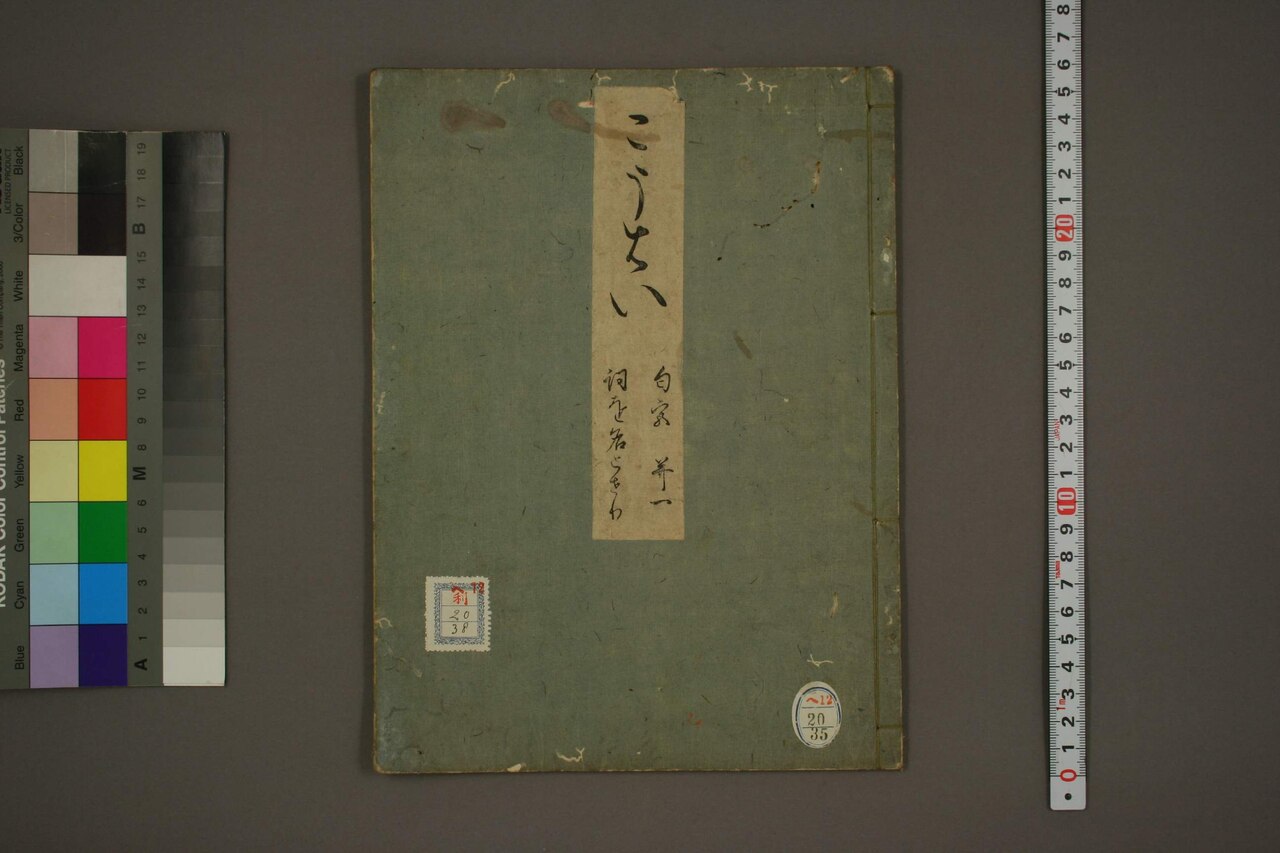 Book
Secondary source
Eiri Genji Monogatari
Yamamoto Shunshō · 1650
Ready when you are
Start chatting with Murasaki Shikibu now.
20 messages free · No credit card · Available in 50+ languages.