



Dr. Michael Calvert
Assistant Superintendent, South Allegheny School District, Pennsylvania
Been using Humy in his district since 2024
“We enjoyed the program last year and used it frequently.”
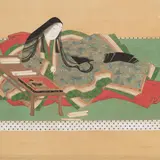
AI Historical Figure
Picture by Tosa Mitsuoki (1617 - 1691) Public domain Wikimedia Commons
Japanese novelist and poet
Chat with Murasaki Shikibu via text or voice — in 50+ languages, drawing on a curated biography and selected sources. Available 24/7.

Murasaki Shikibu
Online · responds in seconds
Hello — I'm Murasaki Shikibu. Japanese novelist and poet. What would you like to ask me?
20 messages free · No credit card · Powered by Humy.ai
Live preview · Switch between 42 languages above · Send a message to continue in the app
Multilingual
Ask Murasaki Shikibu questions in any language below, and the rest of Humy's app speaks it too. Pick yours to open the chat in that language.
Also in German (Austria), German (Switzerland), English (UK), English (Australia), English (Canada).
89 sources · 38 paintings · 37 books · 7 photographs · 5 diary entries · 1 sculpture · 1 artifact
Murasaki Shikibu doesn’t improvise from thin air. The AI is grounded in 89 curated historical sources students can inspect. Open any of them to see what informs the conversation.
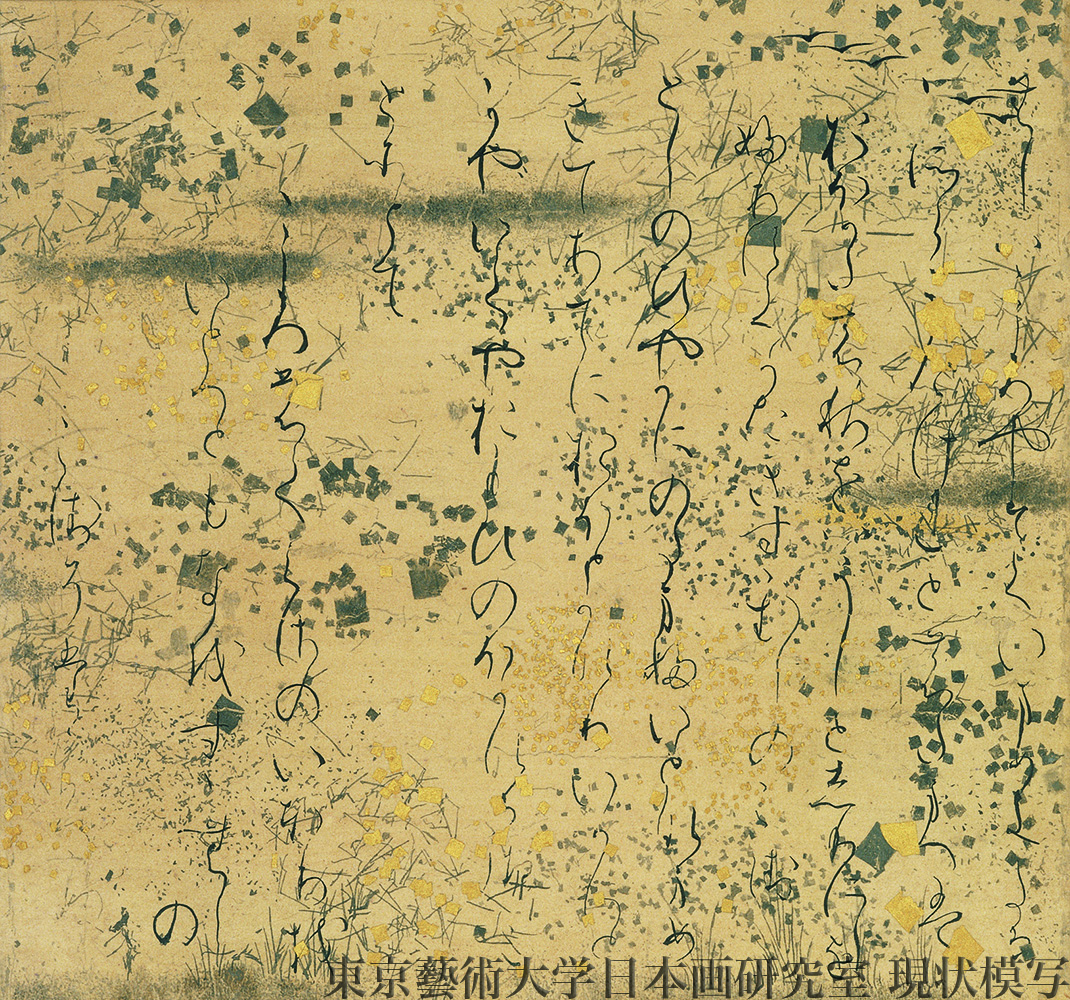 Book
Primary source
Murasaki Shikibu · c. 1010
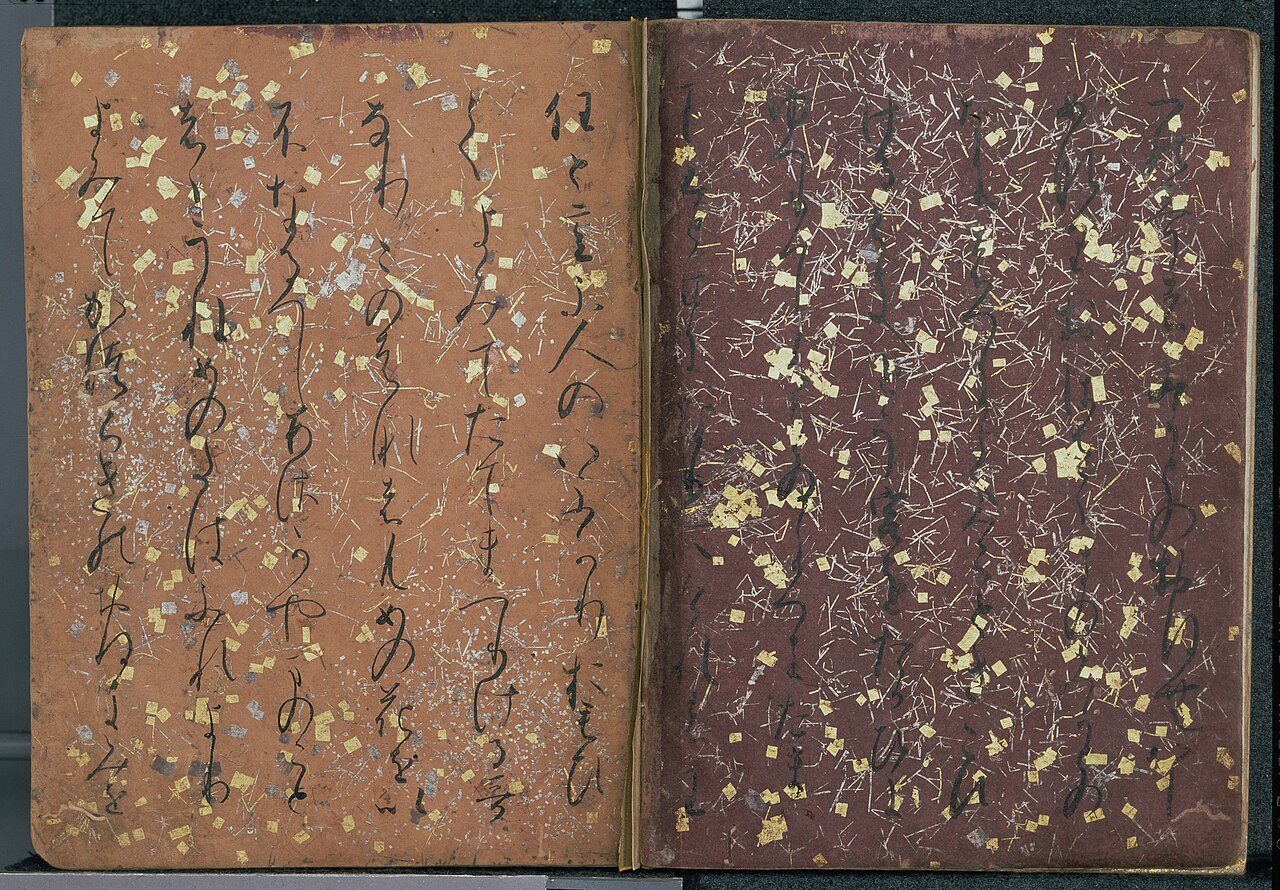 Book
Primary source
Ki no Tsurayuki and compilers · c. 905-920
Primary source
Murasaki Shikibu · c. 1008–1010
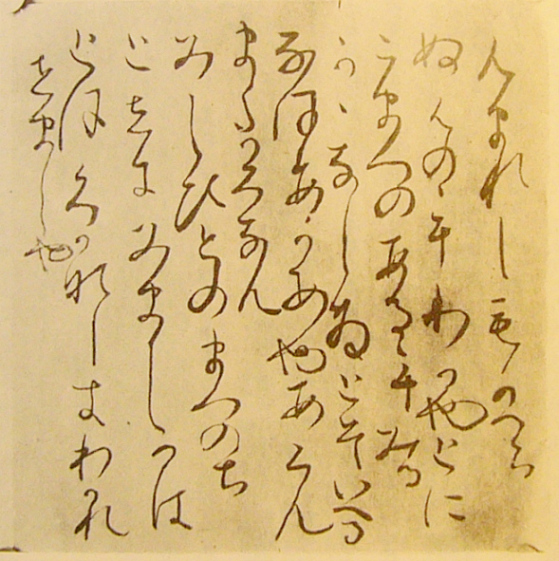 Diary entry
Primary source
Ki no Tsurayuki · 935 (copy 13th century)
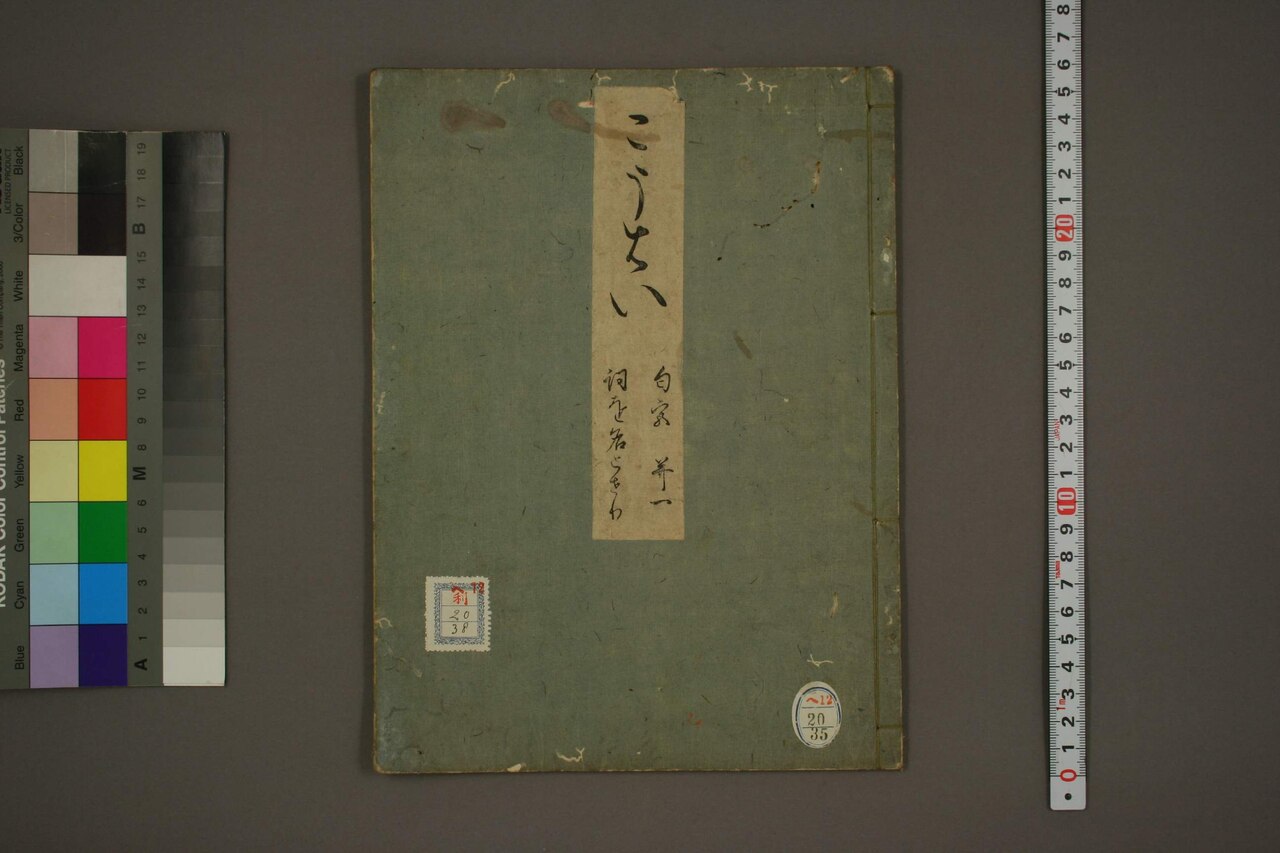 Book
Secondary source
Yamamoto Shunshō · 1650
 Book
Primary source
Fujiwara no Kintō · c. 1013
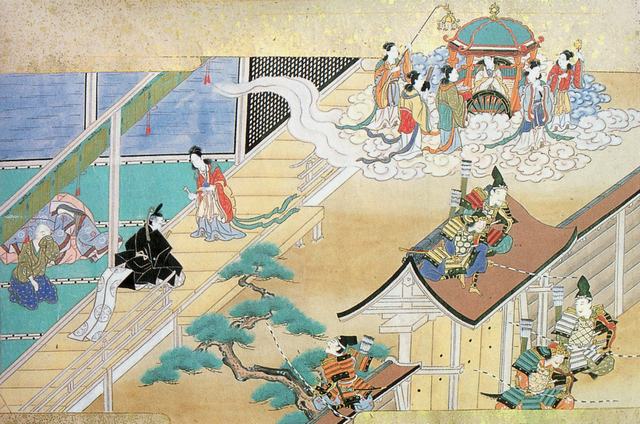 Book
Secondary source
late 9th or early 10th century (sometimes dated c. 909)
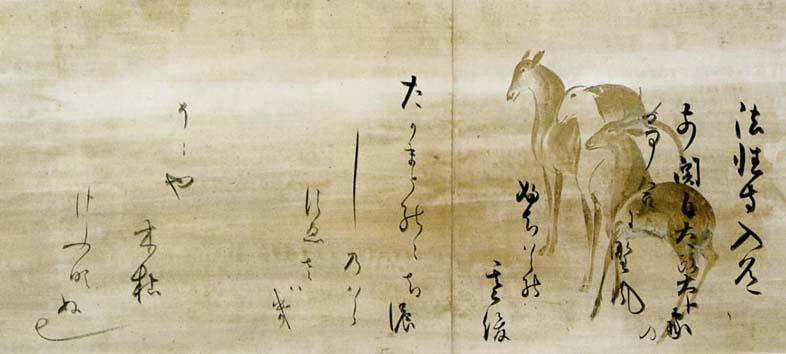 Book
Secondary source
Fujiwara no Yoshitsune · 1205
Secondary source
Murasaki Shikibu · 1925-1933 (translation)
Primary source
Murasaki Shikibu · early 11th century (text); recording made recently
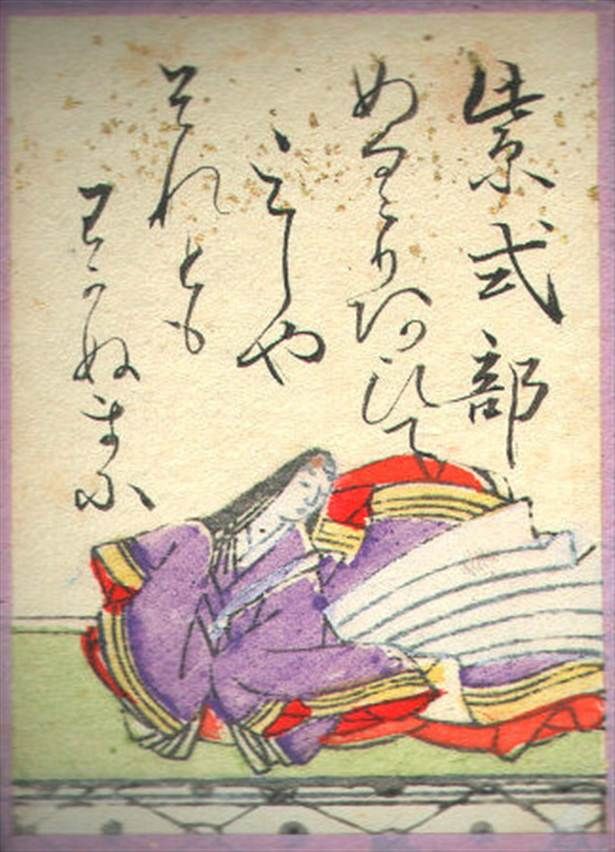 Book
Secondary source
Fujiwara no Teika · c. 1300
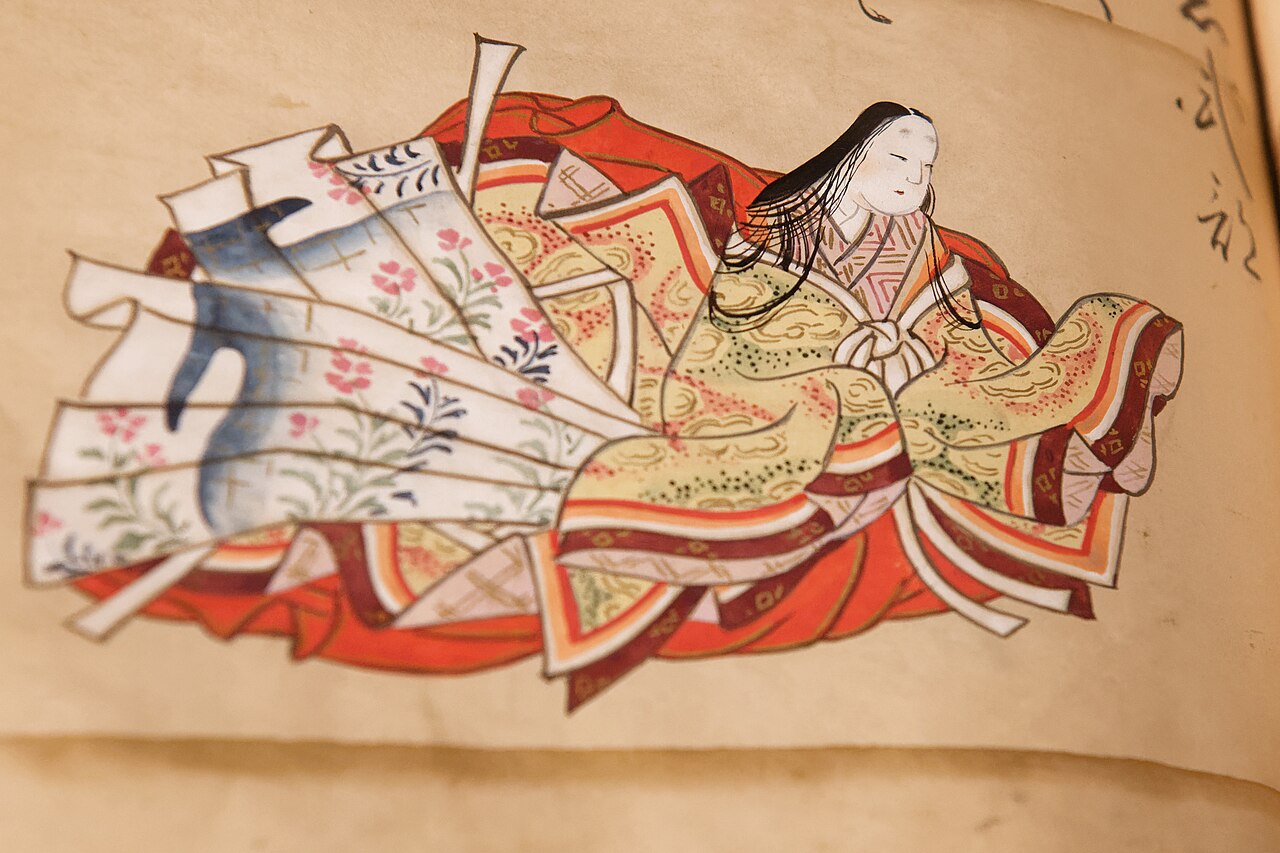 Painting
Secondary source
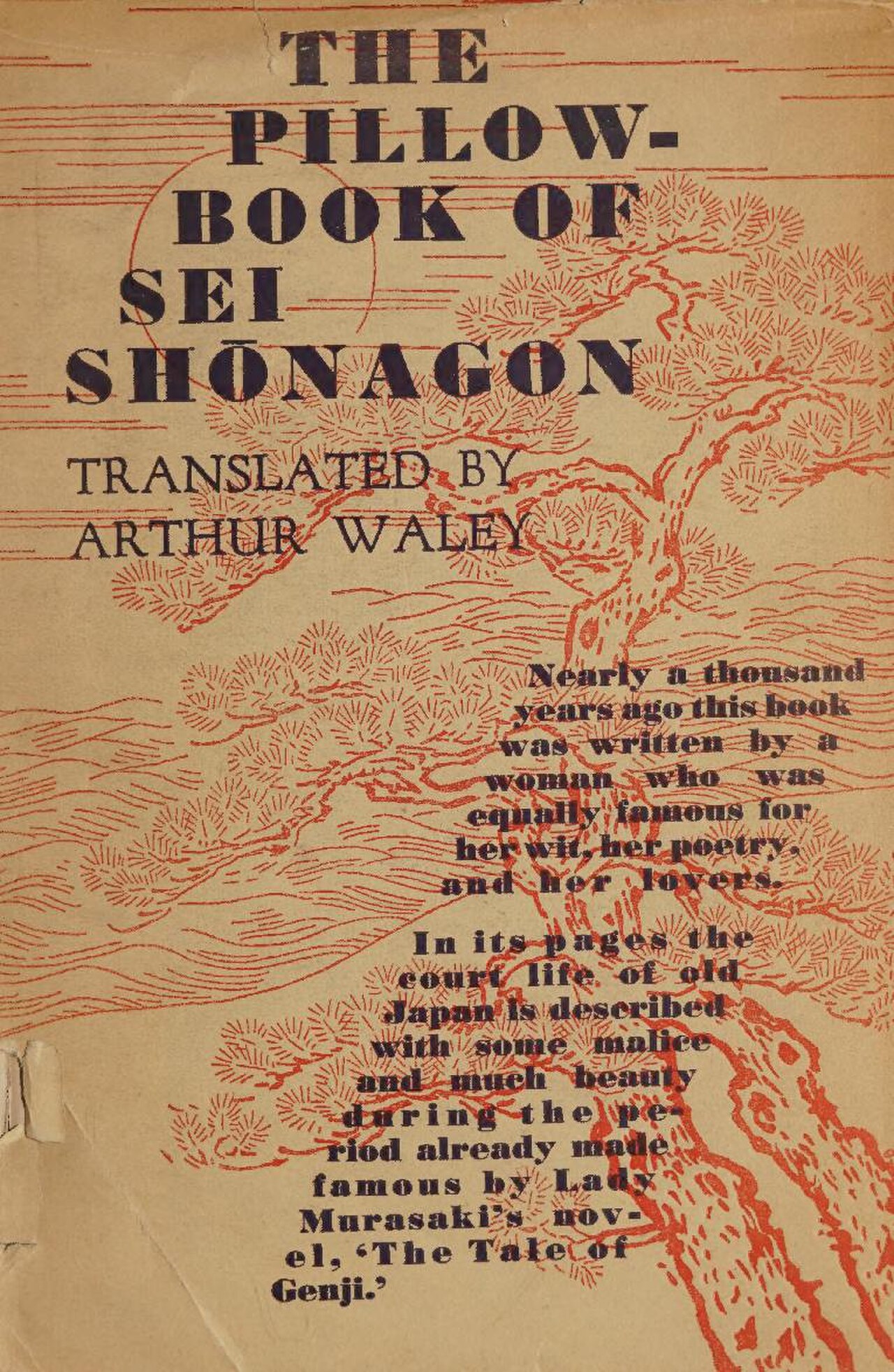 Book
Primary source
Sei Shōnagon · 1002
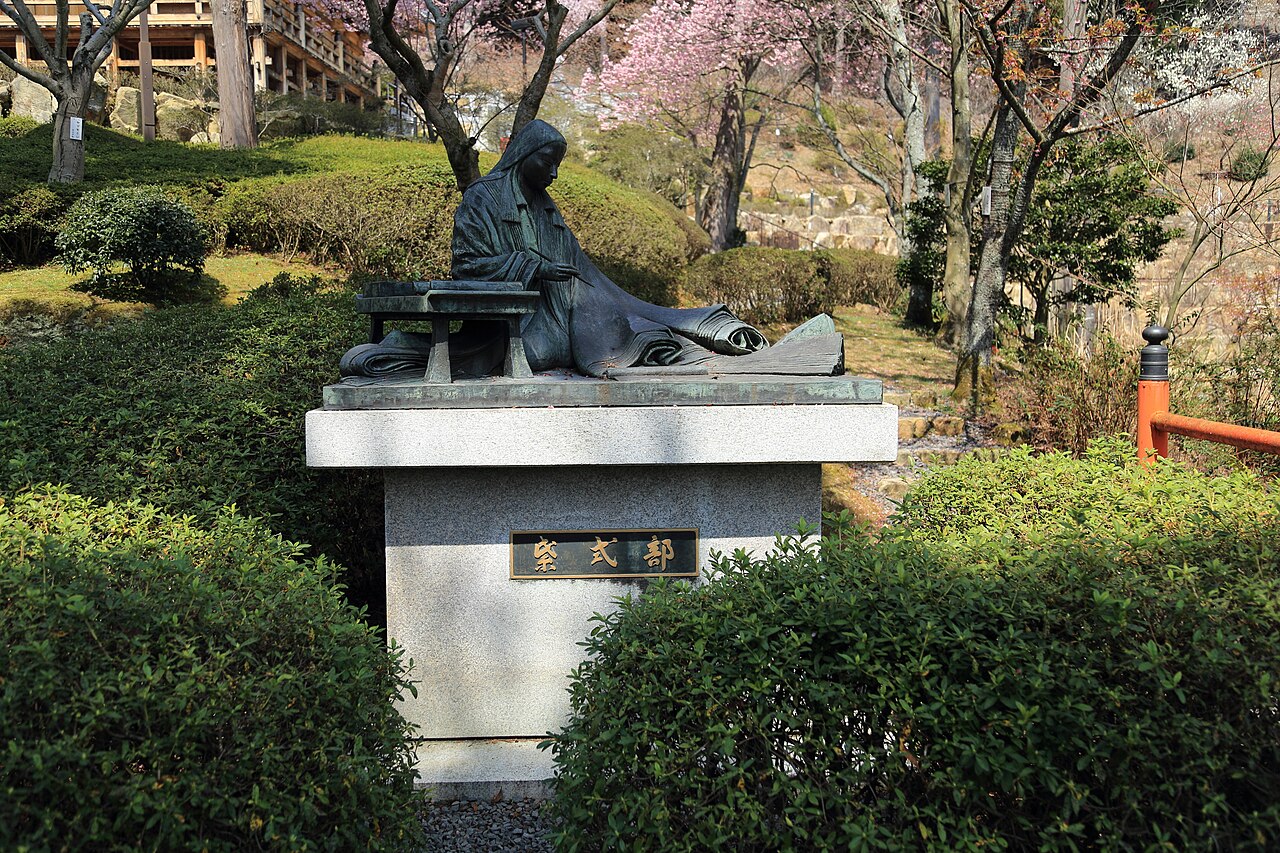 Sculpture
Secondary source
nobu3withfoxy from Iga,Mie, Japan · 2014-03-29
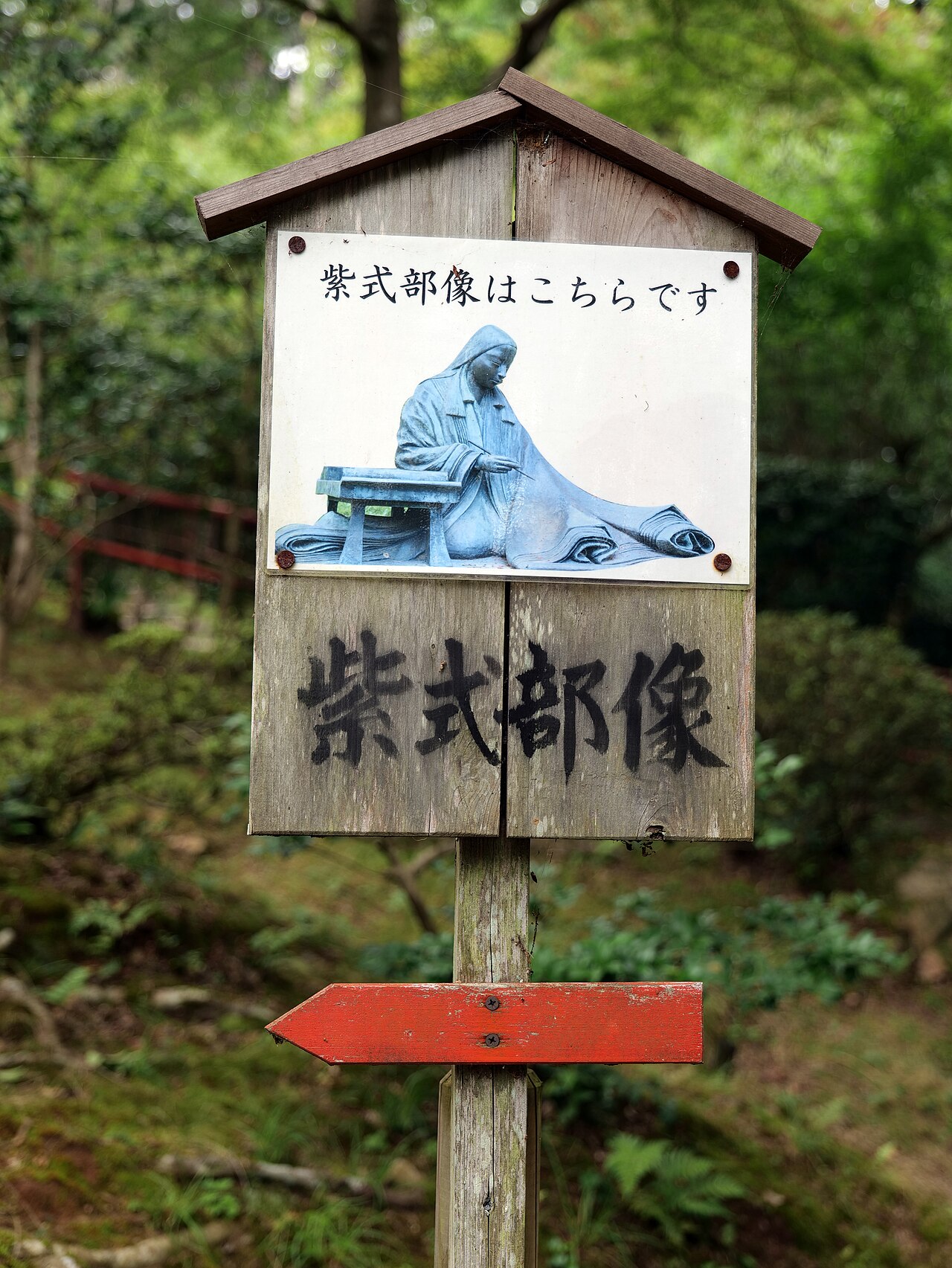 Photograph
Secondary source
Hyppolyte de Saint-Rambert · 27 June 2024
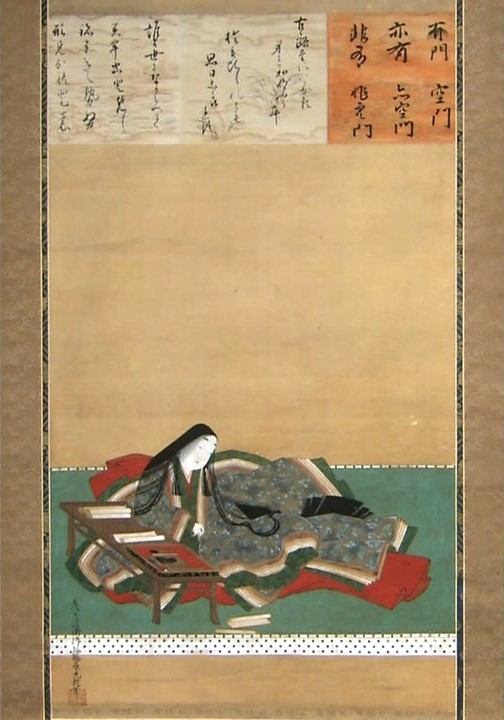 Painting
Secondary source
Tosa Mitsuoki · 17th century
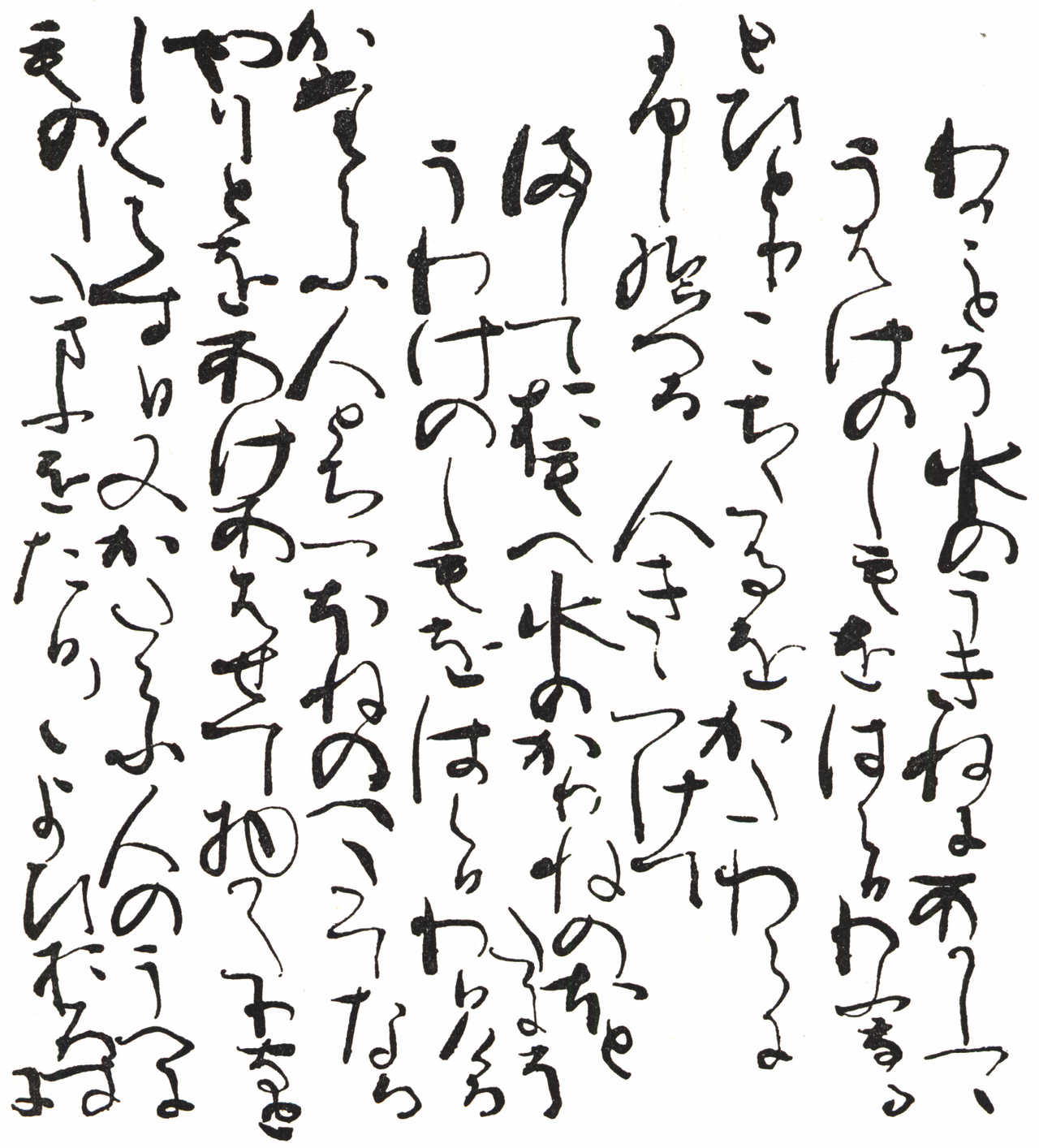 Diary entry
Primary source
Sugawara no Takasue no musume
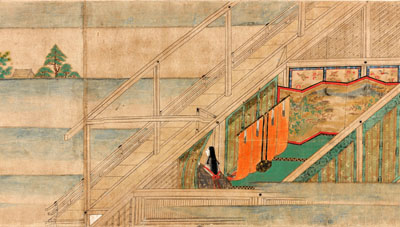 Painting
Secondary source
Tosa Mitsunobu · 1497
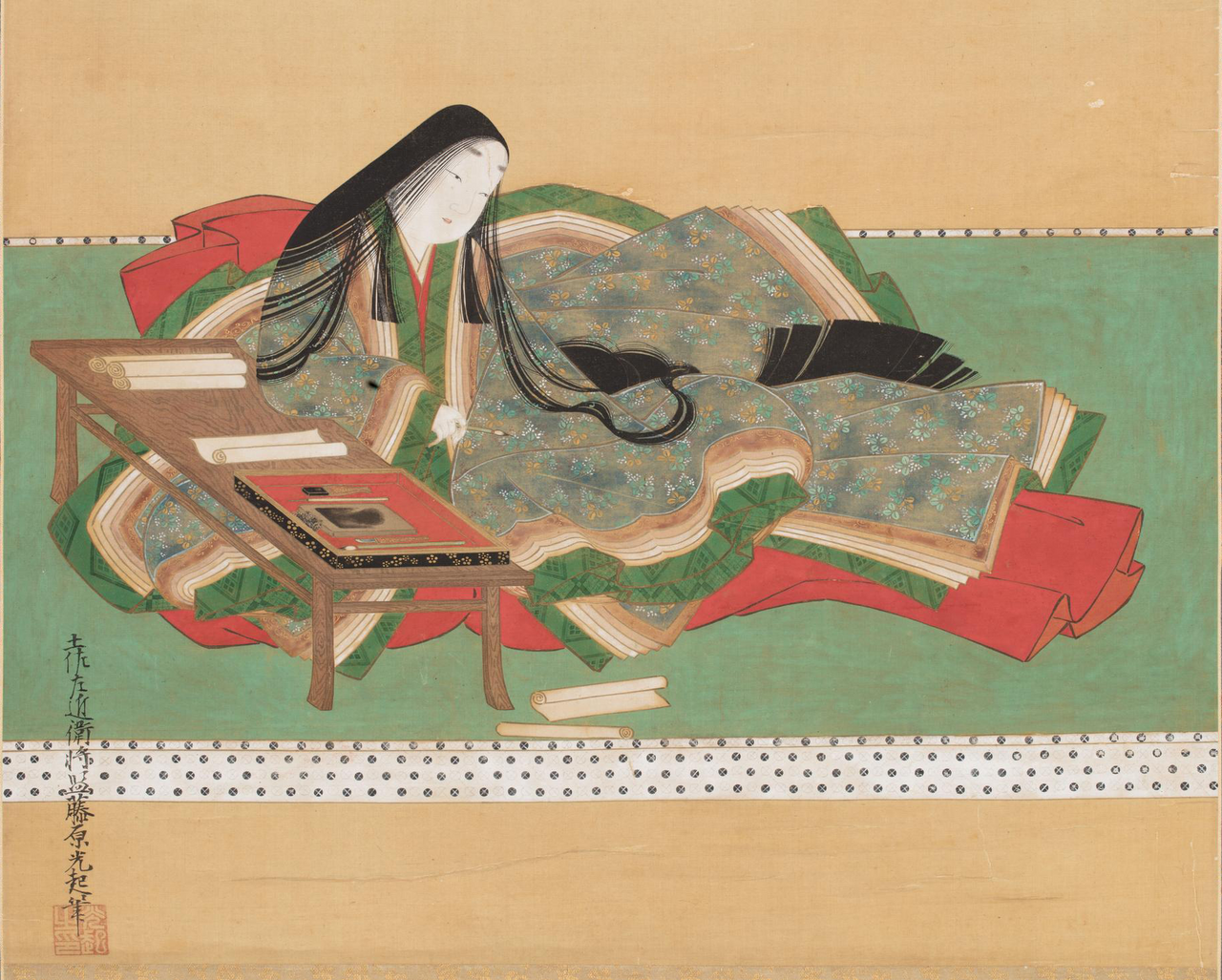 Painting
Secondary source
Tosa Mitsuoki · 17th century
PaintingSecondary source
Edo period
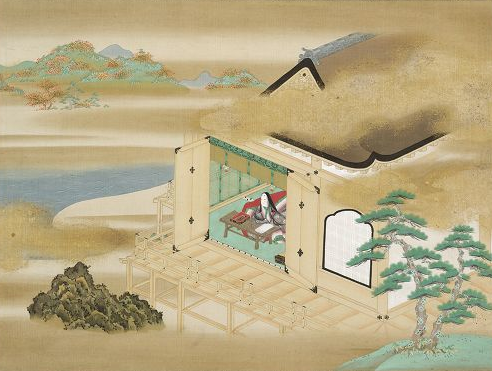 Painting
Secondary source
Tosa Mitsuoki · 17th century
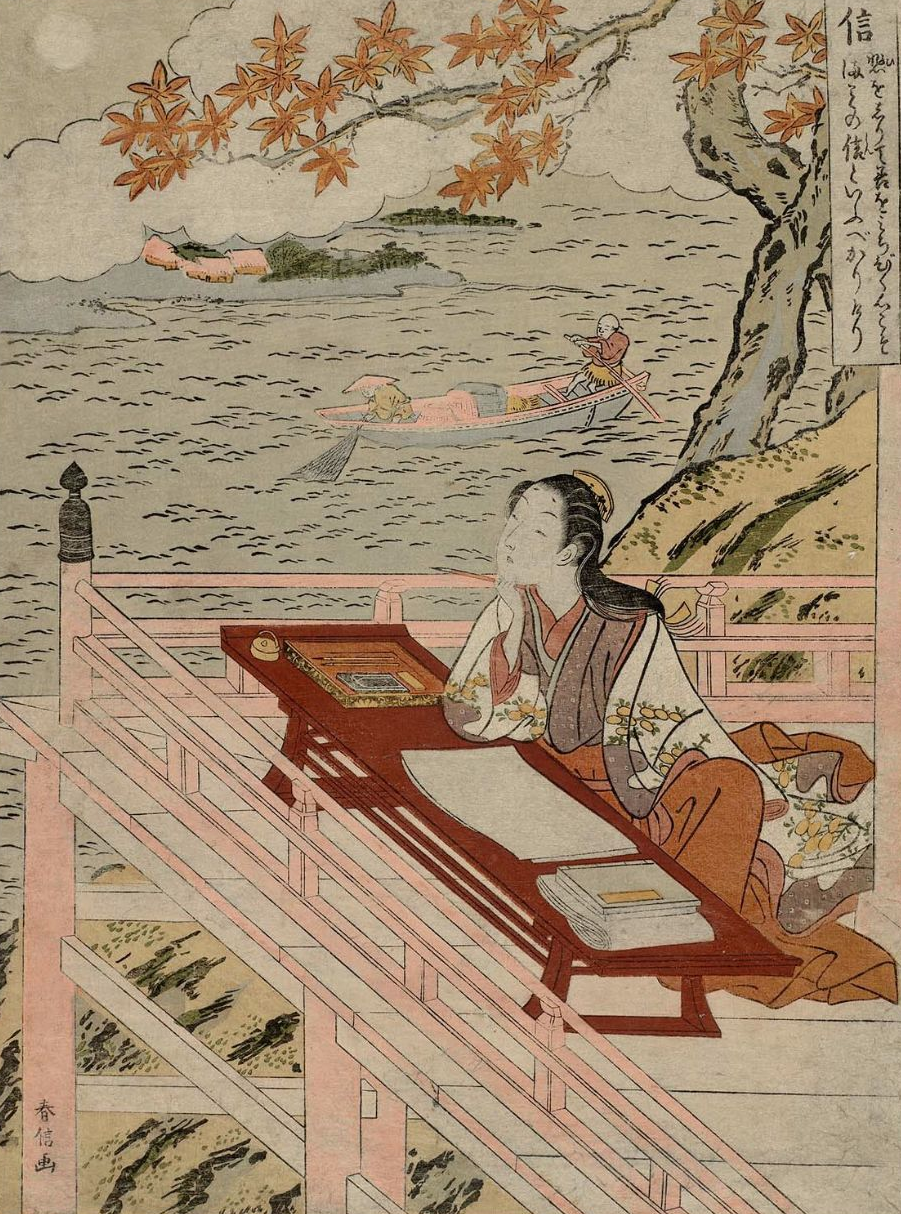 Painting
Secondary source
Suzuki Harunobu · 1767
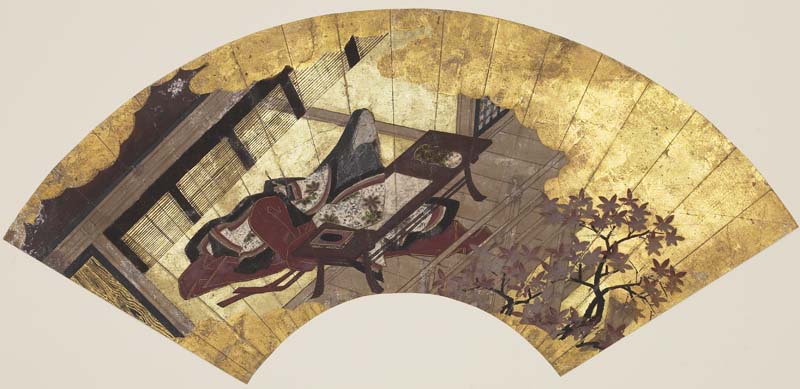 Painting
Secondary source
anonymous · 17th century
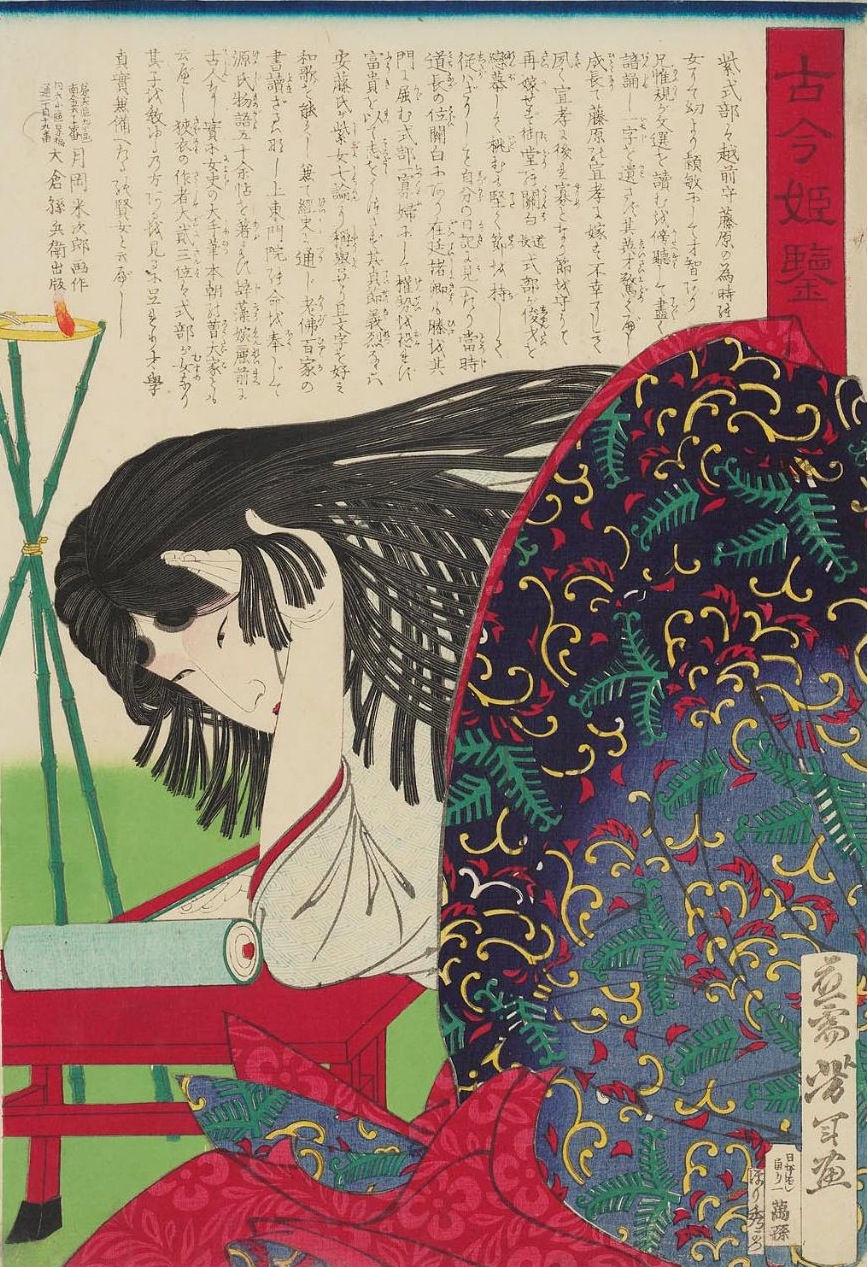 Painting
Secondary source
Tsukioka Yoshitoshi · 1876
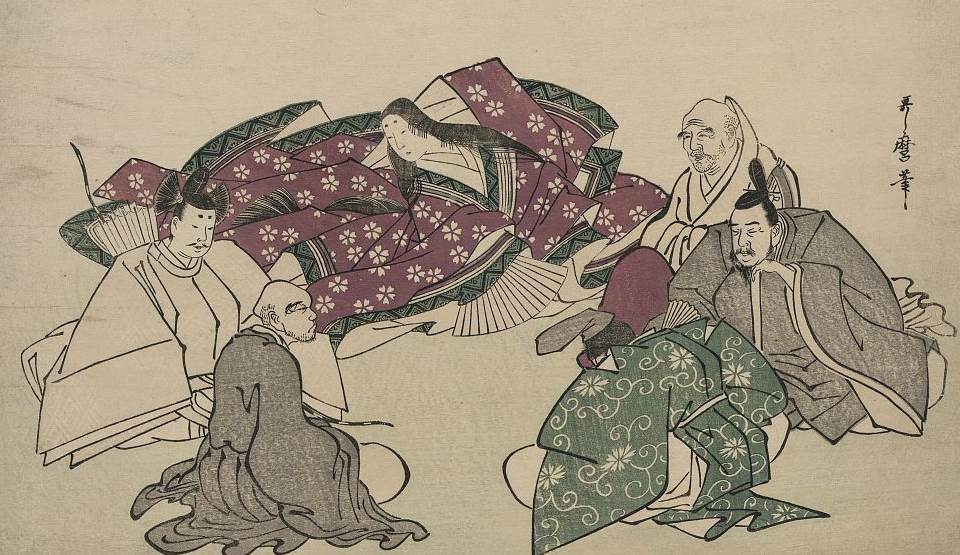 Painting
Secondary source
Kitagawa Utamaro · between 1795 and 1806
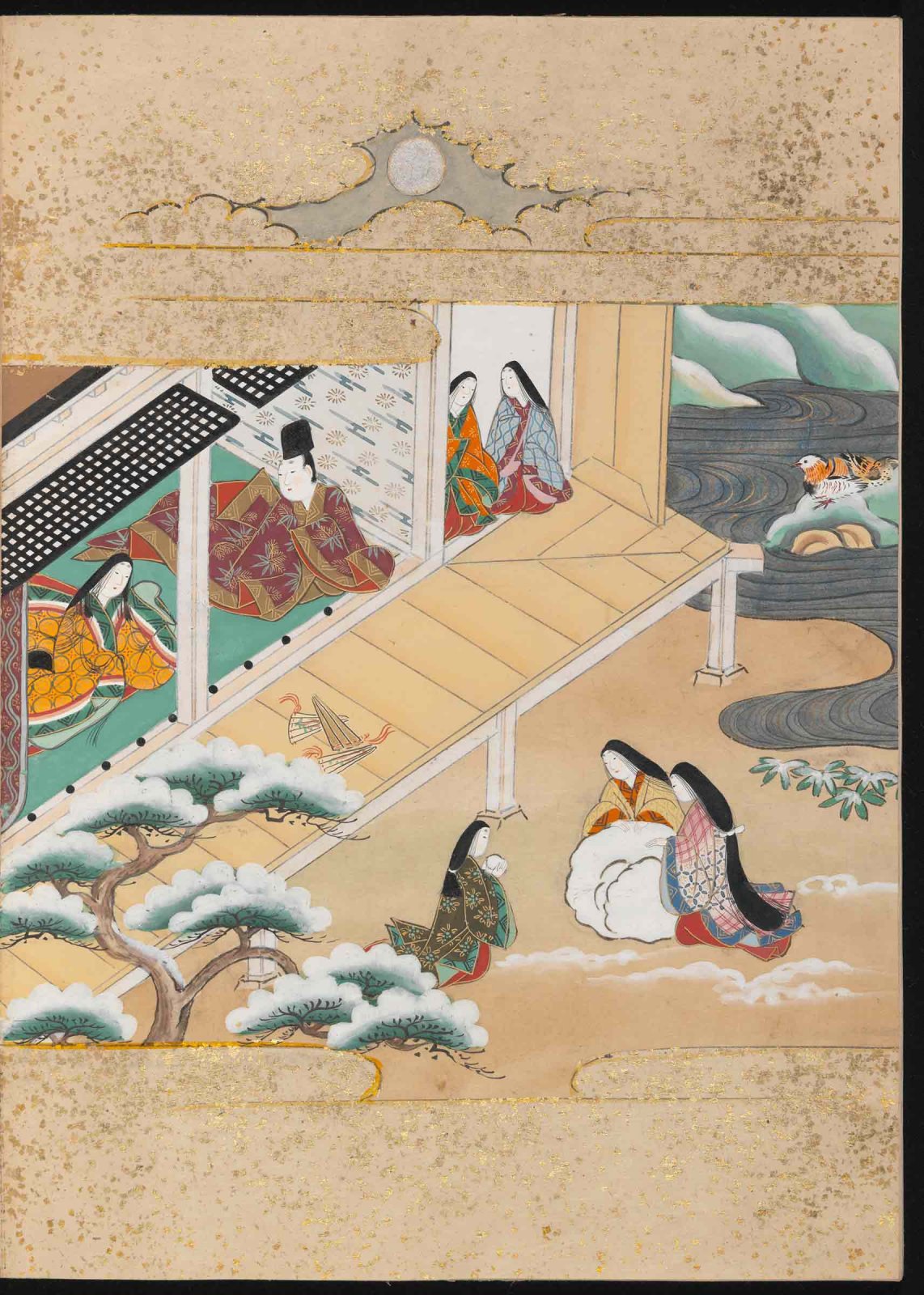 Book
Secondary source
Unknown · mid-17th century
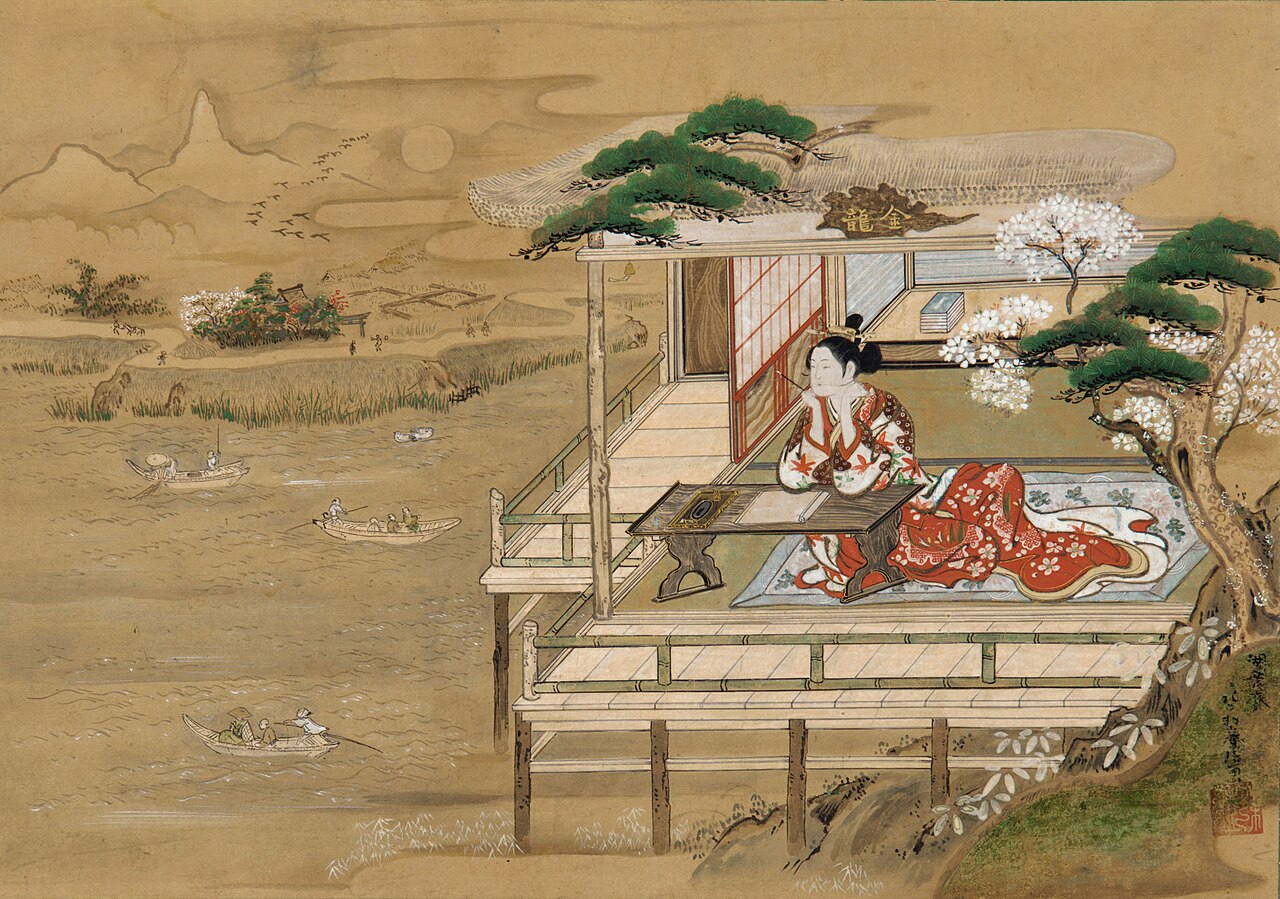 Painting
Secondary source
Yashima Gakutei · 19th century
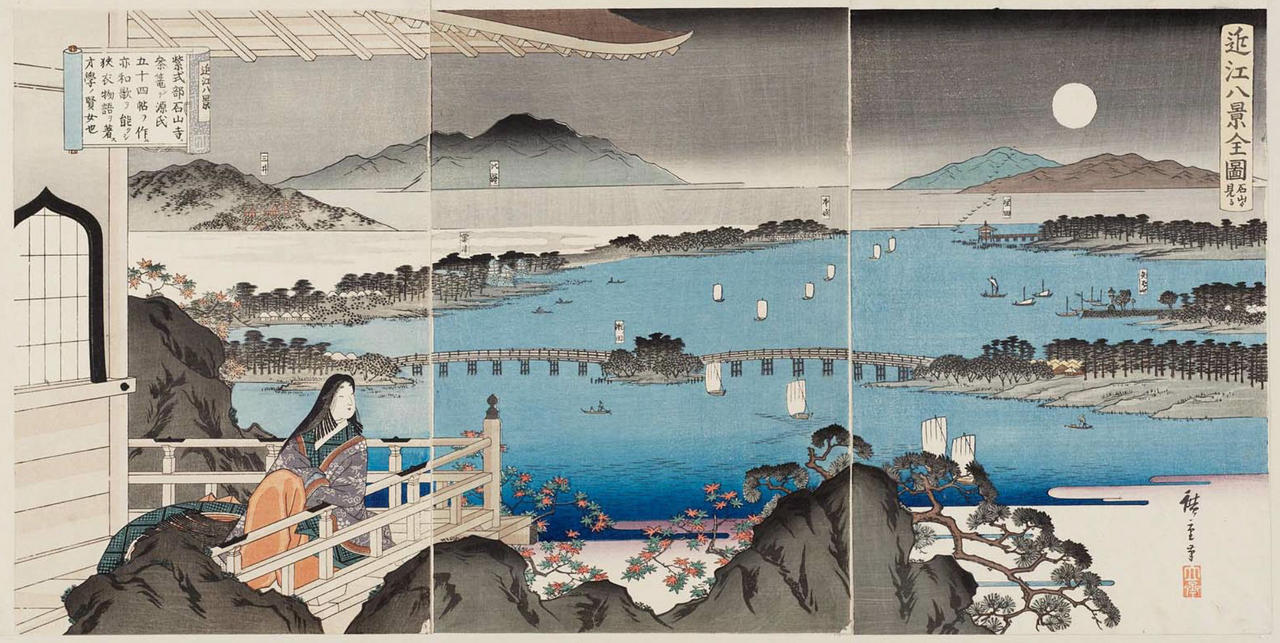 Painting
Secondary source
Utagawa Hiroshige · c. 1855
Secondary source
William George Aston · 1899
Primary source
Murasaki Shikibu · 1926
Primary source
Murasaki Shikibu · 1890 edition
 Book
Primary source
Lady Murasaki
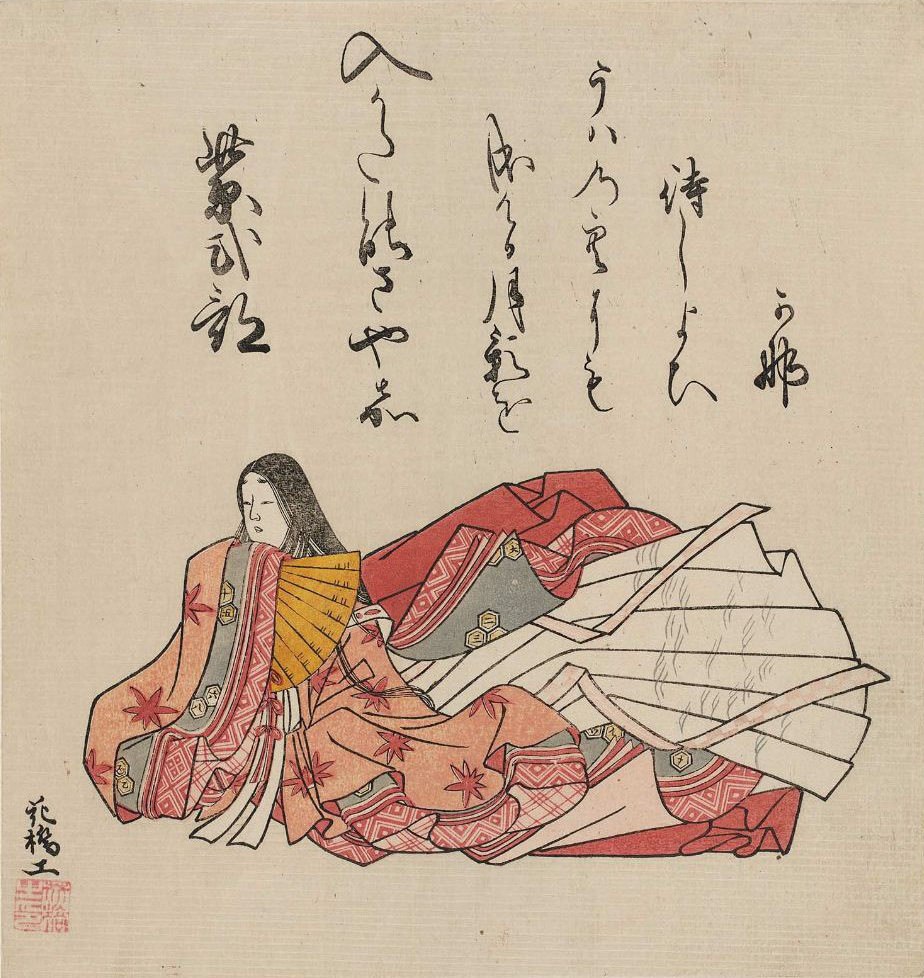 Painting
Secondary source
Komatsuken · 1765
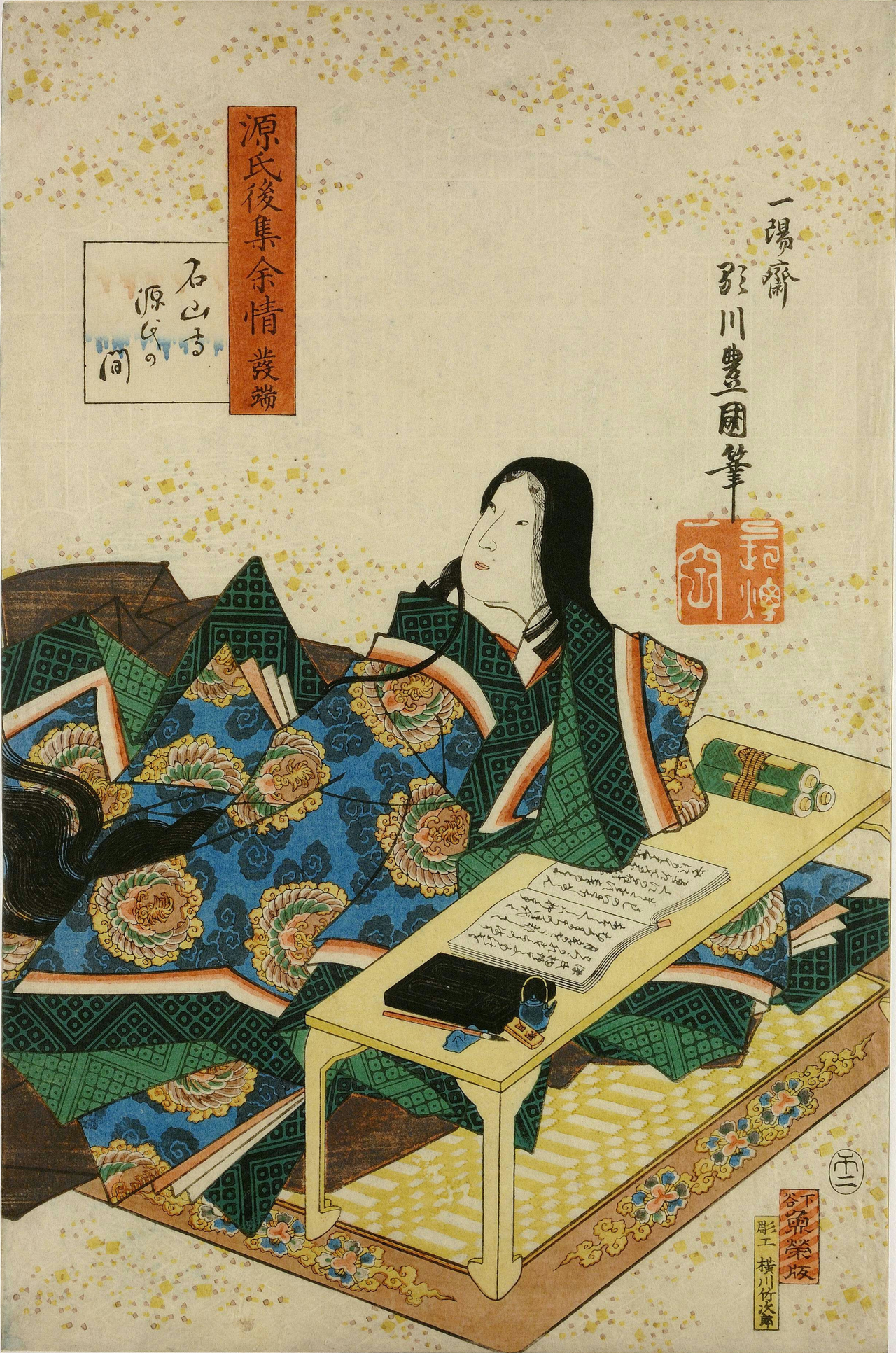 Painting
Secondary source
Utagawa Kunisada · 1858
Primary source
Annie Shepley Omori · 1920
Primary source
Murasaki Shikibu · Diary written A.D. 1007-1010; this translation 1920
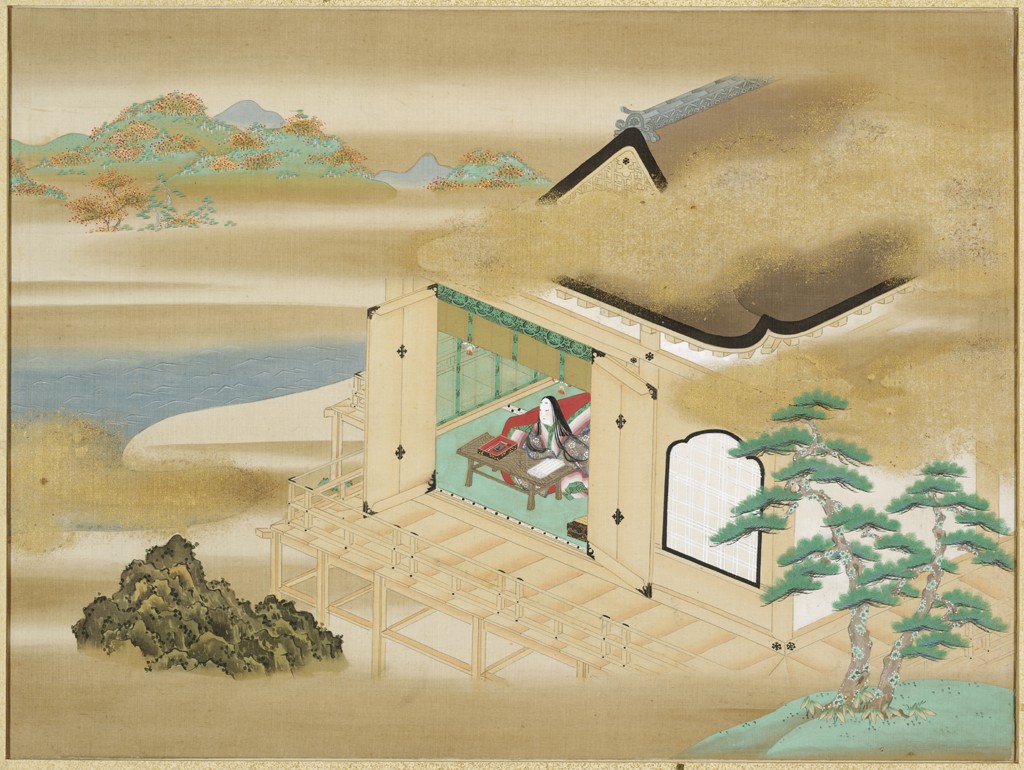 Painting
Secondary source
Tosa Mitsuoki
Primary source
Murasaki Shikibu · Diary c. early 11th century; this anthology 1955
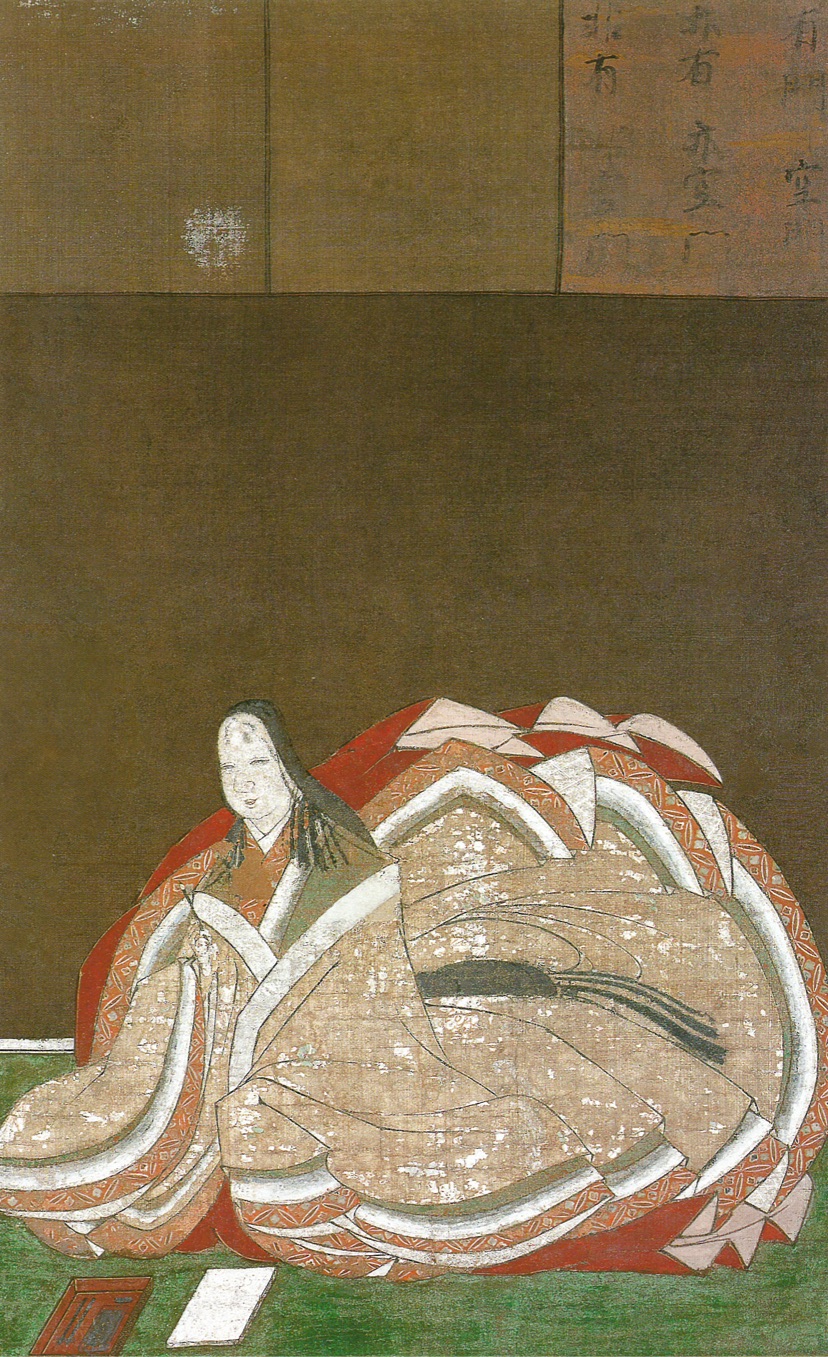 Painting
Secondary source
Kanō Takanobu · 1573
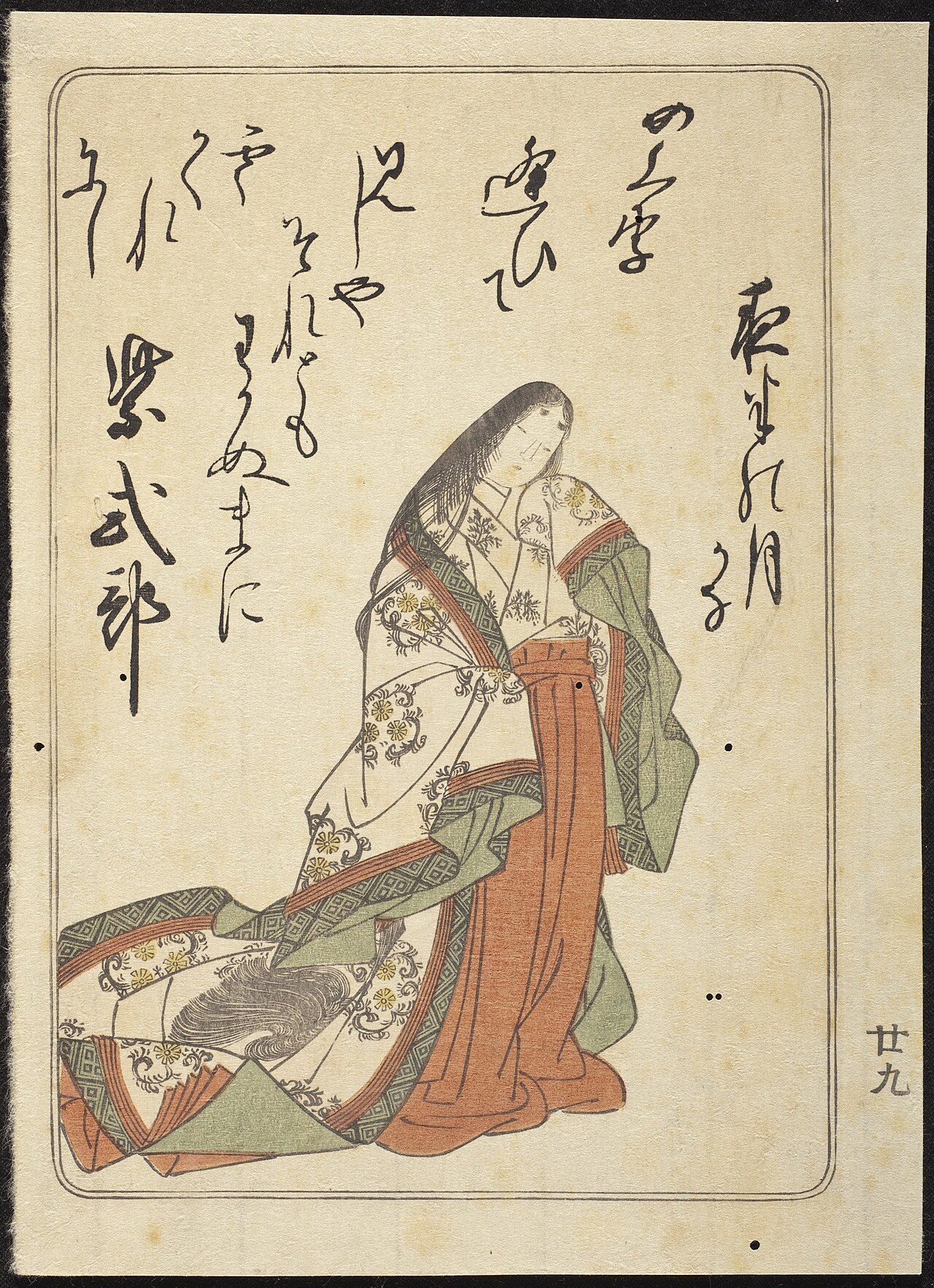 Painting
Secondary source
Katsukawa Shunshō · c. 1775
Primary source
Murasaki Shikibu · 1926 (novel written c. early 11th century)
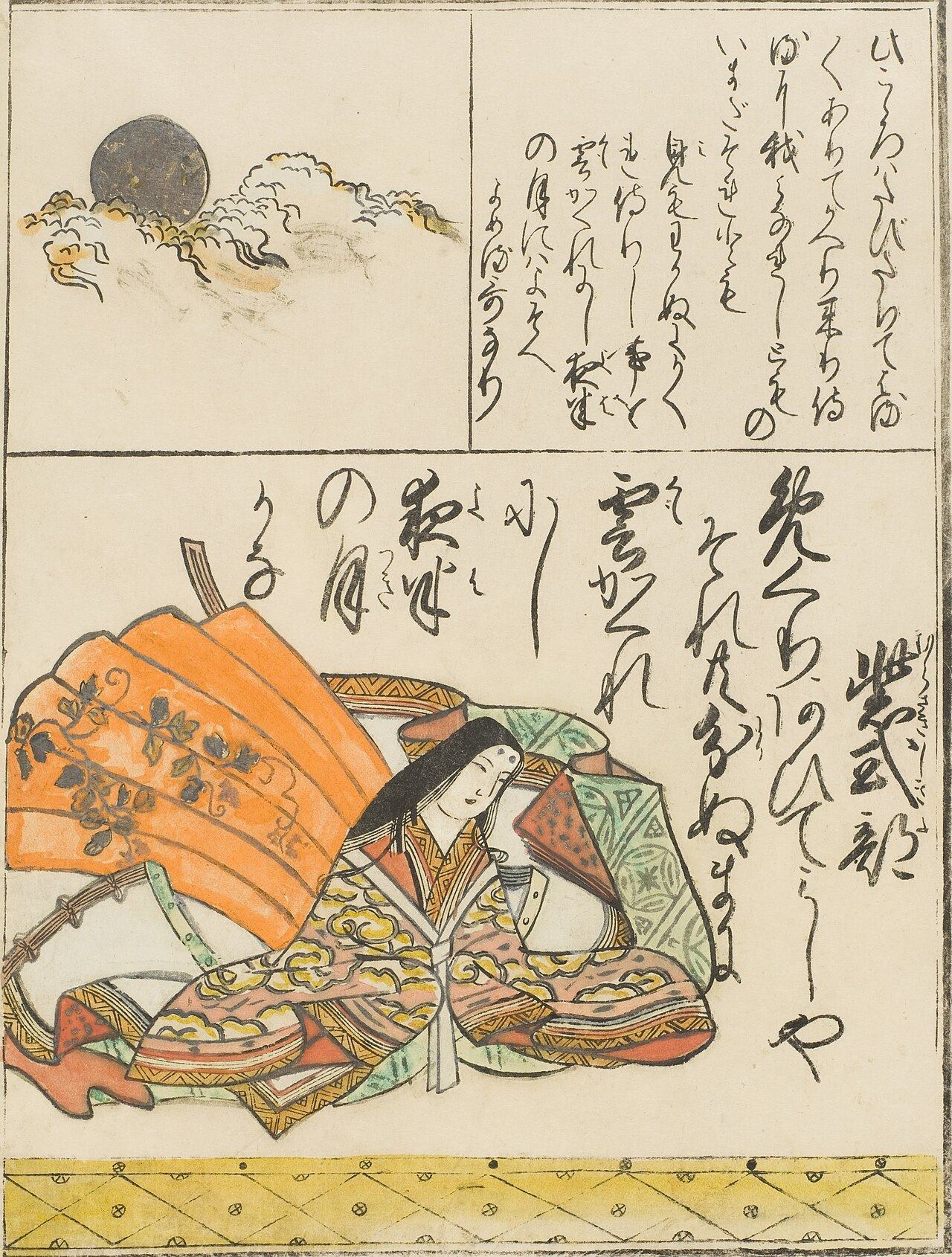 Painting
Secondary source
Attributed to Hishikawa Moronobu · c. 1670
Primary source
Murasaki Shikibu · 1927 (novel written c. early 11th century)
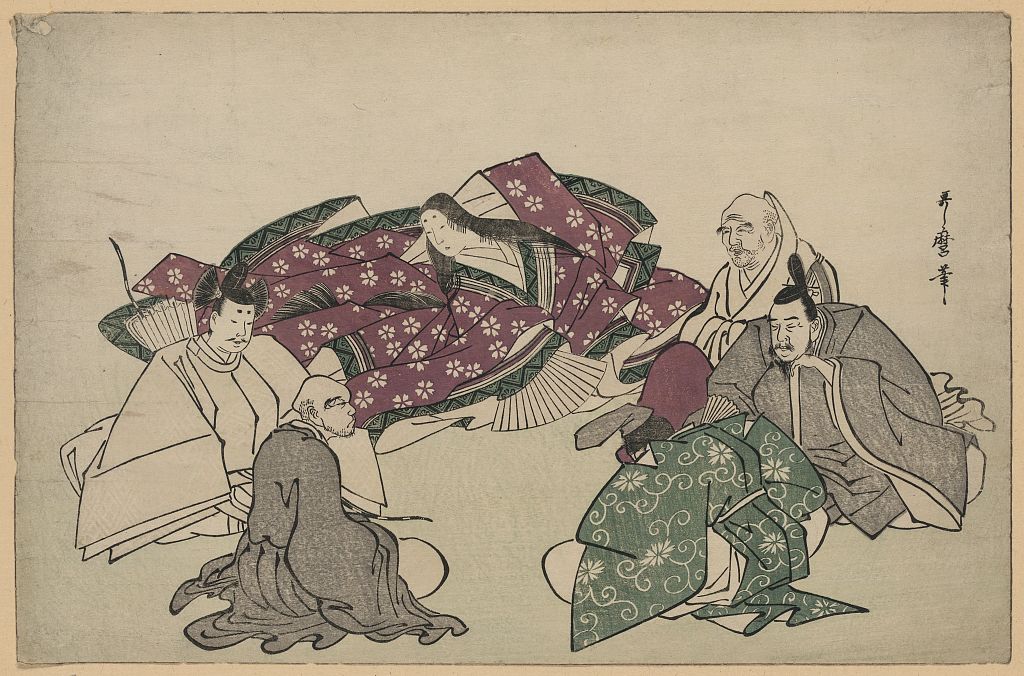 Painting
Secondary source
1795
Primary source
Murasaki Shikibu (translated by William Ninnis Porter) · 1909
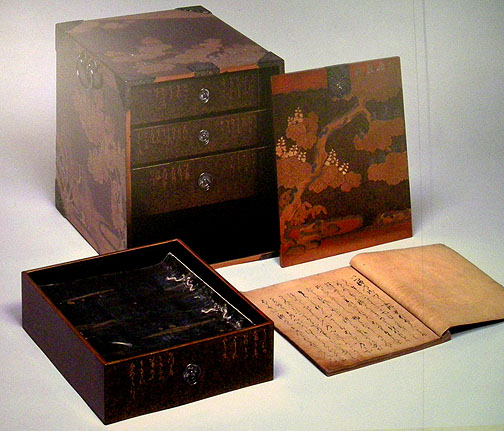 Book
Secondary source
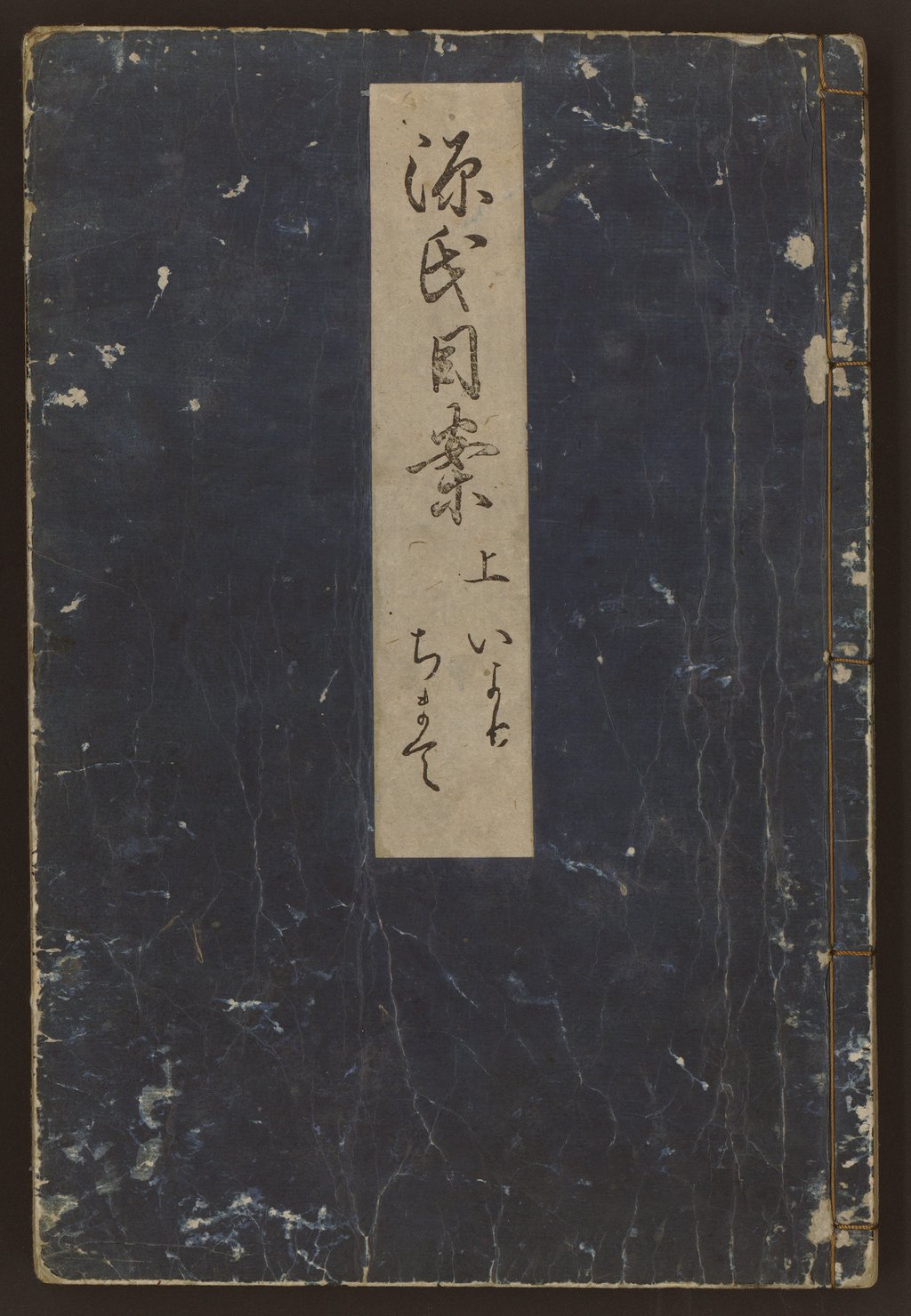 Book
Secondary source
1654
Tertiary source
1920
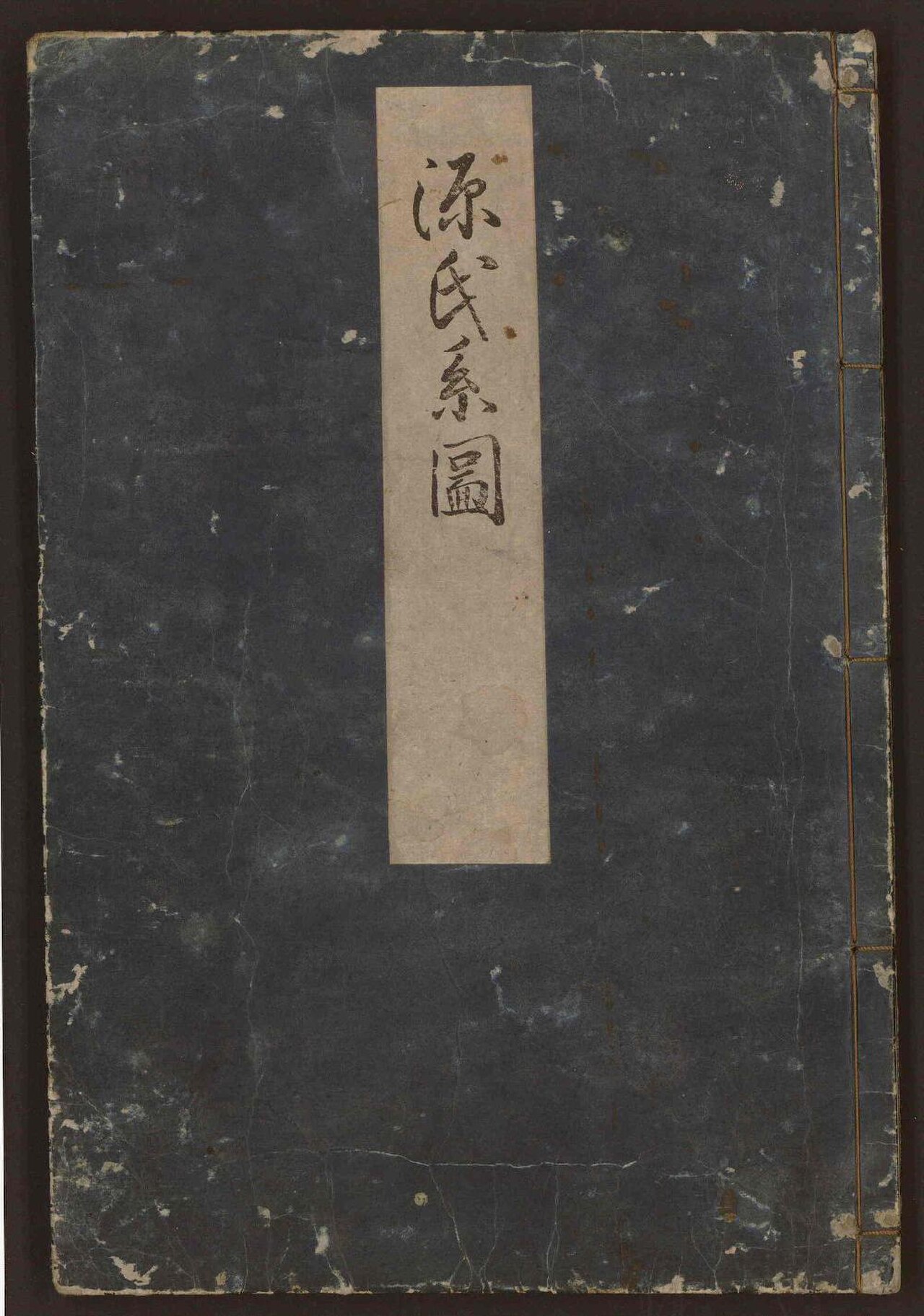 Book
Secondary source
1654
Secondary source
William George Aston · 1899
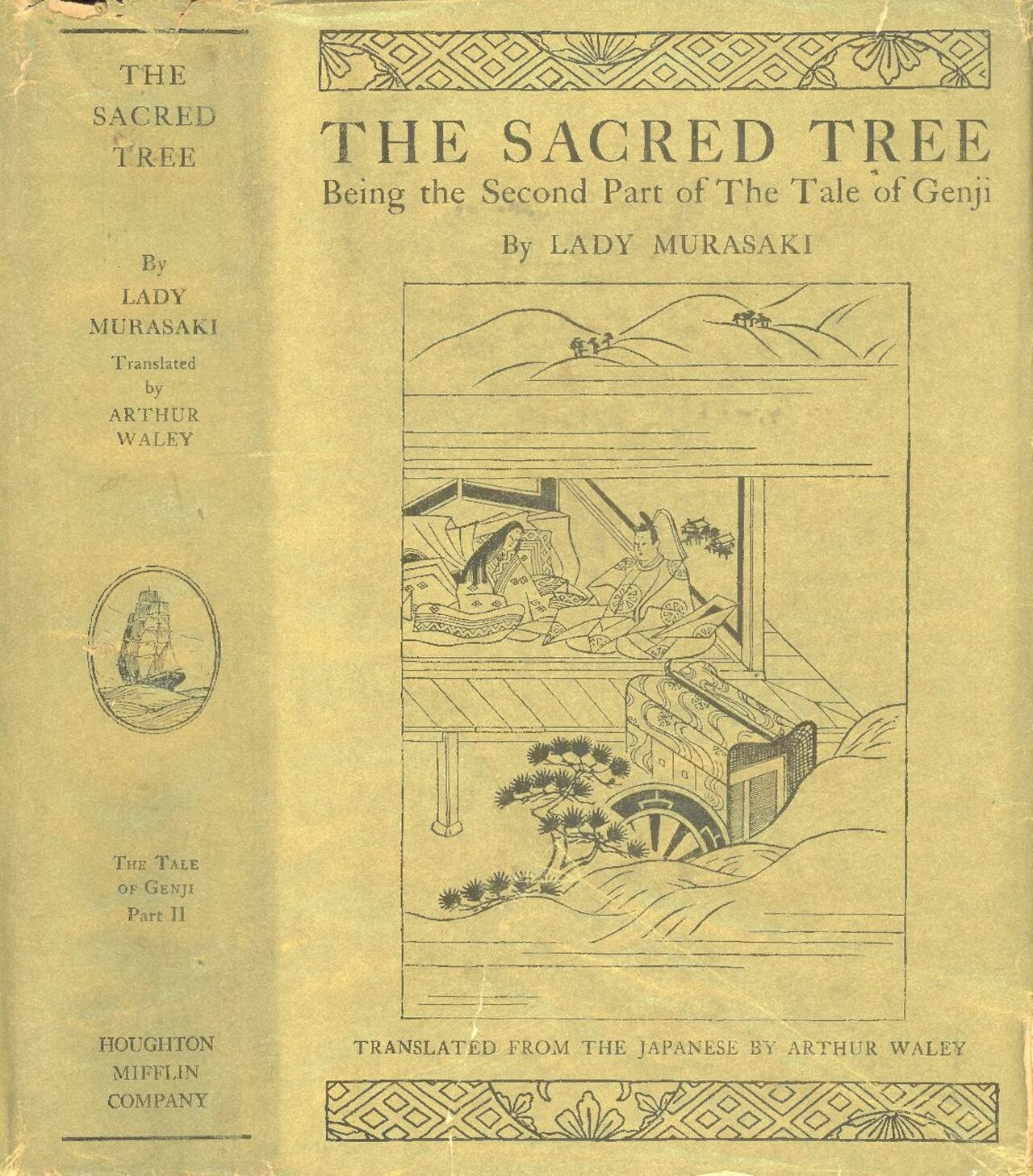 Book
Tertiary source
Arthur Waley · 1925–1933
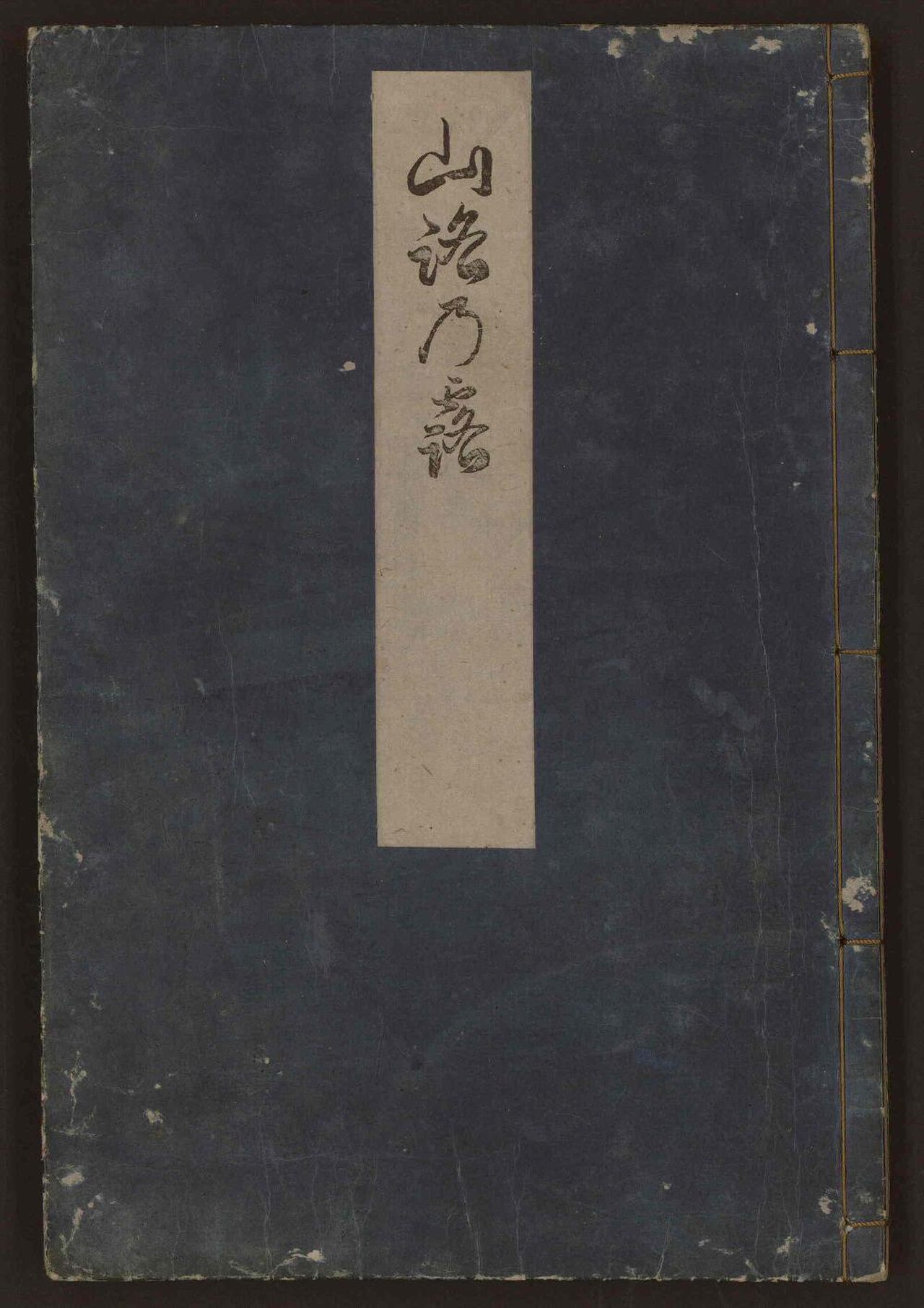 Book
Secondary source
1654
Secondary source
1955
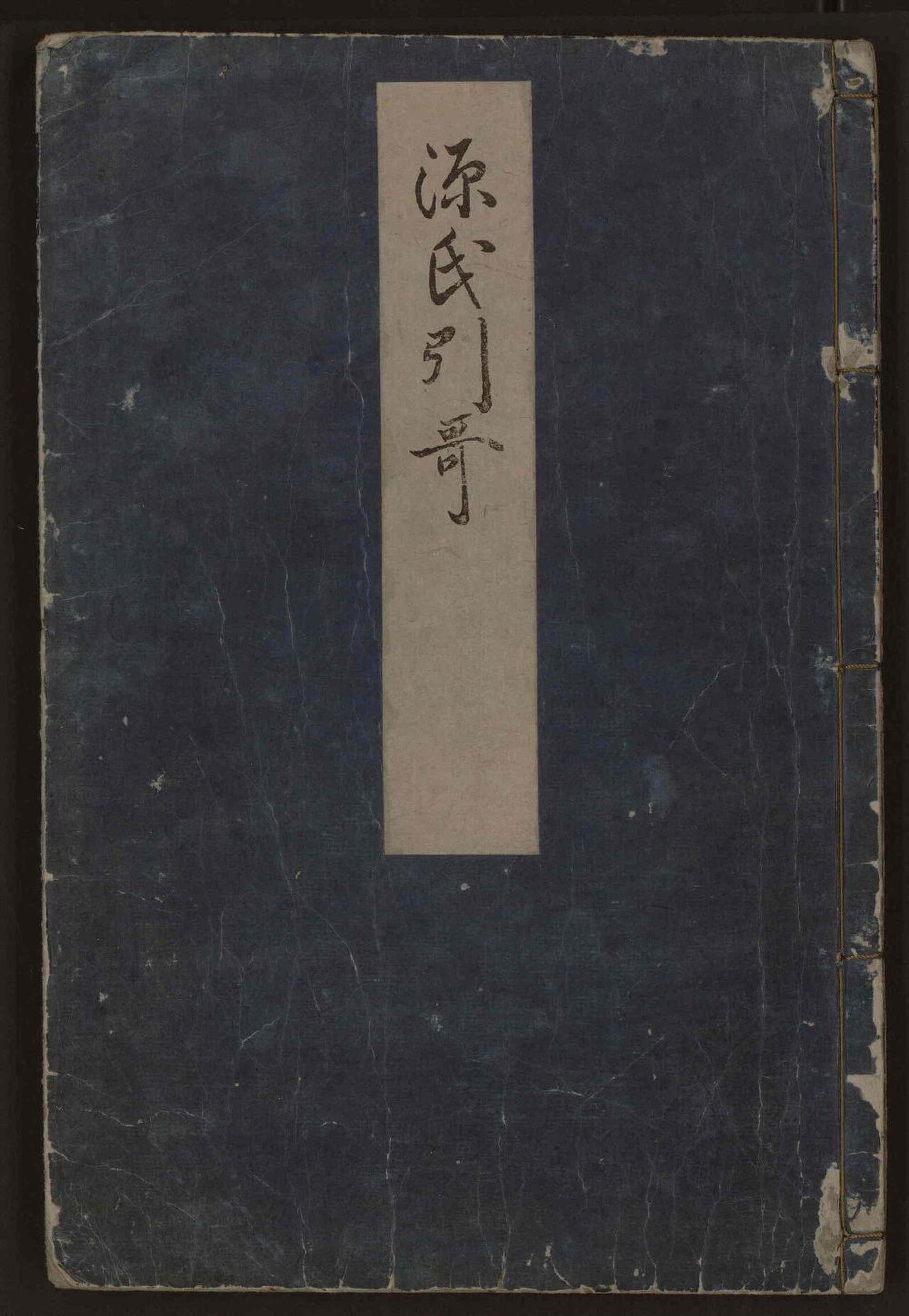 Book
Secondary source
1654
Primary source
Murasaki Shikibu (translated by Yone Noguchi) · 1907
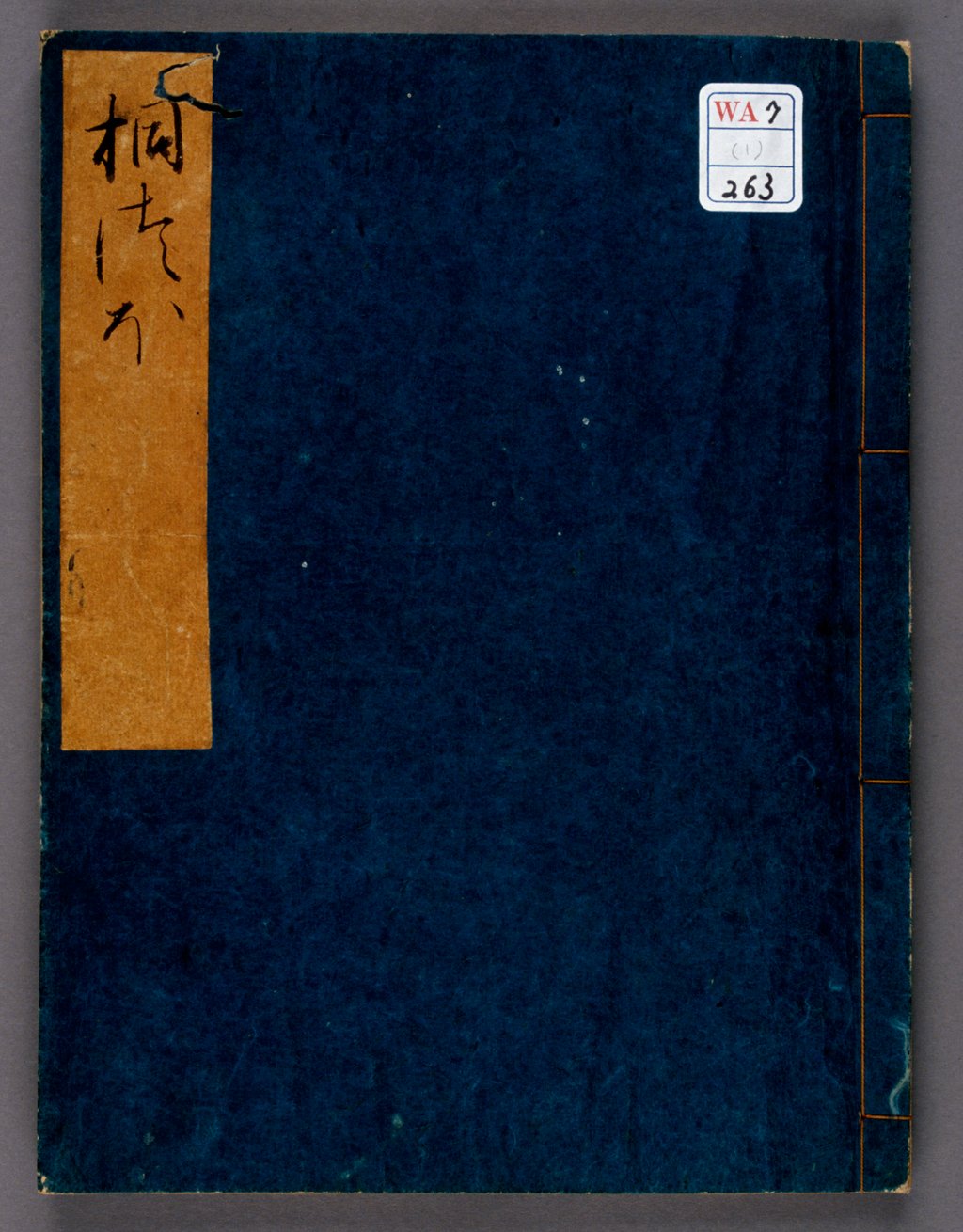 Book
Secondary source
between 1596 and 1615
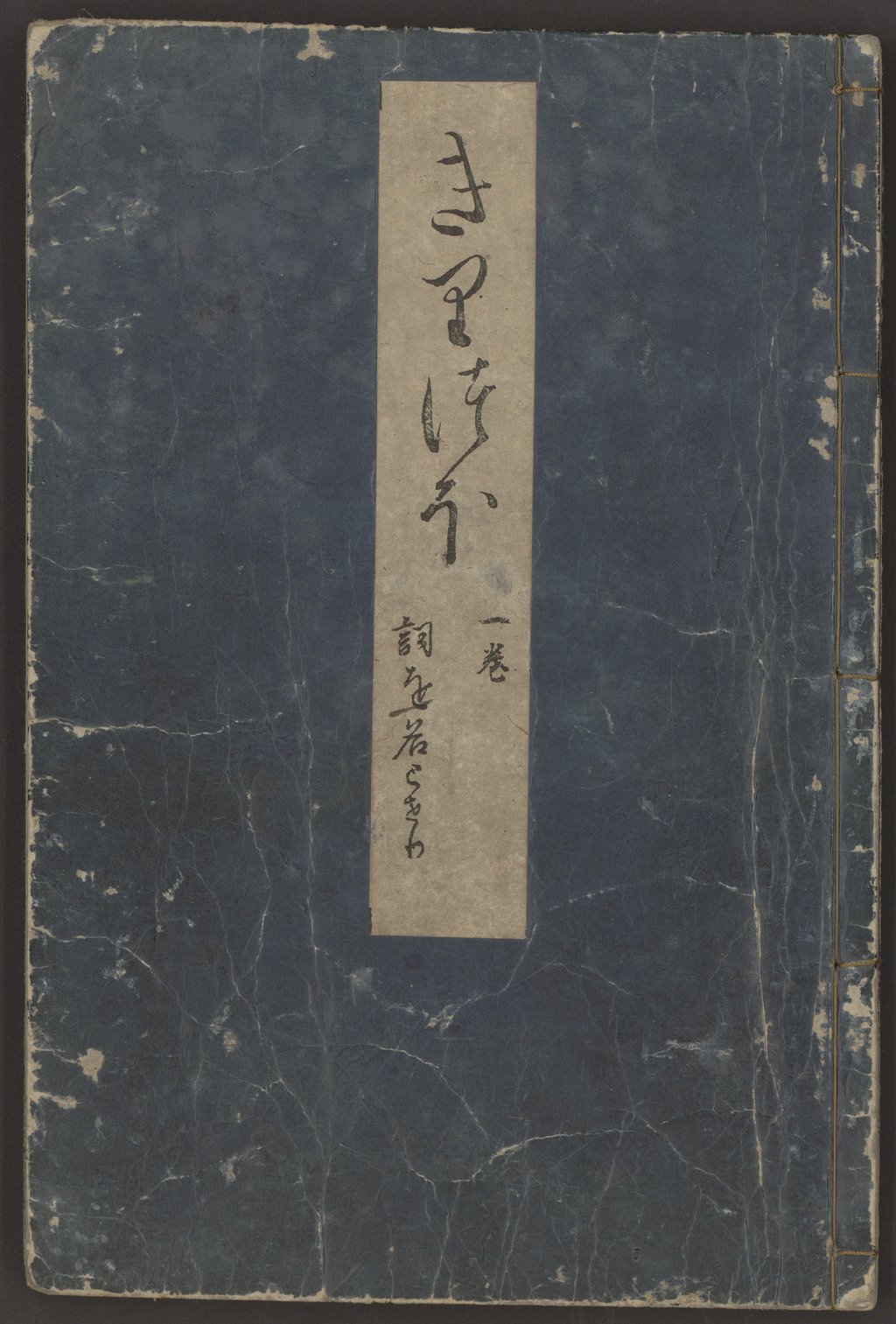 Book
Secondary source
Murasaki Shikibu · 1654
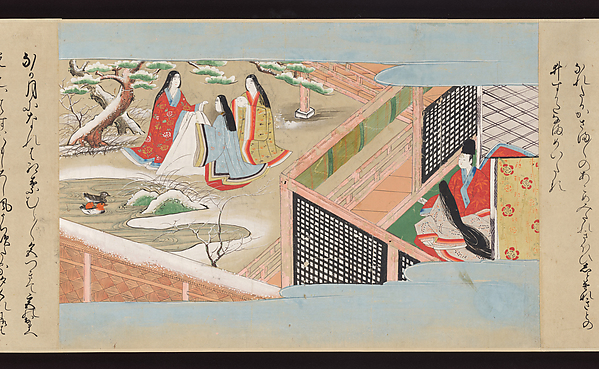 Painting
Secondary source
Ryūjo · 1594
 Book
Secondary source
Arthur Waley · 1925
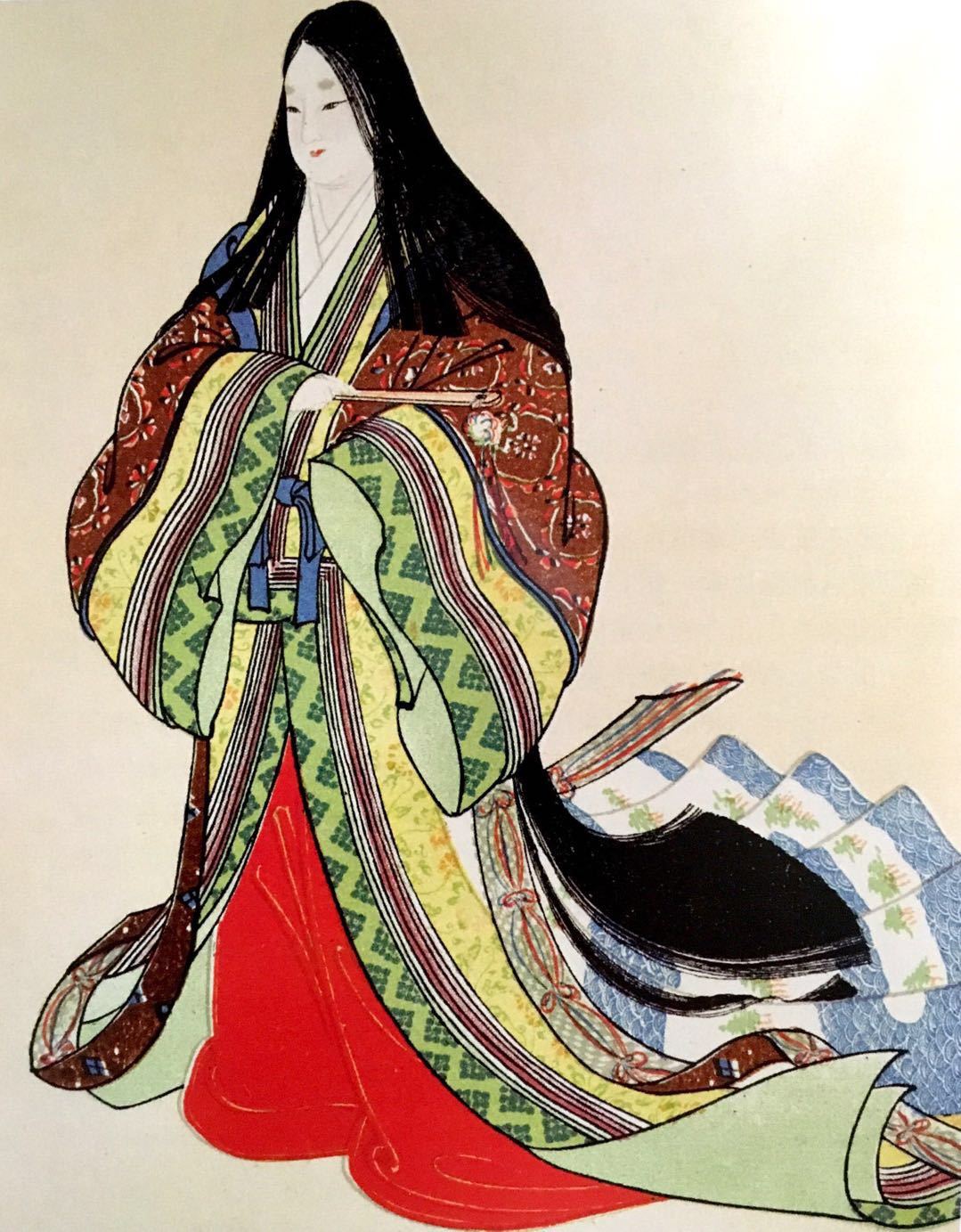 Painting
Secondary source
Unknown · 10th century (uncertain)
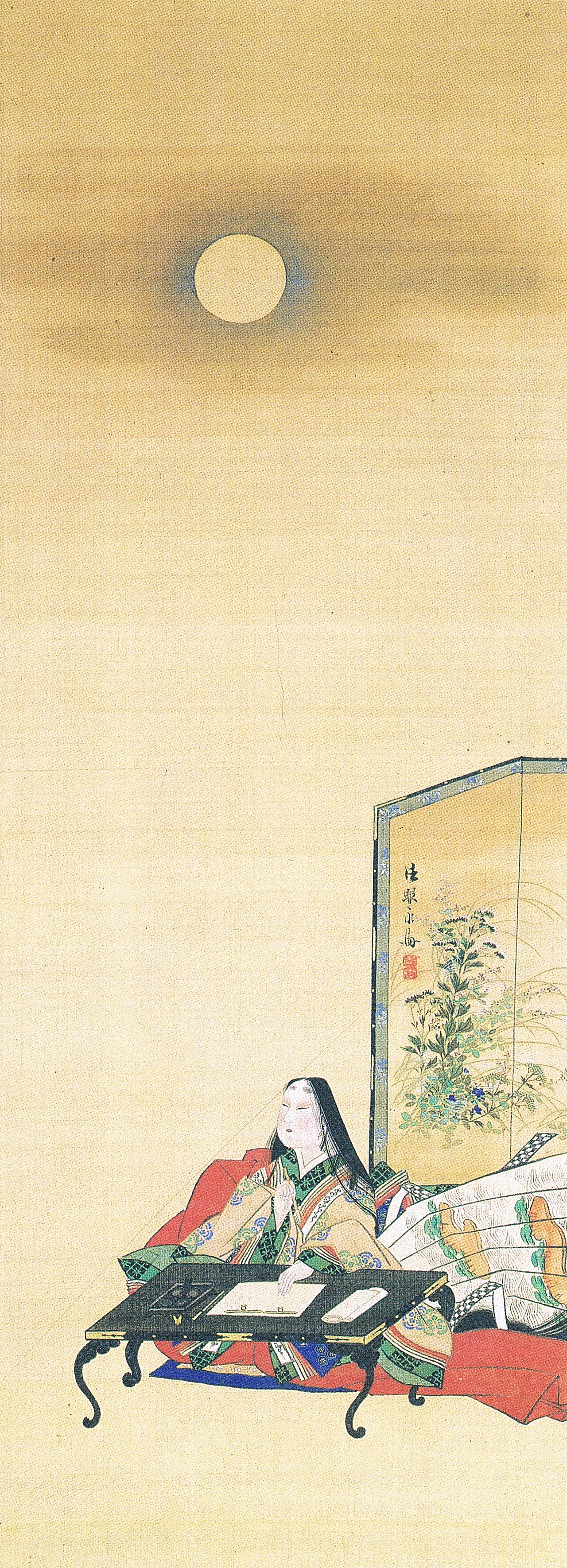 Painting
Secondary source
Satake Eikai · late Edo period
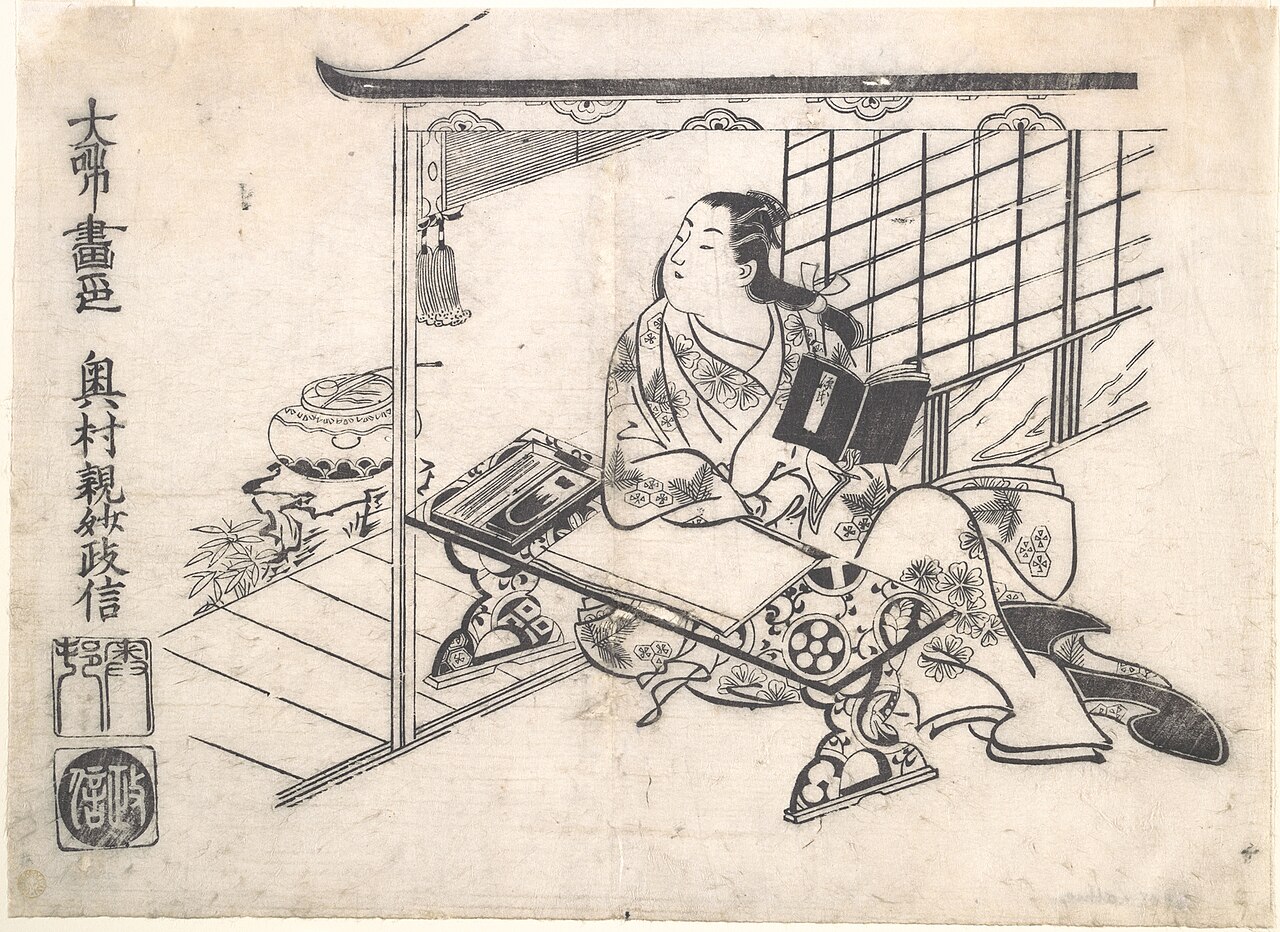 Painting
Secondary source
Okumura Masanobu · circa 1710
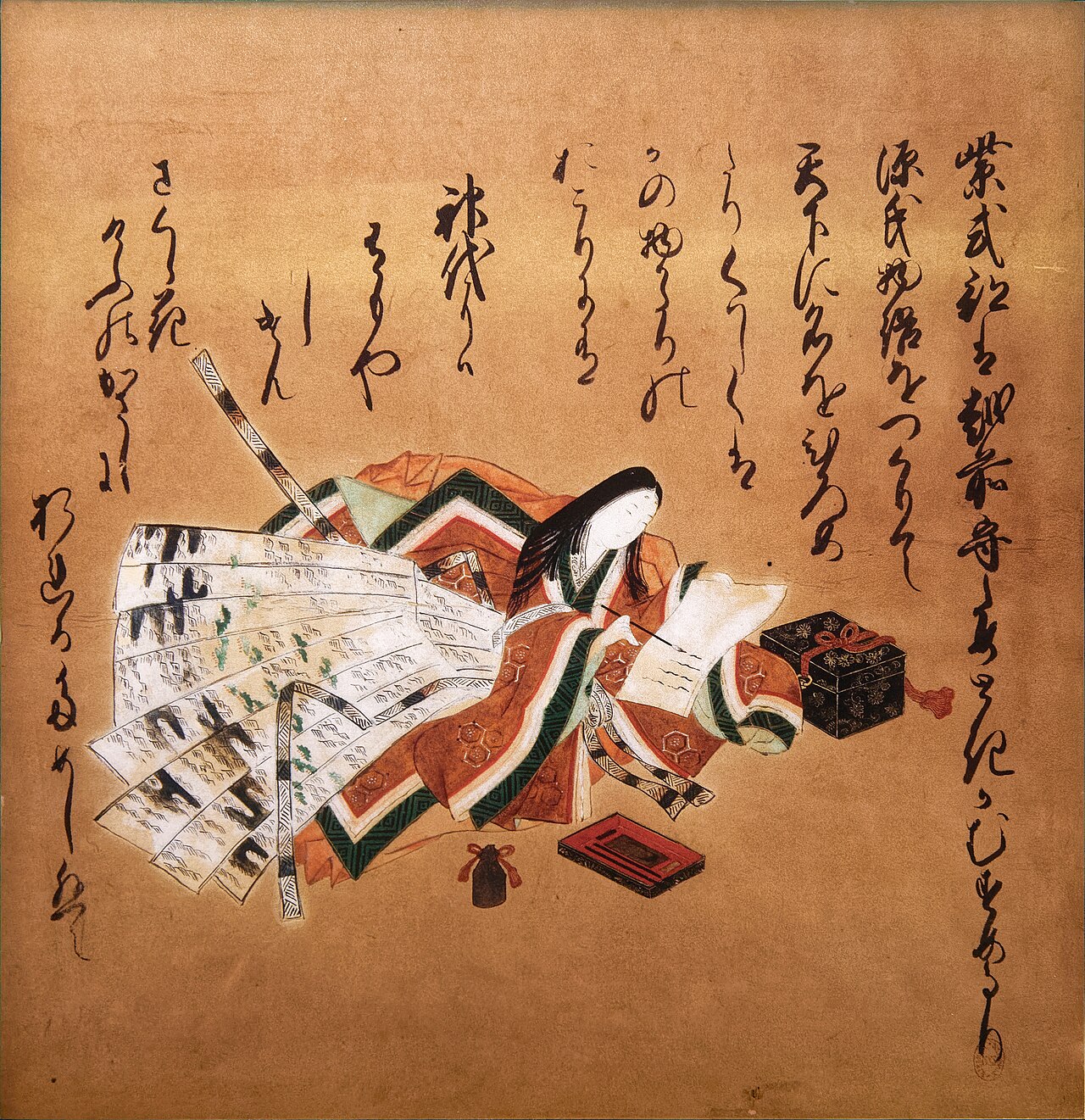 Painting
Secondary source
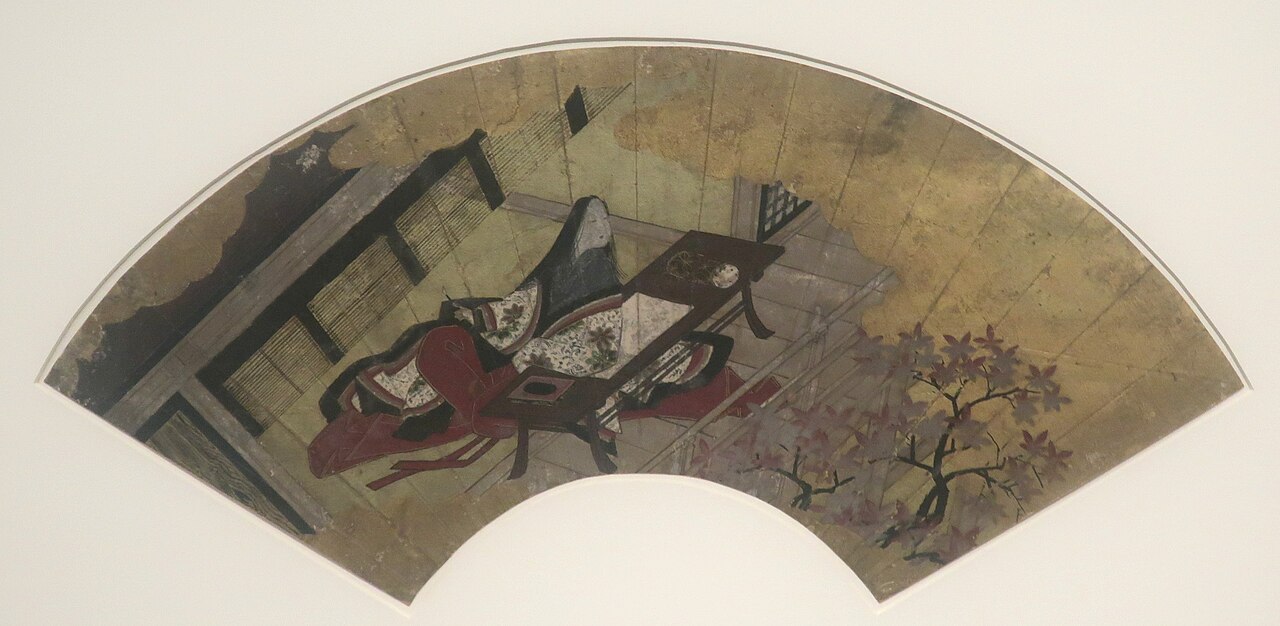 Painting
Secondary source
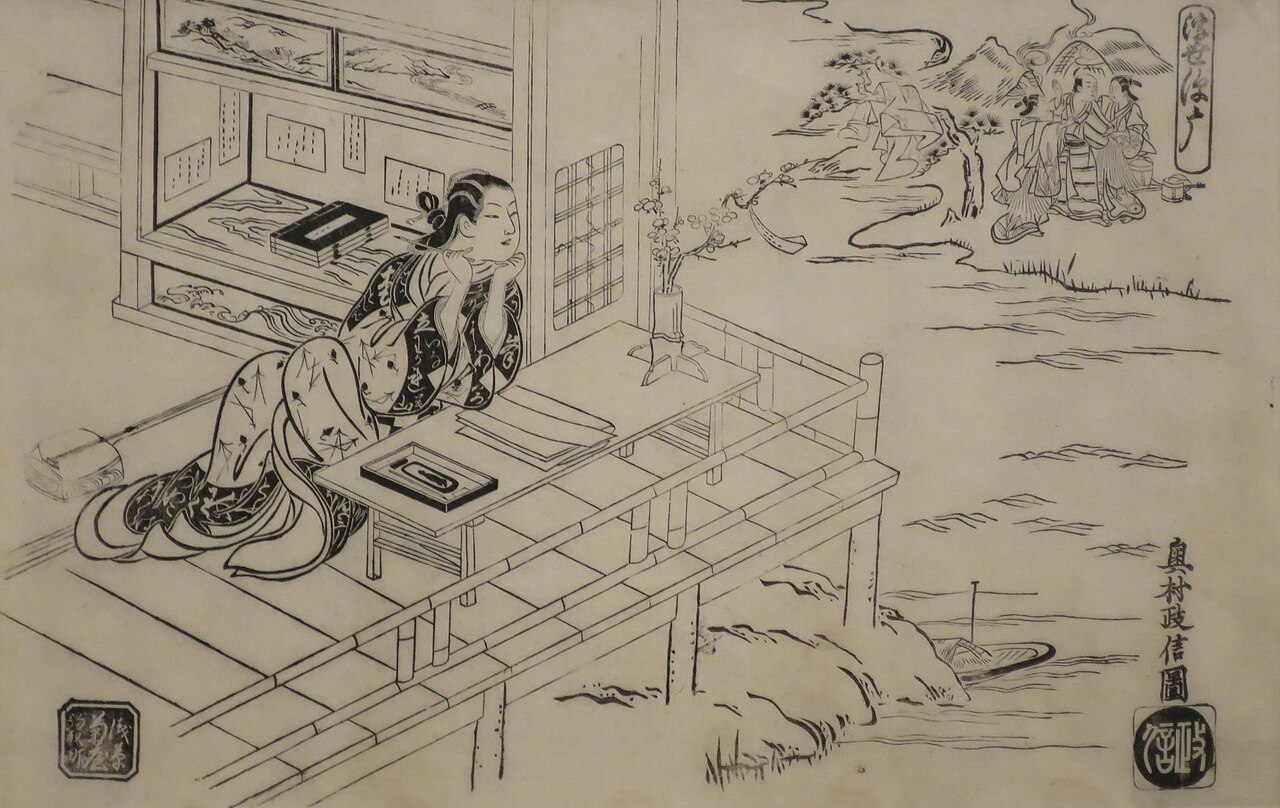 Painting
Secondary source
Okumura Masanobu · early 1720s
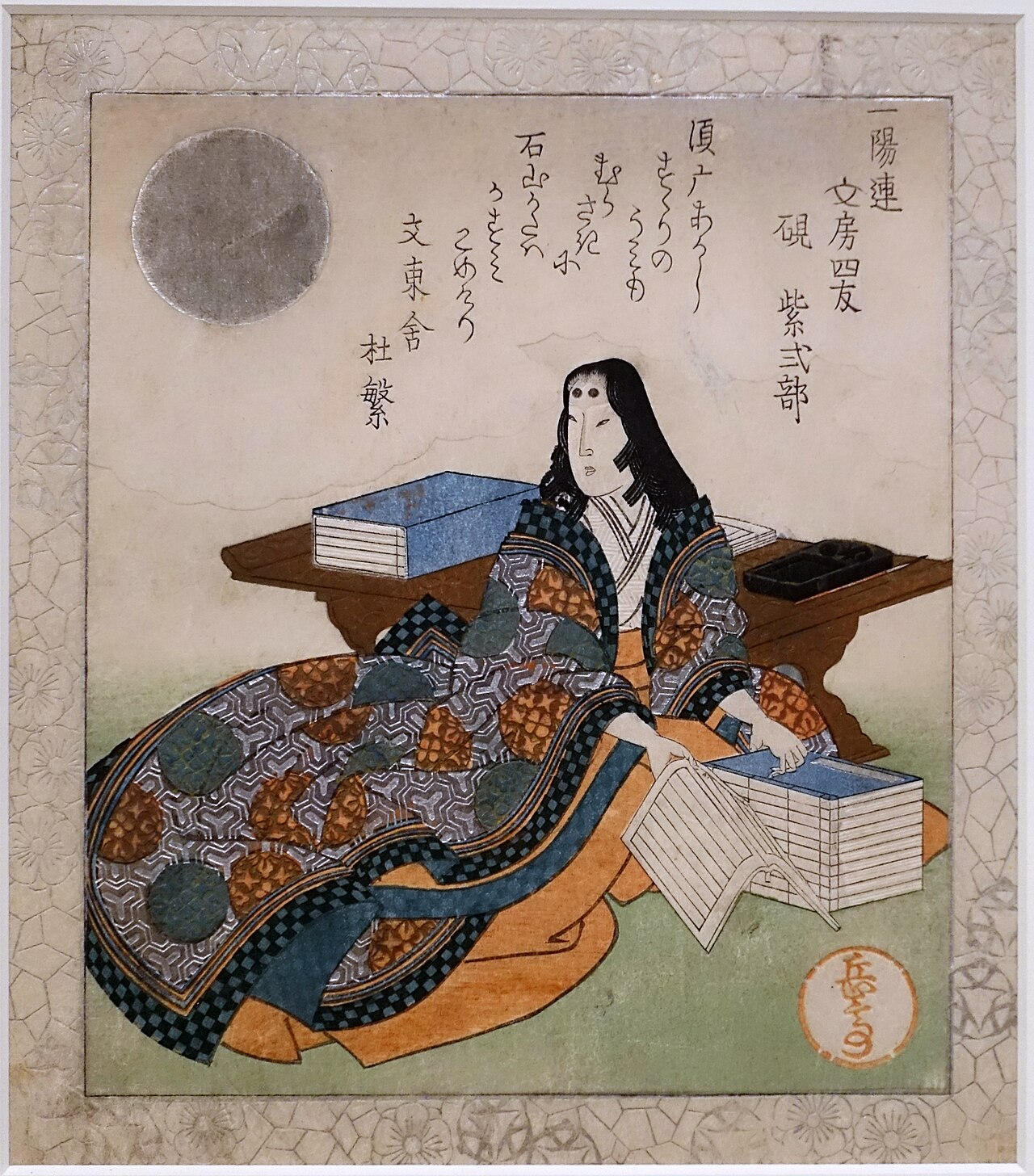 Painting
Secondary source
Yashima Gakutei · c. 1827
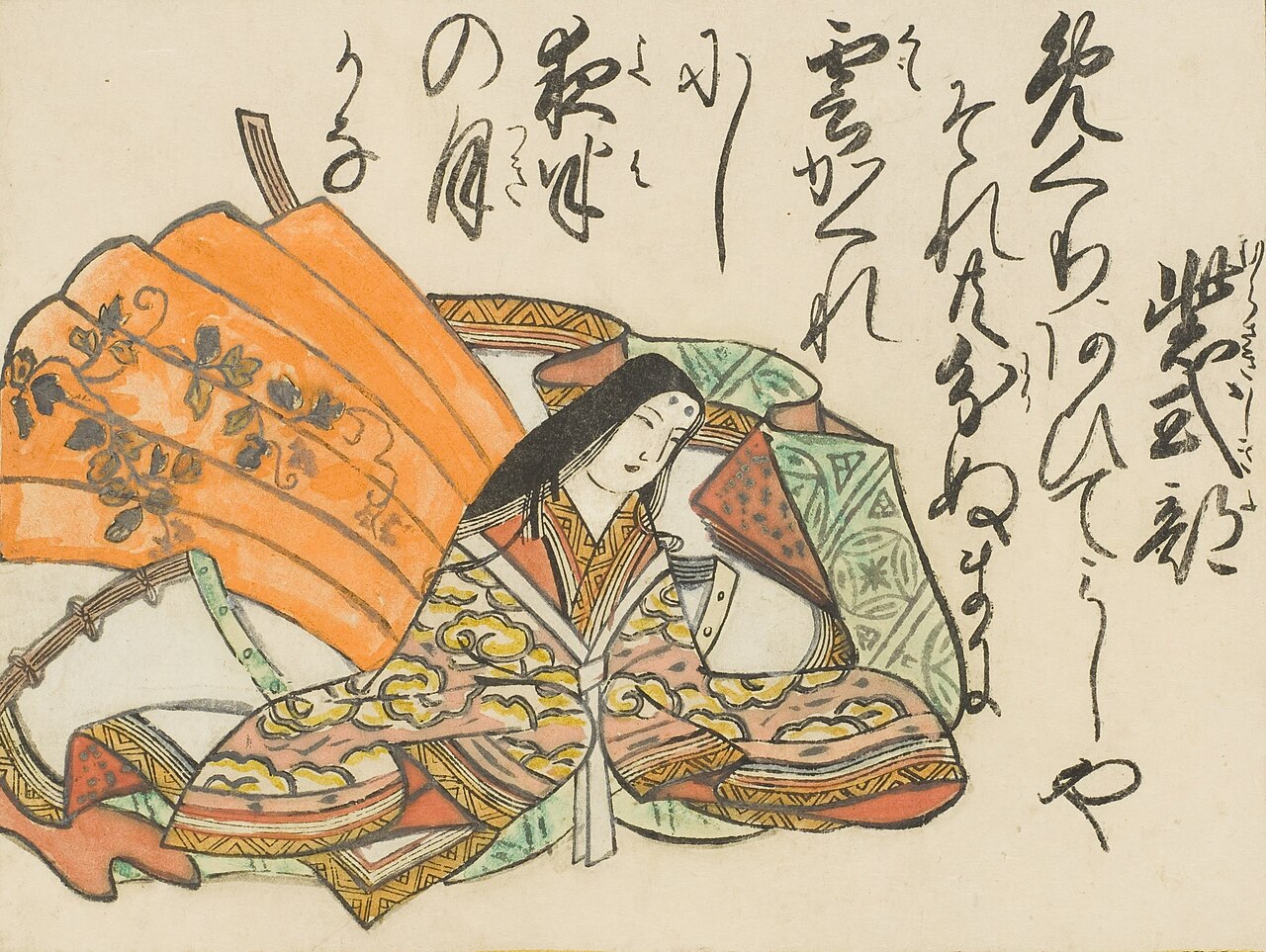 Painting
Secondary source
c. 1670
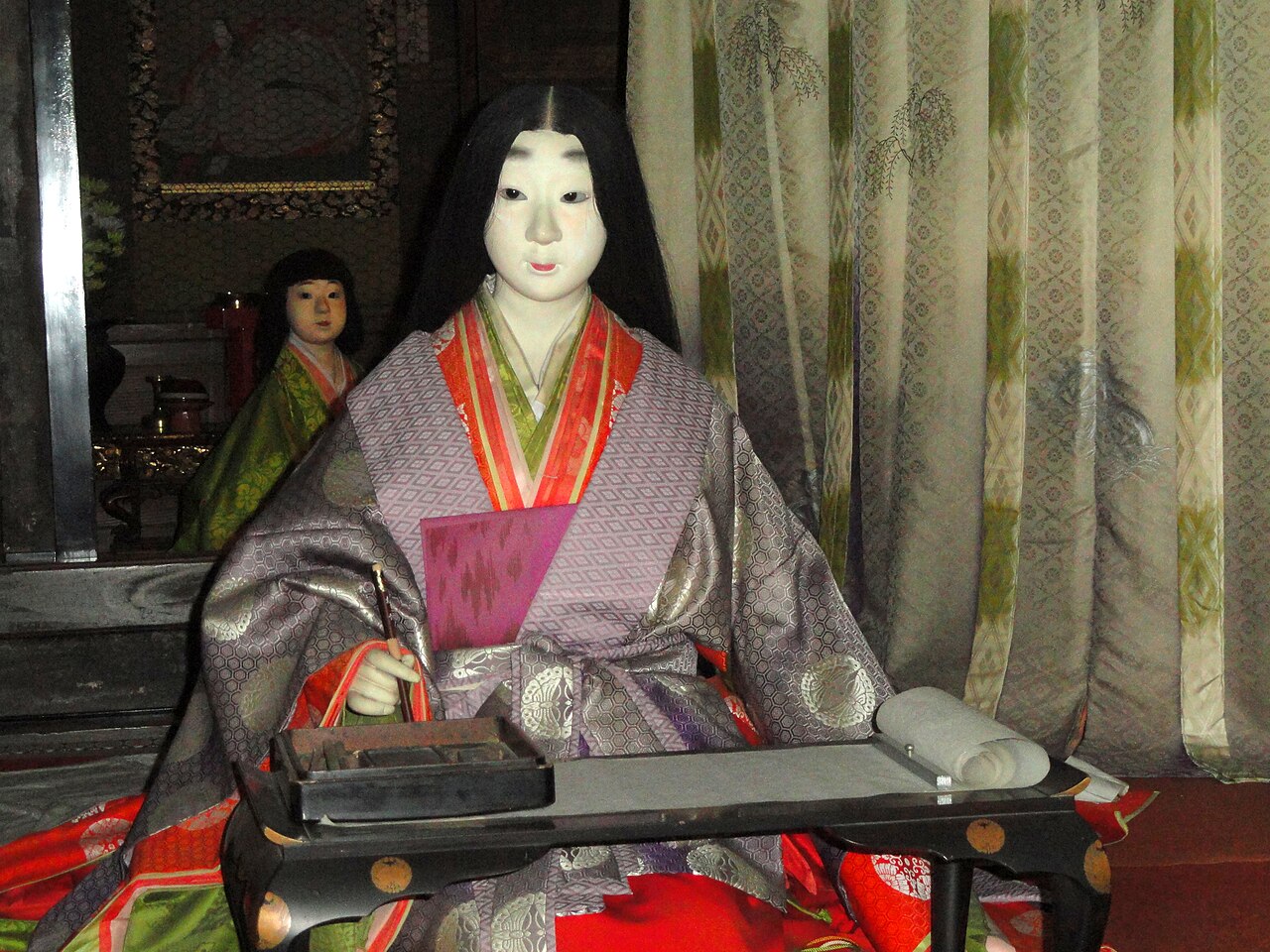 Artifact
Secondary source
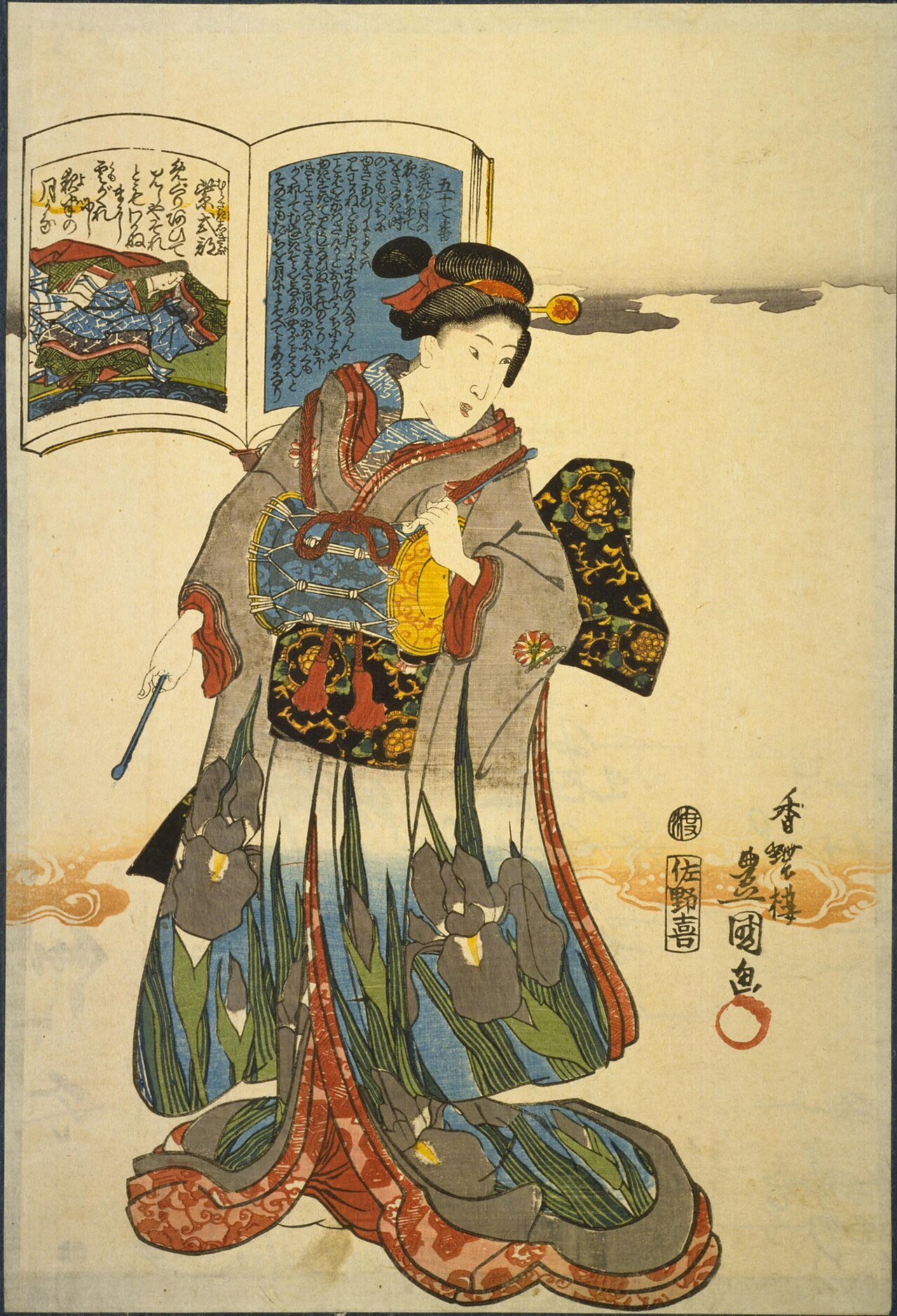 Painting
Secondary source
Utagawa Kunisada
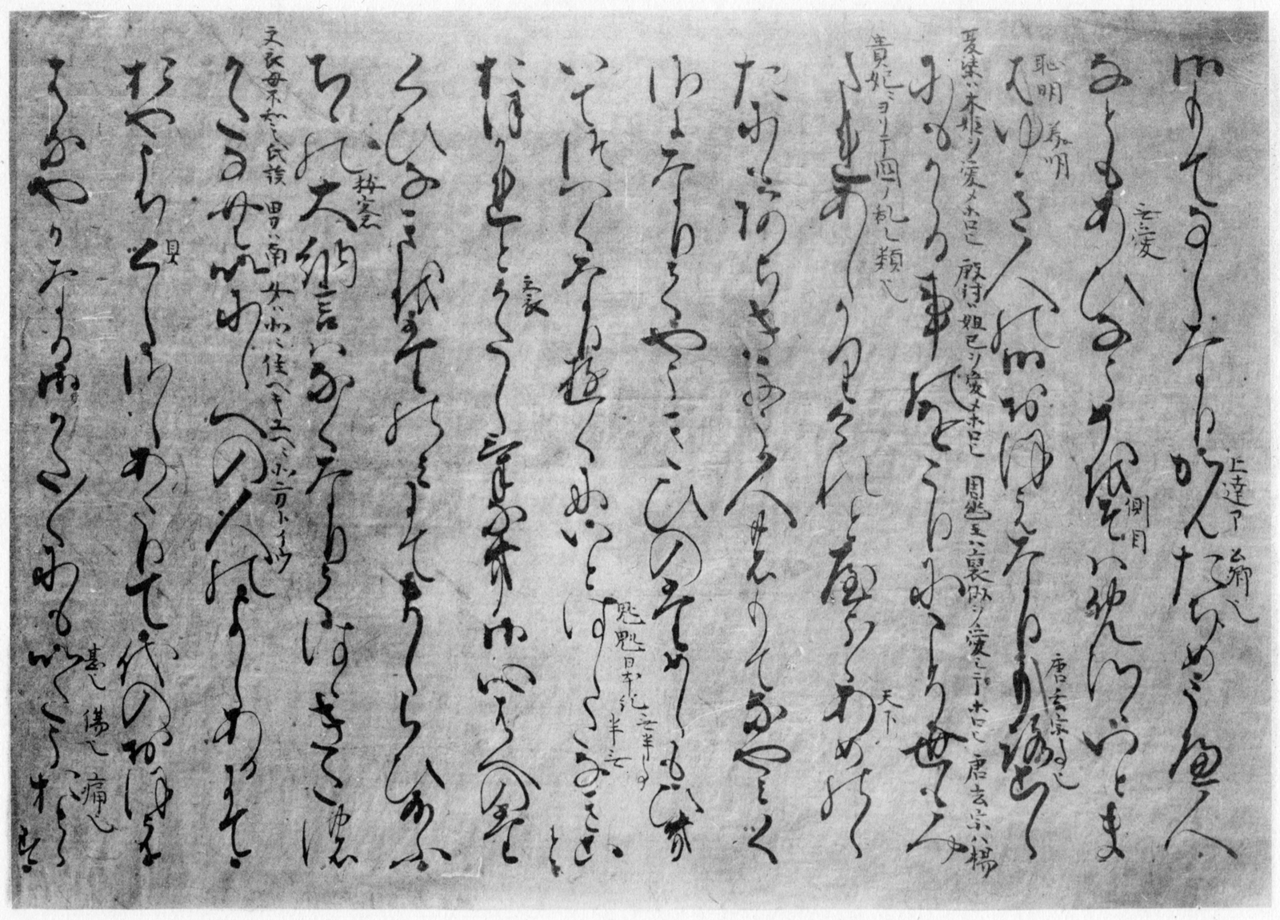 Photograph
Secondary source
Kaneko Motoomi · 1930
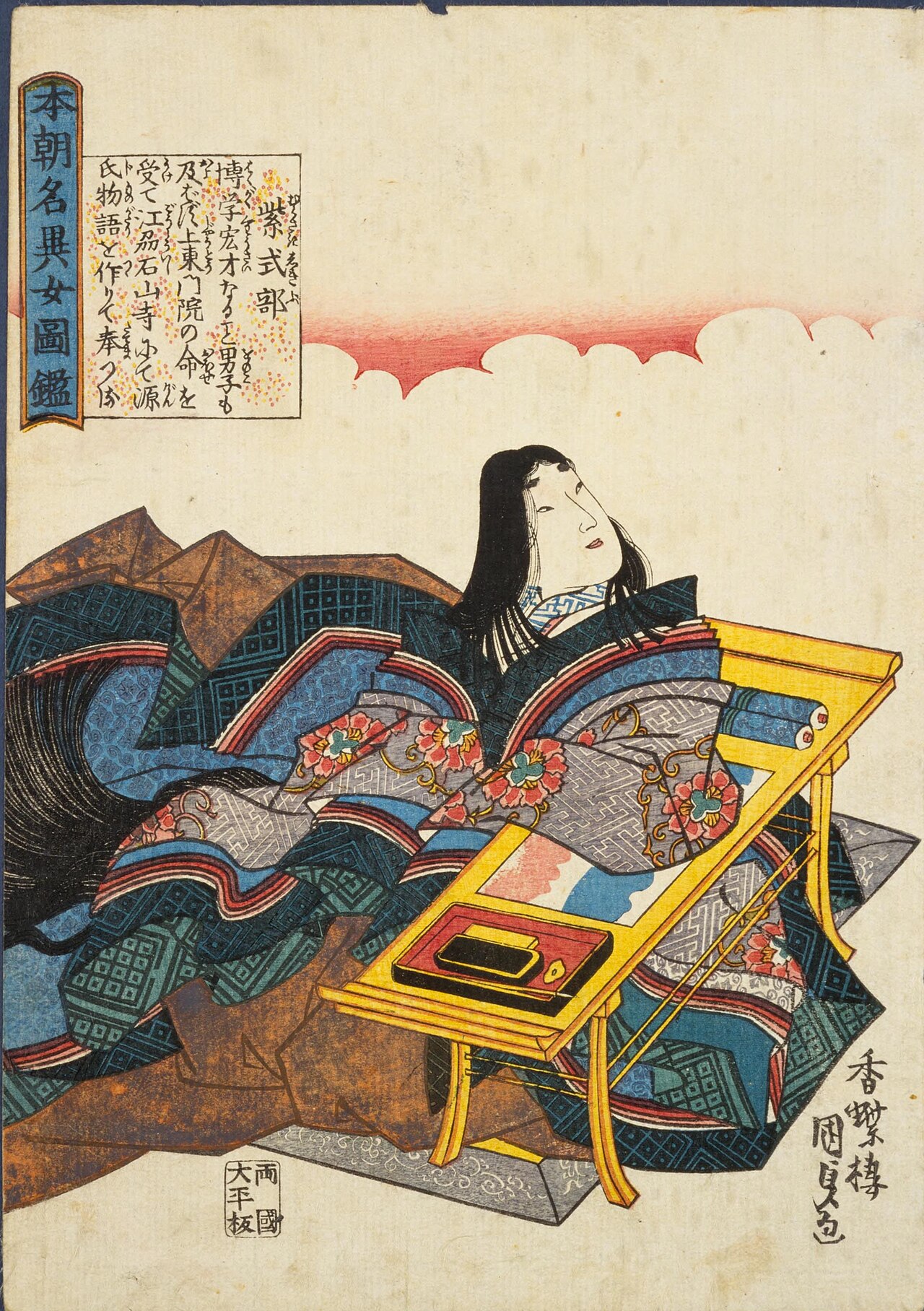 Painting
Secondary source
Utagawa Kunisada
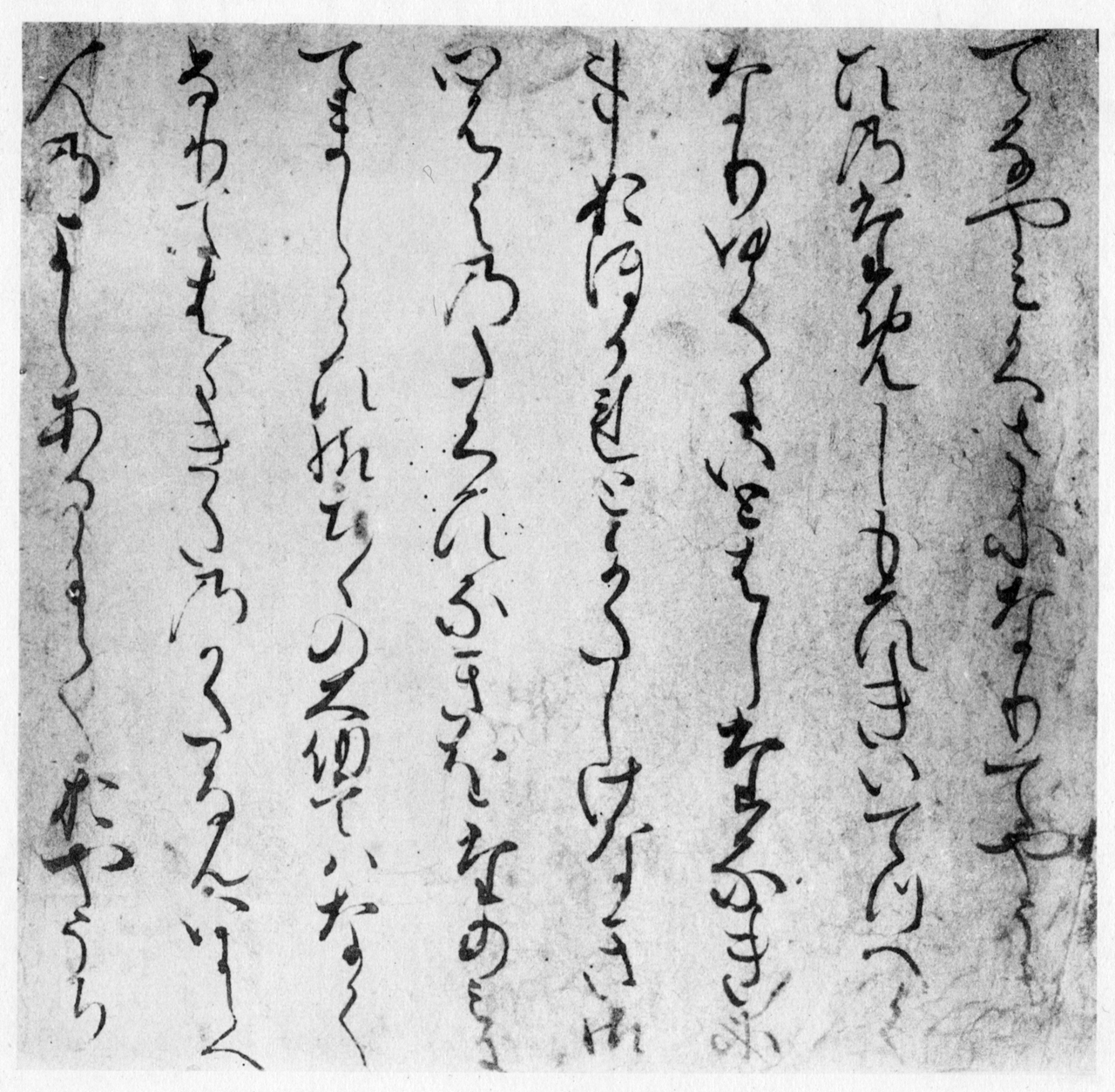 Photograph
Secondary source
金子元臣 · 1930
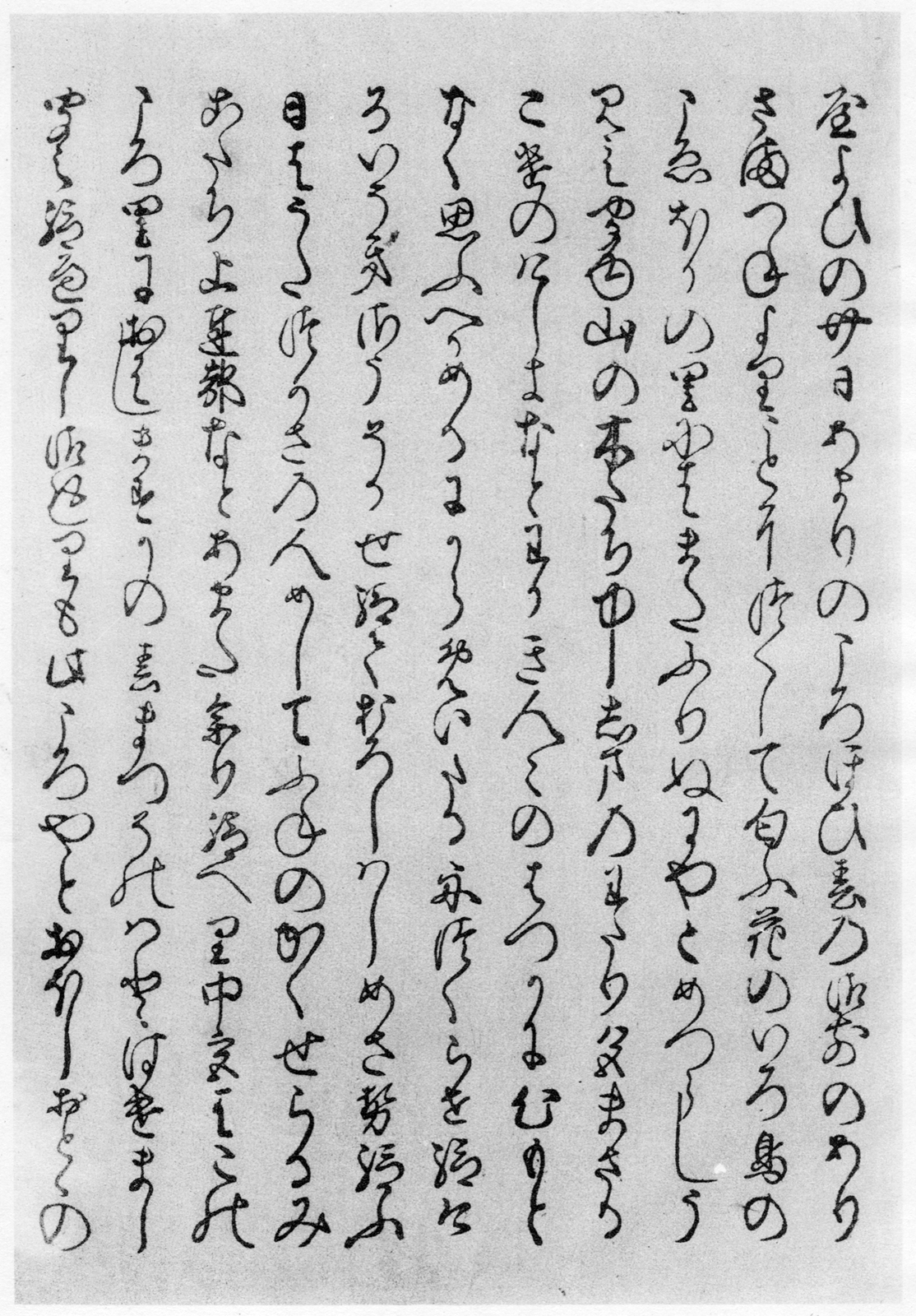 Photograph
Secondary source
金子元臣 · 1930
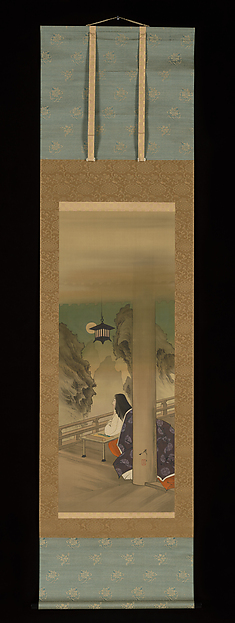 Painting
Secondary source
Tsukioka Yoshitoshi · ca. 1892
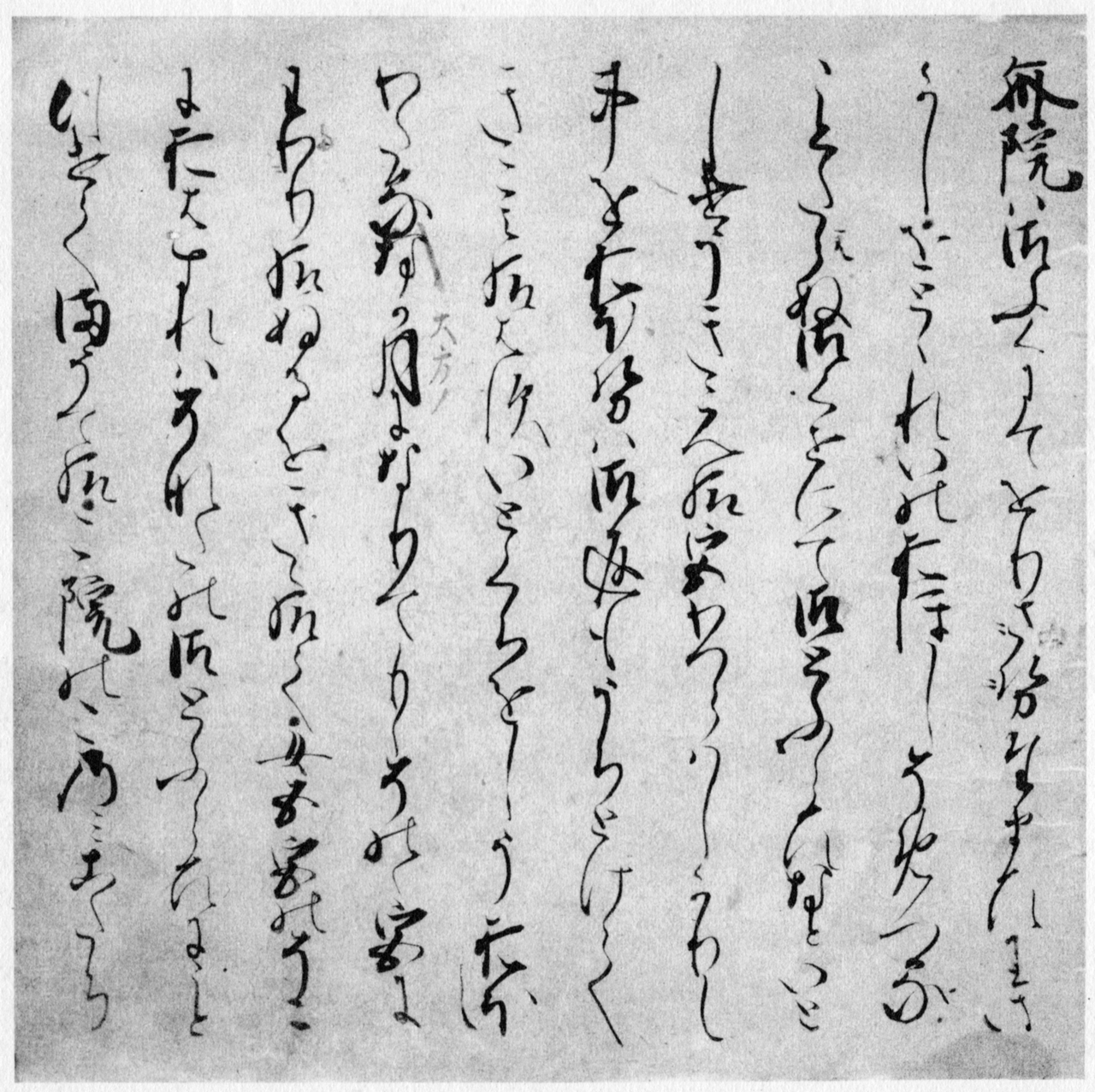 Photograph
Secondary source
金子元臣 · 1930
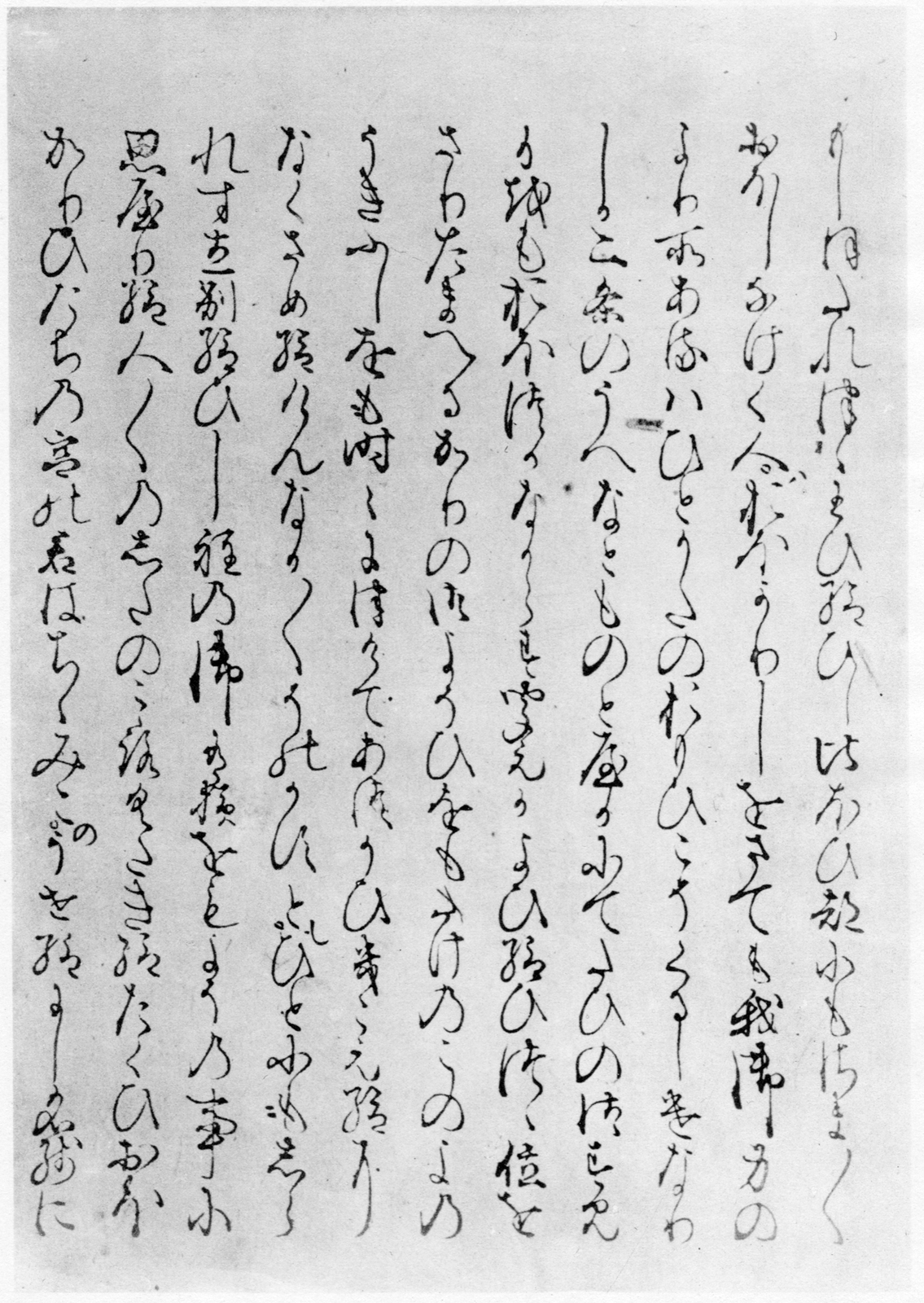 Photograph
Secondary source
金子元臣 · 1930
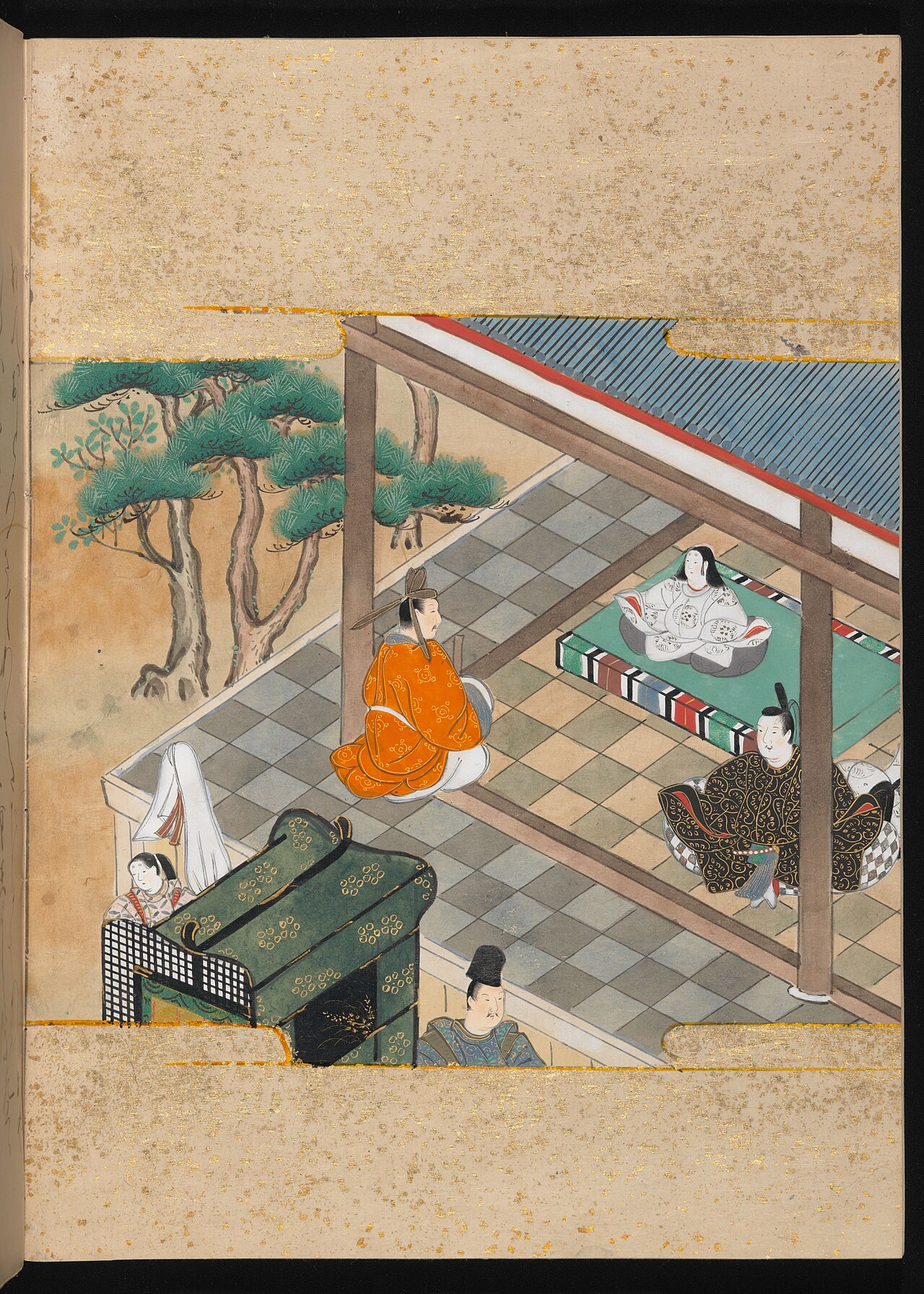 Book
Secondary source
Unknown Edo period artist · 17th century
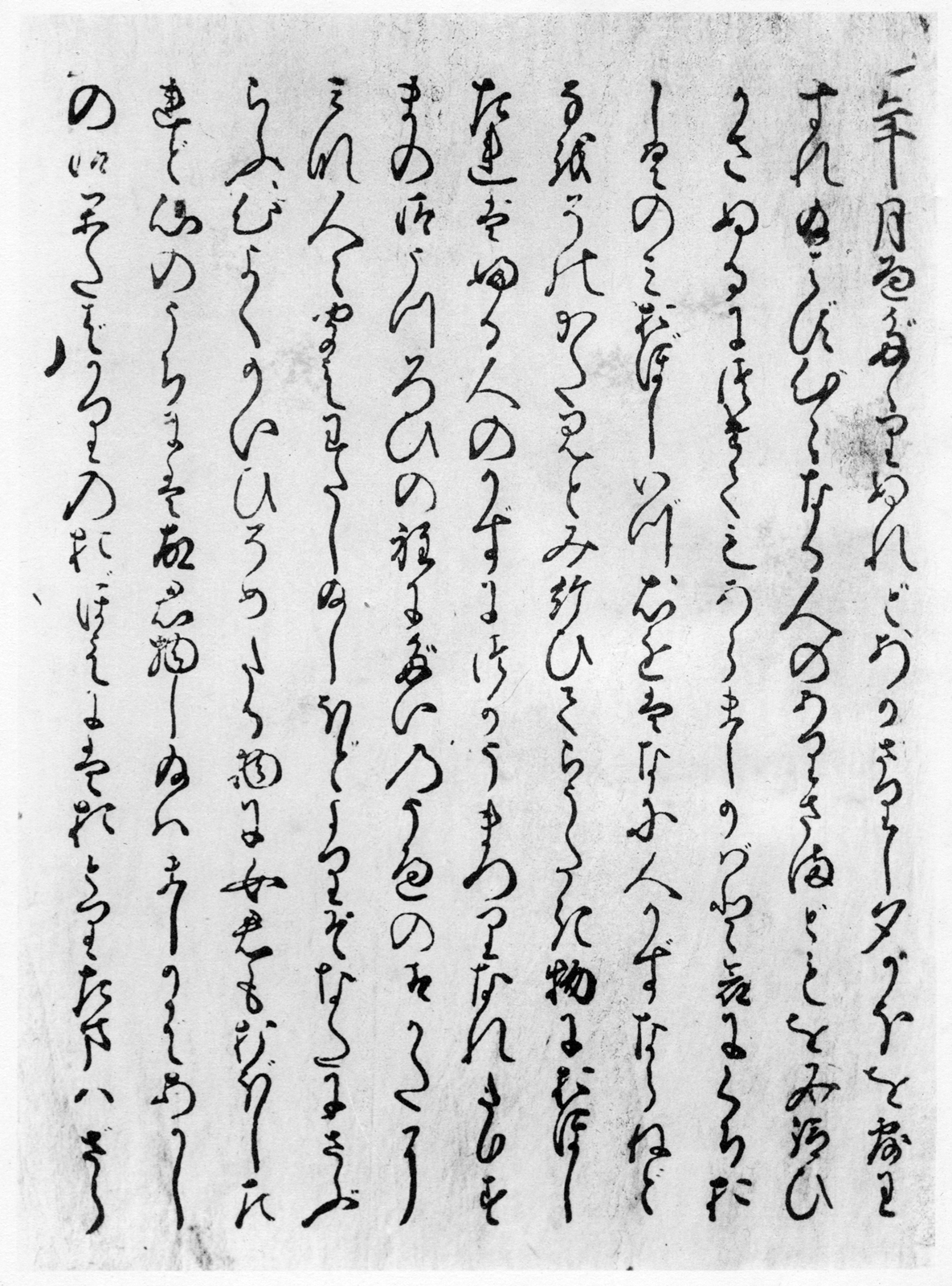 Photograph
Secondary source
金子元臣 · 1930
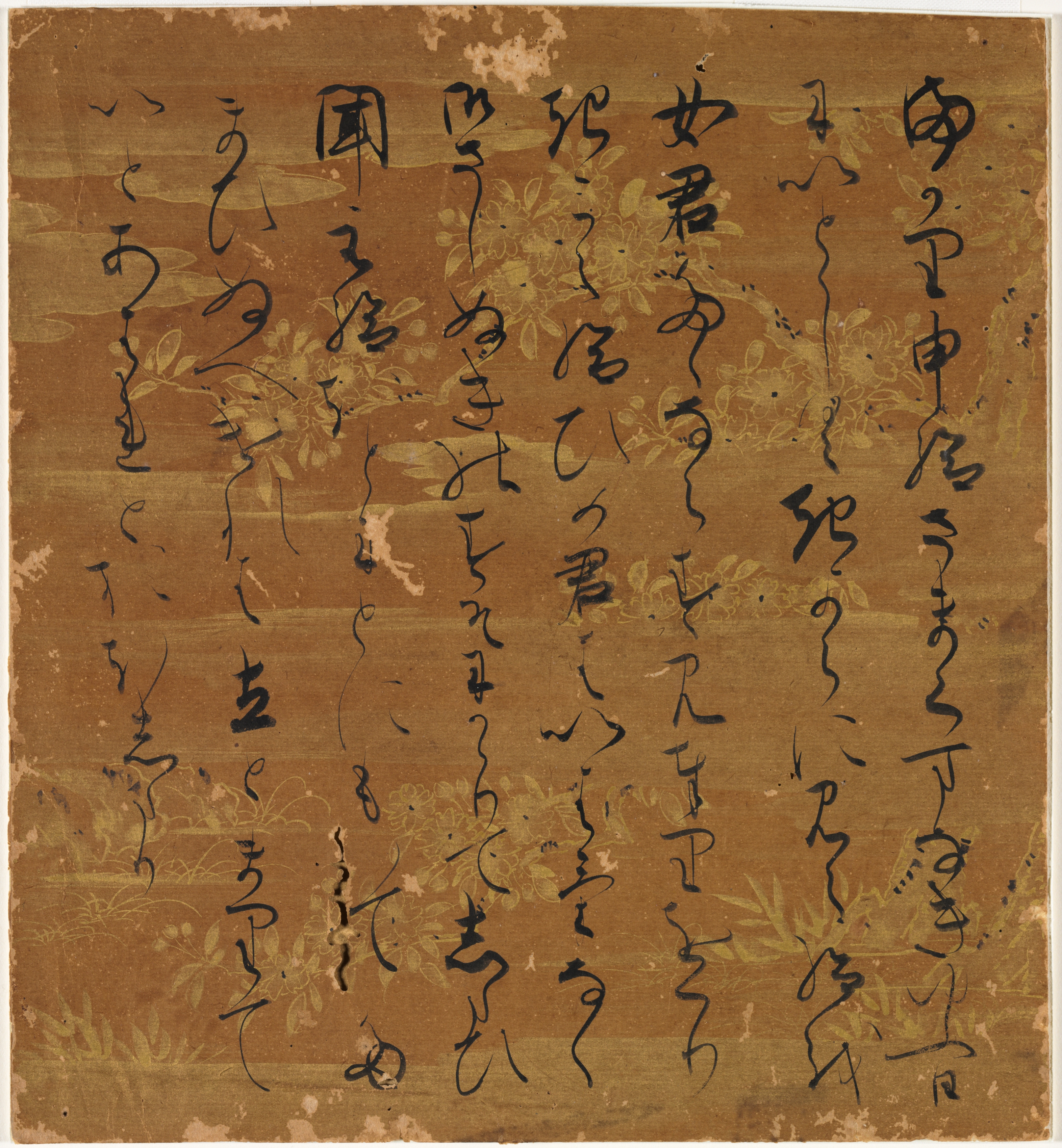 Book
Secondary source
1600s-1700s
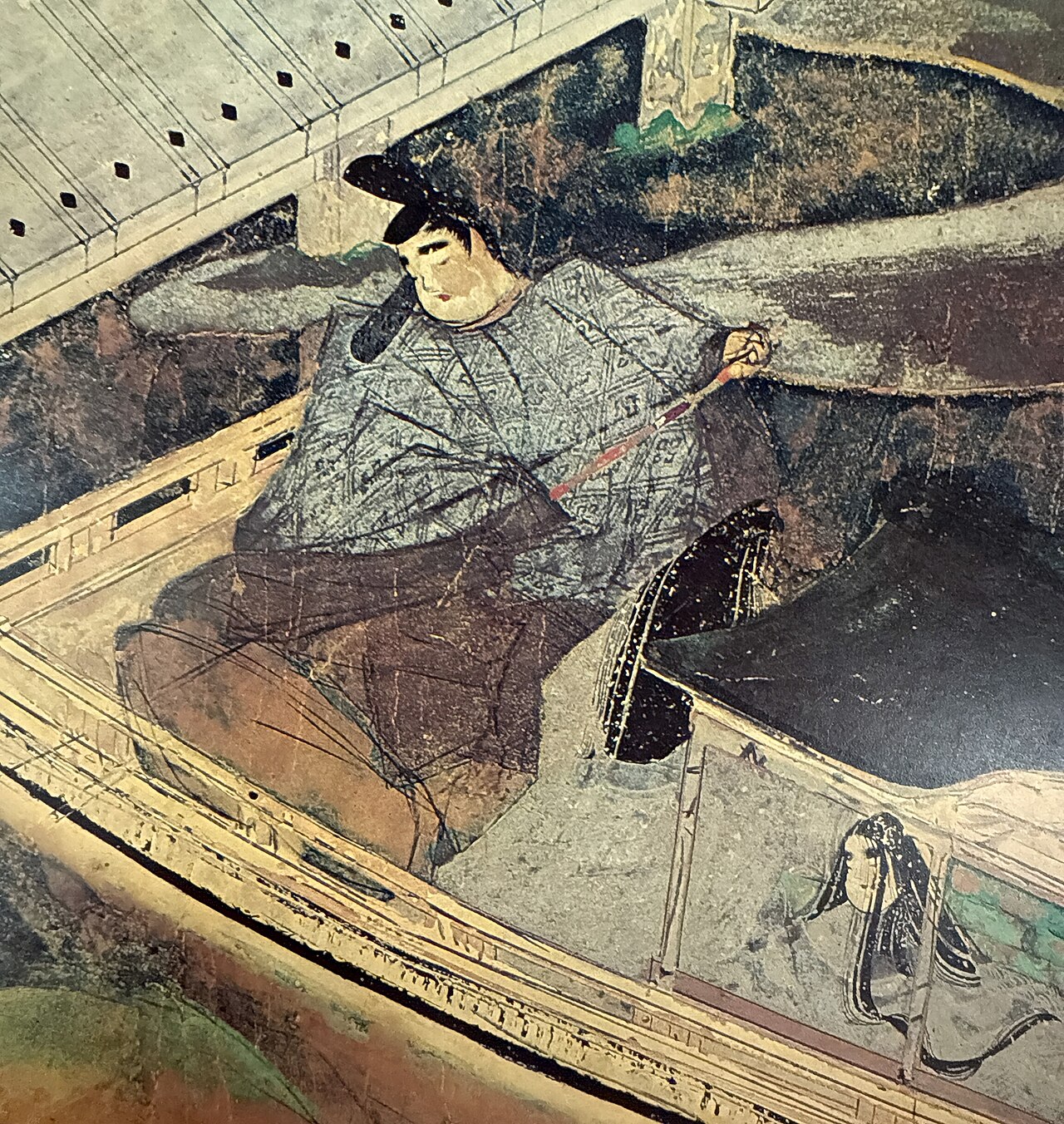 Painting
Secondary source
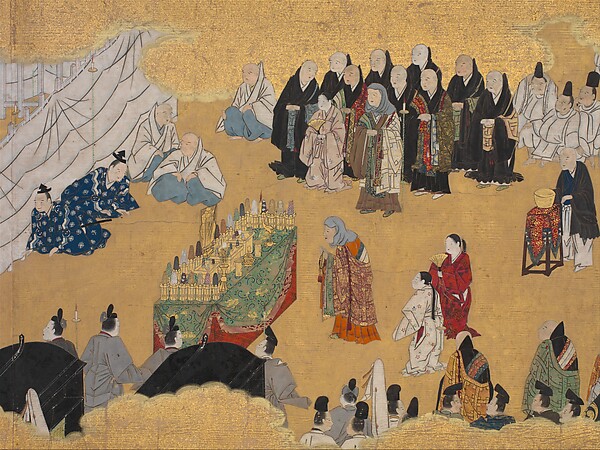 Painting
Secondary source
mid-17th century
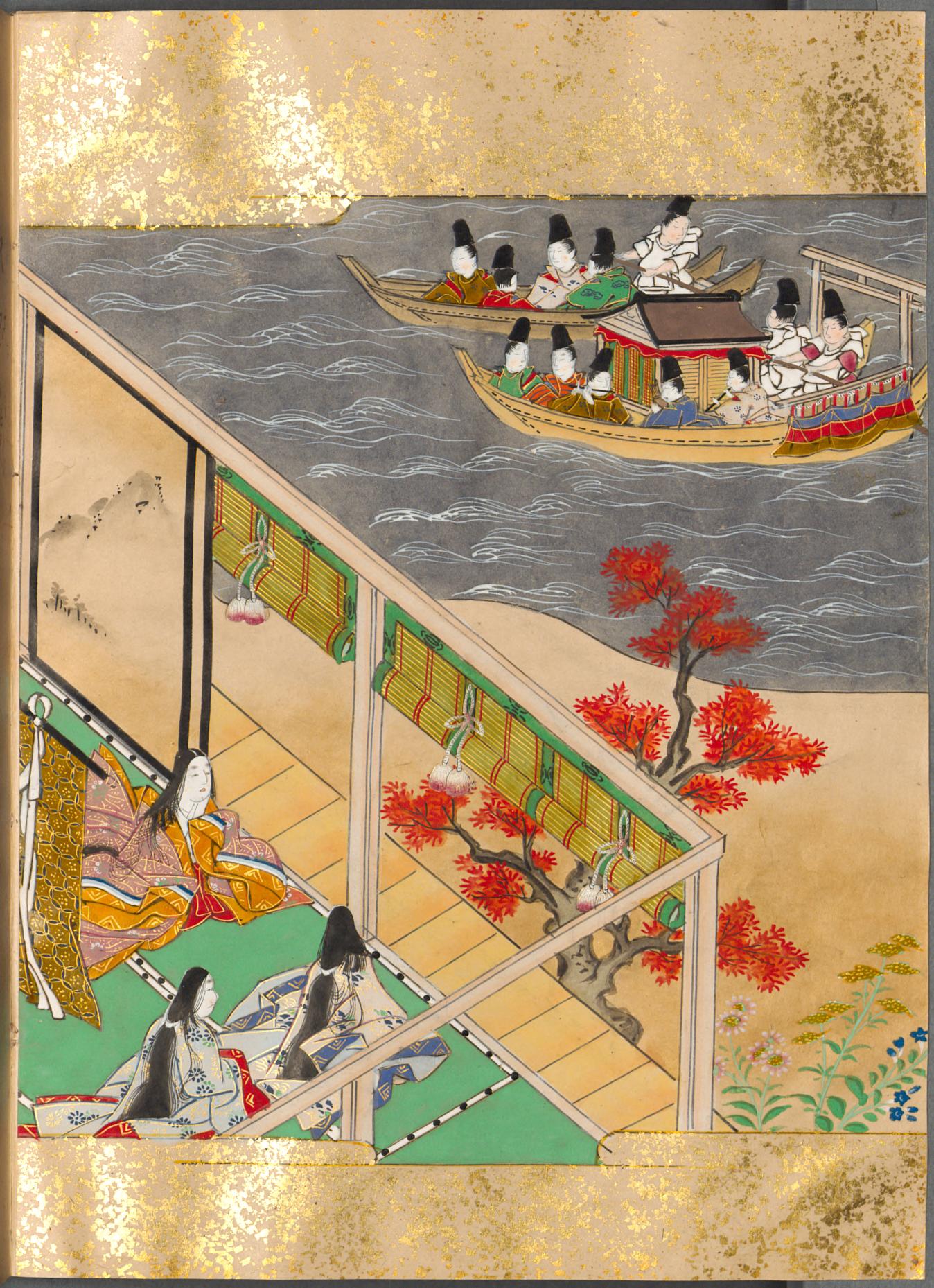 Book
Secondary source
1600
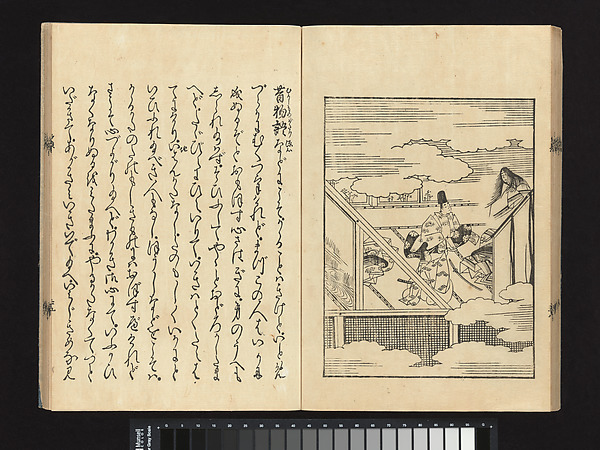 Book
Secondary source
Yamamoto Shunshō · ca. 1650
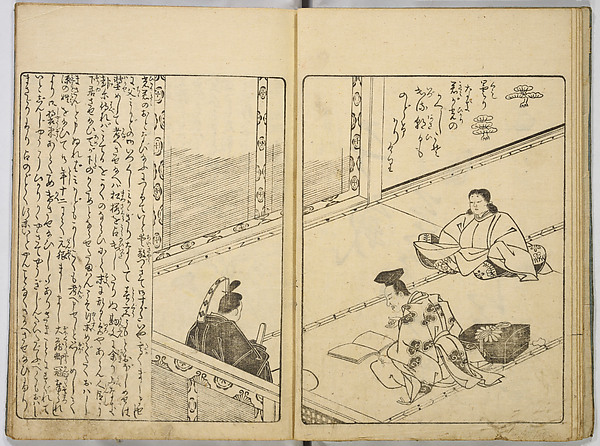 Book
Secondary source
Terai Shosen · January 1751
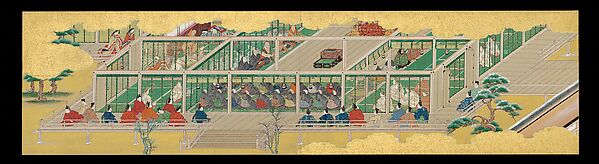 Painting
Secondary source
mid-17th century
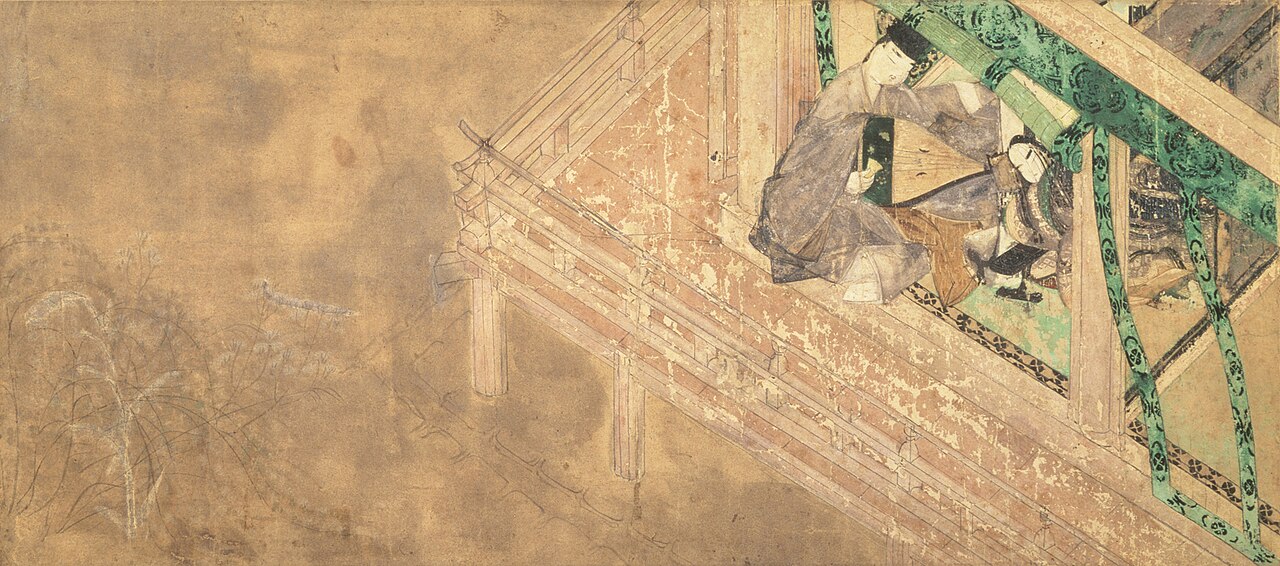 Painting
Secondary source
Imperial court painters, Kyoto (traditionally attributed to Fujiwara Takayoshi) · 12th century, c. 1130
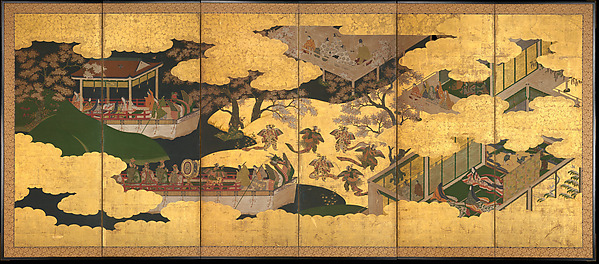 Painting
Secondary source
Tosa Mitsuyoshi · late 16th–early 17th century
 Painting
Secondary source
attributed to Tosa Mitsuyoshi · 16th or early 17th century
 Painting
Secondary source
Tawaraya Sōtatsu · 1631
Want the full shelf? Chat with Murasaki Shikibu in the app and open the Sources panel — every quote links back to the original.
Paying customers



























Dr. Michael Calvert
Assistant Superintendent, South Allegheny School District, Pennsylvania
Been using Humy in his district since 2024
“We enjoyed the program last year and used it frequently.”

Jacob Chisom
World and American History, Monticello High School, Arkansas
Been using Humy in his classroom since 2024
“My students say it’s a welcome change of pace. I’m not a fan of the “sage on the stage” model, so I try to incorporate research-oriented and self-paced activities. With Humy, students have to take charge of their learning. They’ve become more adept at critical thinking, forming better questions, and improving their reading comprehension. The interview feature has been my go-to tool. I create assignments where students must ask historical figures a set number of questions, then summarize the responses to ensure they’re truly absorbing the material. This approach lets them actively explore the past rather than passively consuming information.”
Roger Campbell
7th-grade World History, Lancaster County, Pennsylvania
Been using Humy in his classroom since 2024
“Humy has helped me bring historical figures, sometimes long past, to life. When my students interact with these figures in real-time, it eliminates some of the perceived “ancient” characteristics of my curriculum. This has shifted my students’ thinking away from viewing history as abstract or irrelevant. Real-time interactions make historical figures relatable, even allowing students to ask off-topic questions that help put historical lives in a more relevant context for 13-year-olds. The feature I use the most is the interview feature. After teaching a topic, most recently Gandhi and Joan of Arc, I have the students ask pointed, focused questions. We practice good conversation techniques beforehand, teaching them to listen (or read) carefully and formulate thoughtful follow-up questions rather than just interrogating. It helps students practice effective conversation skills.”
Dr. Michael Calvert
Assistant Superintendent, South Allegheny School District, Pennsylvania
Been using Humy in his district since 2024
“We enjoyed the program last year and used it frequently.”
Jacob Chisom
World and American History, Monticello High School, Arkansas
Been using Humy in his classroom since 2024
“My students say it’s a welcome change of pace. I’m not a fan of the “sage on the stage” model, so I try to incorporate research-oriented and self-paced activities. With Humy, students have to take charge of their learning. They’ve become more adept at critical thinking, forming better questions, and improving their reading comprehension. The interview feature has been my go-to tool. I create assignments where students must ask historical figures a set number of questions, then summarize the responses to ensure they’re truly absorbing the material. This approach lets them actively explore the past rather than passively consuming information.”
Roger Campbell
7th-grade World History, Lancaster County, Pennsylvania
Been using Humy in his classroom since 2024
“Humy has helped me bring historical figures, sometimes long past, to life. When my students interact with these figures in real-time, it eliminates some of the perceived “ancient” characteristics of my curriculum. This has shifted my students’ thinking away from viewing history as abstract or irrelevant. Real-time interactions make historical figures relatable, even allowing students to ask off-topic questions that help put historical lives in a more relevant context for 13-year-olds. The feature I use the most is the interview feature. After teaching a topic, most recently Gandhi and Joan of Arc, I have the students ask pointed, focused questions. We practice good conversation techniques beforehand, teaching them to listen (or read) carefully and formulate thoughtful follow-up questions rather than just interrogating. It helps students practice effective conversation skills.”
FAQ
Like any LLM, the AI version of Murasaki Shikibu can get details wrong. Open one of these sources in a new tab to verify what you’ve read.
Ready when you are
20 messages free · No credit card · Available in 50+ languages.


