


Primary sourceDiary entry
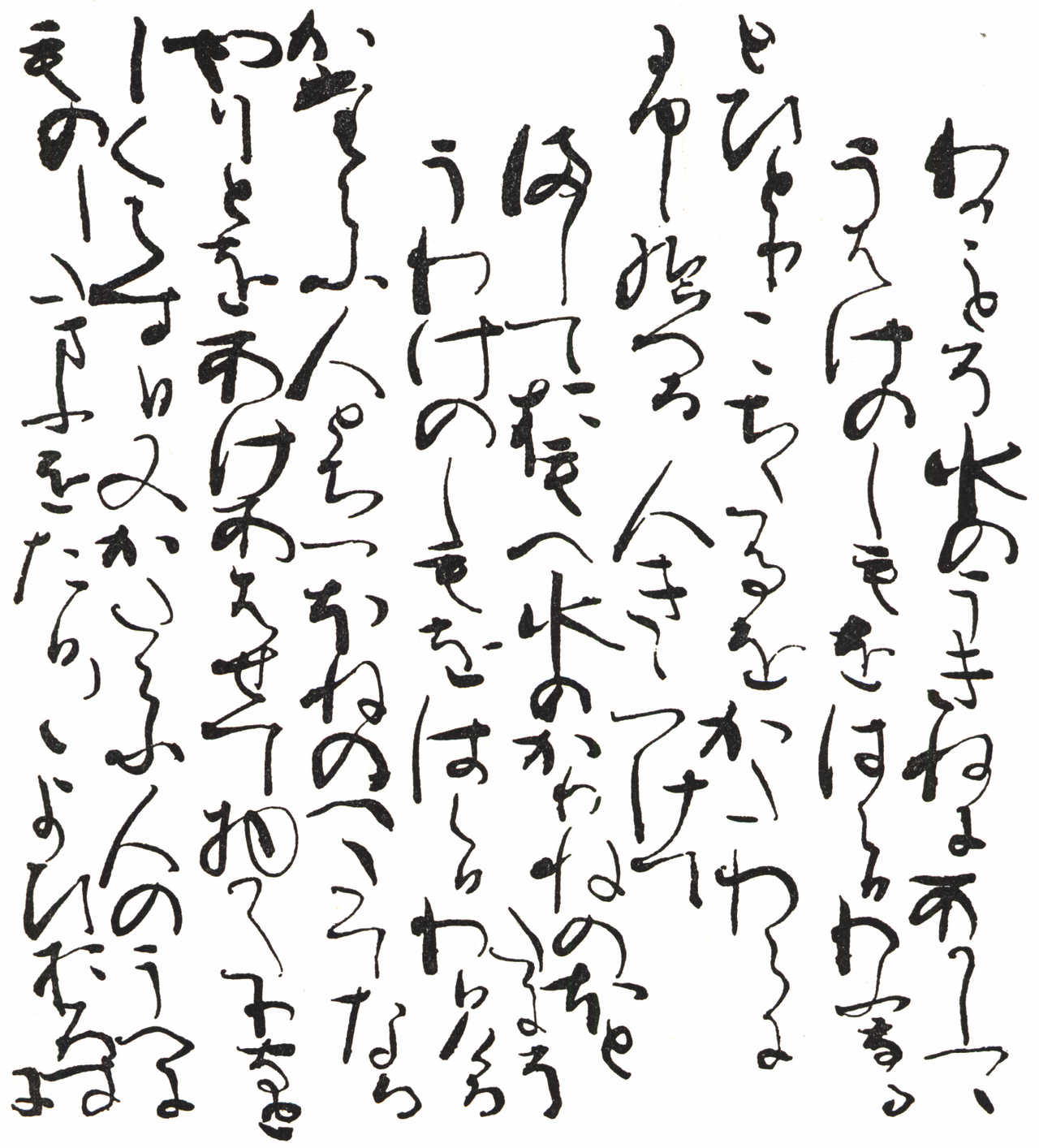
Sarashina Nikki
Sugawara no Takasue no musume
A memoir by a Heian court lady describing her longing for and eventual reading of the complete Tale of Genji, showing how Murasaki's novel spread soon after it was written.
Describes a young reader's longing for and joy at reading the complete Tale of Genji, showing the novel's early circulation.
About this source
What it is
The Sarashina Diary is a memoir written by the daughter of Sugawara no Takasue, a lady-in-waiting in Heian Japan. It records her life from childhood into her fifties, including her travels and her deep attachment to literature.
Why it matters
As a girl, the author longed to read the Tale of Genji and rejoiced when given a complete copy. Her account shows that Murasaki's novel was already being read and treasured within a generation of its writing.
Look closer
- What does her excitement about getting a complete copy of Genji tell you about how books were shared and copied at this time?
- Why might reading tales have felt dangerous or distracting to a Heian woman's spiritual life?
- What is left out of her memoir that you might expect a modern diary to include?
This diary entry is part of the curated material that grounds the AI version of Murasaki Shikibu on Humy.ai — when students ask about related events, the AI can quote it and cite it.
More Murasaki Shikibu sources
Meet the AI Murasaki Shikibu →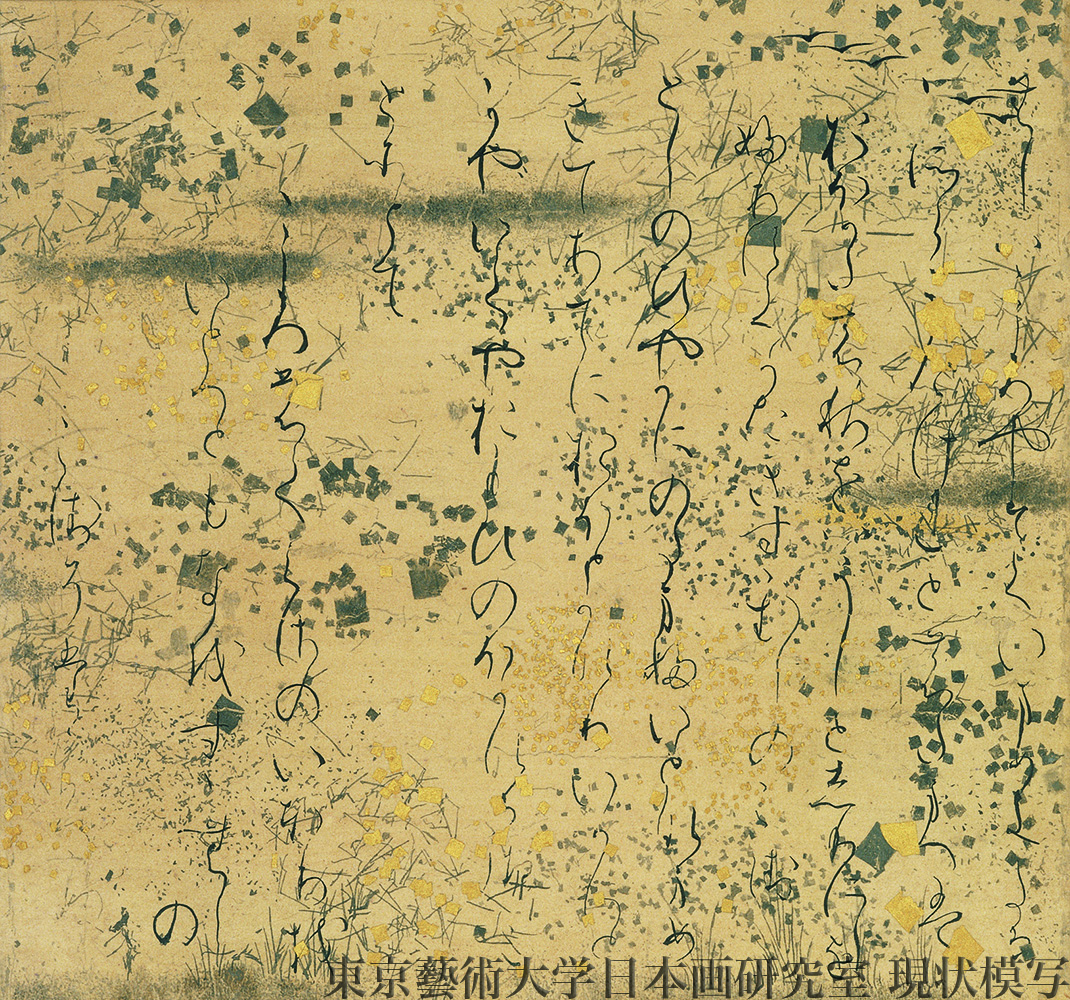 Book
Primary source
The Tale of Genji
Murasaki Shikibu · c. 1010
 Book
Primary source
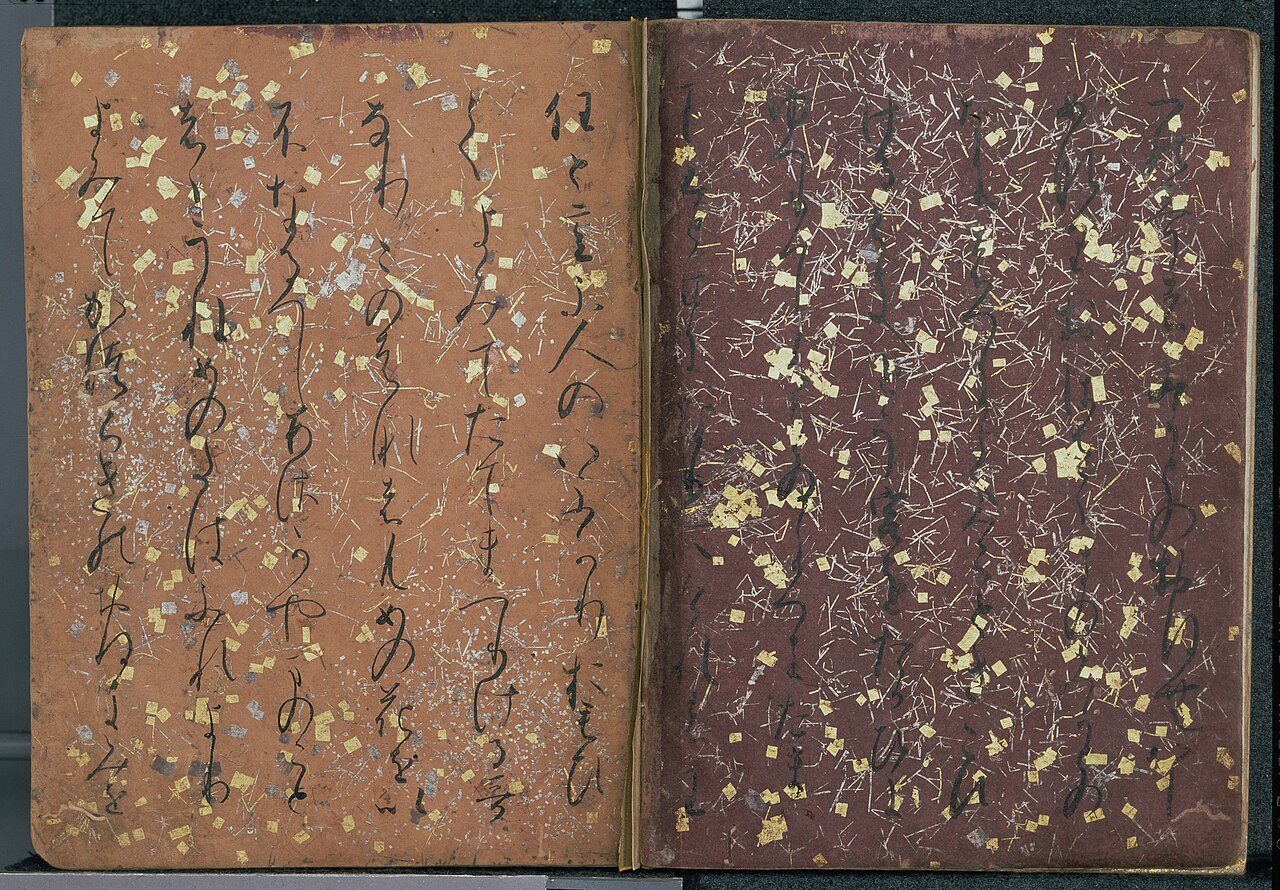
Kokin Wakashū
Ki no Tsurayuki and compilers · c. 905-920
Primary source
The Diary of Lady Murasaki
Murasaki Shikibu · c. 1008–1010
 Diary entry
Primary source
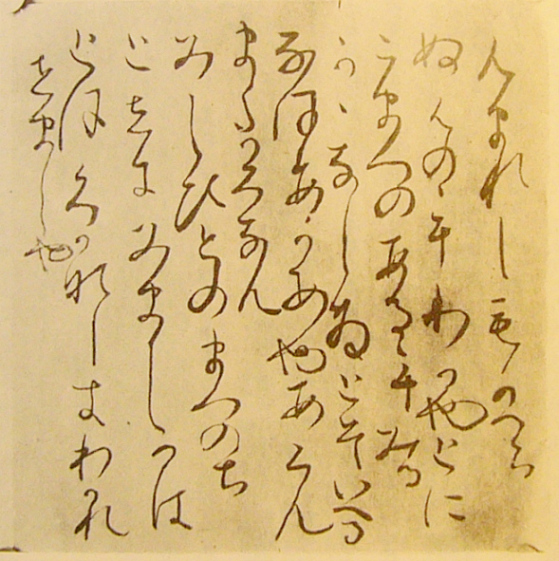
Tosa Nikki
Ki no Tsurayuki · 935 (copy 13th century)
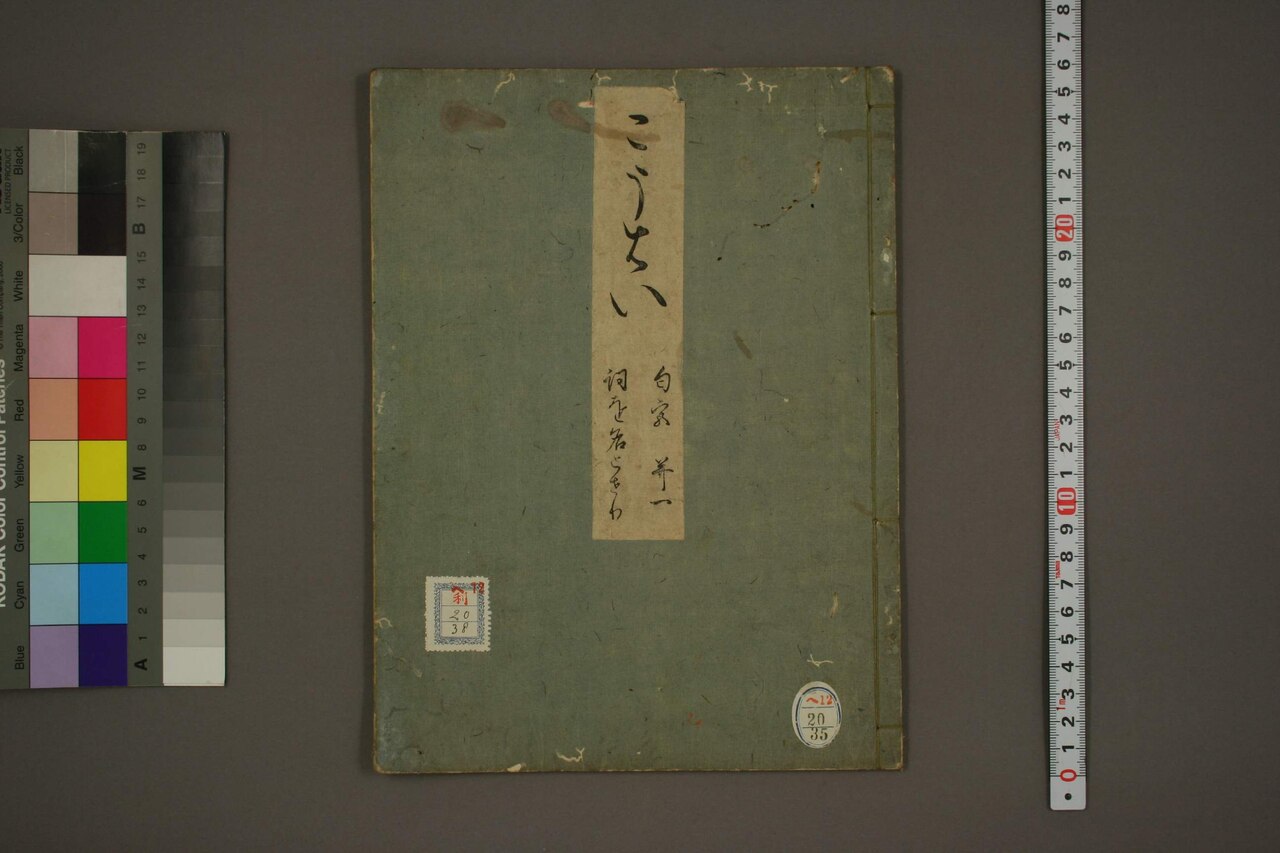 Book
Secondary source
Eiri Genji Monogatari
Yamamoto Shunshō · 1650
Ready when you are
Start chatting with Murasaki Shikibu now.
20 messages free · No credit card · Available in 50+ languages.