


Secondary sourcePainting1573
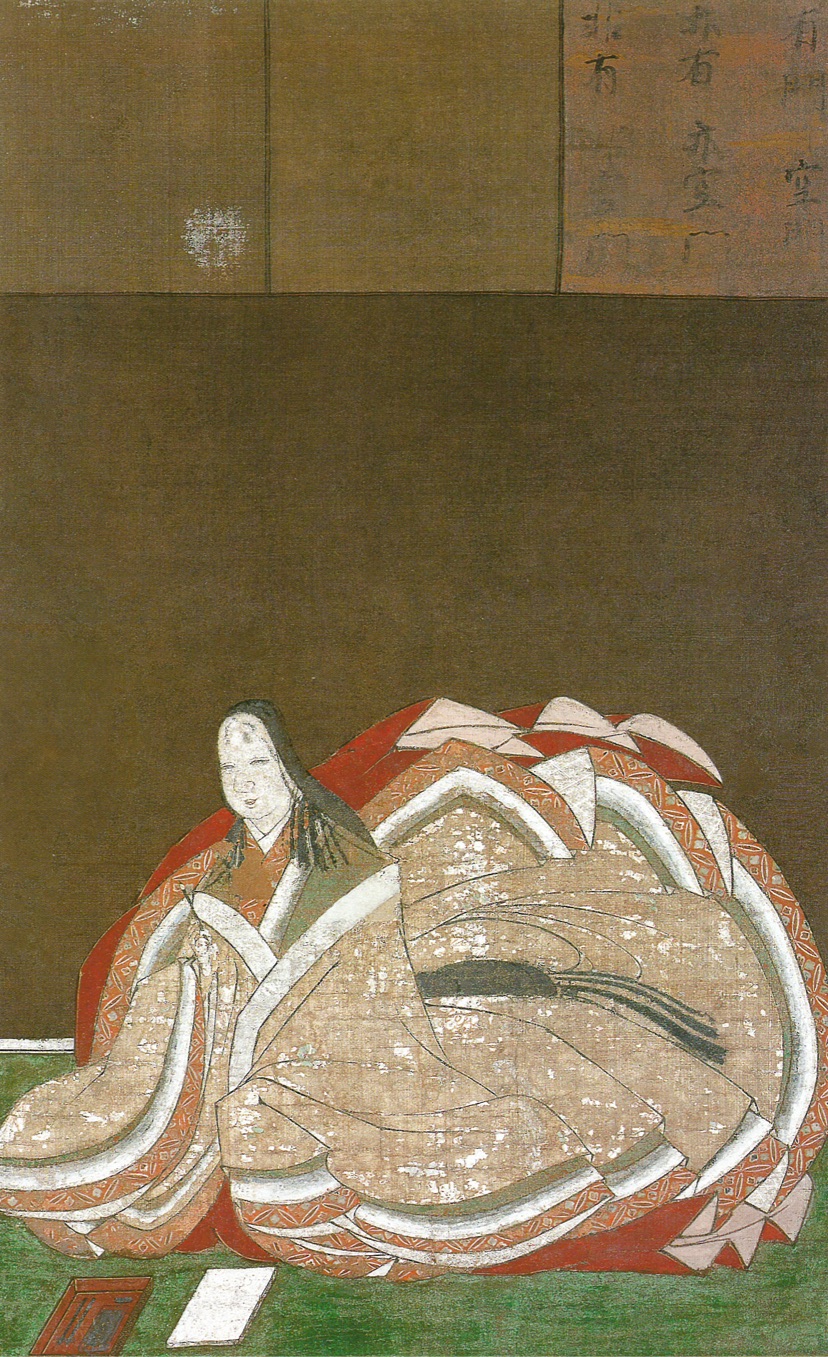
Portrait of Murasaki Shikibu
Kanō Takanobu · 1573
A Momoyama-period painted portrait imagining Murasaki Shikibu, made centuries after she lived.
A later imagined portrait honouring Murasaki Shikibu's reputation long after her death.
About this source
What it is
This painting, made in 1573 by the Japanese artist Kanō Takanobu, shows a seated woman in traditional court dress identified as Murasaki Shikibu, in elaborate layered robes beside a folding screen with calligraphy.
Why it matters
Murasaki Shikibu lived in the Heian period, more than 550 years before this portrait was painted. It shows how deeply later Japanese culture honoured her as a model of courtly refinement and literary skill, even though no true likeness of her survives.
Look closer
- What clues in the clothing and setting suggest high status and courtly elegance?
- Why might an artist centuries later choose to paint someone they never saw?
- What does the calligraphy screen in the background suggest about her reputation?
This painting is part of the curated material that grounds the AI version of Murasaki Shikibu on Humy.ai — when students ask about related events, the AI can quote it and cite it.
More Murasaki Shikibu sources
Meet the AI Murasaki Shikibu →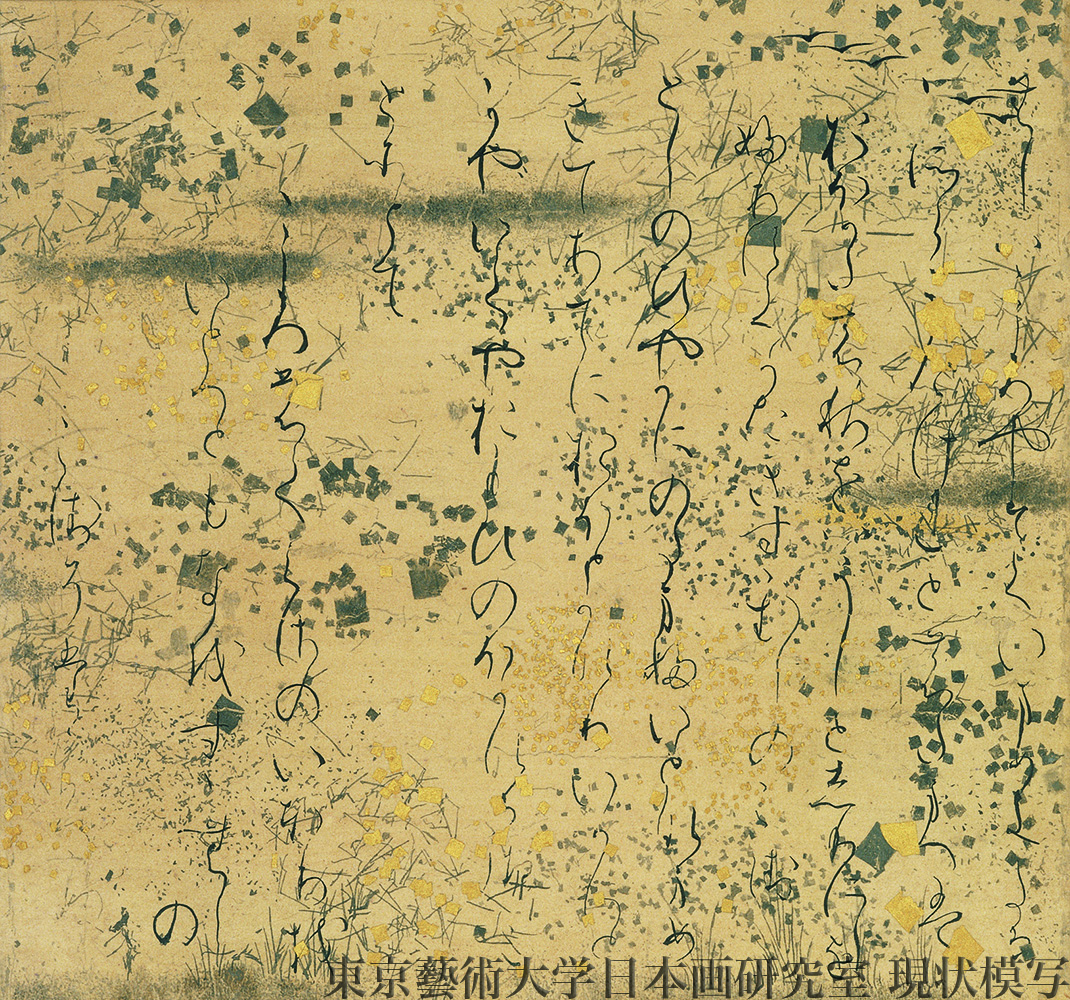 Book
Primary source
The Tale of Genji
Murasaki Shikibu · c. 1010
 Book
Primary source
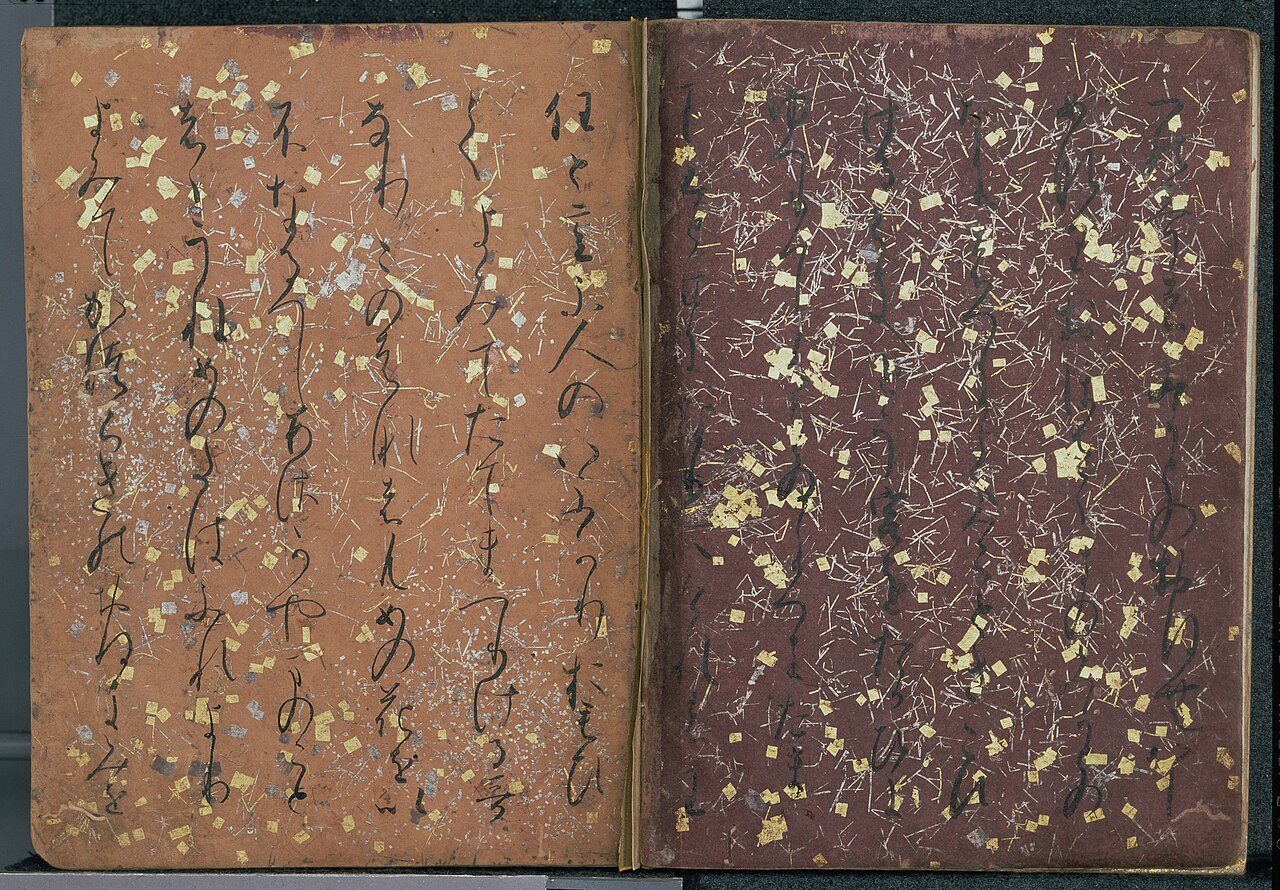
Kokin Wakashū
Ki no Tsurayuki and compilers · c. 905-920
Primary source
The Diary of Lady Murasaki
Murasaki Shikibu · c. 1008–1010
 Diary entry
Primary source
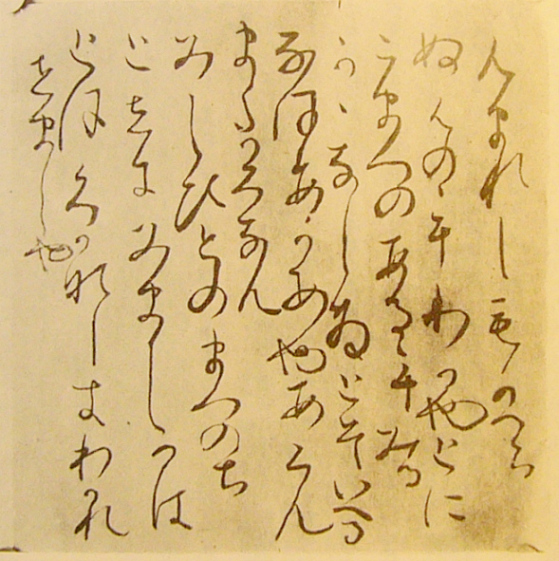
Tosa Nikki
Ki no Tsurayuki · 935 (copy 13th century)
 Book
Secondary source
Eiri Genji Monogatari
Yamamoto Shunshō · 1650
Ready when you are
Start chatting with Murasaki Shikibu now.
20 messages free · No credit card · Available in 50+ languages.