


Primary sourceBook1002
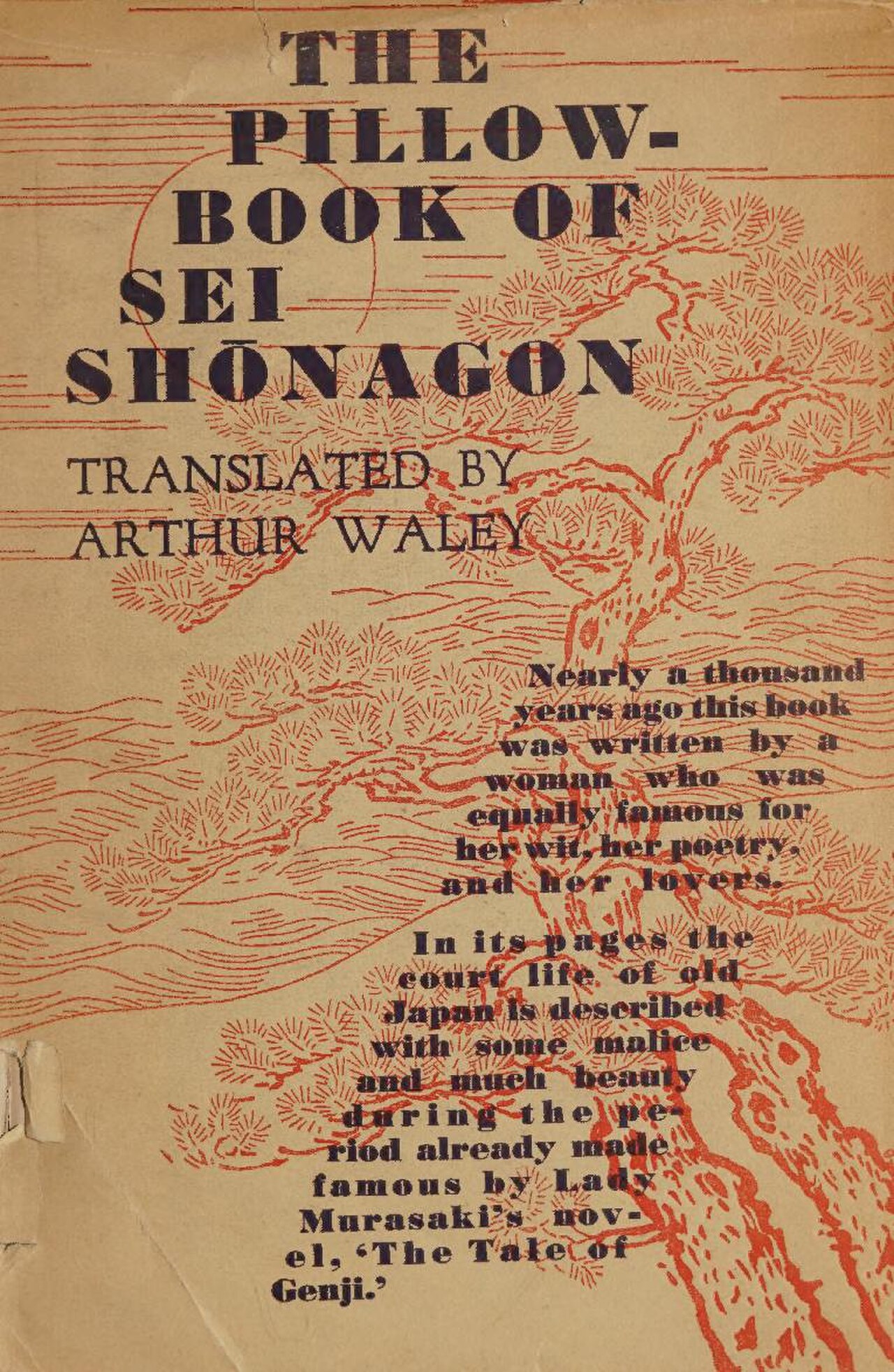
The Pillow Book
Sei Shōnagon · 1002
A collection of observations, lists and anecdotes by Sei Shōnagon, a court lady who served a rival empress and whom Murasaki criticised in her own diary.
Sei Shōnagon was a rival court writer whom Murasaki criticised in her diary, making comparison useful for students.
About this source
What it is
The Pillow Book is a collection of essays, lists, poems and anecdotes written by Sei Shōnagon, a court lady who served Empress Teishi in the 990s and early 1000s. It was completed around 1002, during the Heian period in Japan.
Why it matters
Sei Shōnagon served a rival court to the one Murasaki Shikibu knew, and Murasaki criticised her sharply in her own diary. Comparing their writing helps students see how two of the greatest Heian women writers viewed each other and their world differently.
Look closer
- What kinds of things does Sei Shōnagon choose to write about?
- Why might a court lady write mainly for herself rather than for a wide audience?
- What does the rivalry between these two writers tell you about court life at the time?
This book is part of the curated material that grounds the AI version of Murasaki Shikibu on Humy.ai — when students ask about related events, the AI can quote it and cite it.
More Murasaki Shikibu sources
Meet the AI Murasaki Shikibu →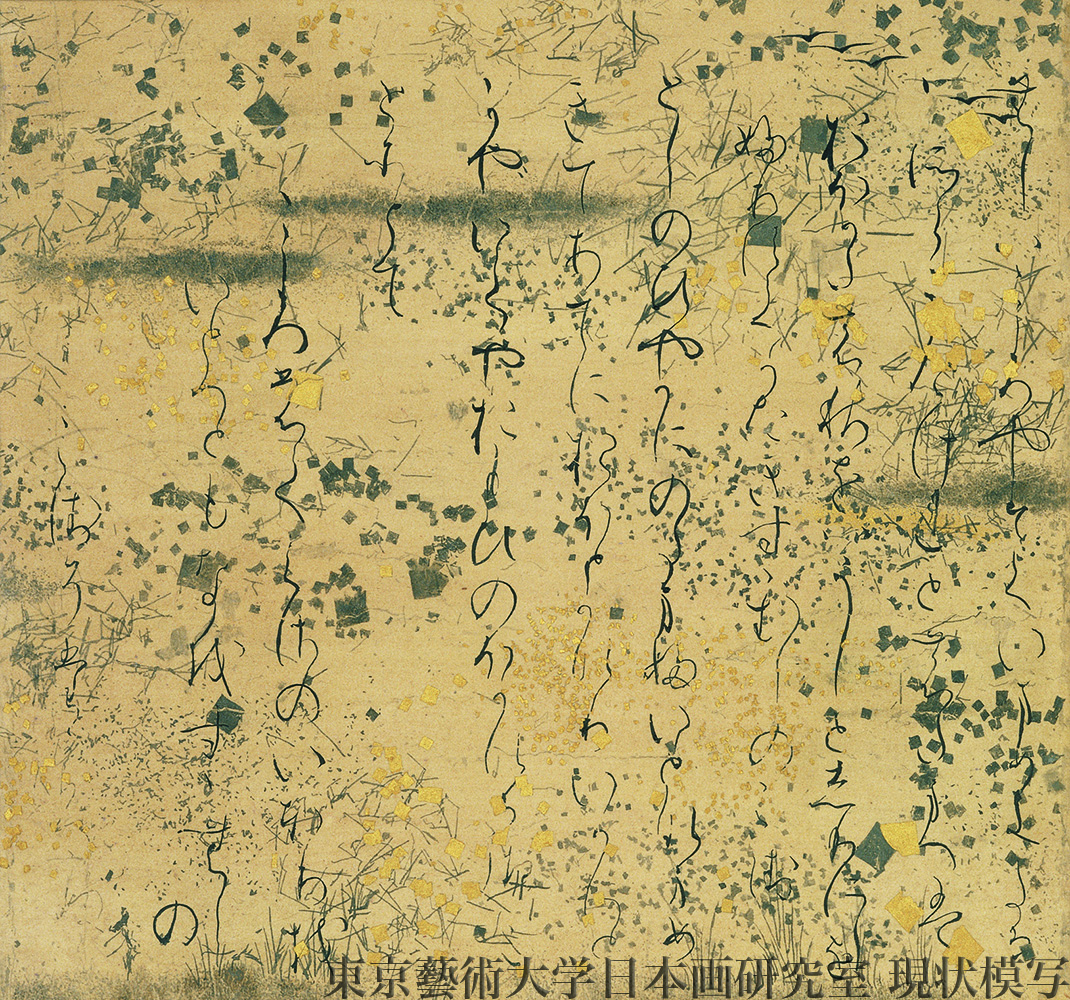 Book
Primary source
The Tale of Genji
Murasaki Shikibu · c. 1010
 Book
Primary source
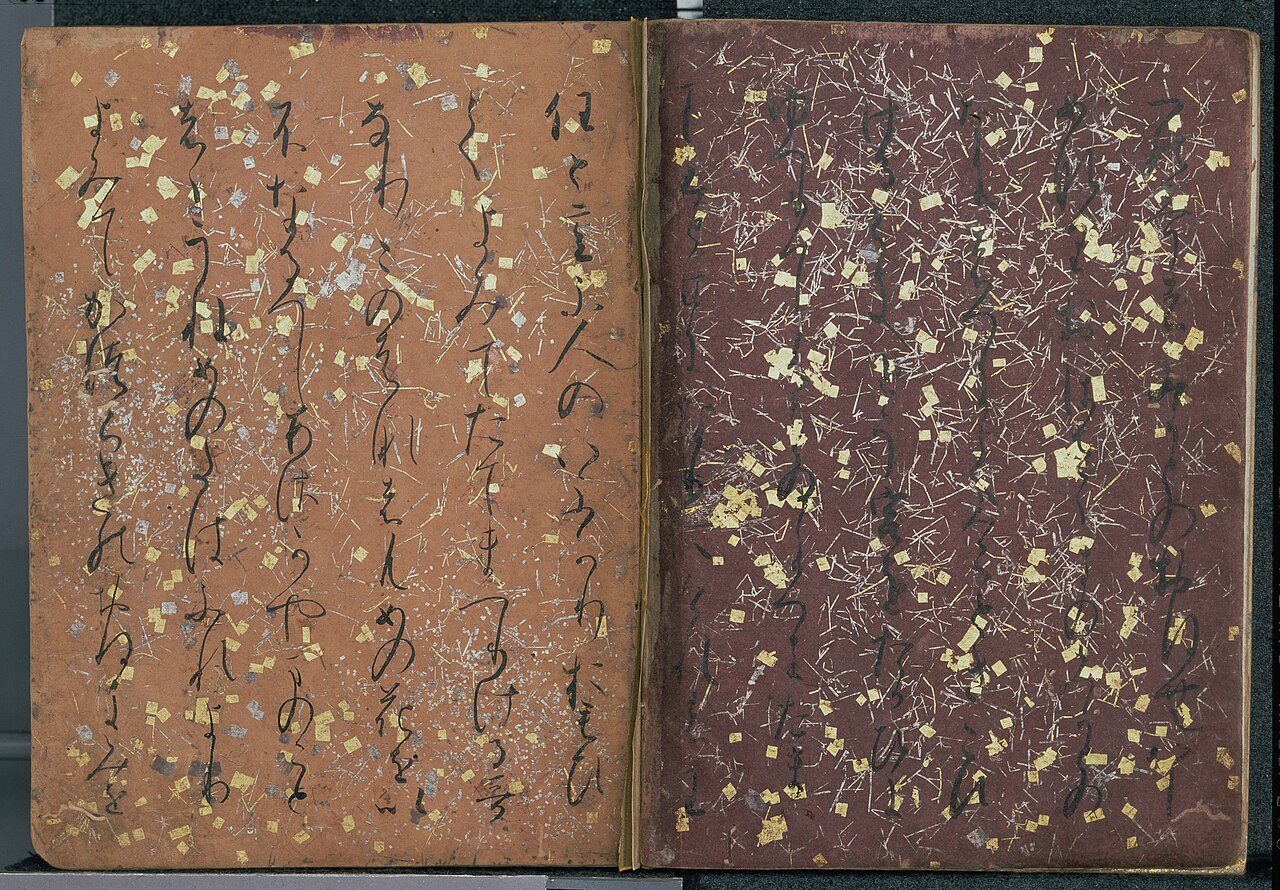
Kokin Wakashū
Ki no Tsurayuki and compilers · c. 905-920
Primary source
The Diary of Lady Murasaki
Murasaki Shikibu · c. 1008–1010
 Diary entry
Primary source
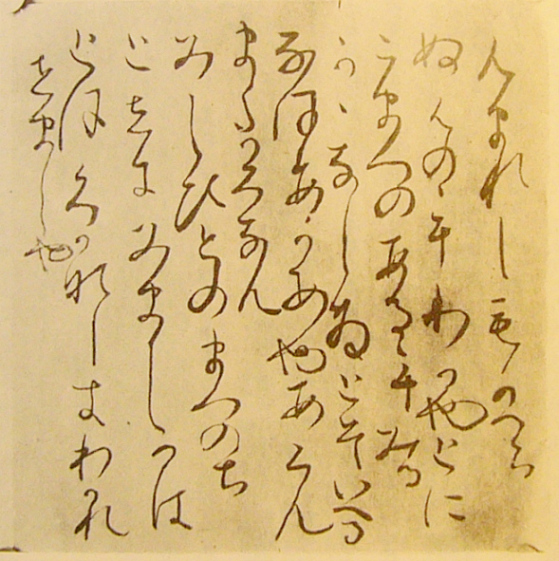
Tosa Nikki
Ki no Tsurayuki · 935 (copy 13th century)
 Book
Secondary source
Eiri Genji Monogatari
Yamamoto Shunshō · 1650
Ready when you are
Start chatting with Murasaki Shikibu now.
20 messages free · No credit card · Available in 50+ languages.