


Secondary sourcePainting17th century
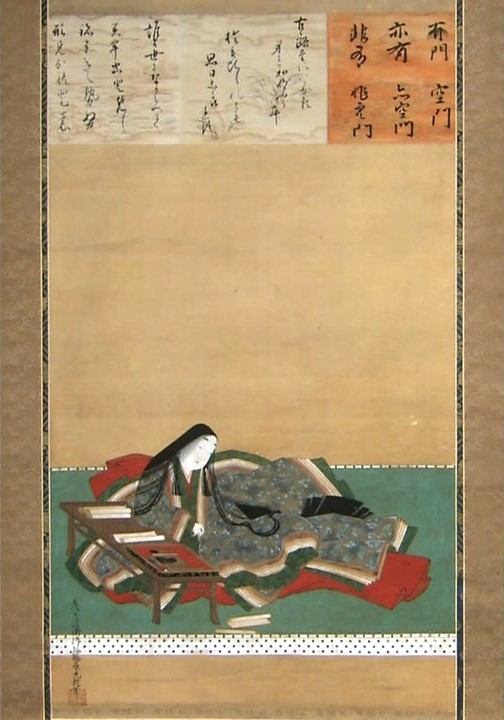
Portrait-Icon of Murasaki Shikibu
Tosa Mitsuoki · 17th century
A 17th-century hanging scroll painting imagining Murasaki Shikibu pausing in thought before writing, with poems and Buddhist teachings inscribed around her.
This famous later portrait shaped how Murasaki Shikibu has been remembered as both writer and sage.
About this source
What it is
This hanging scroll painting by Tosa Mitsuoki, made in the 17th century, shows Murasaki Shikibu seated beside a writing desk stacked with books, her head tilted upward as if in thought. Inscriptions around the image list stages of Buddhist contemplation she was said to have mastered, along with two of her poems about life's impermanence.
Why it matters
Painted centuries after her death, this portrait reflects how later generations imagined and revered Murasaki Shikibu, not just as a novelist but as a spiritually wise figure. It blends her literary legacy with Buddhist ideals valued in the artist's own time.
Look closer
- Why might the artist choose to show her pausing in thought rather than actively writing?
- What do the inscribed poems and Buddhist references suggest about how she was remembered?
- How might this image differ from how Murasaki Shikibu actually looked in life?
This painting is part of the curated material that grounds the AI version of Murasaki Shikibu on Humy.ai — when students ask about related events, the AI can quote it and cite it.
More Murasaki Shikibu sources
Meet the AI Murasaki Shikibu →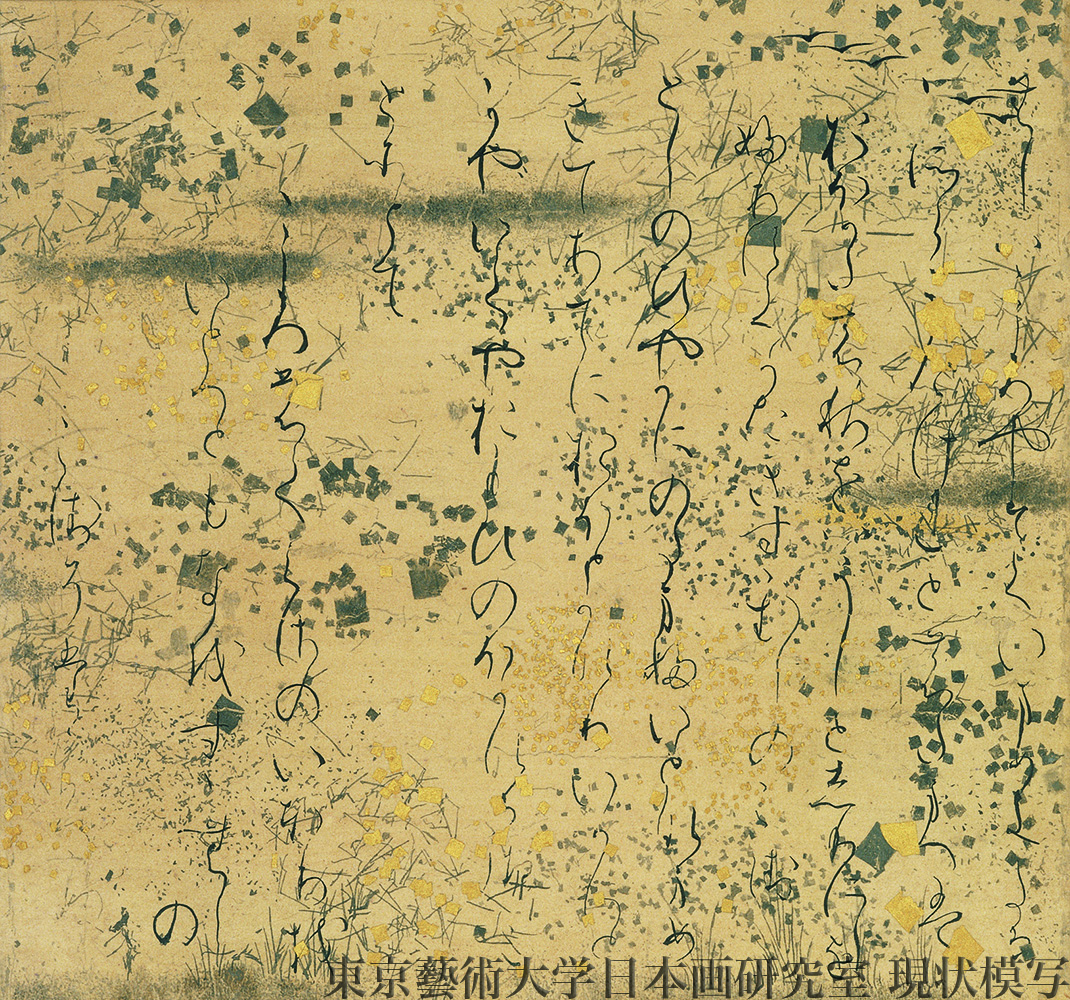 Book
Primary source
The Tale of Genji
Murasaki Shikibu · c. 1010
 Book
Primary source
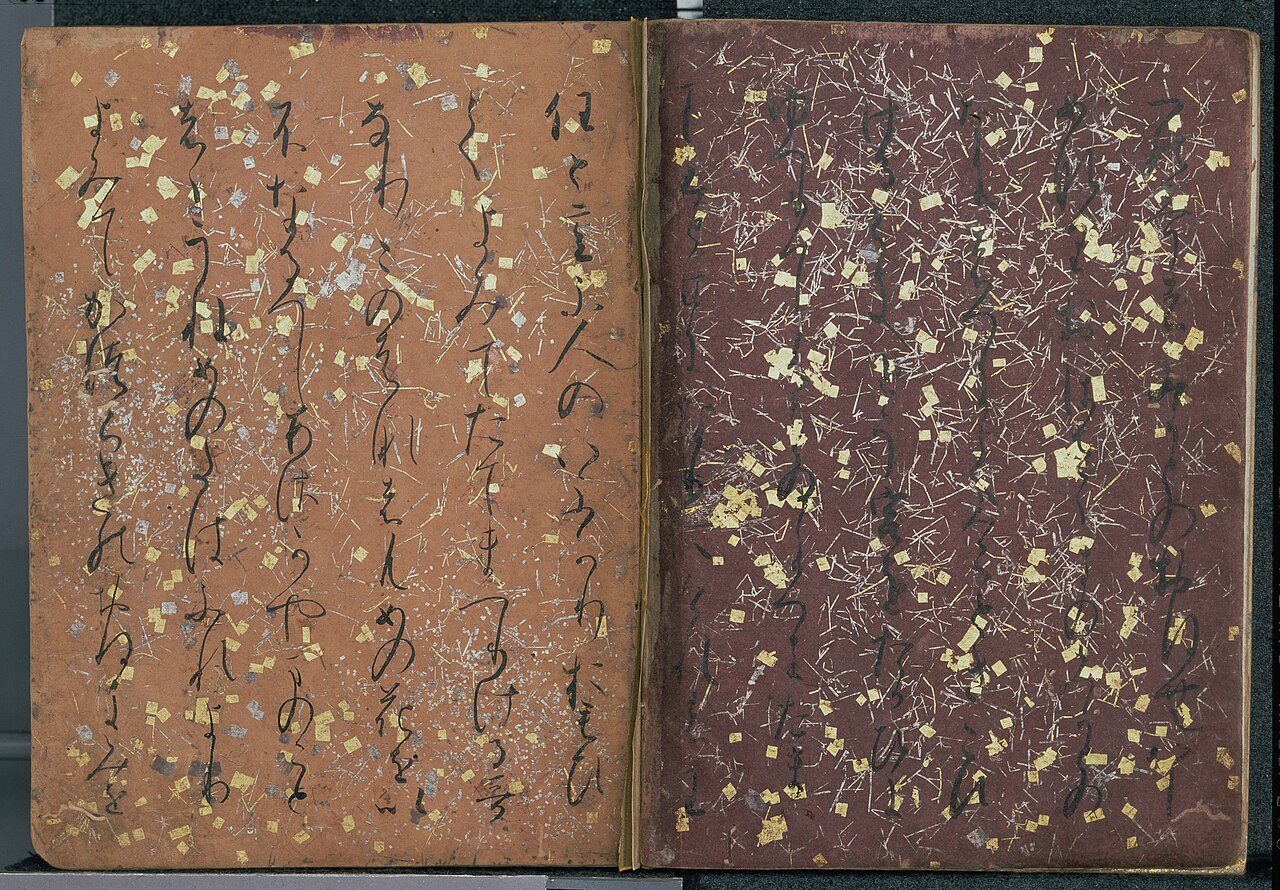
Kokin Wakashū
Ki no Tsurayuki and compilers · c. 905-920
Primary source
The Diary of Lady Murasaki
Murasaki Shikibu · c. 1008–1010
 Diary entry
Primary source
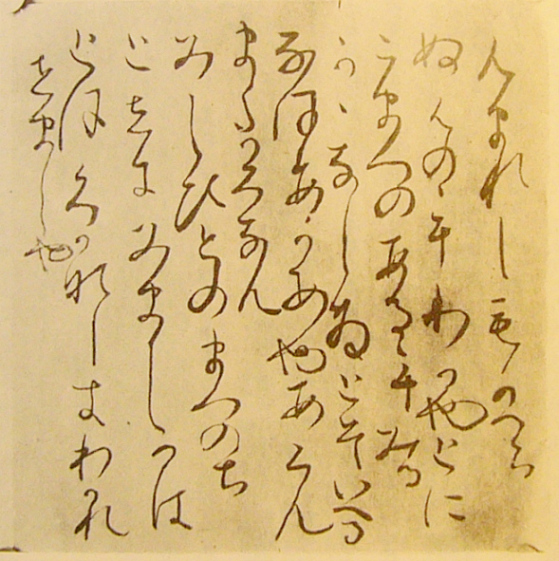
Tosa Nikki
Ki no Tsurayuki · 935 (copy 13th century)
 Book
Secondary source
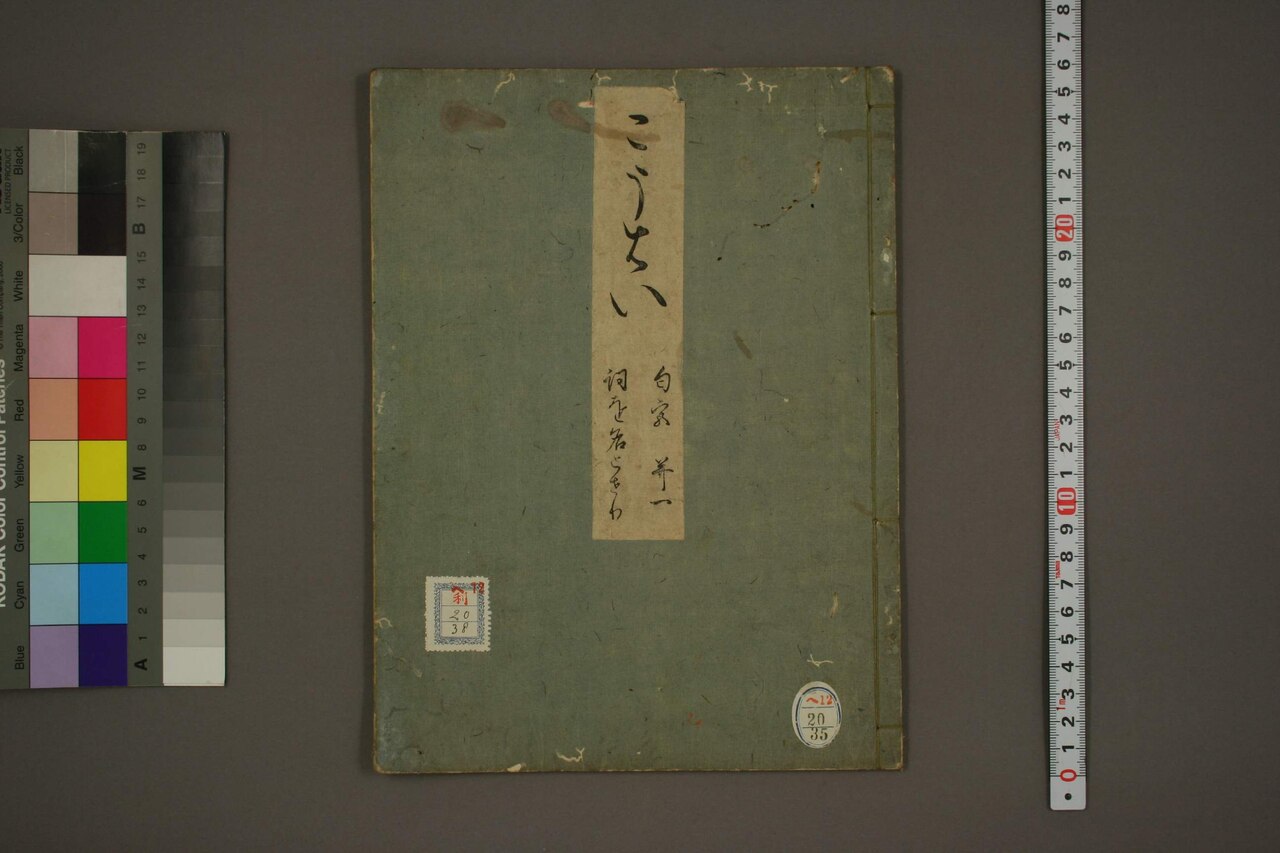
Eiri Genji Monogatari
Yamamoto Shunshō · 1650
Ready when you are
Start chatting with Murasaki Shikibu now.
20 messages free · No credit card · Available in 50+ languages.