


Secondary sourceBook1654
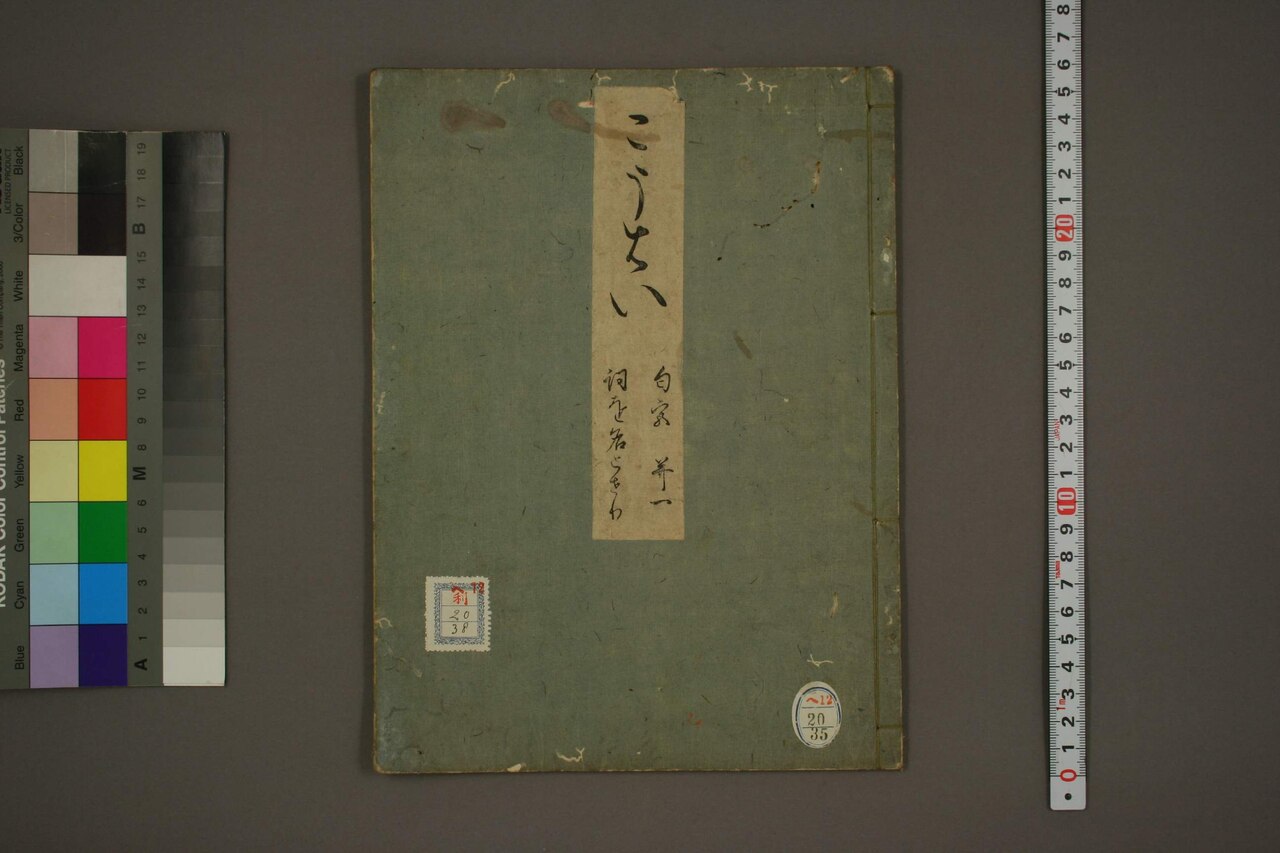
The Tale of Genji: Commentary on Key Words and Phrases
1654
Volumes of commentary accompanying a 1654 printed edition of Murasaki Shikibu's Tale of Genji, helping Edo-period readers understand her text.
This commentary explains Murasaki Shikibu's novel, showing how later readers needed help understanding her centuries-old text.
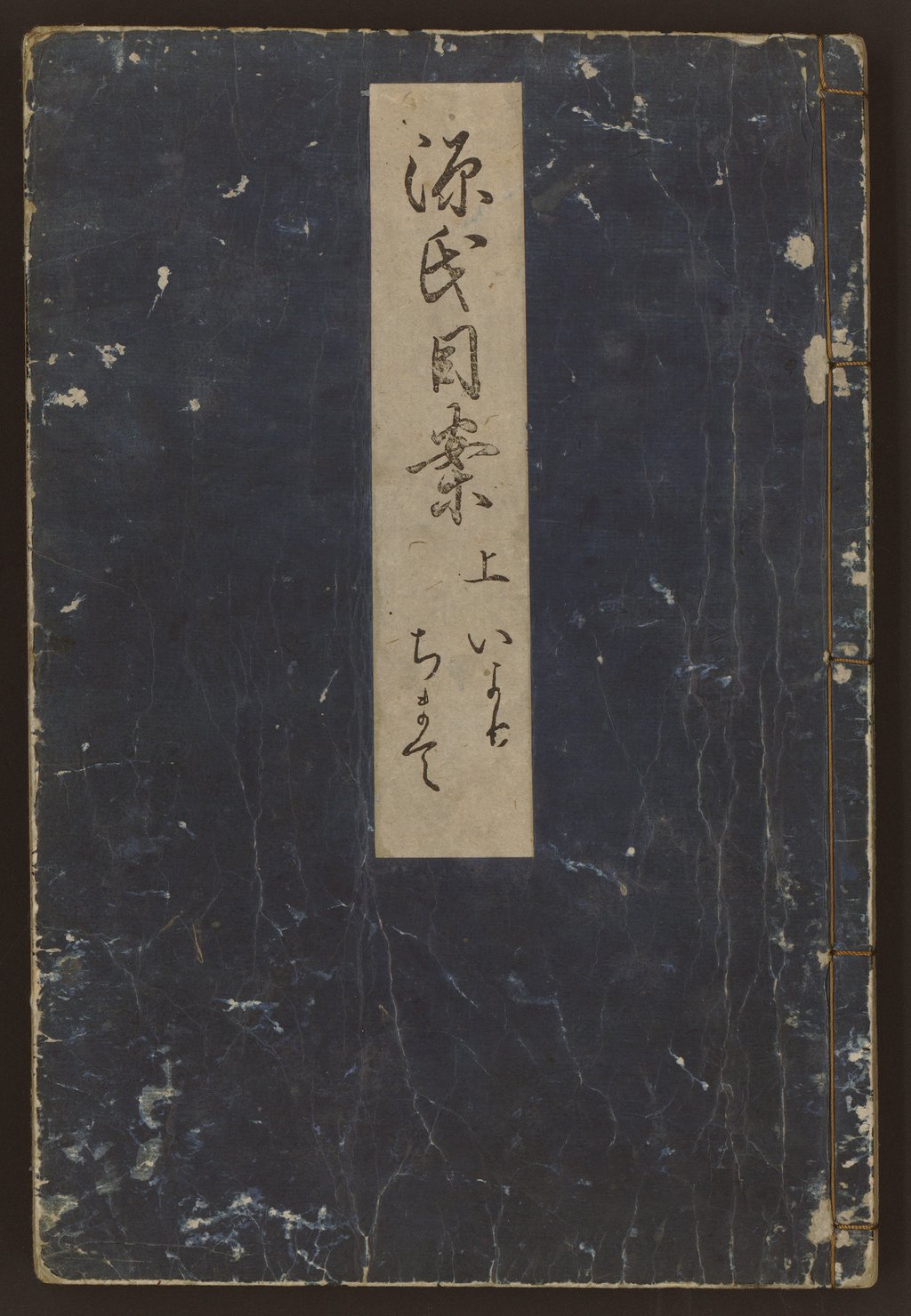
About this source
What it is
This is part of a complete 1654 woodblock-printed edition of The Tale of Genji, produced in Kyoto, now held by the Library of Congress. These particular volumes are commentary explaining key words and phrases in the novel written by Murasaki Shikibu in the early 11th century.
Why it matters
The novel, about Prince Genji and his court, is often called the first great novel in world literature. By the 1600s readers needed explanations to understand its old language, showing how much Japanese court culture had changed since Murasaki Shikibu's lifetime and how seriously later scholars studied her work.
Look closer
- Why would a novel need a separate commentary volume centuries after it was written?
- What does the survival of a complete printed set tell you about the book's importance?
- What is lost or changed when a story is explained rather than read directly?
This book is part of the curated material that grounds the AI version of Murasaki Shikibu on Humy.ai — when students ask about related events, the AI can quote it and cite it.
More Murasaki Shikibu sources
Meet the AI Murasaki Shikibu →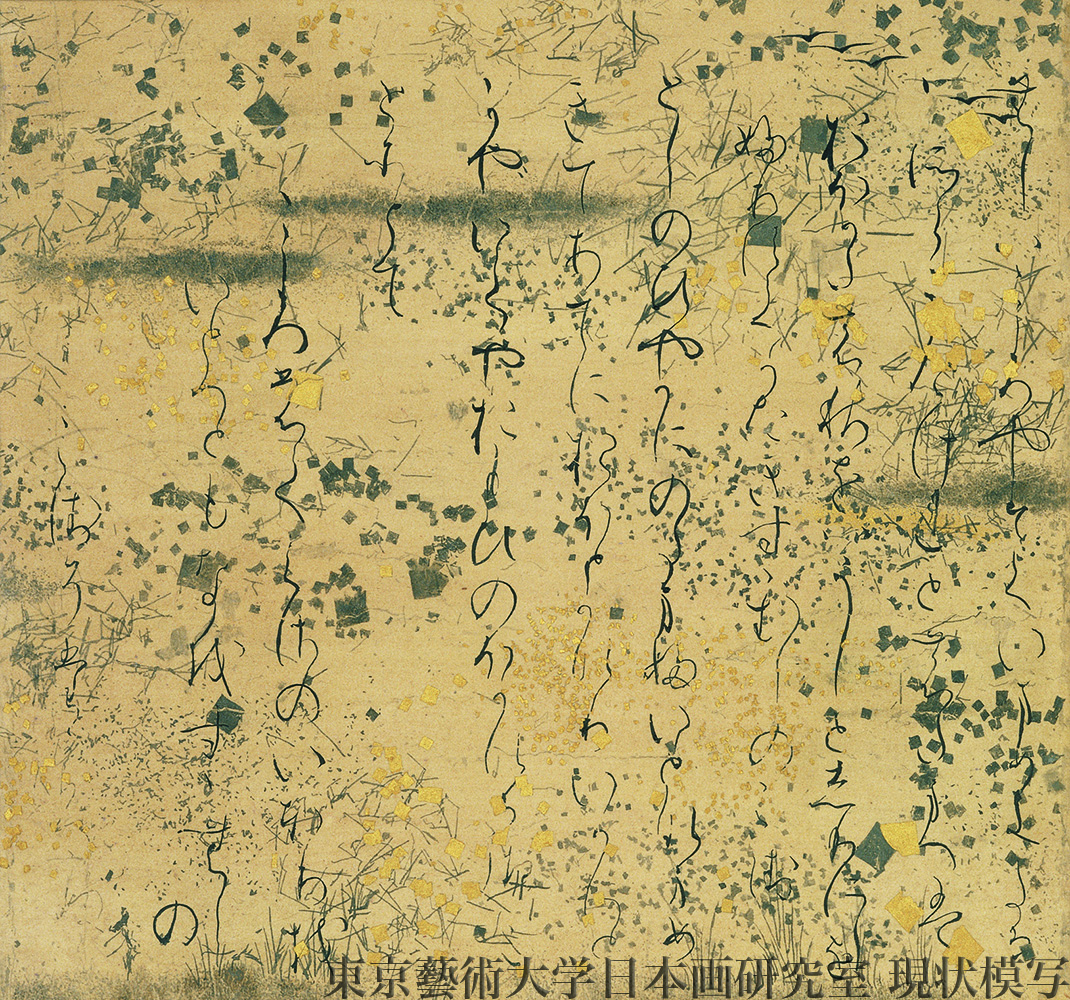 Book
Primary source
The Tale of Genji
Murasaki Shikibu · c. 1010
 Book
Primary source
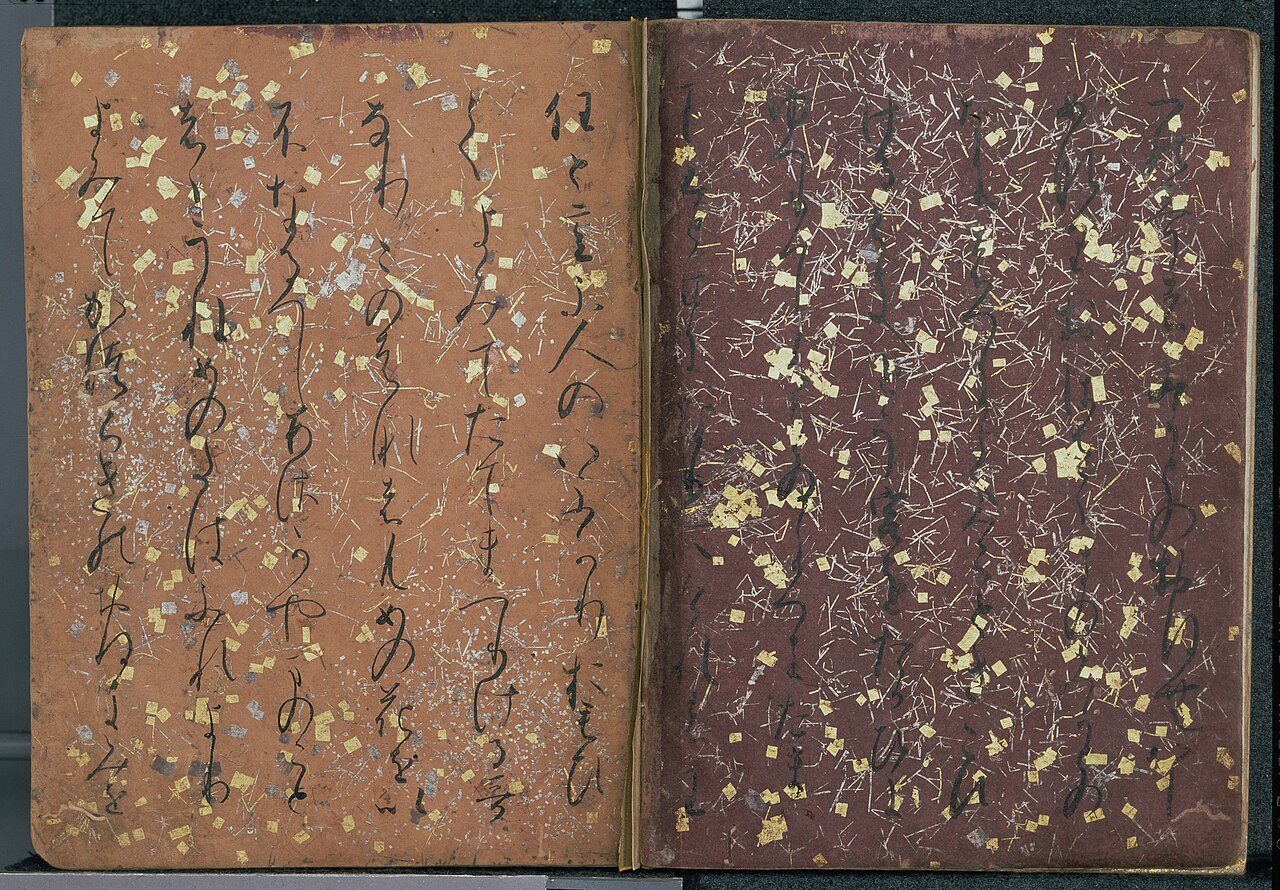
Kokin Wakashū
Ki no Tsurayuki and compilers · c. 905-920
Primary source
The Diary of Lady Murasaki
Murasaki Shikibu · c. 1008–1010
 Diary entry
Primary source
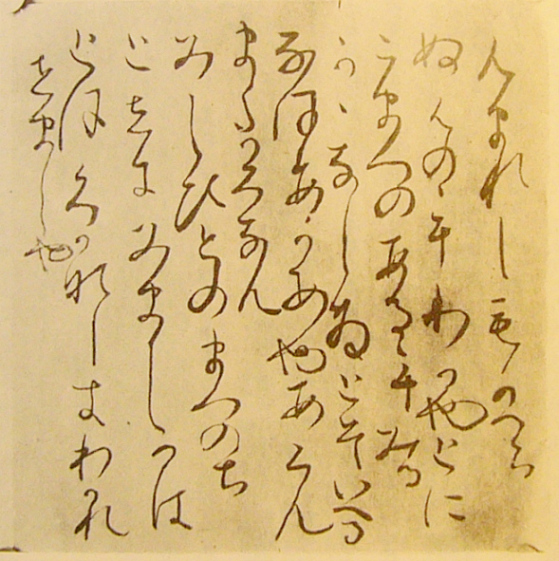
Tosa Nikki
Ki no Tsurayuki · 935 (copy 13th century)
 Book
Secondary source
Eiri Genji Monogatari
Yamamoto Shunshō · 1650
Ready when you are
Start chatting with Murasaki Shikibu now.
20 messages free · No credit card · Available in 50+ languages.