


Secondary sourcePainting1594
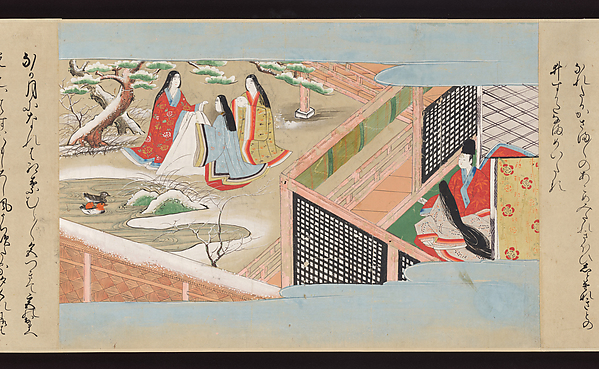
Illustrated Handscrolls of The Tale of Genji by Ryūjo
Ryūjo · 1594
Five Momoyama-period handscrolls from 1594 illustrating scenes from Murasaki Shikibu's novel, combining painted images with the text.
This later handscroll illustrates scenes from Murasaki Shikibu's novel, showing how her story was retold in art centuries after she wrote it.
About this source
What it is
This is a set of five handscrolls made in 1594 by the artist Ryūjo, during Japan's Momoyama period. They combine ink-and-color illustrations with written passages from The Tale of Genji, and are now held at the Metropolitan Museum of Art.
Why it matters
Murasaki Shikibu wrote the novel around the start of the 11th century, but this scroll shows how artists like Ryūjo kept reinterpreting her story for new audiences nearly six centuries later. It is a later artistic response to her writing, not a record from her own time.
Look closer
- What details in the painting (clothing, setting, objects) tell you about court life as the artist imagined it?
- Why might an artist centuries later choose to illustrate this particular story?
- What has the artist added or changed that might not be in Murasaki's original text?
This painting is part of the curated material that grounds the AI version of Murasaki Shikibu on Humy.ai — when students ask about related events, the AI can quote it and cite it.
More Murasaki Shikibu sources
Meet the AI Murasaki Shikibu →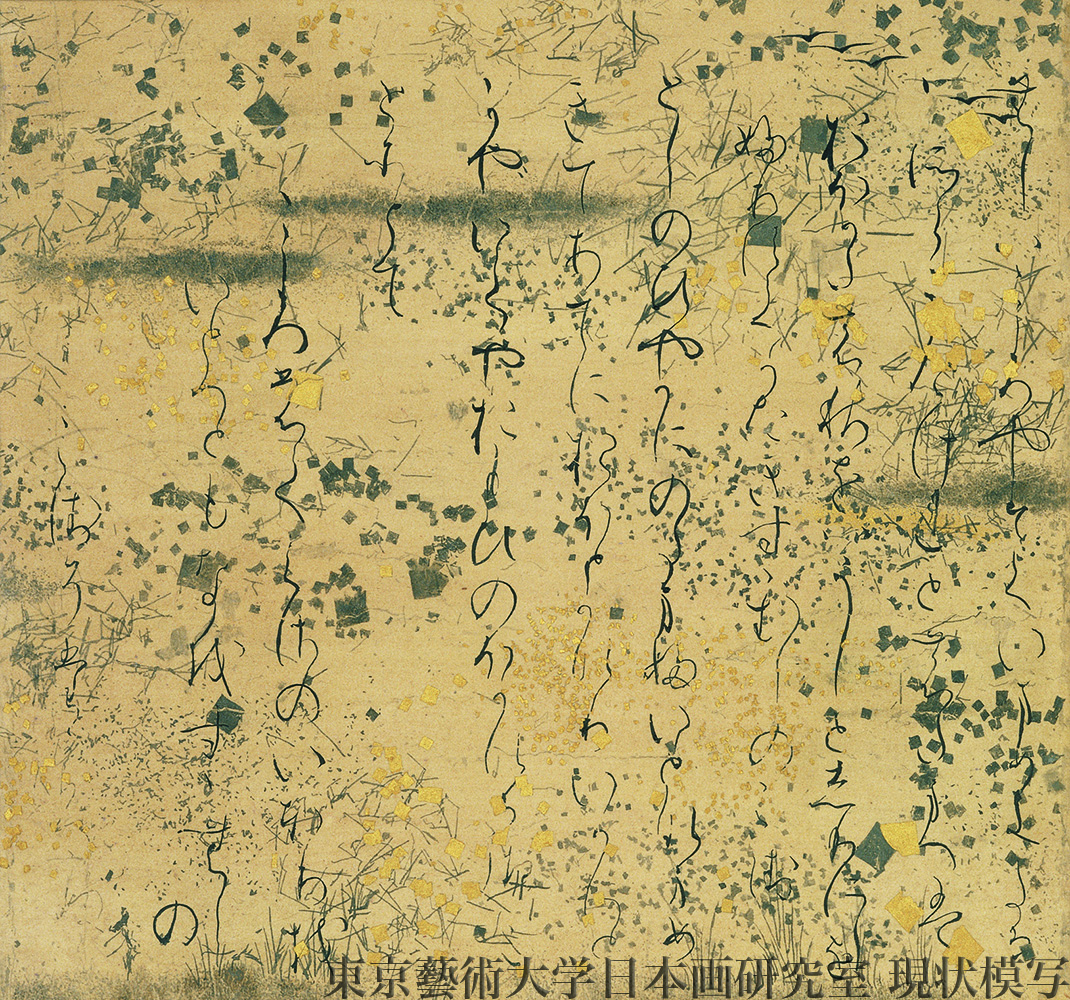 Book
Primary source
The Tale of Genji
Murasaki Shikibu · c. 1010
 Book
Primary source
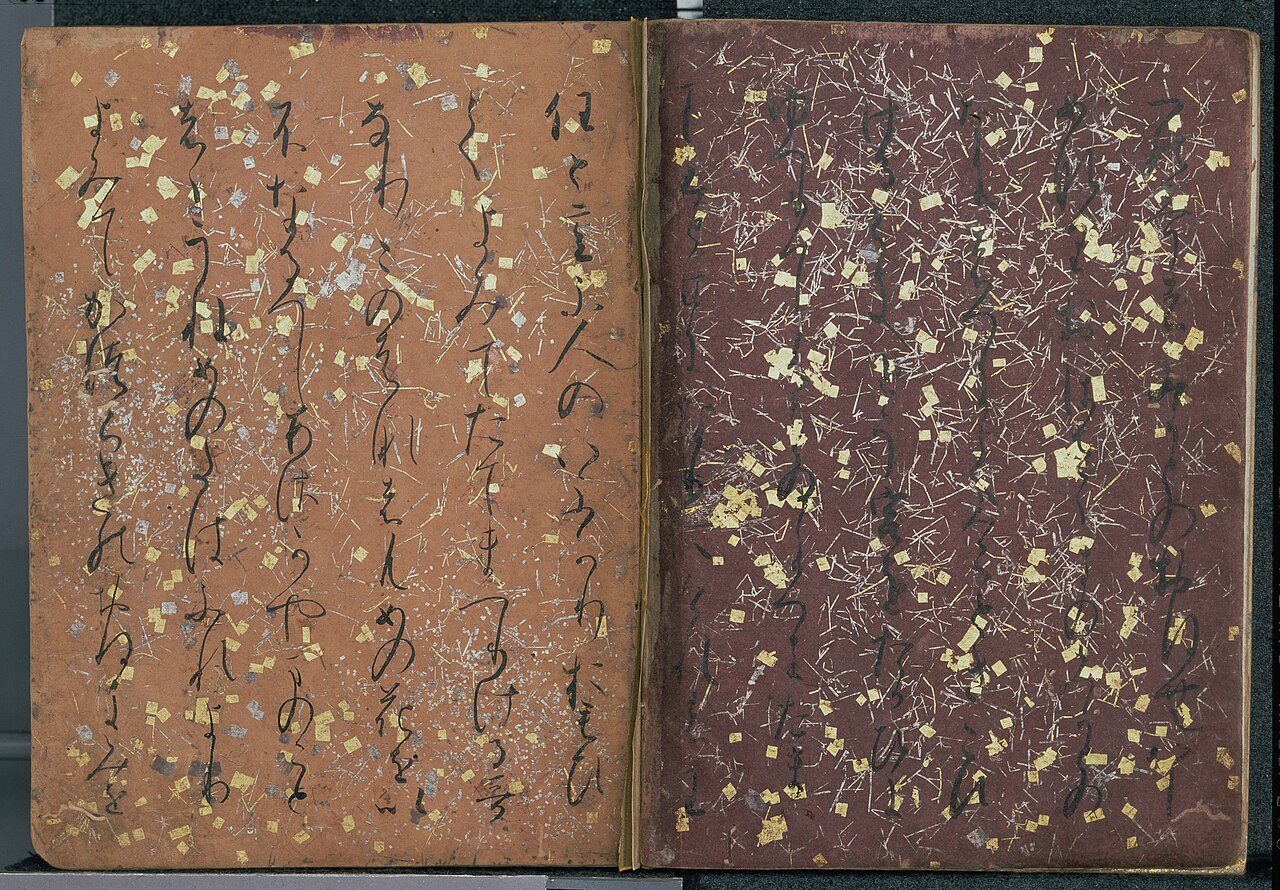
Kokin Wakashū
Ki no Tsurayuki and compilers · c. 905-920
Primary source
The Diary of Lady Murasaki
Murasaki Shikibu · c. 1008–1010
 Diary entry
Primary source
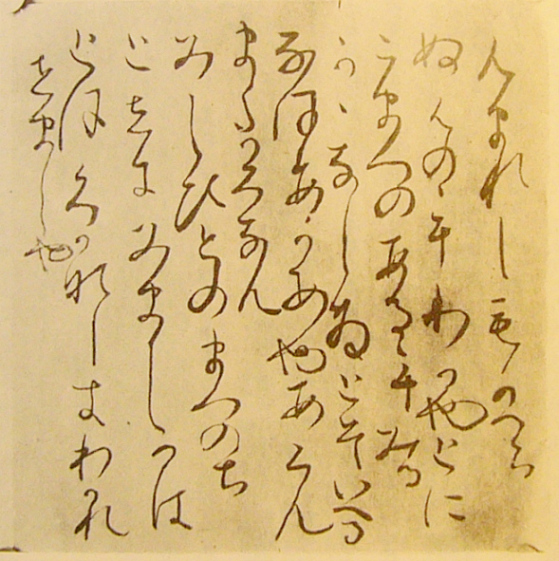
Tosa Nikki
Ki no Tsurayuki · 935 (copy 13th century)
 Book
Secondary source
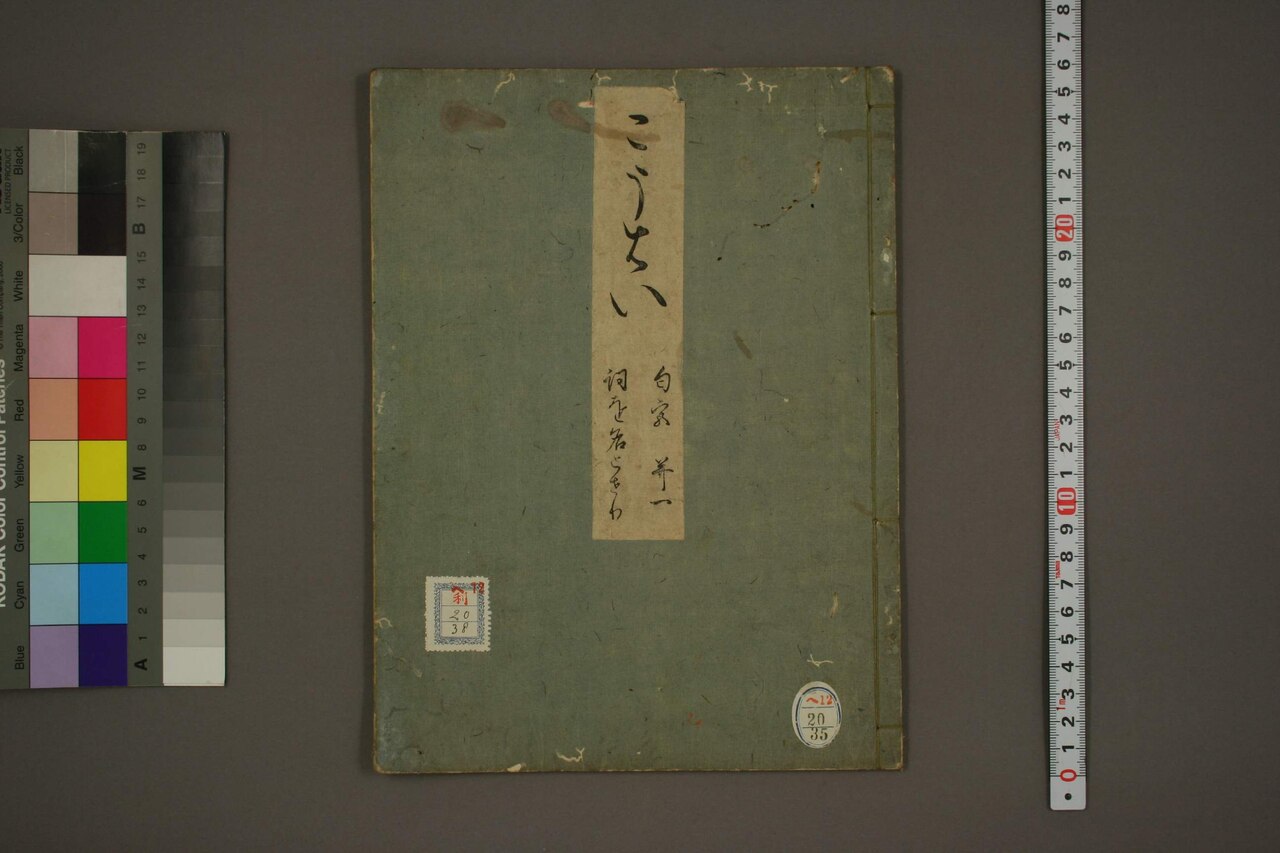
Eiri Genji Monogatari
Yamamoto Shunshō · 1650
Ready when you are
Start chatting with Murasaki Shikibu now.
20 messages free · No credit card · Available in 50+ languages.