


Secondary sourcePaintingmid-17th century
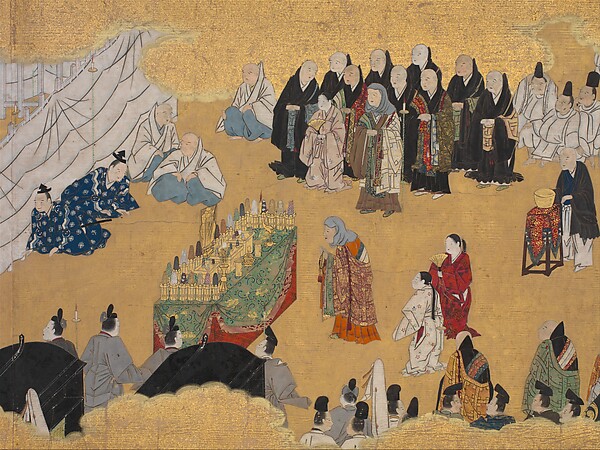
Leaves of Wild Ginger (Aoi), Phantom Genji Scrolls
mid-17th century
A mid-1600s Japanese handscroll illustrating the Aoi chapter of Murasaki Shikibu's Tale of Genji.
This later painting illustrates a chapter from Murasaki Shikibu's novel, showing its lasting influence centuries after she wrote it.
About this source
What it is
This is a section of a painted handscroll made in Japan during the Edo period, in ink, color, and gold on paper, with ivory roller knobs. It illustrates the "Aoi" (Wild Ginger) chapter of the Tale of Genji and is part of a set known as the Phantom Genji Scrolls. It is held at the Metropolitan Museum of Art.
Why it matters
The Tale of Genji was written around the year 1000 by Murasaki Shikibu, a lady-in-waiting at the Japanese imperial court. Centuries later, artists kept retelling her story in paint, showing how deeply it shaped Japanese culture long after her lifetime.
Look closer
- What details in the painting tell you this is a courtly scene?
- Why might artists centuries later still want to illustrate this story?
- What does the gold background suggest about who this artwork was made for?
This painting is part of the curated material that grounds the AI version of Murasaki Shikibu on Humy.ai — when students ask about related events, the AI can quote it and cite it.
More Murasaki Shikibu sources
Meet the AI Murasaki Shikibu →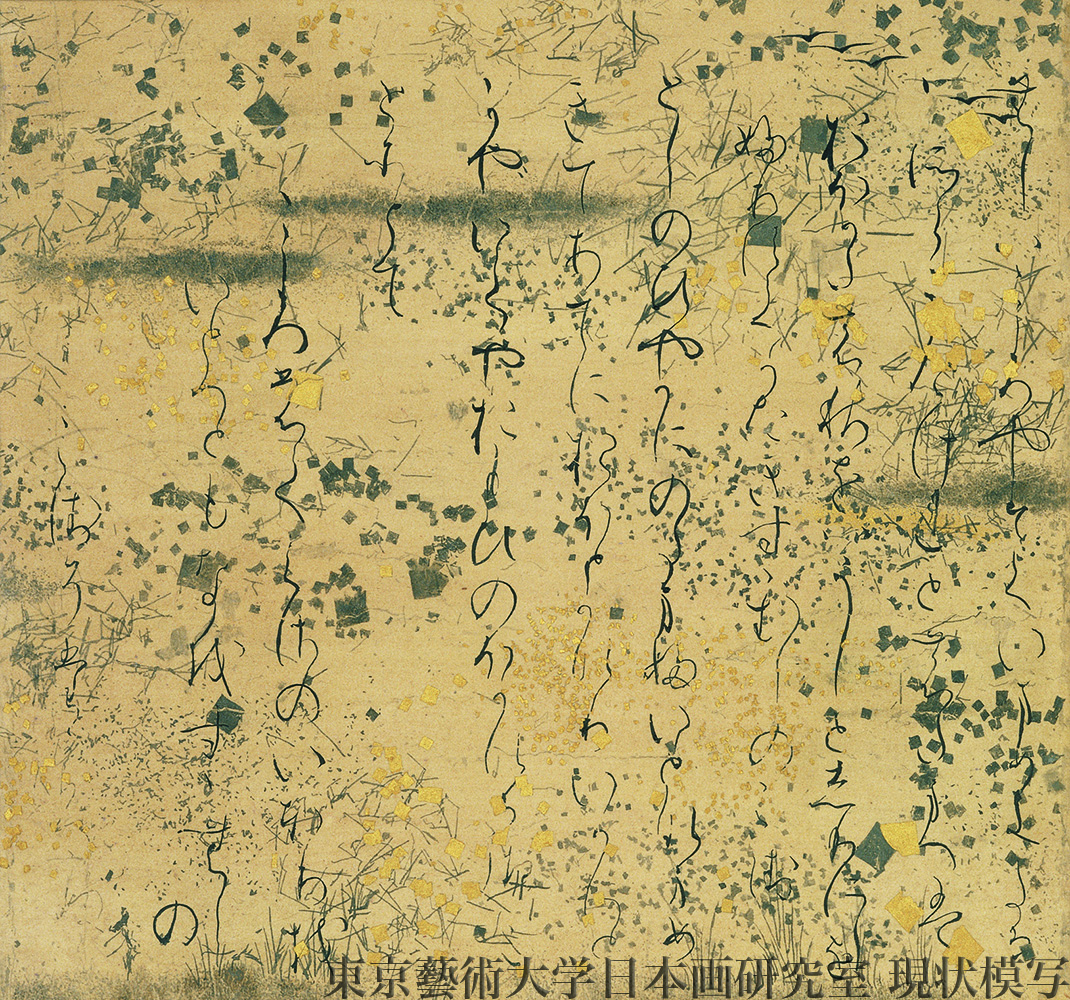 Book
Primary source
The Tale of Genji
Murasaki Shikibu · c. 1010
 Book
Primary source
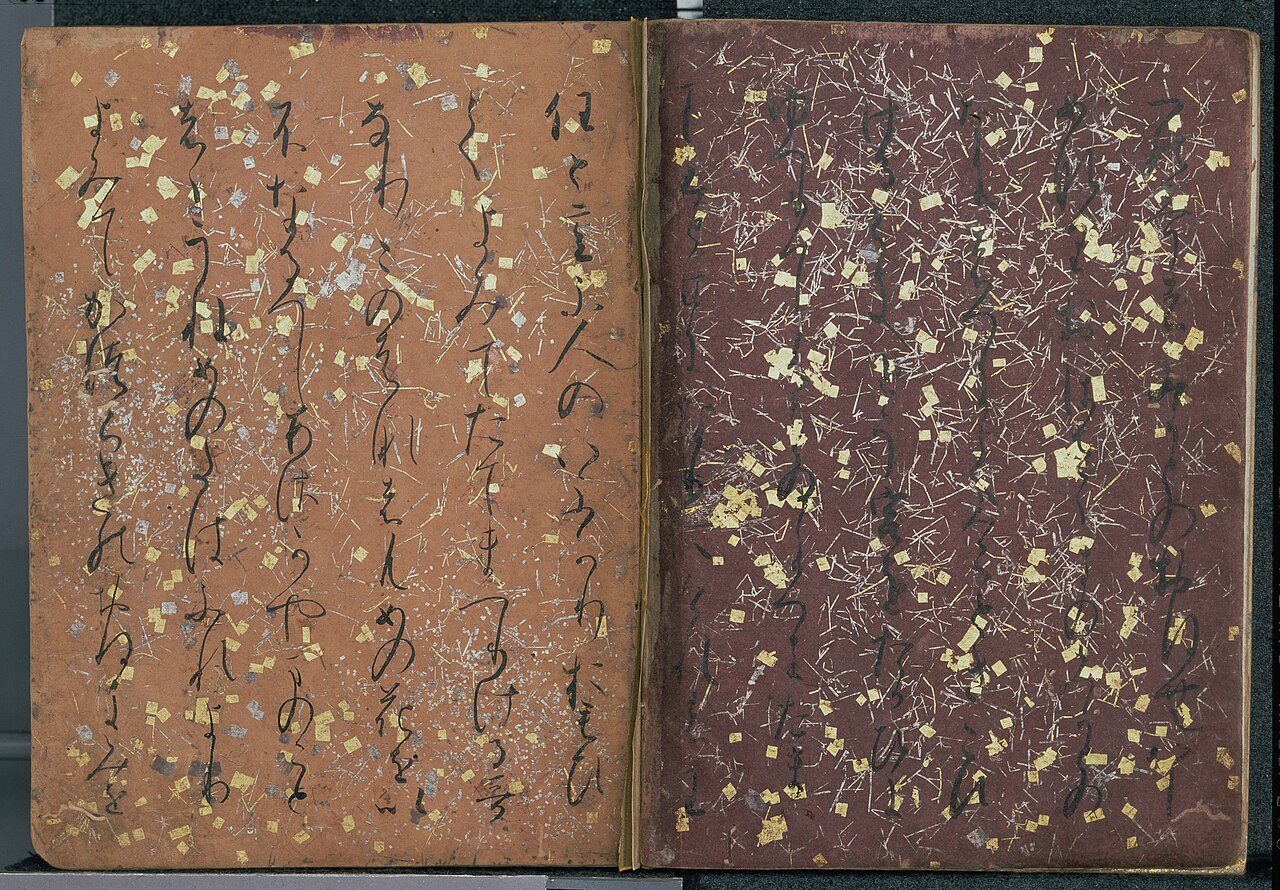
Kokin Wakashū
Ki no Tsurayuki and compilers · c. 905-920
Primary source
The Diary of Lady Murasaki
Murasaki Shikibu · c. 1008–1010
 Diary entry
Primary source
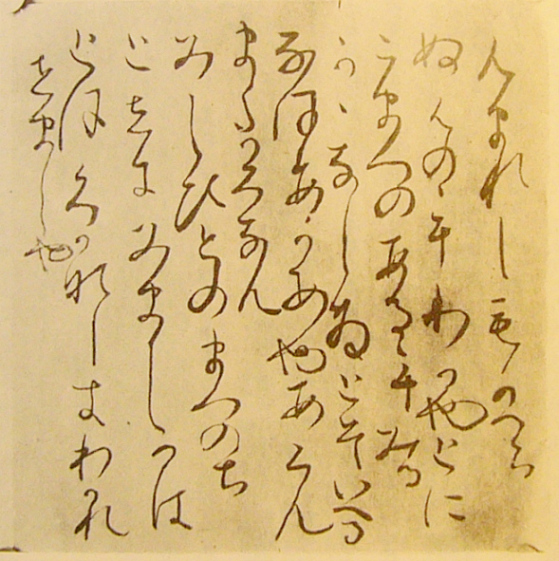
Tosa Nikki
Ki no Tsurayuki · 935 (copy 13th century)
 Book
Secondary source
Eiri Genji Monogatari
Yamamoto Shunshō · 1650
Ready when you are
Start chatting with Murasaki Shikibu now.
20 messages free · No credit card · Available in 50+ languages.