


Secondary sourcePaintingca. 1892
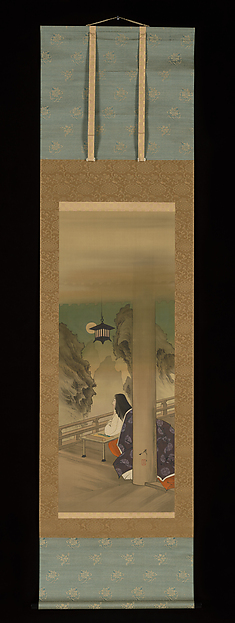
Murasaki Shikibu at Ishiyamadera Temple
Tsukioka Yoshitoshi · ca. 1892
A Meiji-era hanging scroll by Tsukioka Yoshitoshi depicting Murasaki Shikibu at Ishiyama Temple, where legend says she began writing The Tale of Genji.
A later artistic imagining of Murasaki Shikibu at the temple where she is said to have begun writing The Tale of Genji.
About this source
What it is
This hanging scroll was painted around 1892 by Tsukioka Yoshitoshi, a Japanese artist of the Meiji period. It is based on a print from his series One Hundred Aspects of the Moon and shows a woman identified as Murasaki Shikibu seated at Ishiyama Temple, where tradition holds she began writing her famous novel. The scroll is now held by the Metropolitan Museum of Art.
Why it matters
Made almost nine centuries after Murasaki's lifetime, this artwork shows how her story continued to inspire artists long after she died. It reveals how the legend of her writing at a moonlit temple became a popular subject in Japanese art.
Look closer
- What mood does the misty mountain background create?
- Why might the artist connect Murasaki to the moon in this series?
- What does this image add to, or leave out of, the story of how she wrote her novel?
This painting is part of the curated material that grounds the AI version of Murasaki Shikibu on Humy.ai — when students ask about related events, the AI can quote it and cite it.
More Murasaki Shikibu sources
Meet the AI Murasaki Shikibu →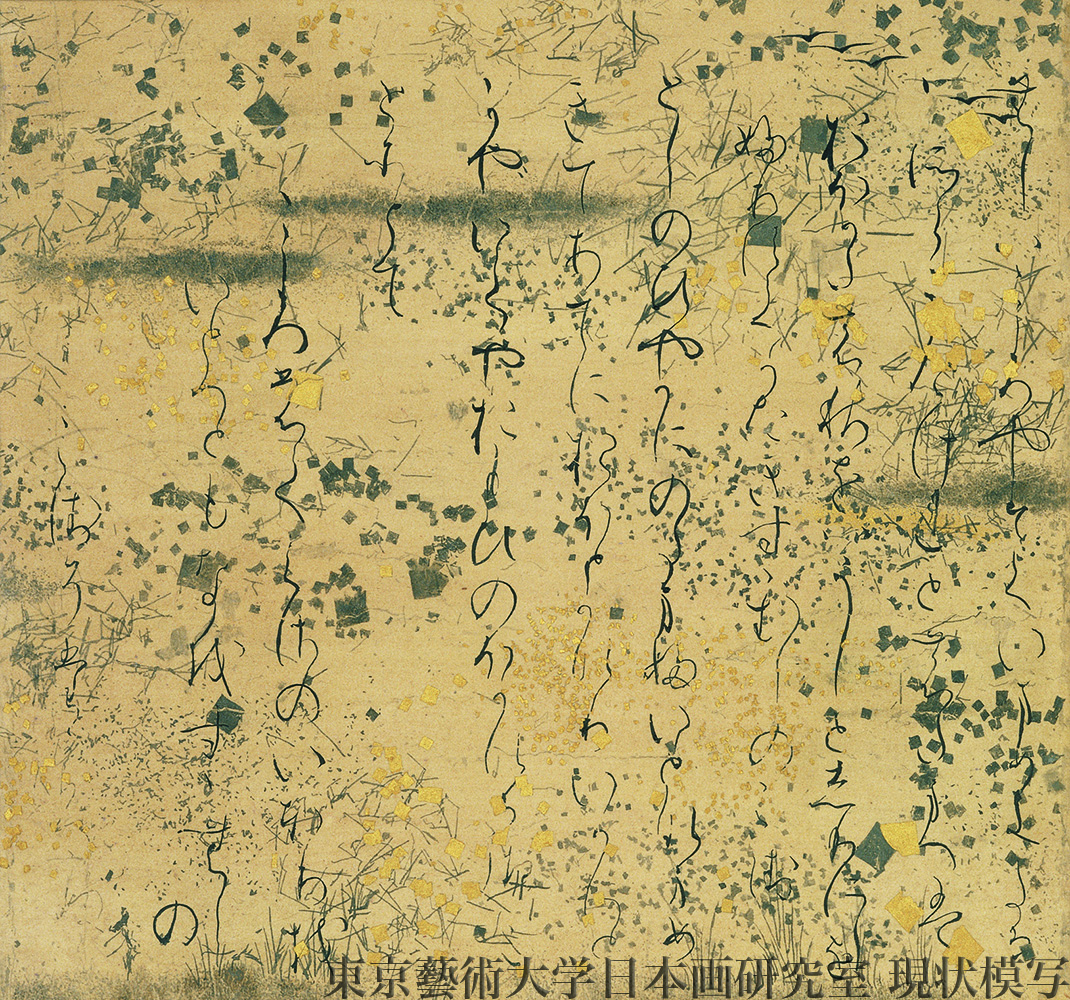 Book
Primary source
The Tale of Genji
Murasaki Shikibu · c. 1010
 Book
Primary source
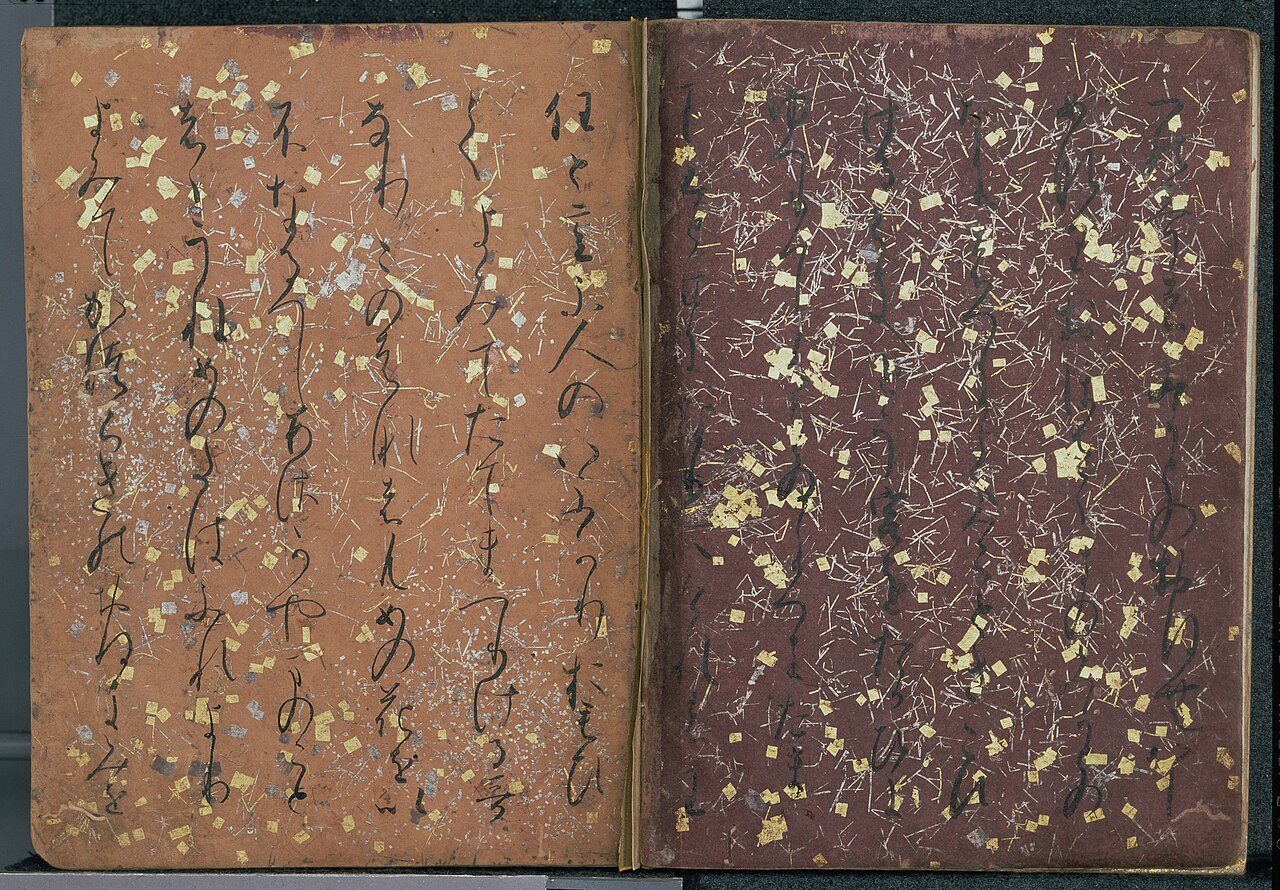
Kokin Wakashū
Ki no Tsurayuki and compilers · c. 905-920
Primary source
The Diary of Lady Murasaki
Murasaki Shikibu · c. 1008–1010
 Diary entry
Primary source
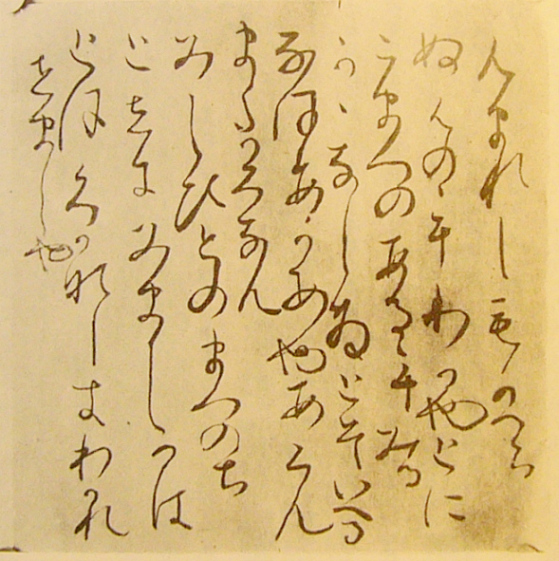
Tosa Nikki
Ki no Tsurayuki · 935 (copy 13th century)
 Book
Secondary source
Eiri Genji Monogatari
Yamamoto Shunshō · 1650
Ready when you are
Start chatting with Murasaki Shikibu now.
20 messages free · No credit card · Available in 50+ languages.