


Primary sourcePainting1785
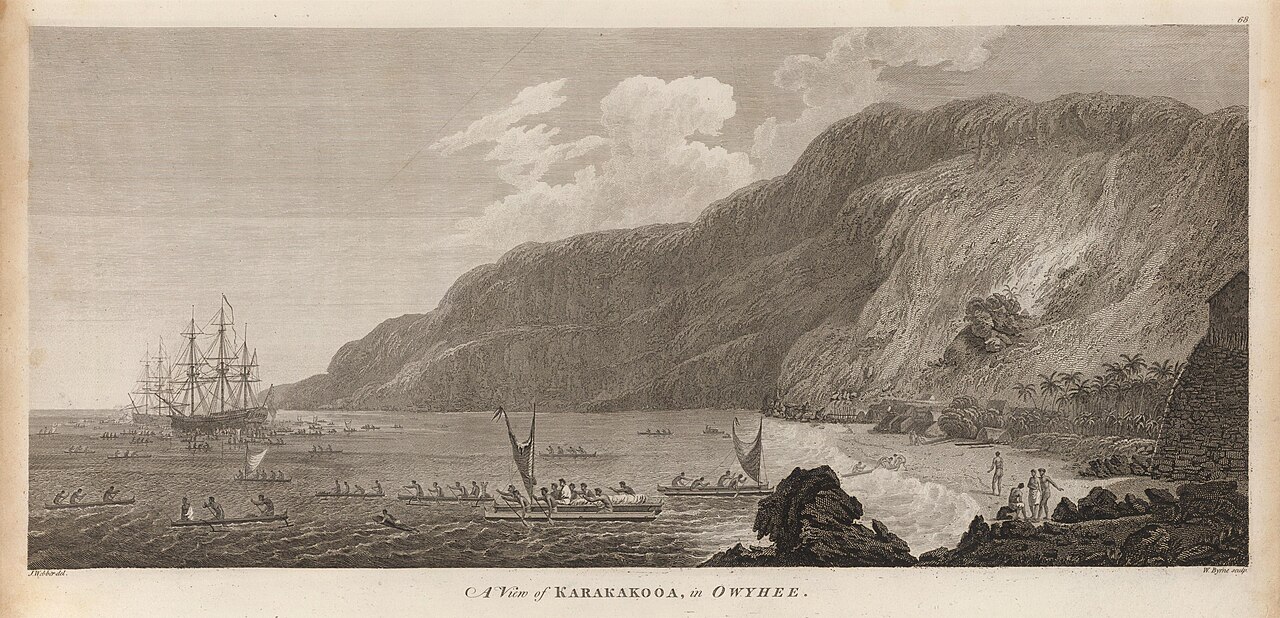
A View of Karakakooa, in Owyhee
John Webber · 1785
An engraving by John Webber showing Kealakekua Bay, the site where Cook was welcomed and later died.
Depicts Kealakekua Bay, the site of Cook's welcome and death during his third voyage.
About this source
What it is
This engraving was made after a drawing by John Webber, the official artist on Cook's third voyage, and engraved by W. Byrne. It was published in London in 1785 and shows Kealakekua Bay (Karakakooa) in Hawaii, with the expedition's ships anchored offshore.
Why it matters
Kealakekua Bay was the place where Cook was first welcomed by Hawaiian islanders and later the site of the violent confrontation in which he died. Webber's image documents how the bay, its shoreline, and its many canoes appeared to the expedition at the time.
Look closer
- What details in the image show the scale and activity of the bay?
- Why would the expedition's artist choose to record this particular view?
- What can and can't this image tell us about the relationship between the sailors and the islanders?
This painting is part of the curated material that grounds the AI version of James Cook on Humy.ai — when students ask about related events, the AI can quote it and cite it.
More James Cook sources
Meet the AI James Cook →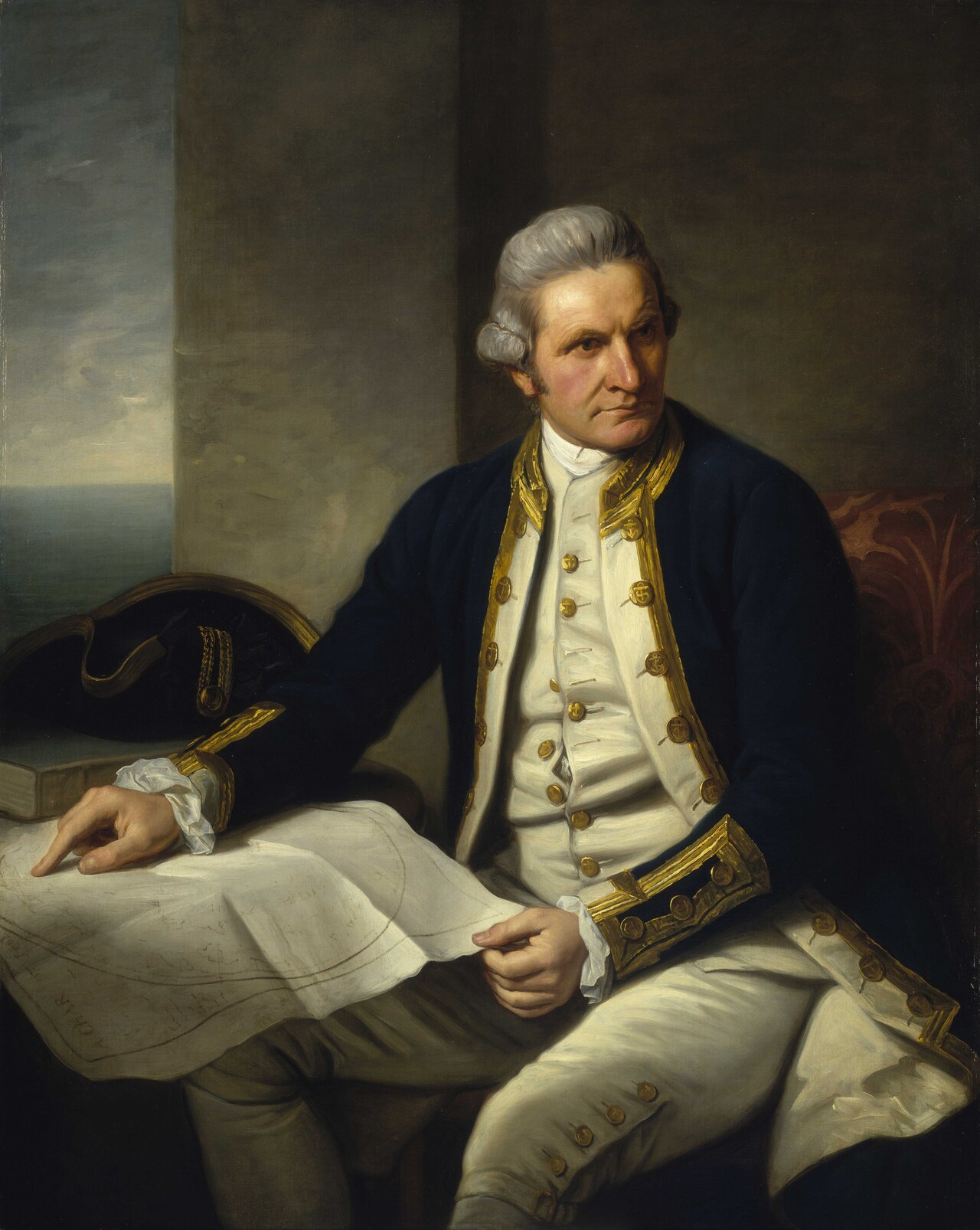 Painting
Primary source
Captain James Cook, 1728-79
Nathaniel Dance-Holland · c. 1775-1776
 Painting
Secondary source
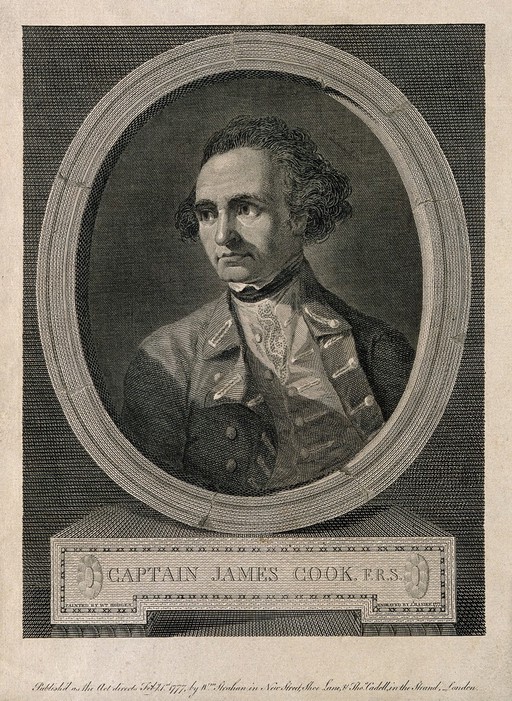
James Cook, line engraving by Basire after Hodges
William Hodges · 1777
 Document
Primary source
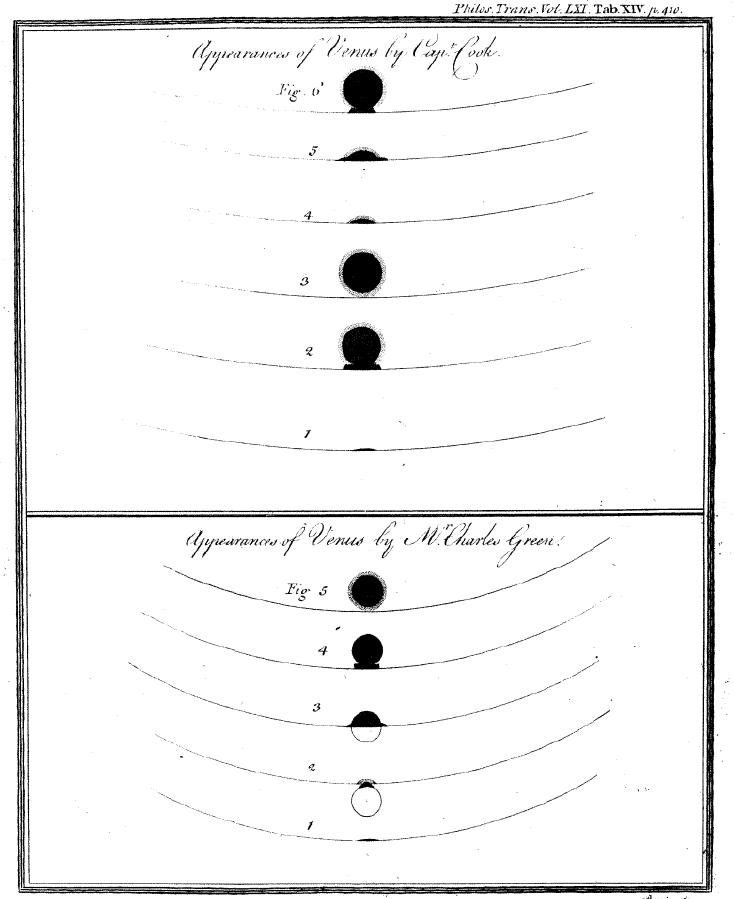
Sketchings of the 1769 Venus Transit
James Cook and Charles Green · 1769
 Painting
Primary source
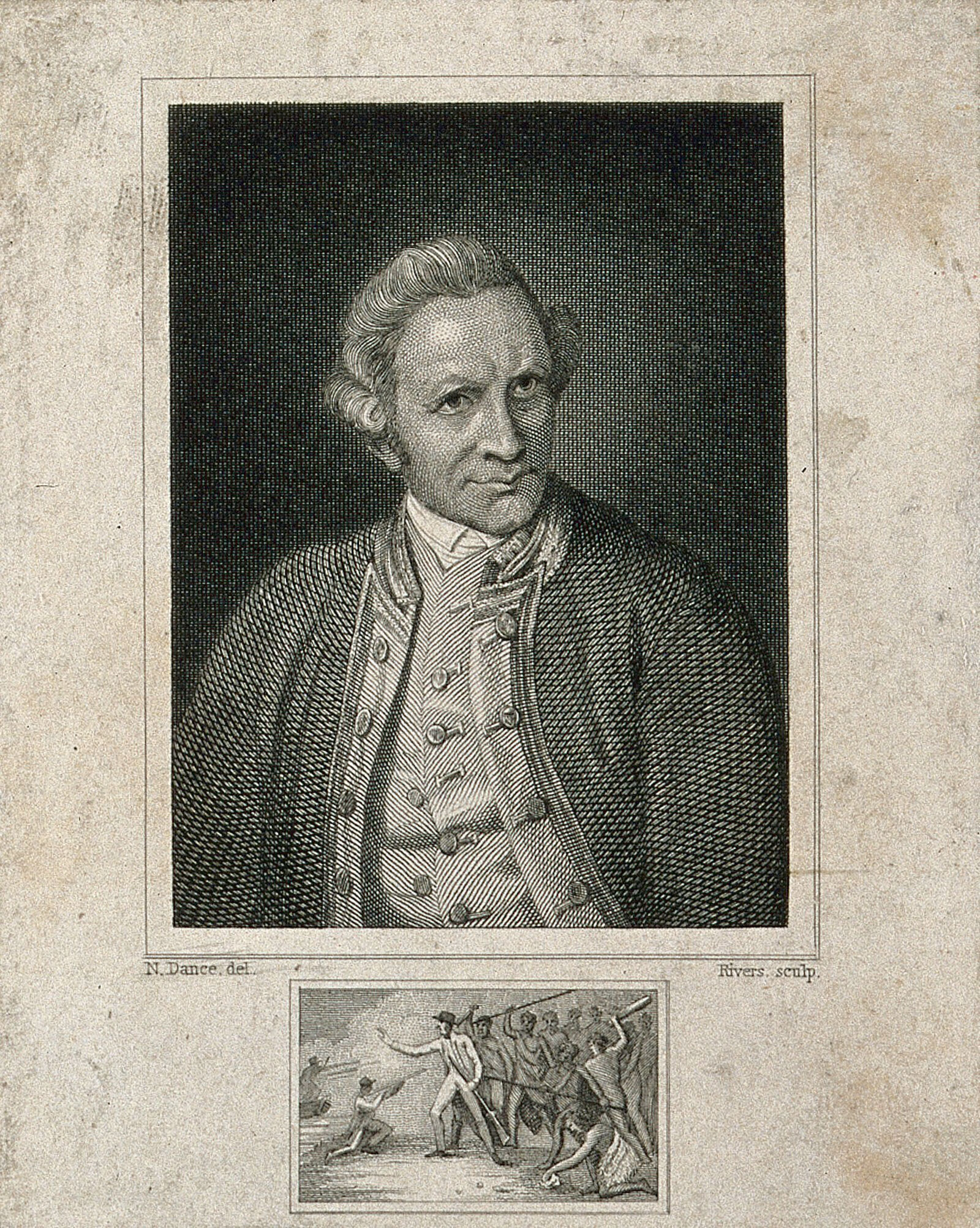
James Cook, engraving by Rivers after Dance-Holland
Nathaniel Dance-Holland · 1776
 Document
Primary source
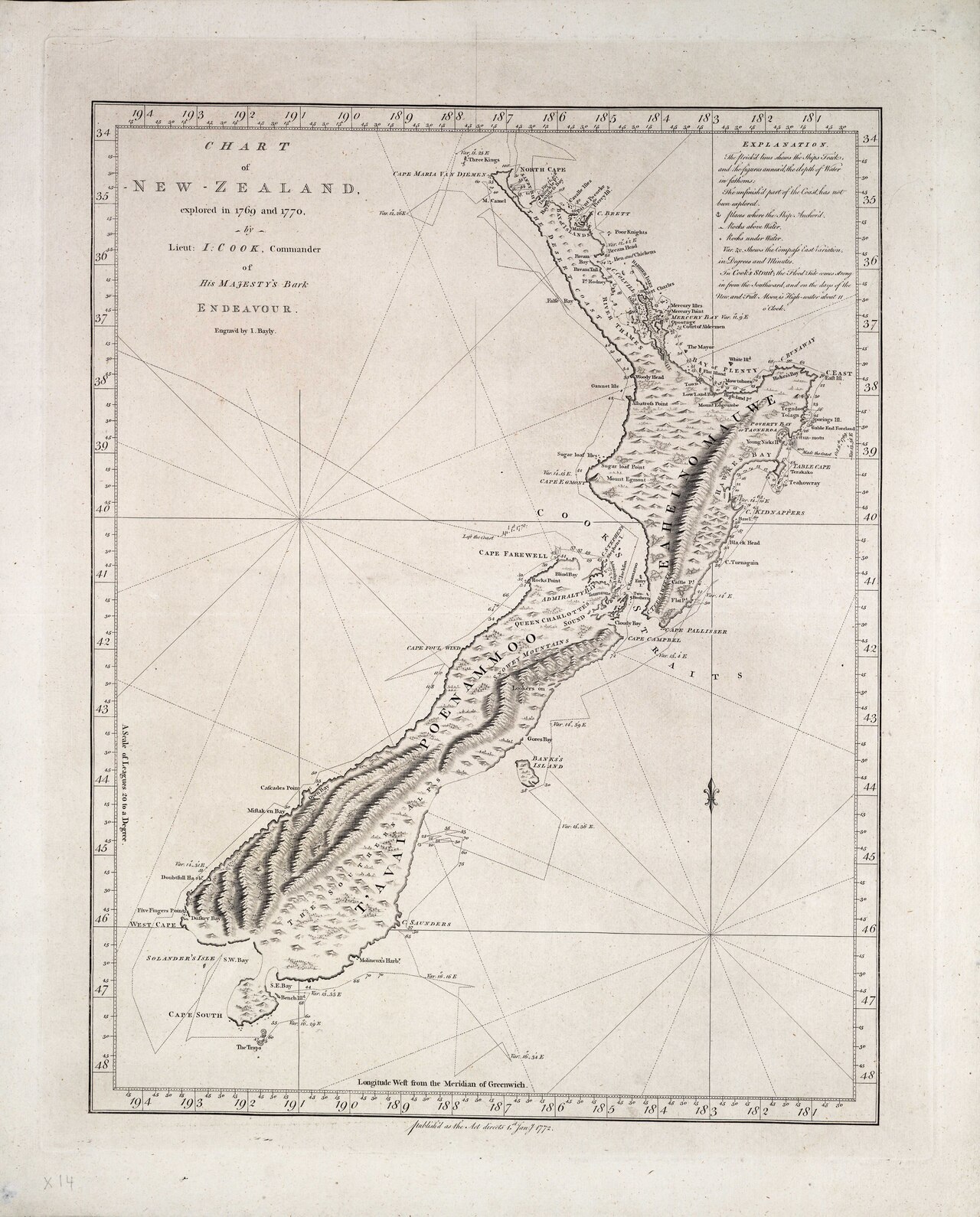
Chart of New Zealand, explored in 1769 and 1770
James Cook · 1770
Ready when you are
Start chatting with James Cook now.
20 messages free · No credit card · Available in 50+ languages.