


Secondary sourceArtifact1892
Aga Khan Palace
1892
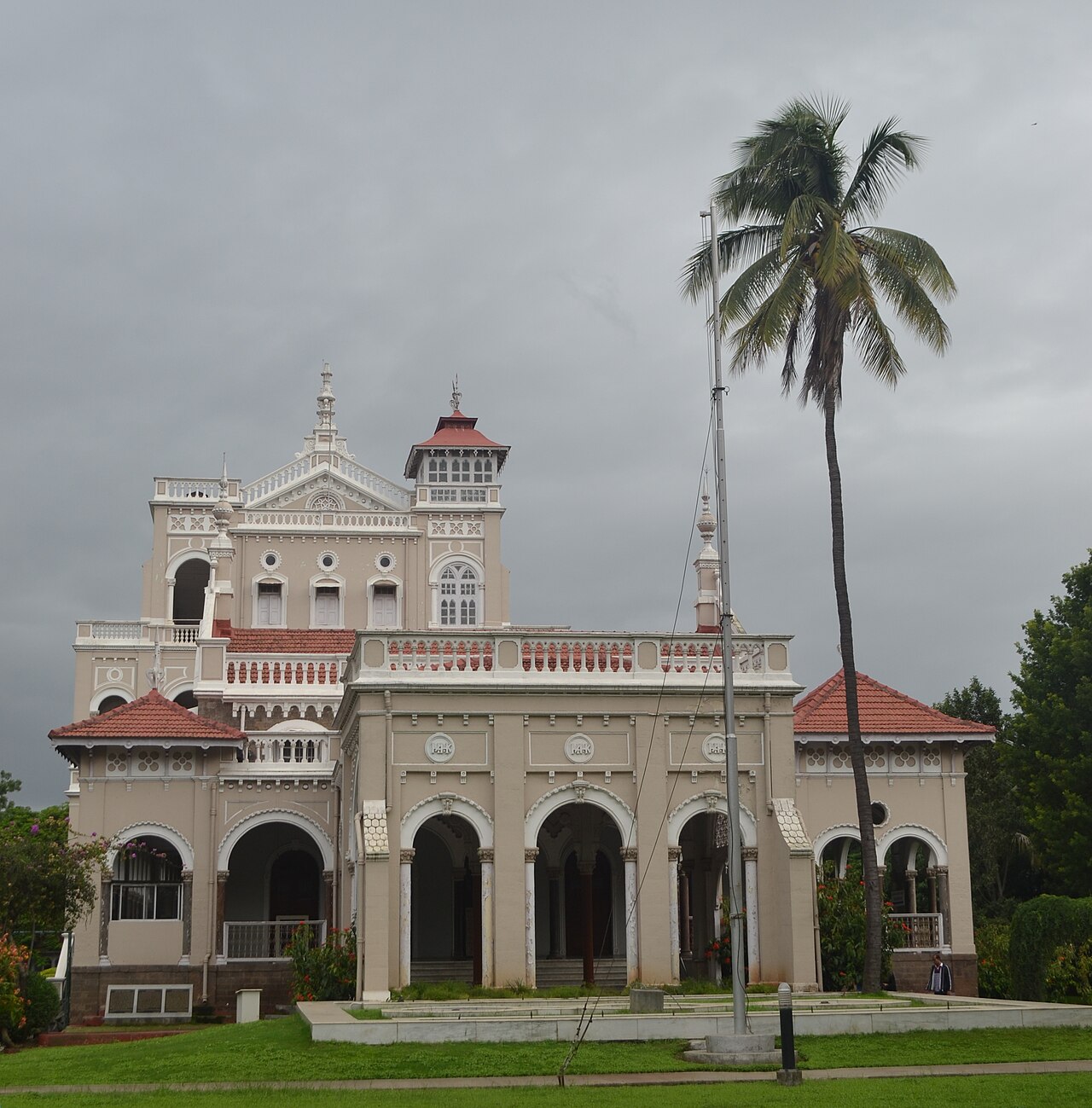
The Pune palace where Gandhi was imprisoned from 1942 to 1944 after the Quit India movement, and where his wife and secretary died.
Gandhi was imprisoned in this palace from 1942 to 1944, and his wife and secretary died there during his captivity.
About this source
What it is
The Aga Khan Palace is a building in Pune, India, built in 1892 by Sultan Muhammed Shah Aga Khan III as an act of charity for famine-struck local residents. It later served as a prison for Mahatma Gandhi and others during British rule.
Why it matters
Gandhi, his wife Kasturba Gandhi, and his secretary Mahadev Desai were interned here from 1942 to 1944 following the launch of the Quit India Movement. Kasturba and Mahadev Desai both died during this imprisonment, and their memorials (samadhis) remain on the grounds alongside one for Gandhi himself. The palace was later donated to the Indian people as a tribute to Gandhi and his philosophy.
Look closer
- Why would the British imprison Gandhi here rather than in an ordinary jail?
- What does the site's transformation into a memorial tell us about how Gandhi is remembered today?
- What might visiting this place reveal about the personal cost of the independence movement that written histories might not capture?
This artifact is part of the curated material that grounds the AI version of Mahatma Gandhi on Humy.ai — when students ask about related events, the AI can quote it and cite it.
More Mahatma Gandhi sources
Meet the AI Mahatma Gandhi →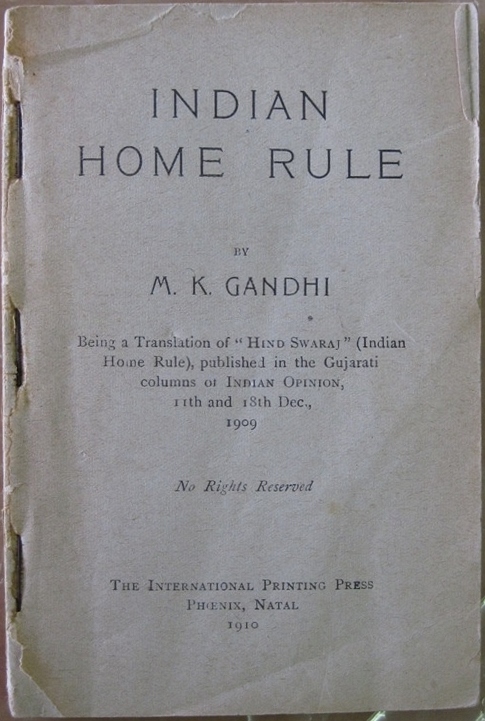 Book
Primary source
Hind Swaraj
Mahatma Gandhi · 1909
 Speech
Primary source
Quit India speech
Mahatma Gandhi · 8 August 1942
 Document
Primary source
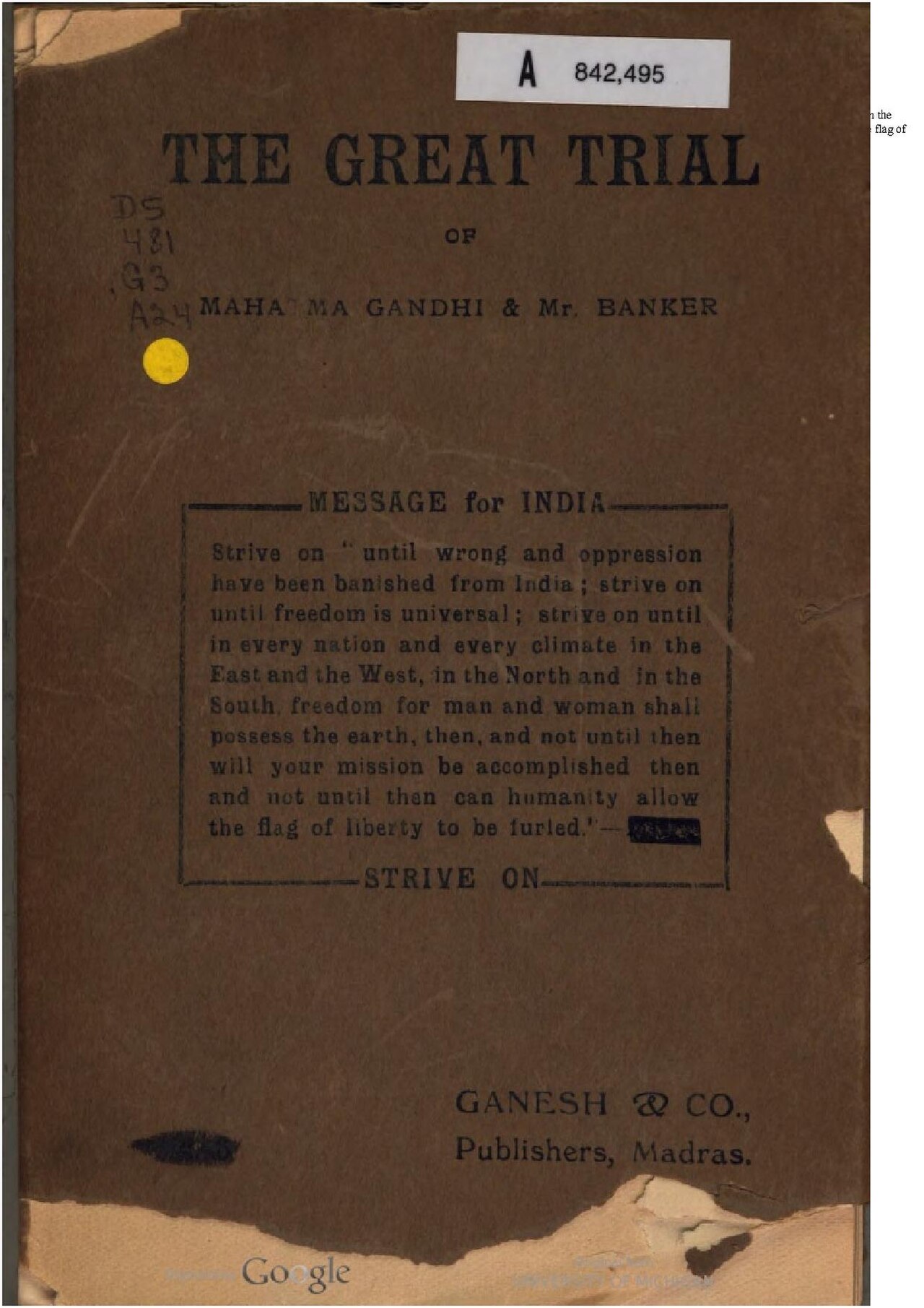
Great Trial of 1922
March 1922
 Photograph
Primary source
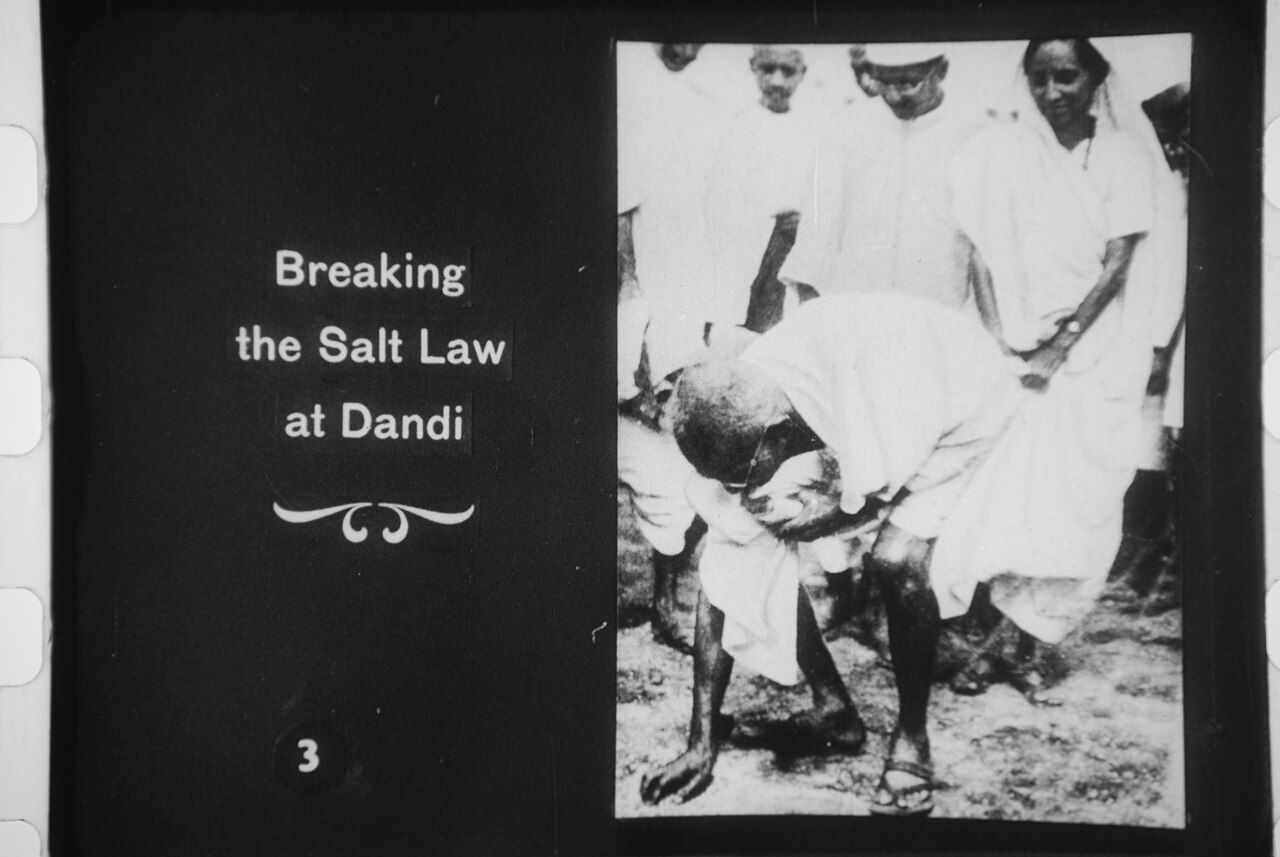
Photograph of Gandhi picking up salt at Dandi
Unknown press photographer · 6 April 1930
Primary source
Spiritual Message to the World
Mohandas K. Gandhi · 17 October 1931
Ready when you are
Start chatting with Mahatma Gandhi now.
20 messages free · No credit card · Available in 50+ languages.