


Primary sourceDocument9 October 1502
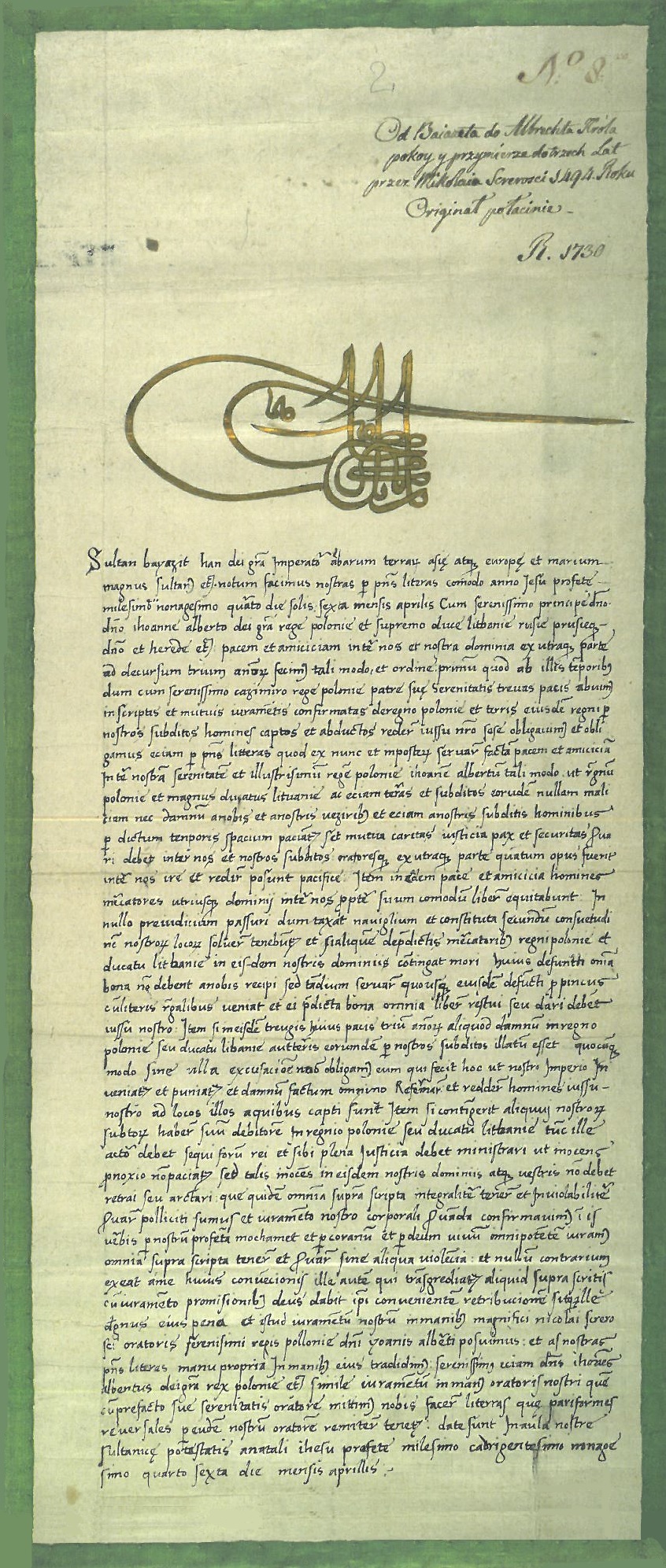
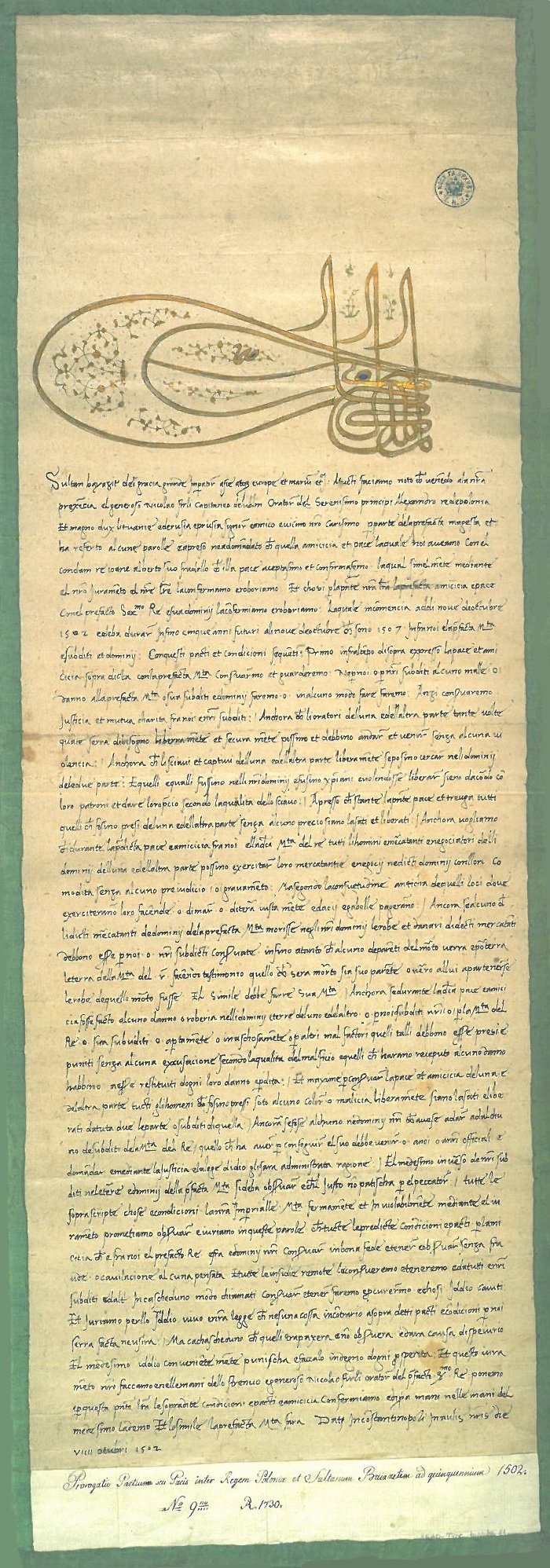
Ahidnâme from Bayezid II to Alexander I Jagiellon
Sultan Bayezid II · 9 October 1502
A peace treaty document issued by Sultan Bayezid II to the King of Poland-Lithuania, ending a period of war.
This treaty was personally issued by Bayezid II, bearing his tughra, to make peace with the King of Poland-Lithuania.
About this source
What it is
An ahidnâme is a formal treaty or guarantee issued by an Ottoman sultan. This one was sent by Sultan Bayezid II to Alexander I Jagiellon, King of Poland-Lithuania, issued on 9 October 1502. It is written in Italian and carries the sultan's tughra at the top of the document.
Why it matters
This treaty marks an agreement between Bayezid II and Alexander I Jagiellon that helped end the Polish-Ottoman wars fought over Moldavia. As a surviving original document, it is direct evidence of Ottoman diplomatic practice, showing how sultans communicated formally with foreign rulers and used language and format to assert authority even in peace agreements.
Look closer
- Why might this treaty be written in Italian rather than Ottoman Turkish?
- What does the placement of the tughra at the top of the document tell you about its purpose?
- What might a peace treaty like this leave out about the actual experiences of people affected by the war?
This document is part of the curated material that grounds the AI version of Bayezid II on Humy.ai — when students ask about related events, the AI can quote it and cite it.
More Bayezid II sources
Browse all 79 →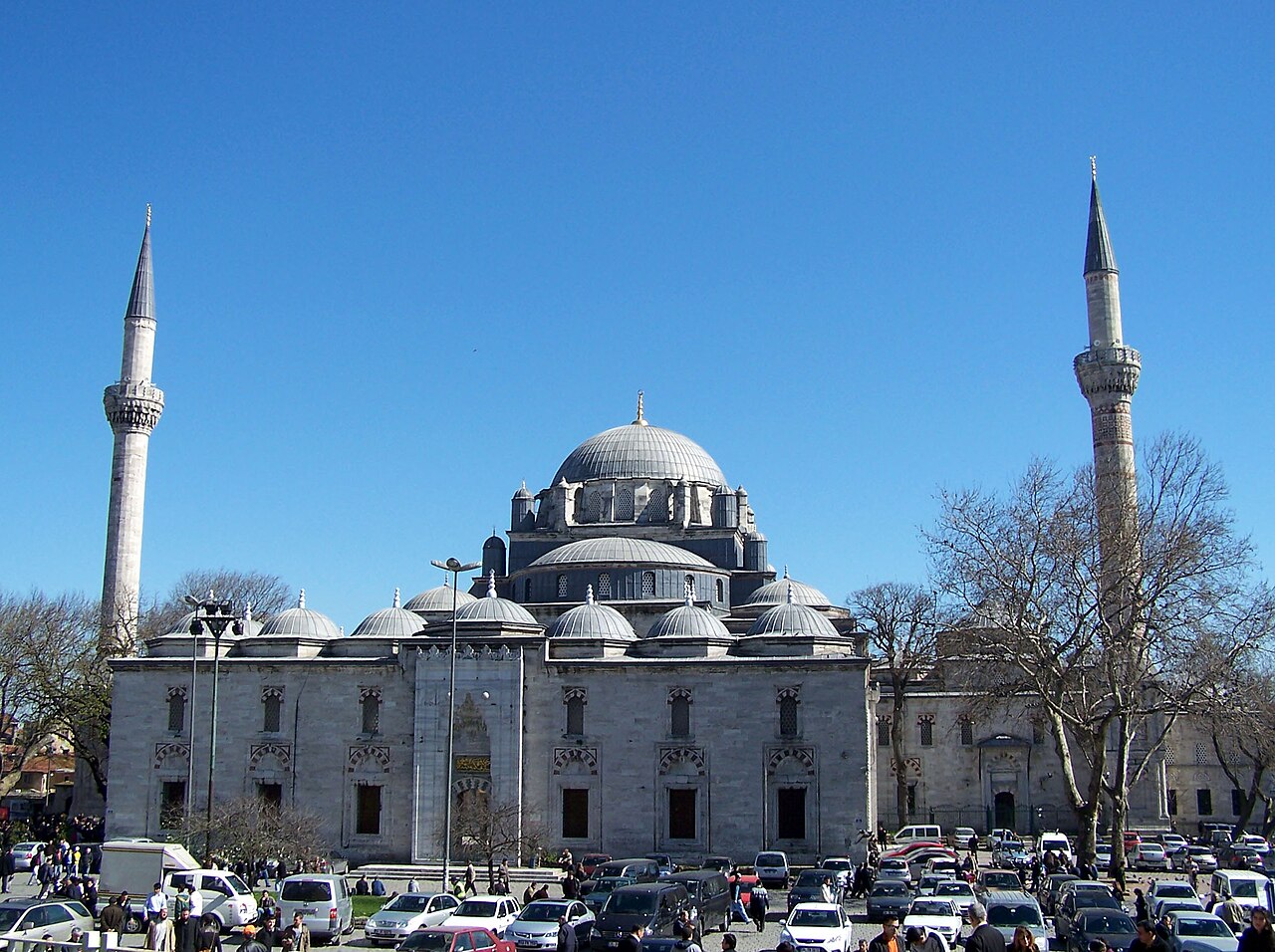 Artifact
Primary source
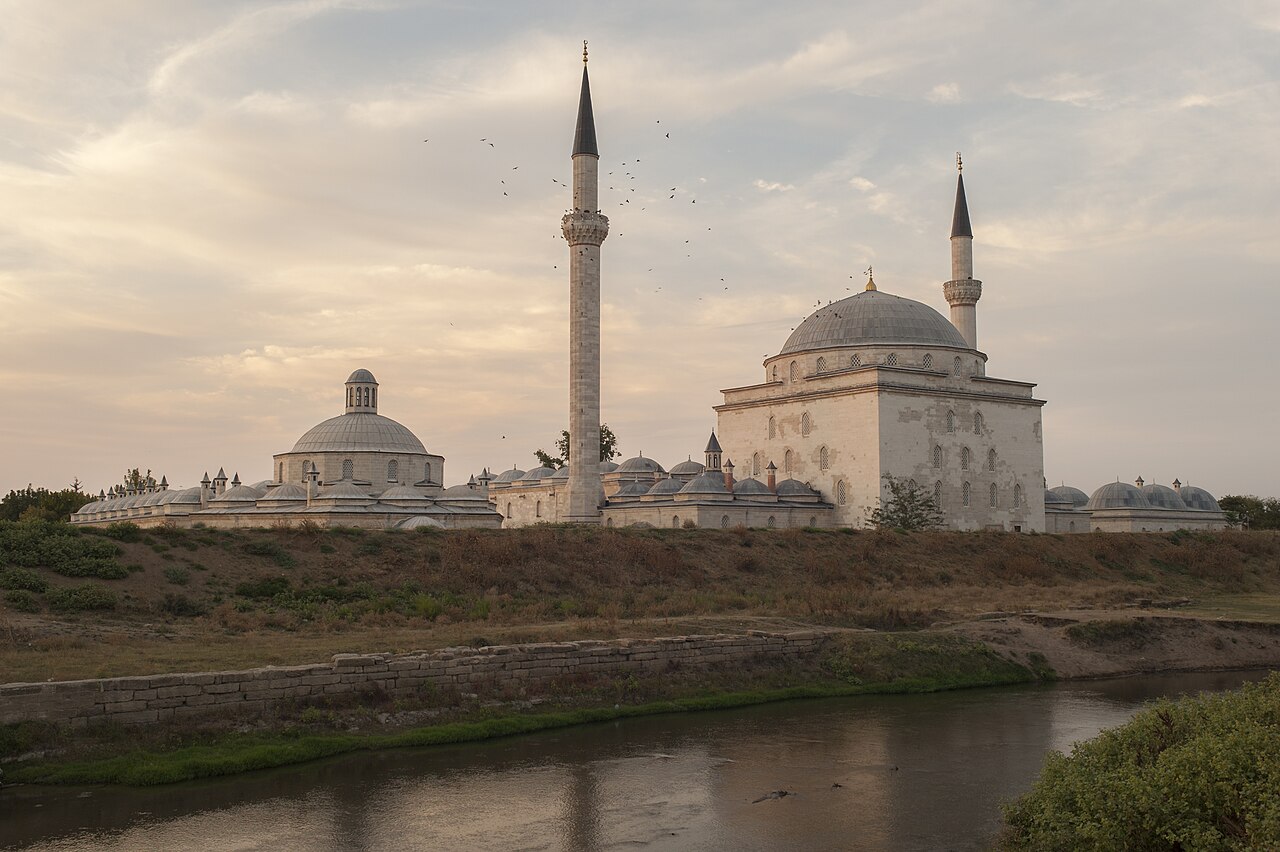
Bayezid II Mosque
Yakubşah ibn Islamşah (attributed) · 1500-1505
 Document
Primary source
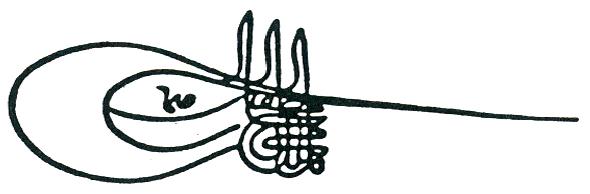
Tughra of Bayezid II
Unknown court calligrapher · 1481-1512
 Painting
Primary source
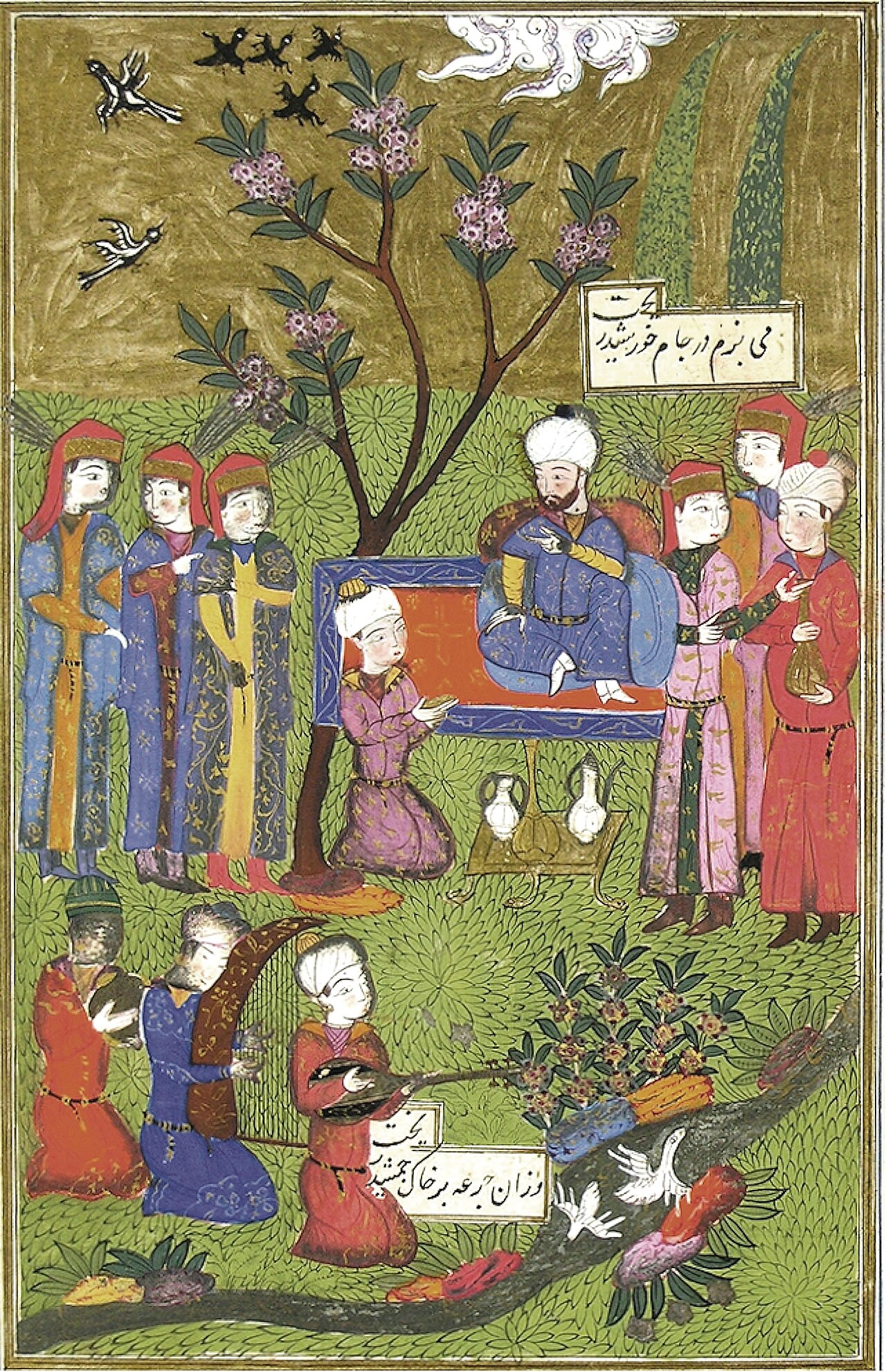
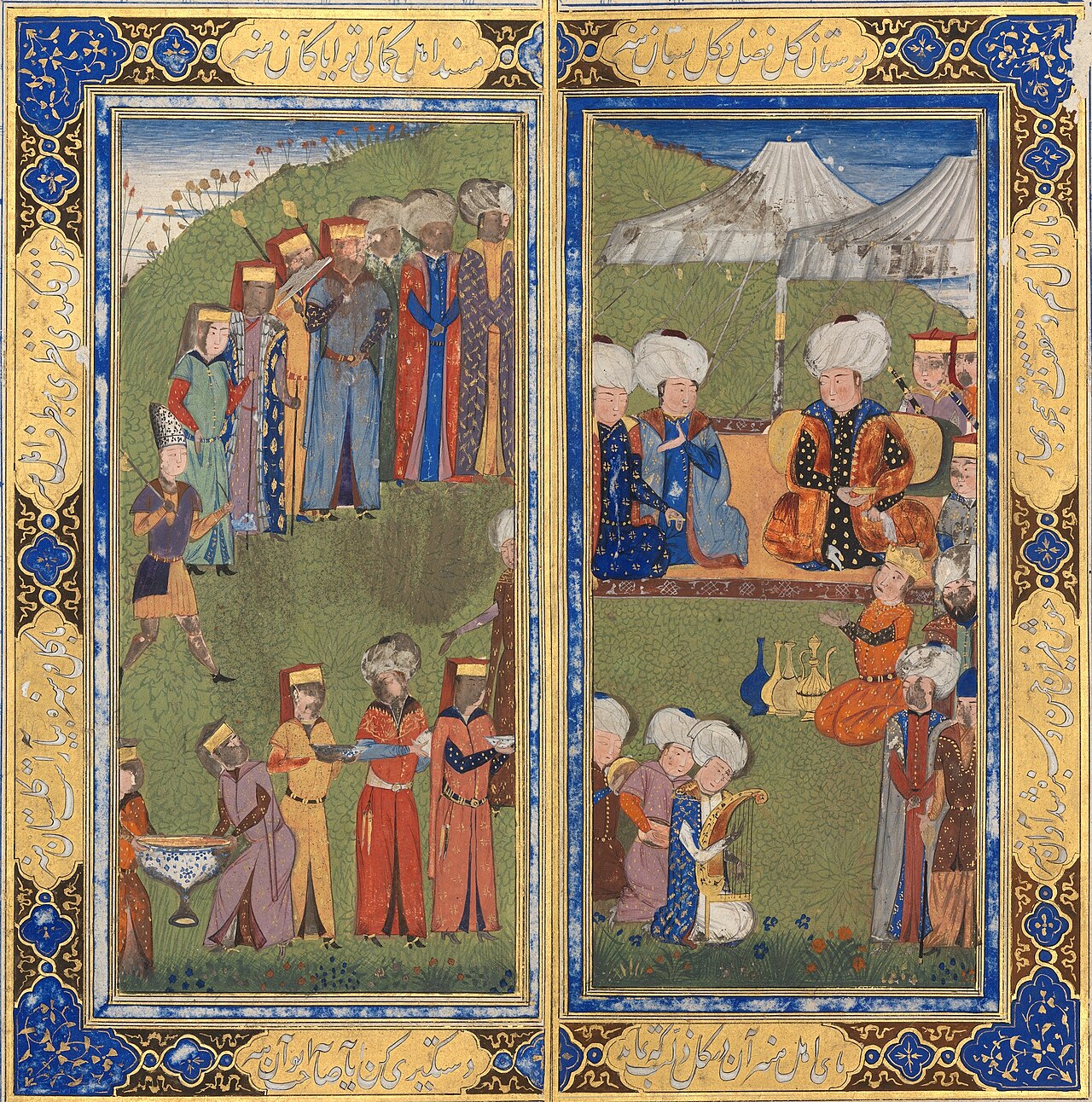
Assembly of Sultan Bayezid II
Darwish Mahmud b. Abdullah nakkash · c. 1495
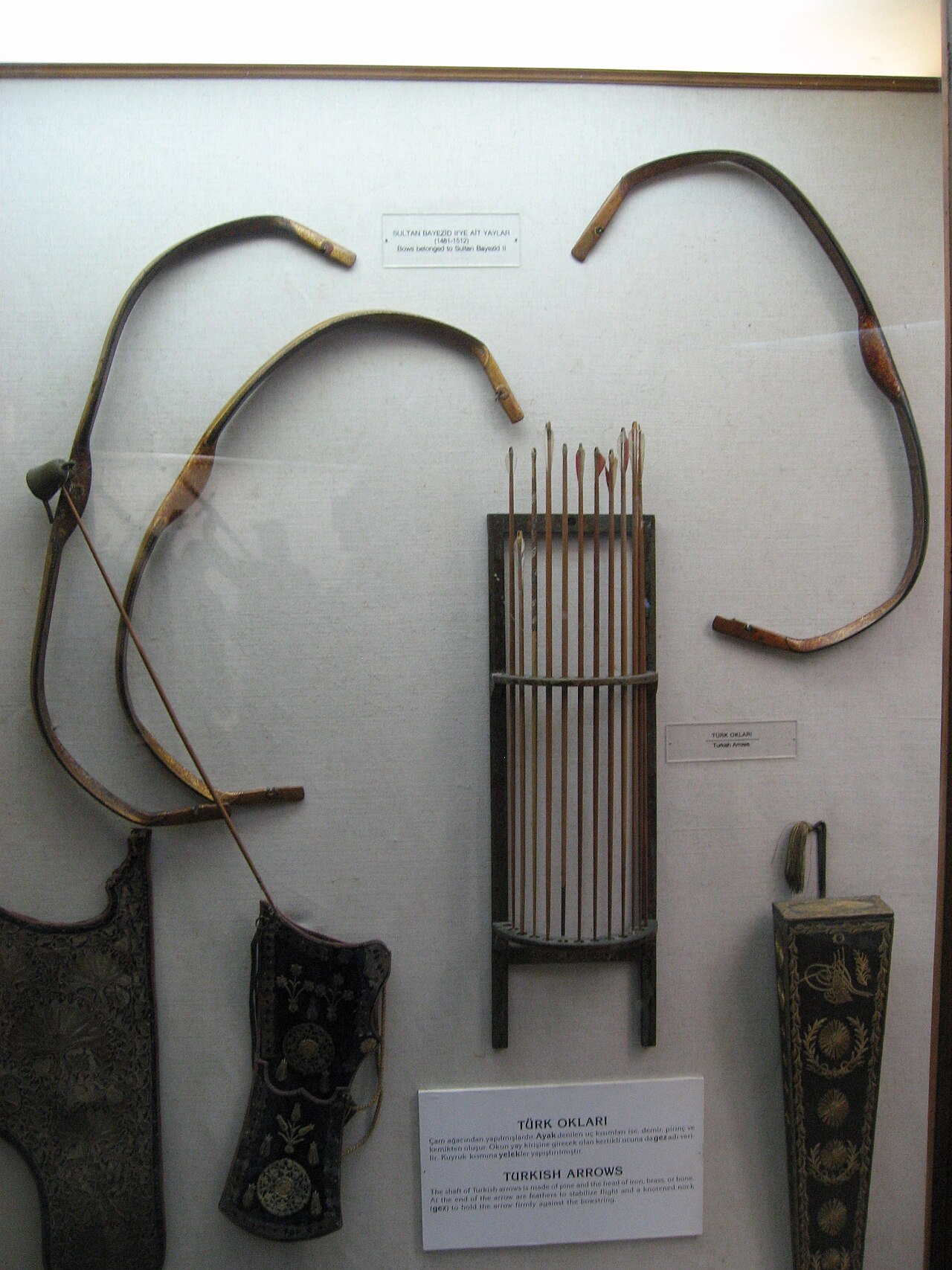
 Artifact
Primary source
Sultan Bayezid II Complex
Mimar Hayruddin · 1484-1488
Free account
Read every Bayezid II source
Sign up free →
Ready when you are
Start chatting with Bayezid II now.
20 messages free · No credit card · Available in 50+ languages.