


Primary sourceDocument1481-1512
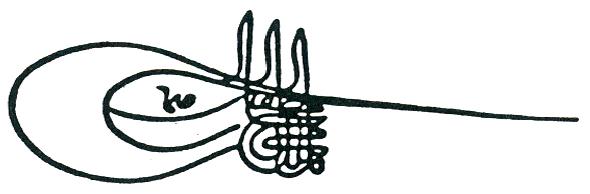
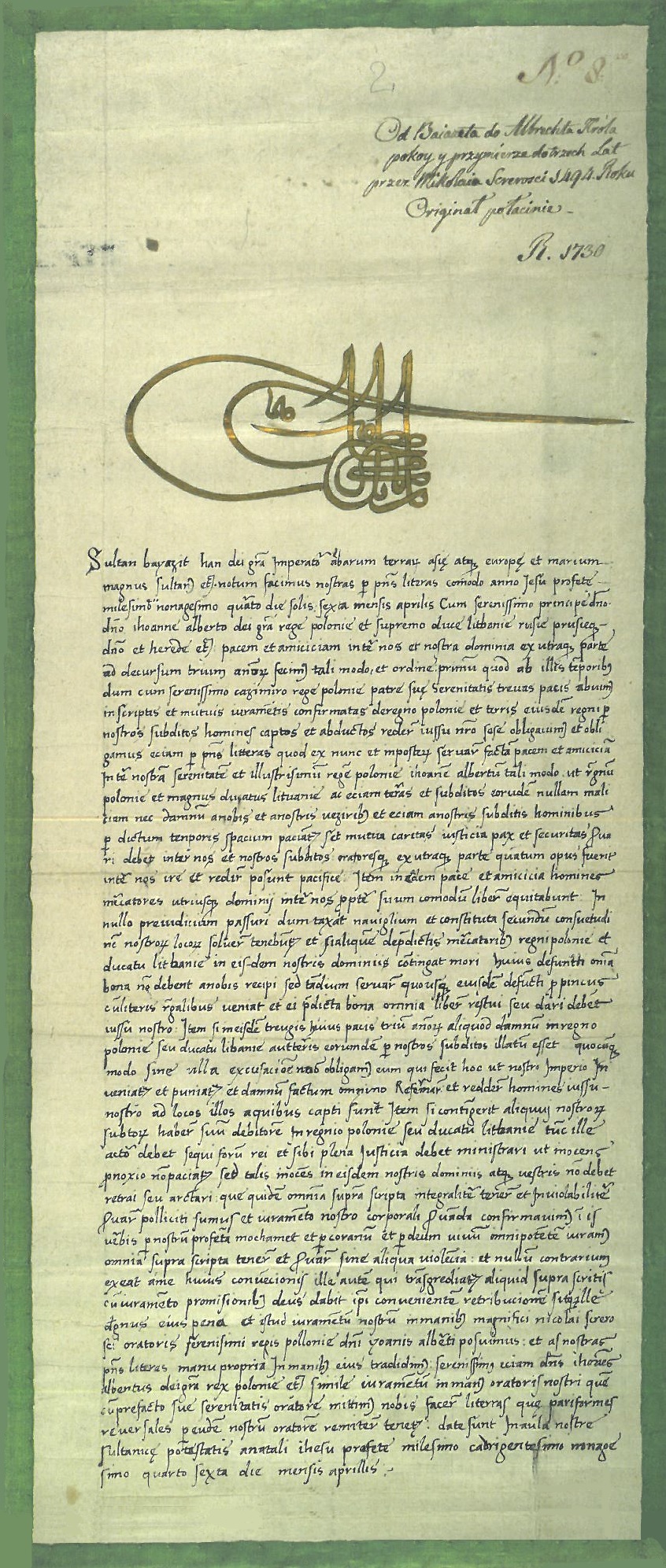
Tughra of Bayezid II
Unknown court calligrapher · 1481-1512
The calligraphic monogram used by Sultan Bayezid II to validate his official documents and decrees.
This is Bayezid II's own official monogram, used to authenticate his decrees as sultan.
About this source
What it is
A tughra is an Ottoman sultan's personal calligraphic monogram, used to authenticate decrees and letters. This one belonged to Bayezid II, who ruled the Ottoman Empire from 1481 to 1512. It was created by a court calligrapher, as was customary.
Why it matters
The tughra functioned like a signature and seal combined, appearing at the top of official state documents. It shows how Ottoman rulers expressed their authority through a distinctive, instantly recognizable piece of writing rather than a simple signature, and every sultan had his own unique design.
Look closer
- What shapes and strokes make up this monogram, and how might someone learn to recognize it instantly?
- Why would a ruler want a unique, hard-to-copy mark on official documents?
- What does it suggest about the importance of calligraphy in Ottoman court culture?
This document is part of the curated material that grounds the AI version of Bayezid II on Humy.ai — when students ask about related events, the AI can quote it and cite it.
More Bayezid II sources
Browse all 79 →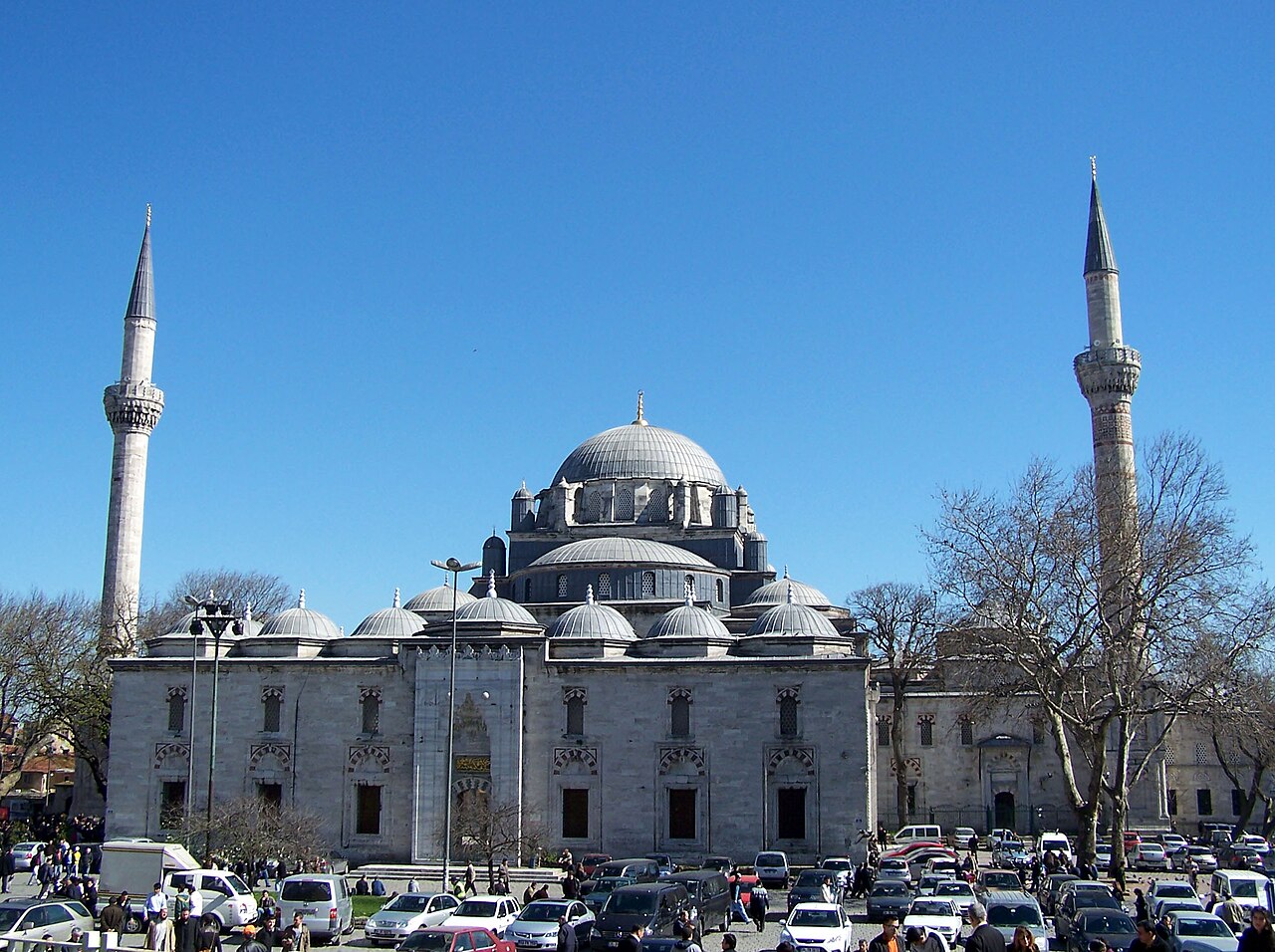 Artifact
Primary source
Bayezid II Mosque
Yakubşah ibn Islamşah (attributed) · 1500-1505
 Painting
Primary source
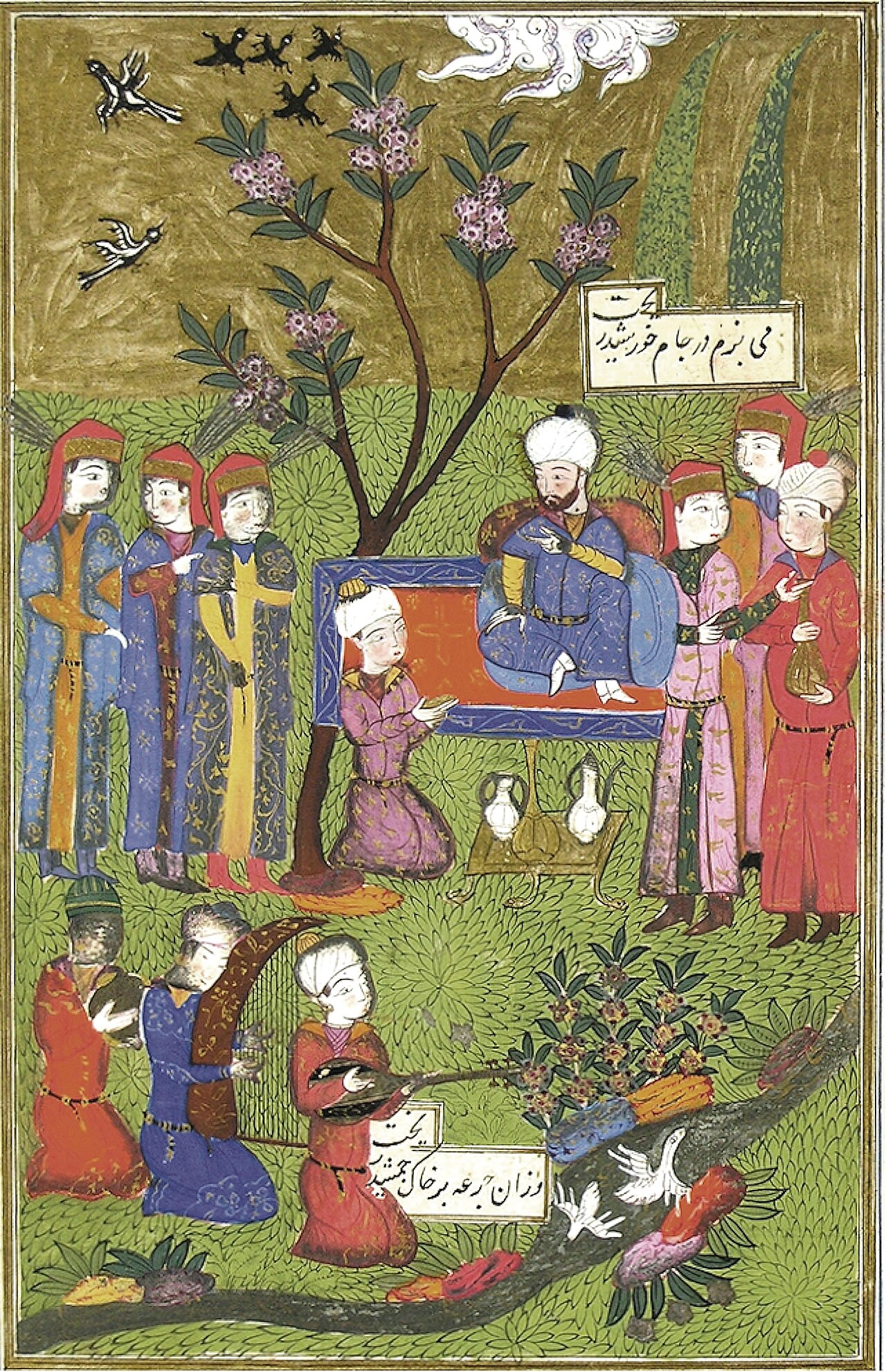
Assembly of Sultan Bayezid II
Darwish Mahmud b. Abdullah nakkash · c. 1495
 Artifact
Primary source
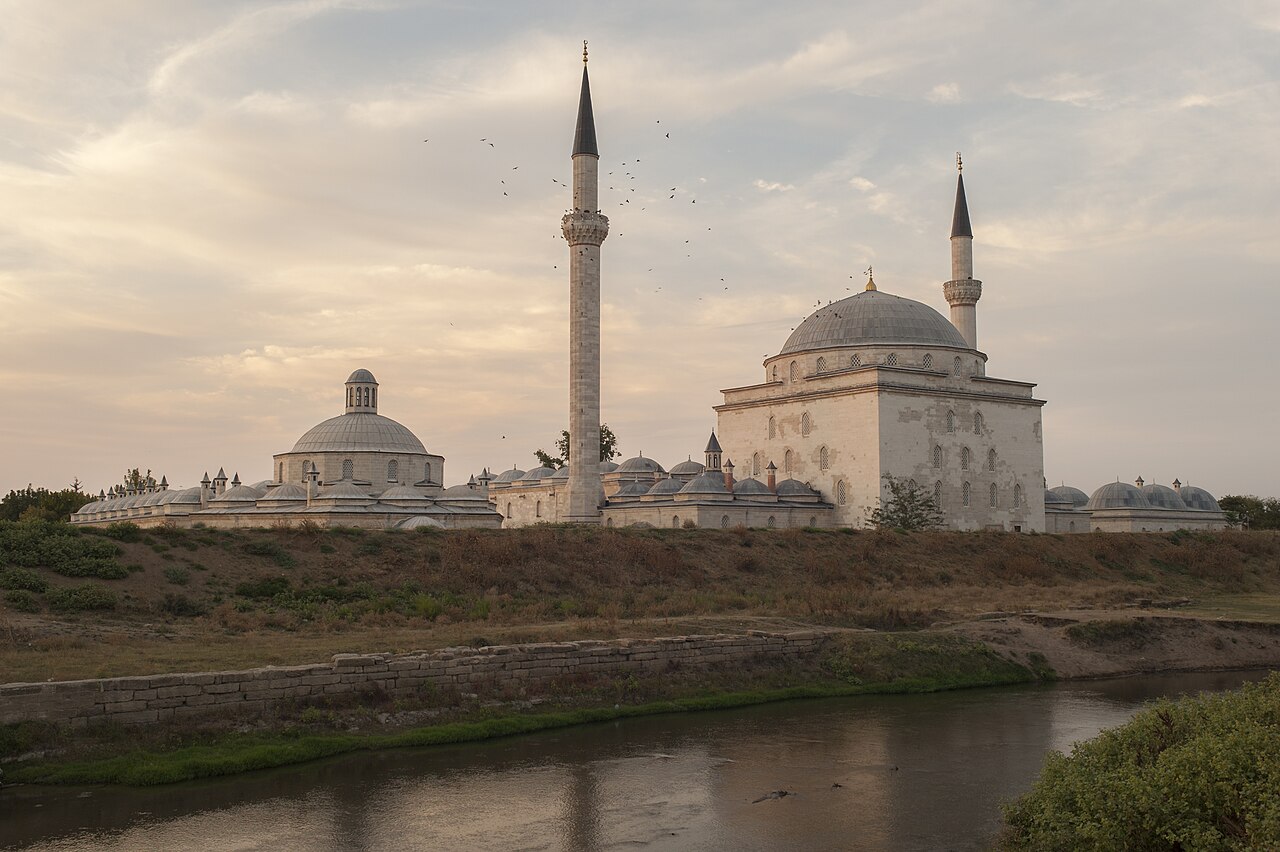
Sultan Bayezid II Complex
Mimar Hayruddin · 1484-1488
 Document
Primary source
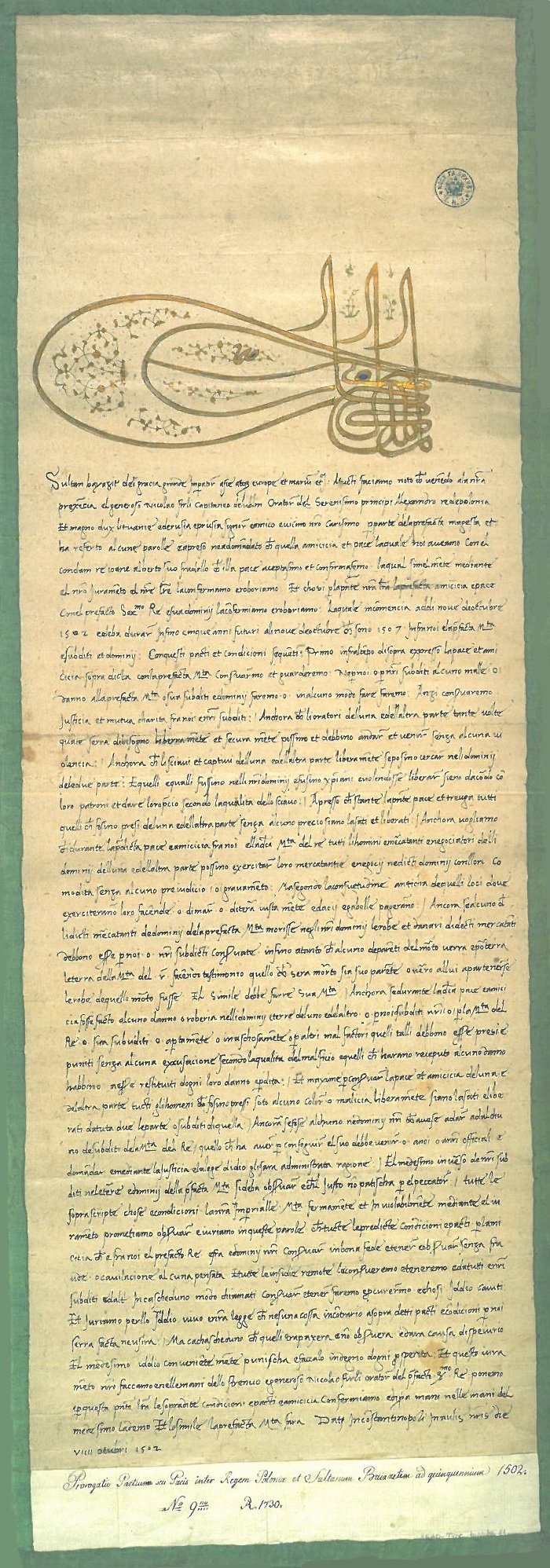
Ahidnâme from Bayezid II to Alexander I Jagiellon
Sultan Bayezid II · 9 October 1502
Free account
Read every Bayezid II source
Sign up free →
Ready when you are
Start chatting with Bayezid II now.
20 messages free · No credit card · Available in 50+ languages.