


Primary sourceArtifact1500-1505
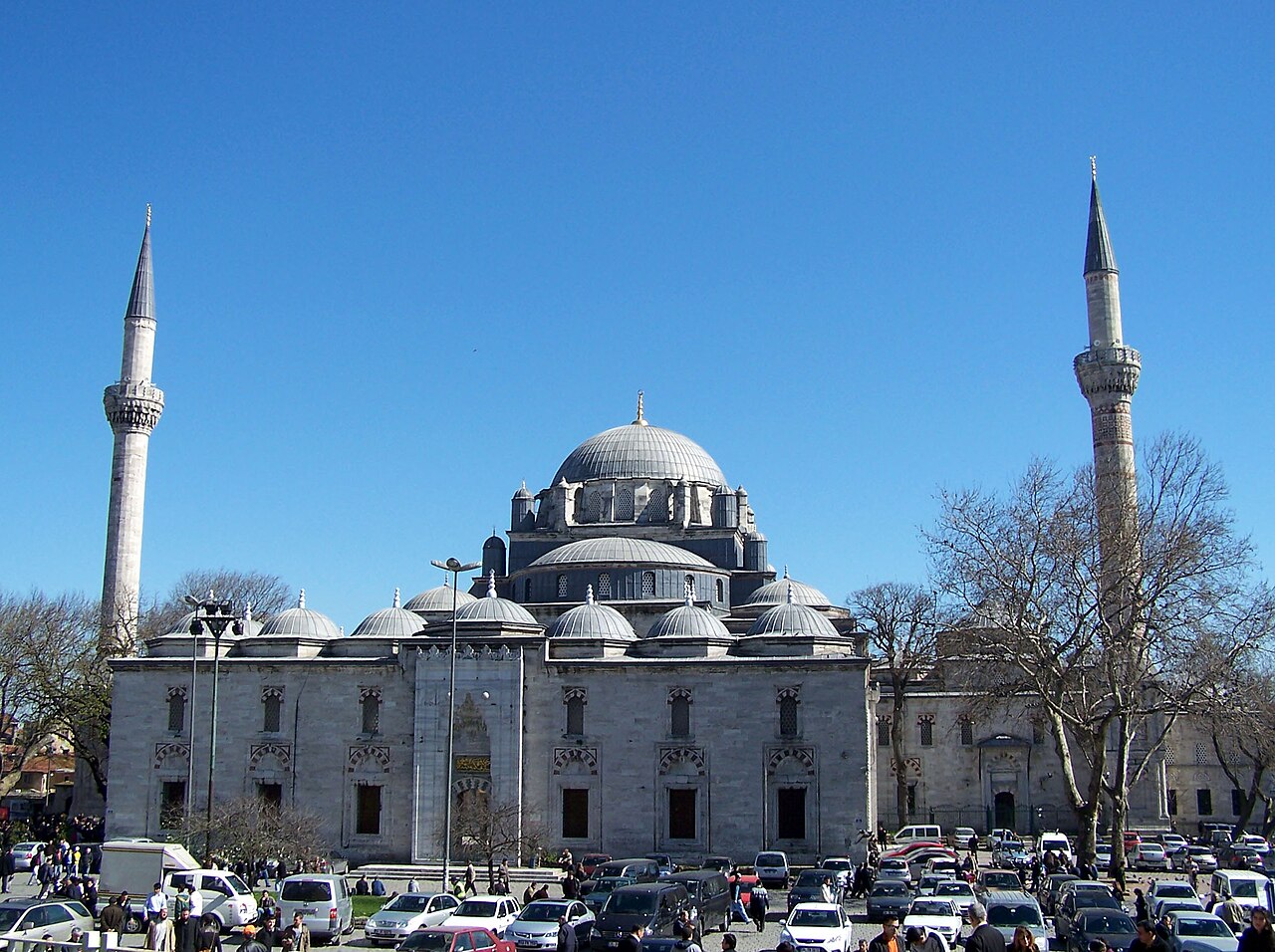
Bayezid II Mosque
Yakubşah ibn Islamşah (attributed) · 1500-1505
An imperial mosque complex built in Istanbul for Sultan Bayezid II, the oldest surviving imperial mosque complex in the city.
Bayezid II commissioned this mosque complex, which includes his own mausoleum, as the defining monument of his reign.
About this source
What it is
The Bayezid II Mosque is an early 16th-century Ottoman imperial mosque in Istanbul, built between 1500 and 1505 with a surrounding külliye (religious and charitable complex) added soon after. It was commissioned by Sultan Bayezid II and includes his own mausoleum. The chief architect is not certainly known, though scholars have proposed Yakubşah ibn Islamşah.
Why it matters
It is the second great imperial mosque complex built in Istanbul after the Ottoman conquest, and because the earlier Fatih Mosque was later destroyed and rebuilt, this is the oldest imperial complex preserved close to its original form. It shows how Bayezid II used architecture to display his power and piety, and marks a step toward the later classical Ottoman mosque style.
Look closer
- Why might a sultan build such a large complex of charitable buildings, not just a mosque?
- What does the mix of Byzantine and Ottoman building elements tell you about Istanbul's history?
- What has survived unchanged, and what has been repaired or rebuilt over time?
This artifact is part of the curated material that grounds the AI version of Bayezid II on Humy.ai — when students ask about related events, the AI can quote it and cite it.
More Bayezid II sources
Browse all 79 →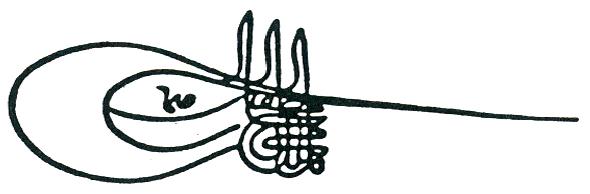 Document
Primary source
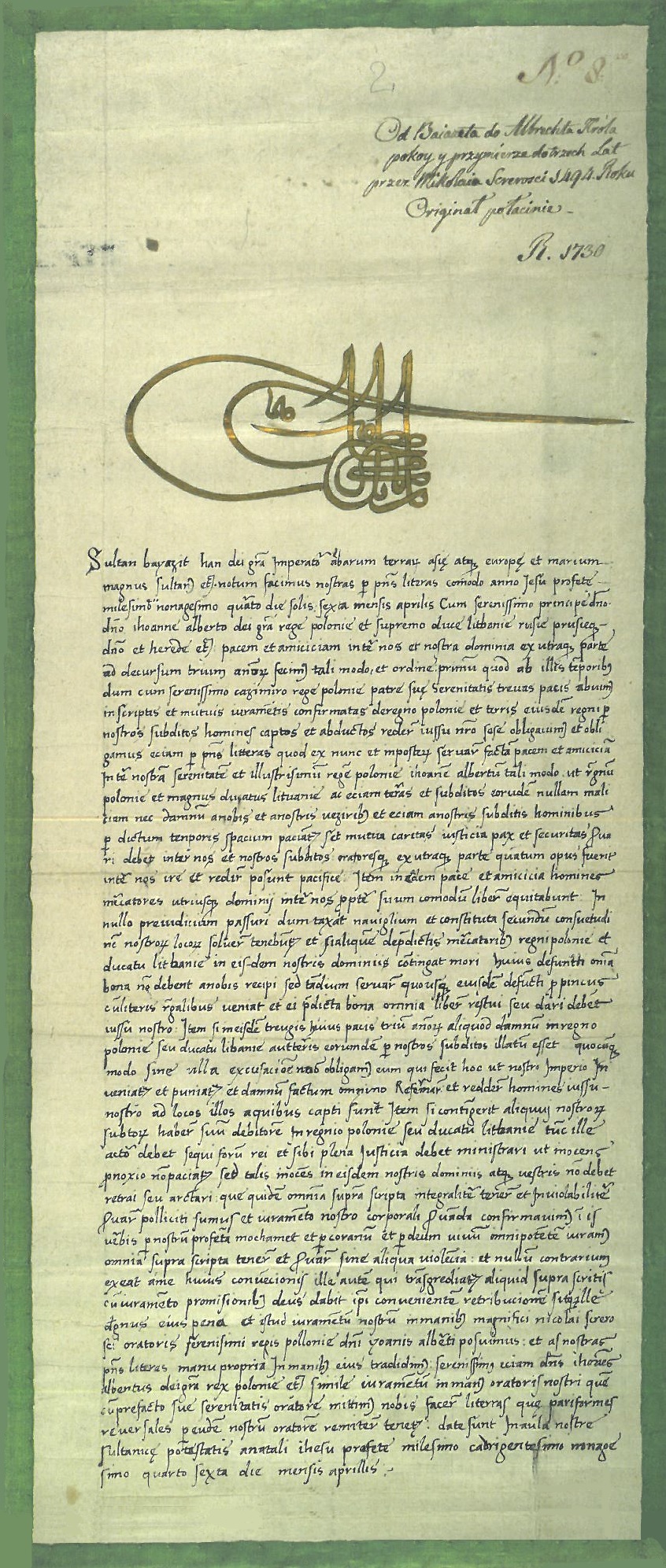
Tughra of Bayezid II
Unknown court calligrapher · 1481-1512
 Painting
Primary source
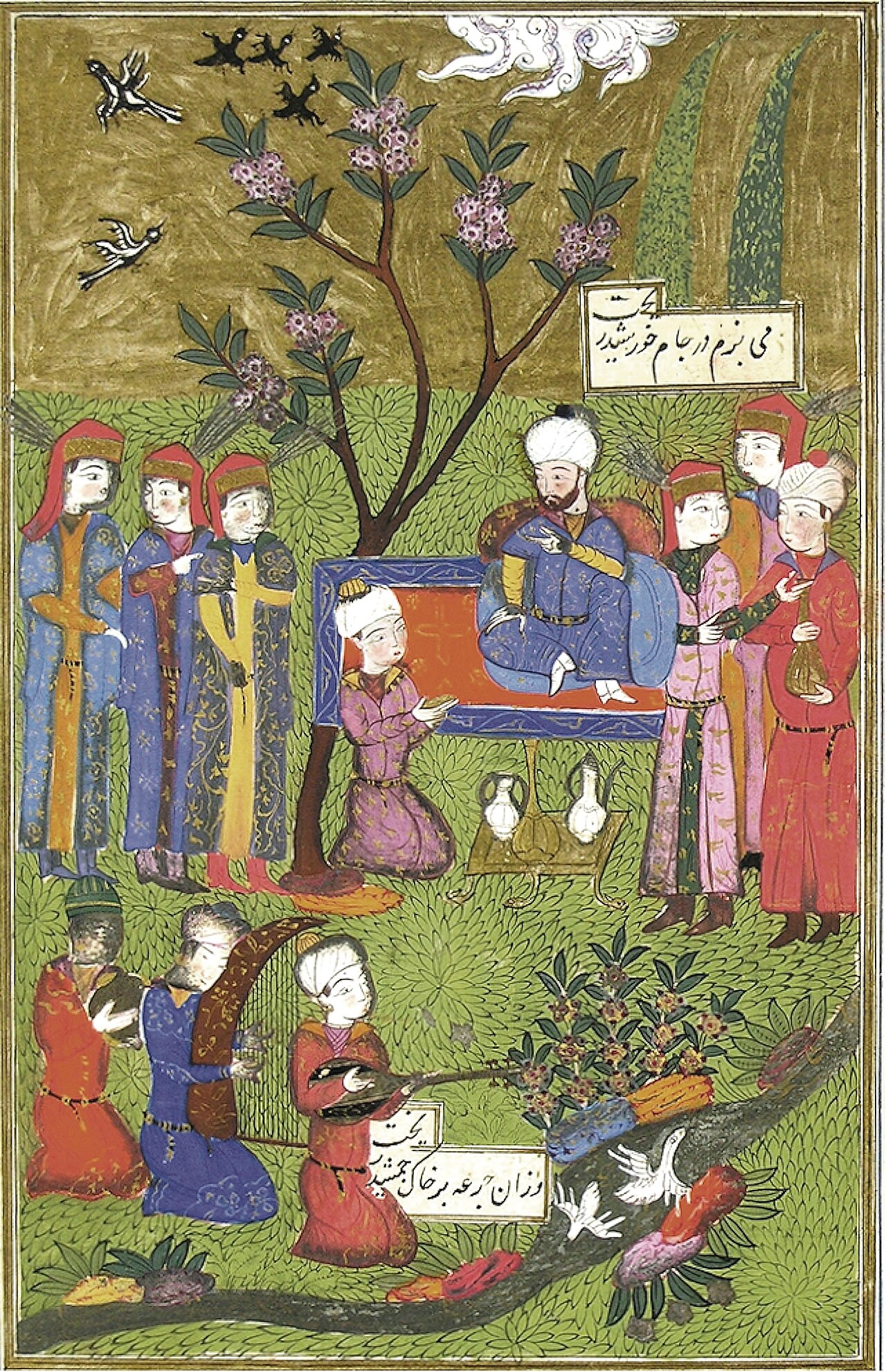
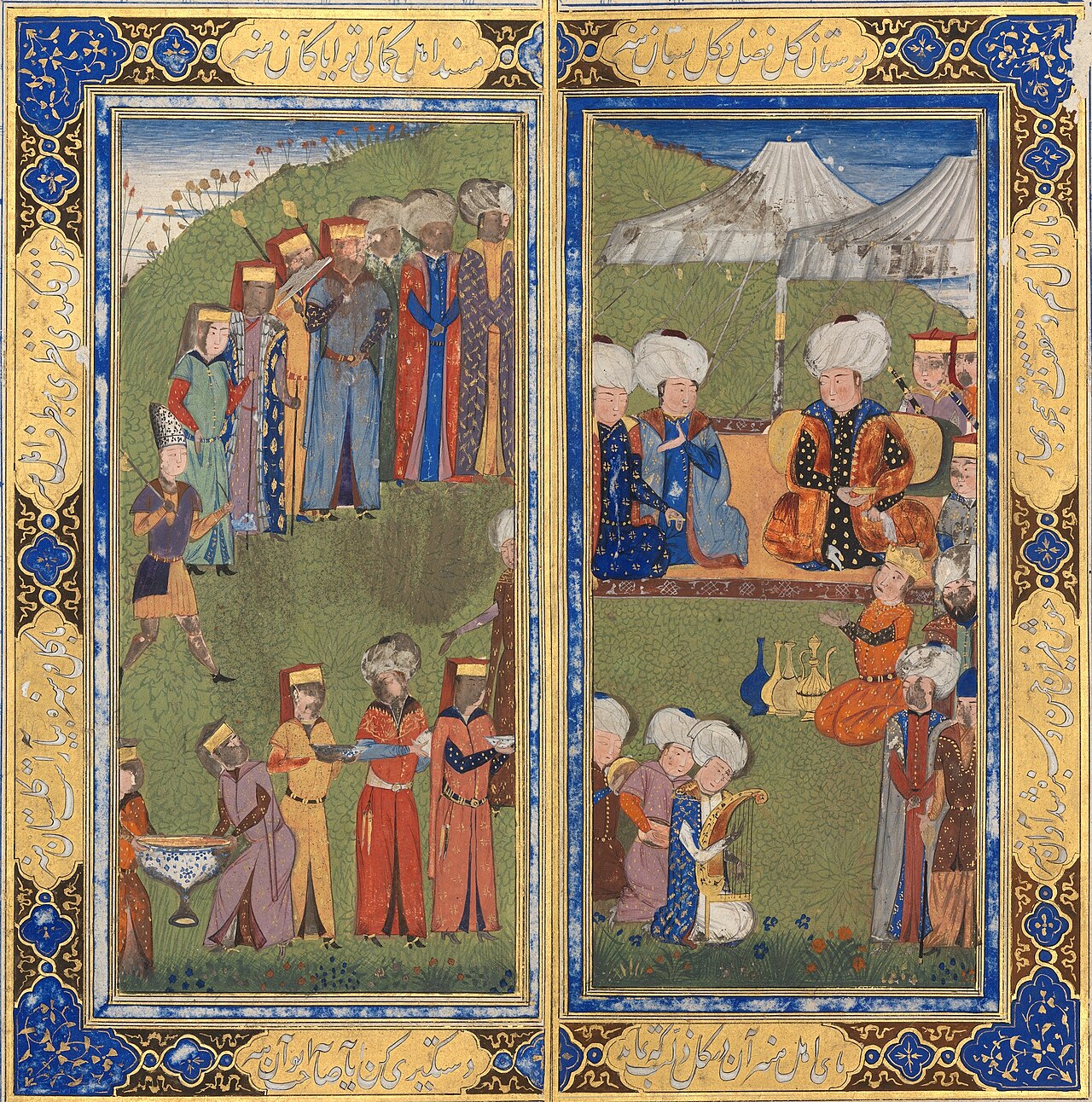
Assembly of Sultan Bayezid II
Darwish Mahmud b. Abdullah nakkash · c. 1495
 Artifact
Primary source
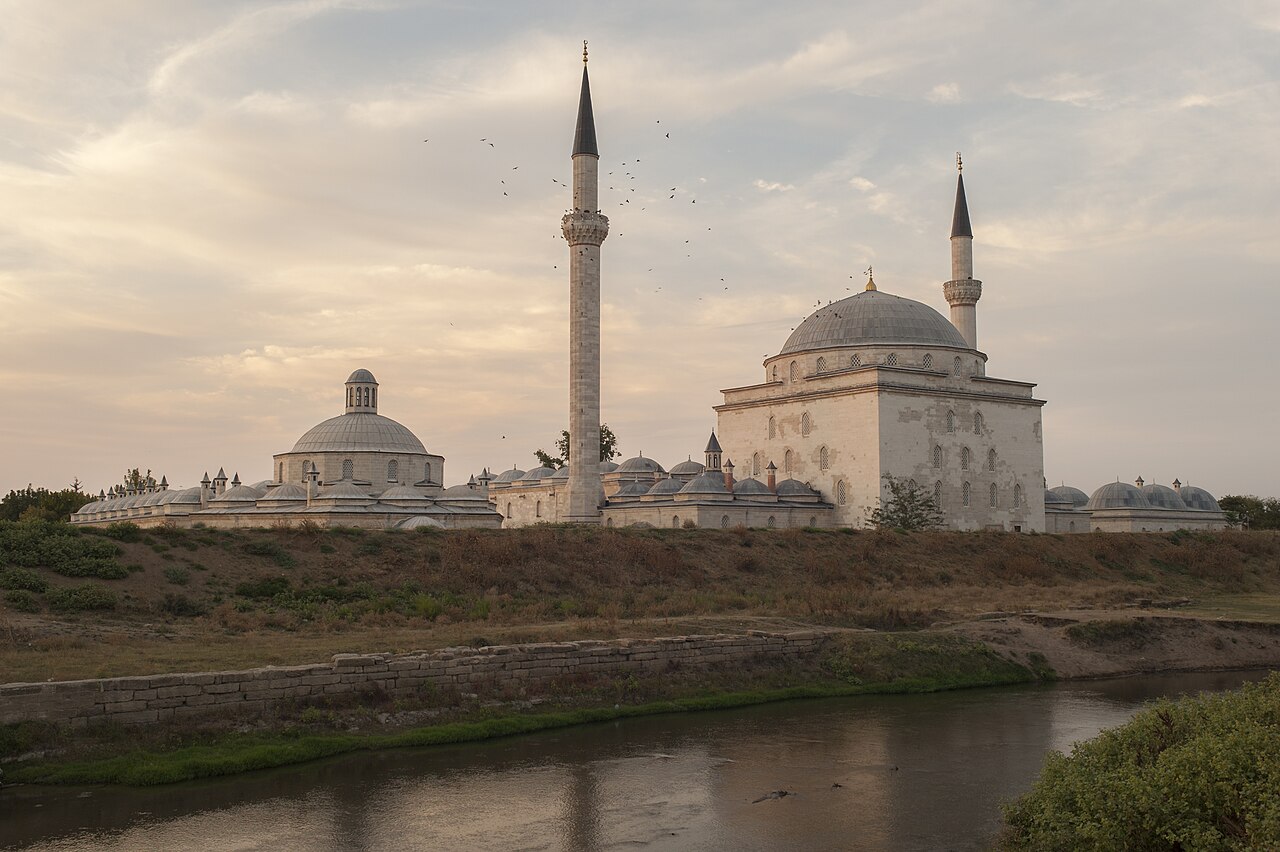
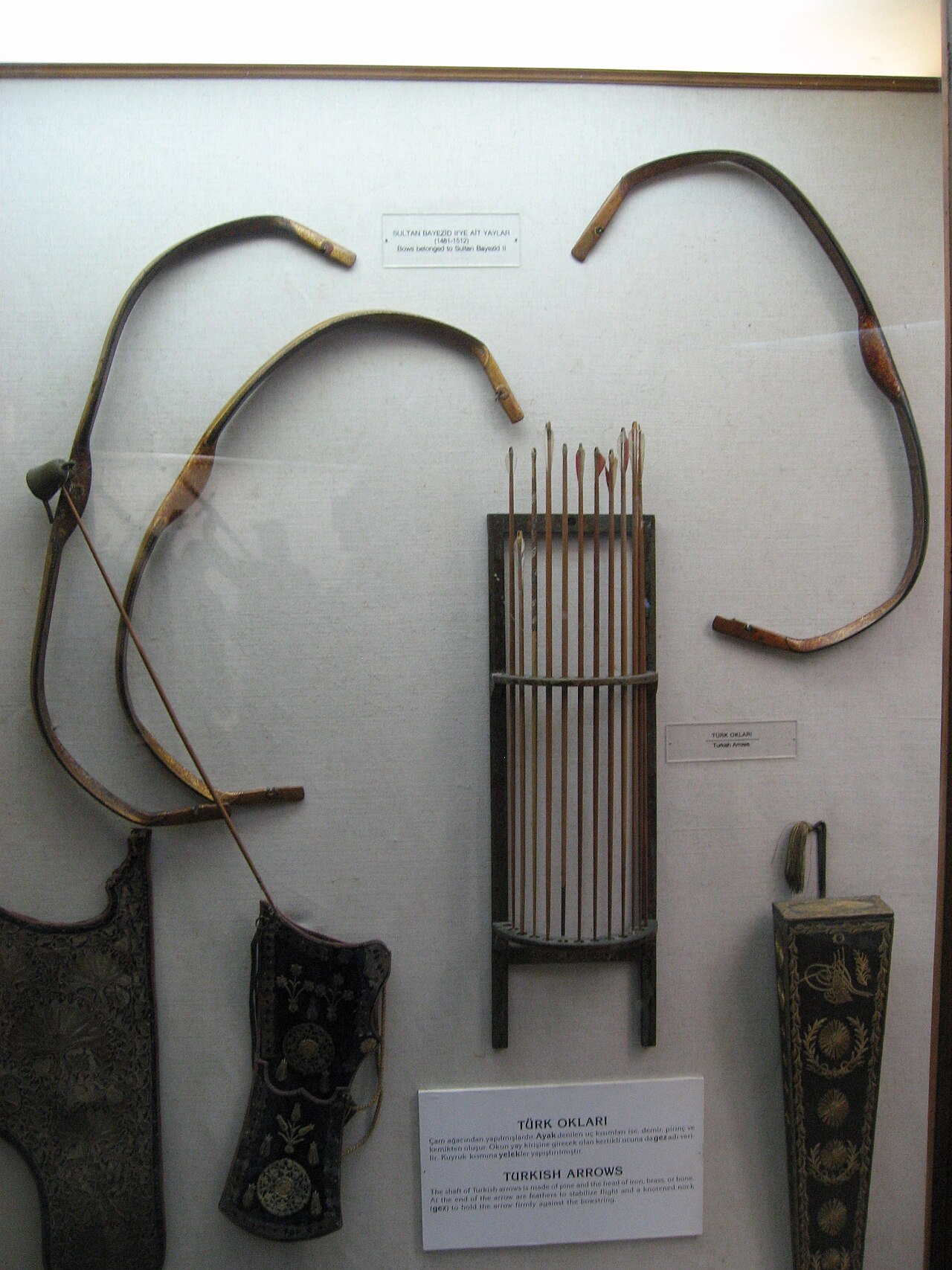
Sultan Bayezid II Complex
Mimar Hayruddin · 1484-1488
 Document
Primary source
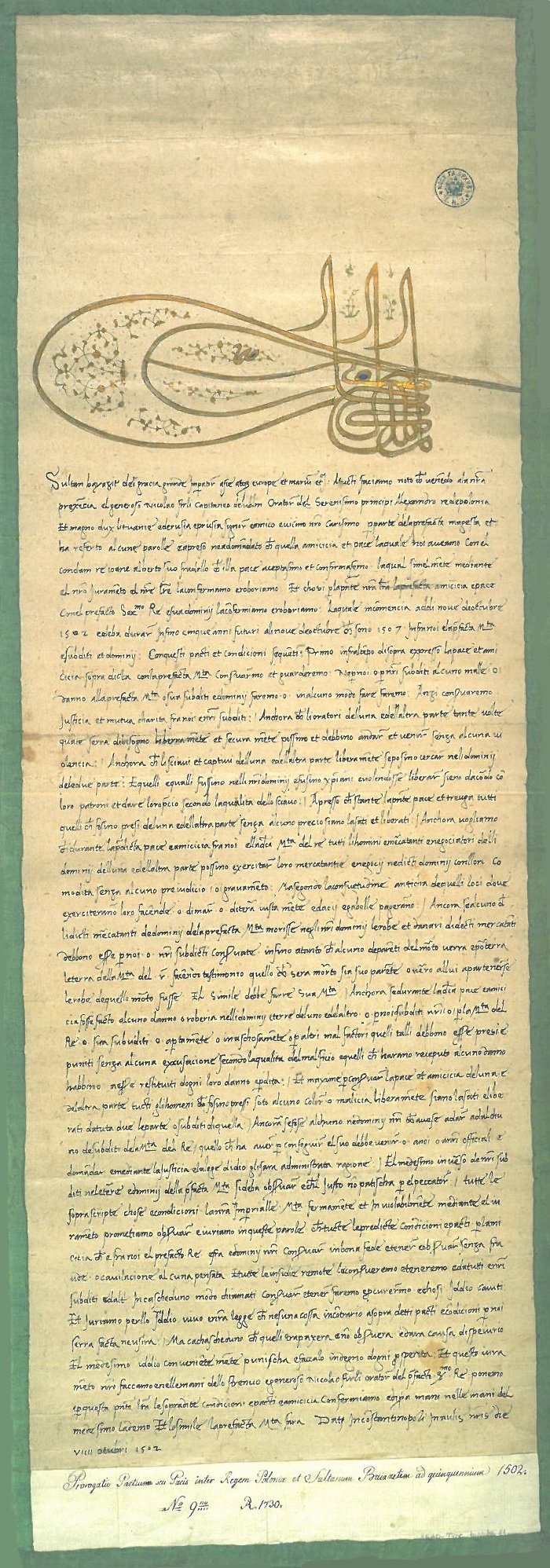
Ahidnâme from Bayezid II to Alexander I Jagiellon
Sultan Bayezid II · 9 October 1502
Free account
Read every Bayezid II source
Sign up free →
Ready when you are
Start chatting with Bayezid II now.
20 messages free · No credit card · Available in 50+ languages.