


Primary sourceArtifactrebuilt 758 (after the 746 earthquake)
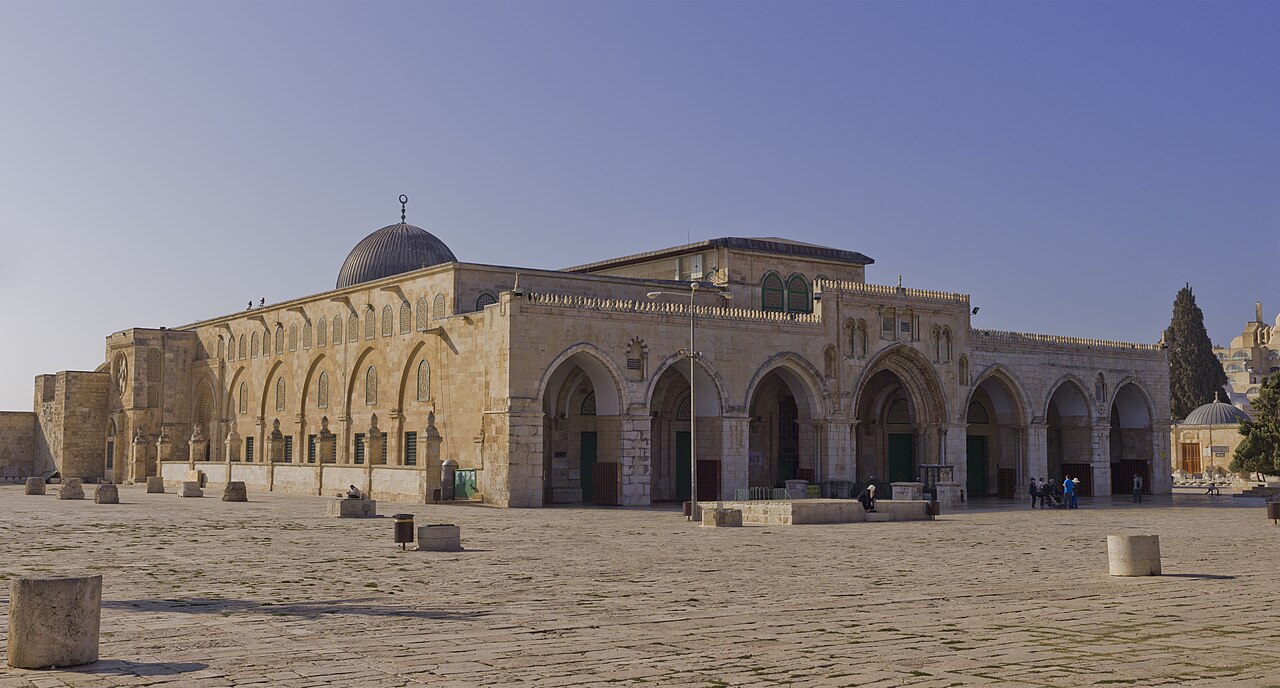
Al-Aqsa Mosque
rebuilt 758 (after the 746 earthquake)
The main prayer hall in Jerusalem's Al-Aqsa compound, rebuilt by al-Mansur after an earthquake destroyed the earlier Umayyad structure.
Al-Mansur ordered the mosque rebuilt after an earthquake, showing Abbasid custodianship of Islam's holy sites.
About this source
What it is
The Aqsa Mosque is the main congregational prayer hall within the Al-Aqsa compound in Jerusalem's Old City. First built by Umayyad caliphs, it was destroyed by an earthquake and rebuilt by the Abbasid caliph al-Mansur, and later expanded by his successor al-Mahdi. The structure has been repeatedly rebuilt and repaired by later dynasties.
Why it matters
Al-Mansur's rebuilding of the mosque shows how the Abbasid dynasty, which had just overthrown the Umayyads, took on the role of protecting and maintaining Islam's holy sites in Jerusalem. This act connected the new caliphate to the religious authority and legitimacy associated with the city.
Look closer
- Why might a new ruling dynasty want to be seen rebuilding a major religious site?
- What does the long history of destruction and rebuilding tell us about the mosque's importance across centuries?
- Whose voices and decisions are missing from the simple fact that al-Mansur "ordered" the rebuilding?
This artifact is part of the curated material that grounds the AI version of Caliph al-Mansur on Humy.ai — when students ask about related events, the AI can quote it and cite it.
More Caliph al-Mansur sources
Meet the AI Caliph al-Mansur →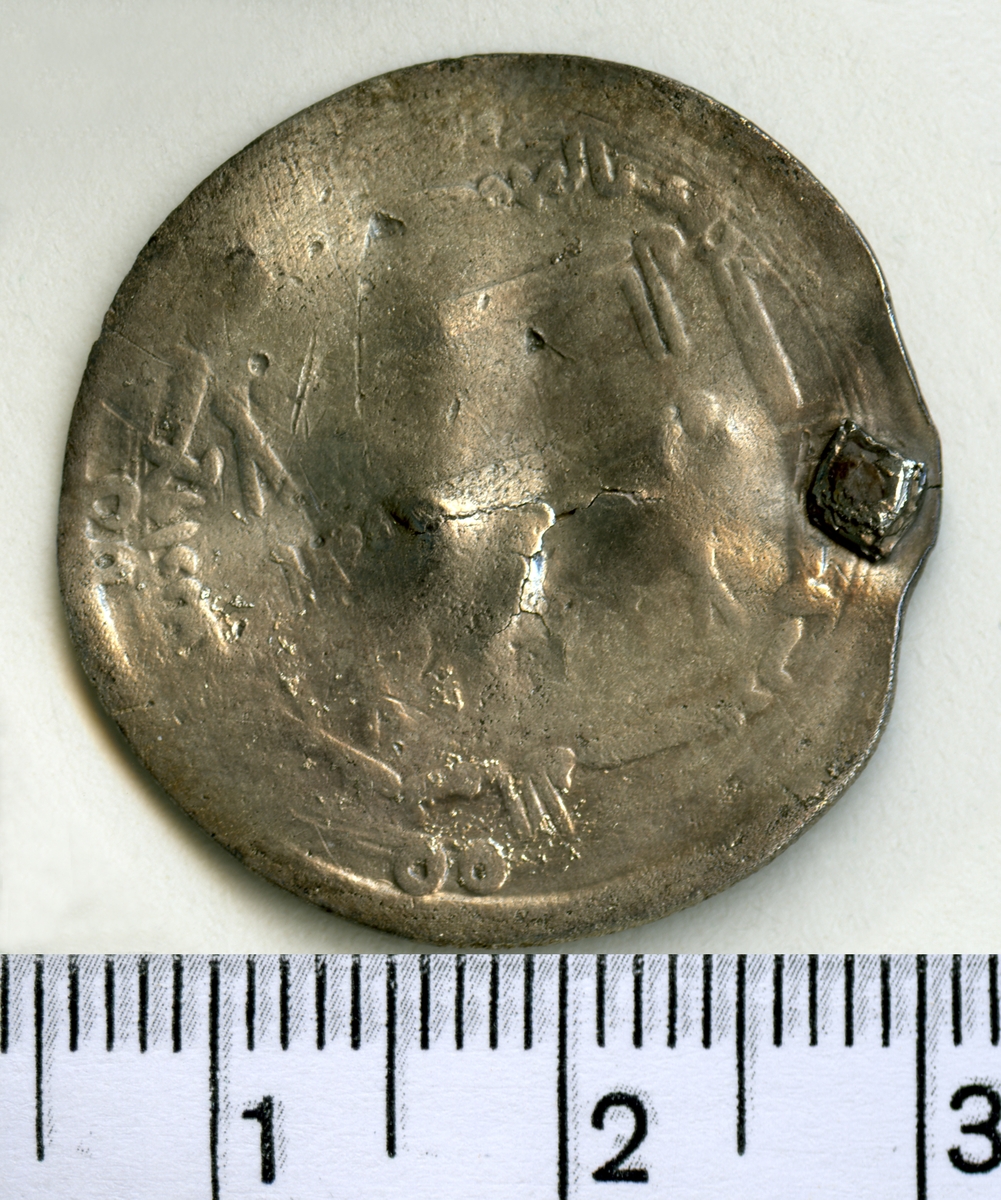 Artifact
Primary source
Coins of the Abbasid Caliphate Issued under al-Mansur
8th century, during al-Mansur's reign (754-775)
 Book
Secondary source
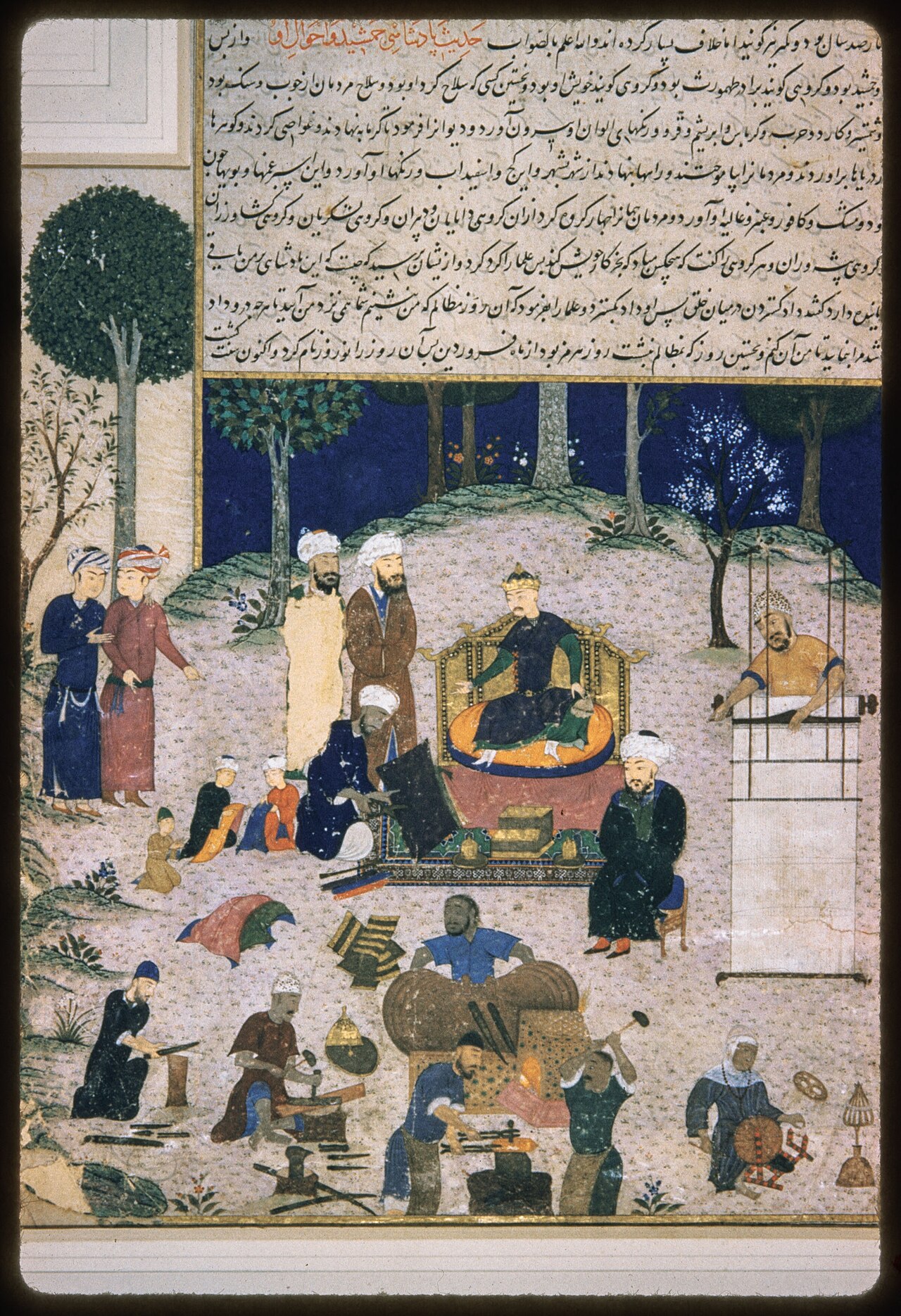
History of the Prophets and Kings
Muhammad ibn Jarir al-Tabari · completed 915 AD
 Artifact
Secondary source
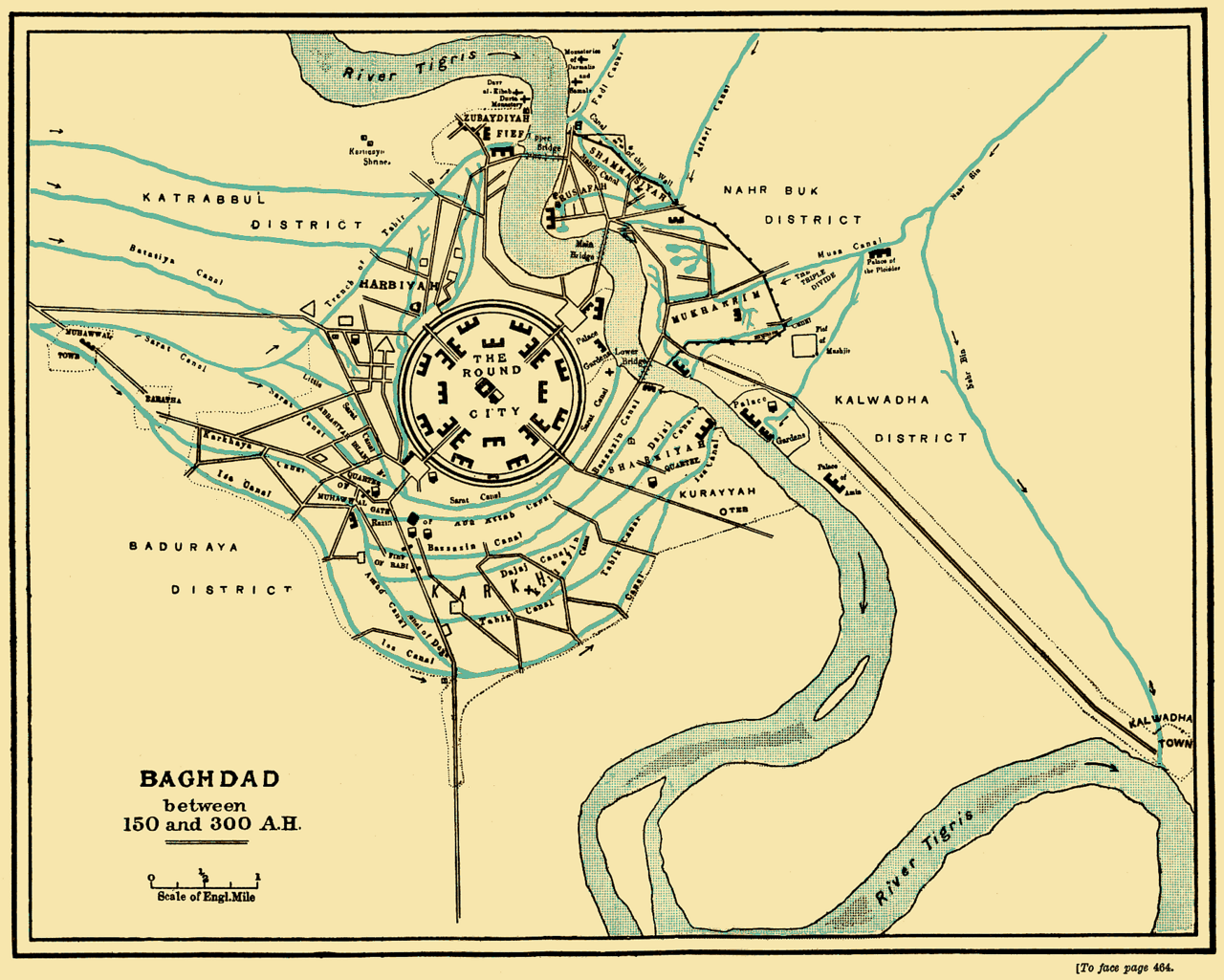
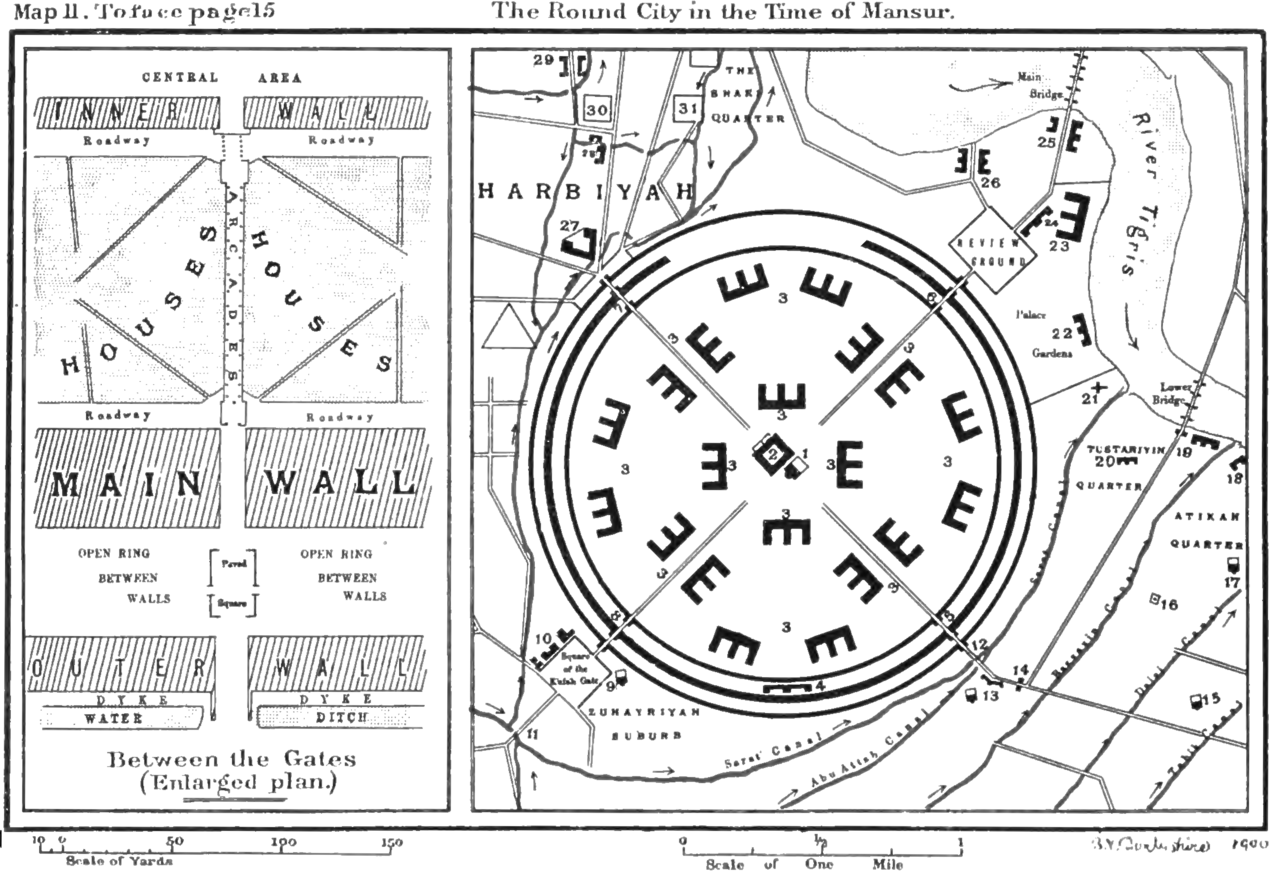
Round City of Baghdad
762–766
 Artifact
Secondary source
Palace of the Golden Gate
763
 Book
Secondary source
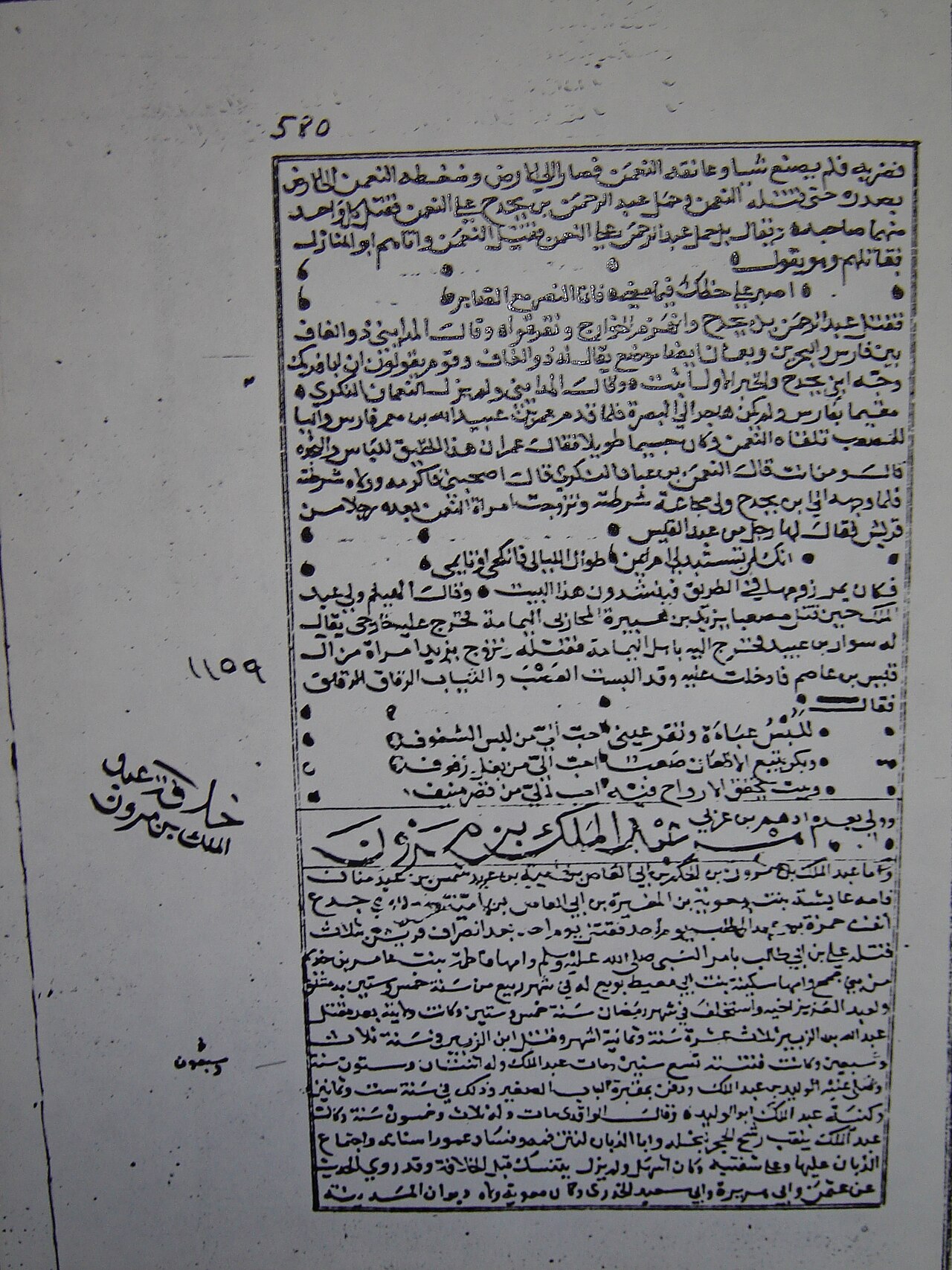
Genealogies of the Nobles
Al-Baladhuri
Ready when you are
Start chatting with Caliph al-Mansur now.
20 messages free · No credit card · Available in 50+ languages.