


Secondary sourceArtifact762–766
Round City of Baghdad
762–766
The circular planned capital founded by Caliph al-Mansur in 762, built as the centre of Abbasid power.
Al-Mansur personally commissioned and founded this circular capital as the centre of his caliphate.
About this source
What it is
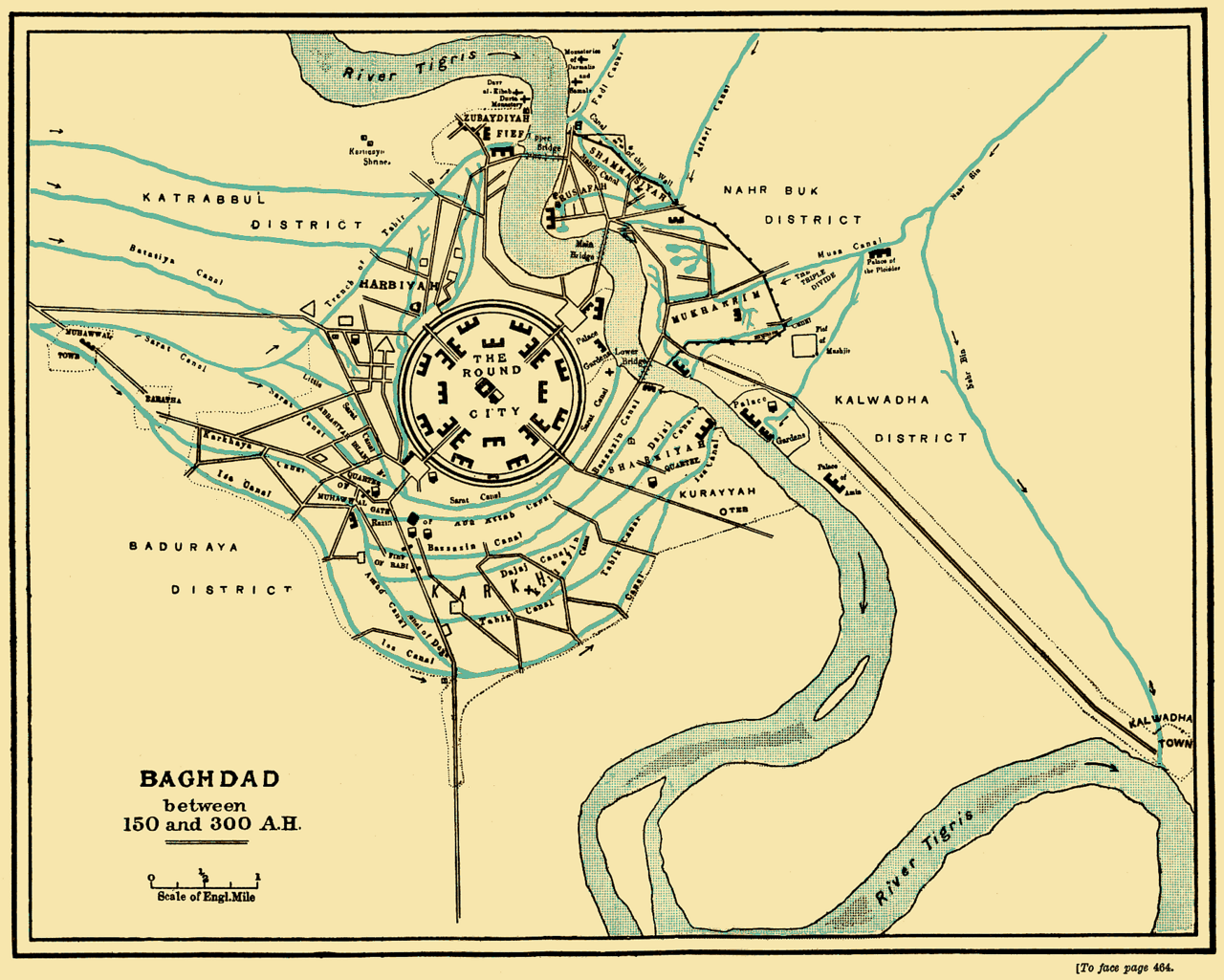
The Round City was the original core of Baghdad, built by Caliph al-Mansur beginning in 762. According to Arab chroniclers, huge numbers of workers and vast sums of money were used to construct it. The caliph's palace and the main mosque stood at the centre, with administrative offices nearby, and the city was completed over several years.
Why it matters
Al-Mansur chose this location to replace an earlier Abbasid capital and to create a new seat of power for his dynasty. The circular design, with four gates facing major roads to the provinces, borrowed from older Persian city plans, showing how Abbasid rulers absorbed Persian traditions of kingship and architecture. The city grew into one of the great cities of the medieval world, home to the later House of Wisdom.
Look closer
- Why might a ruler choose a circular design, with his palace and mosque at the exact centre?
- What does the choice of four gates, each facing a different region, suggest about how al-Mansur saw his empire?
- No original buildings survive — how do historians know what the city looked like?
This artifact is part of the curated material that grounds the AI version of Caliph al-Mansur on Humy.ai — when students ask about related events, the AI can quote it and cite it.
More Caliph al-Mansur sources
Meet the AI Caliph al-Mansur → Book
Secondary source
History of the Prophets and Kings
Muhammad ibn Jarir al-Tabari · completed 915 AD
 Artifact
Secondary source
Palace of the Golden Gate
763
 Book
Secondary source
Genealogies of the Nobles
Al-Baladhuri
 Book
Primary source
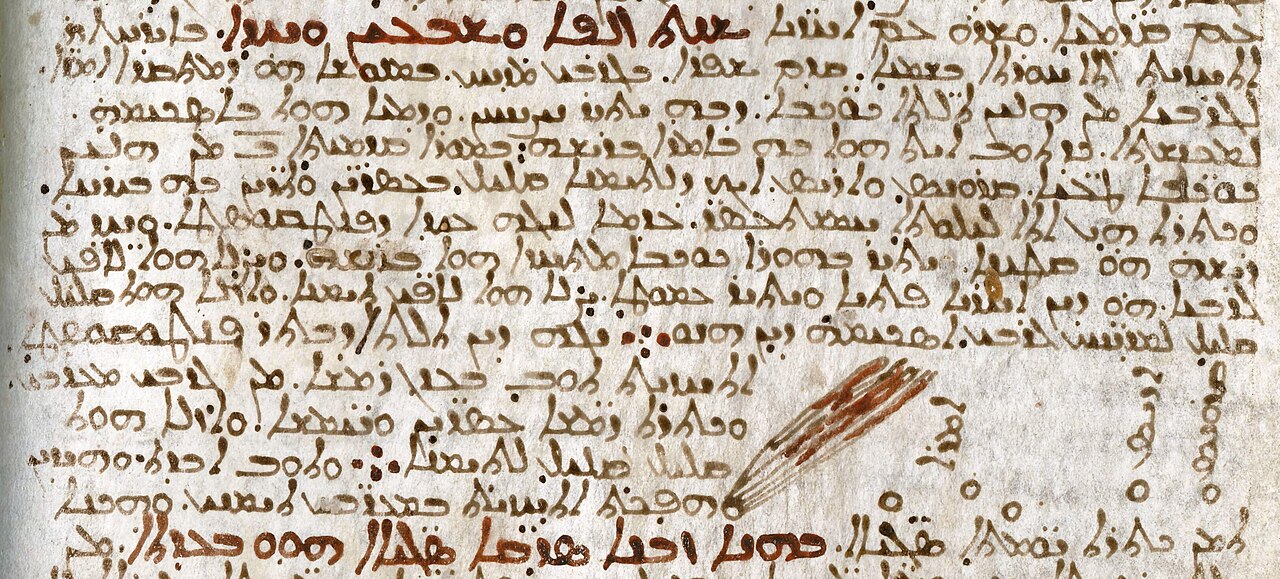
Zuqnin Chronicle
Pseudo-Dionysius of Tel-Maḥrē · completed c. 775
 Book
Secondary source
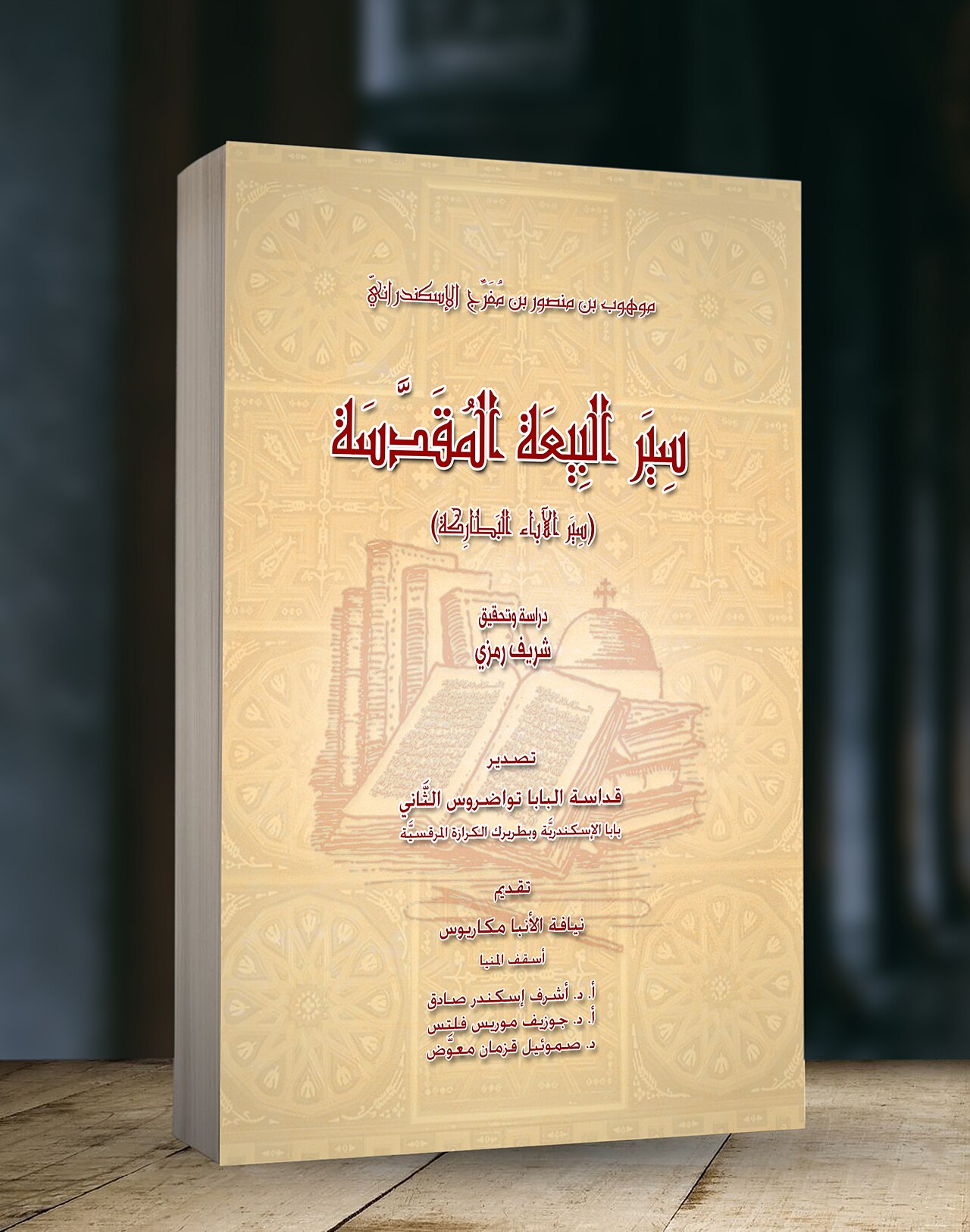
History of the Patriarchs of Alexandria
Mawhub ibn Mansur ibn Mufarrij · 1222
Ready when you are
Start chatting with Caliph al-Mansur now.
20 messages free · No credit card · Available in 50+ languages.