


Secondary sourceBook1222
History of the Patriarchs of Alexandria
Mawhub ibn Mansur ibn Mufarrij · 1222
A long Coptic Church history of the Alexandrian patriarchs, written in Arabic and compiled over several centuries. It is linked to al-Mansur's reign only through the curator's note on the change of dynasty and Abbasid fiscal rule.
The curator links this Coptic church history to al-Mansur's rule, noting its account of how Abbasid fiscal policy affected Christians in Egypt.
About this source
What it is
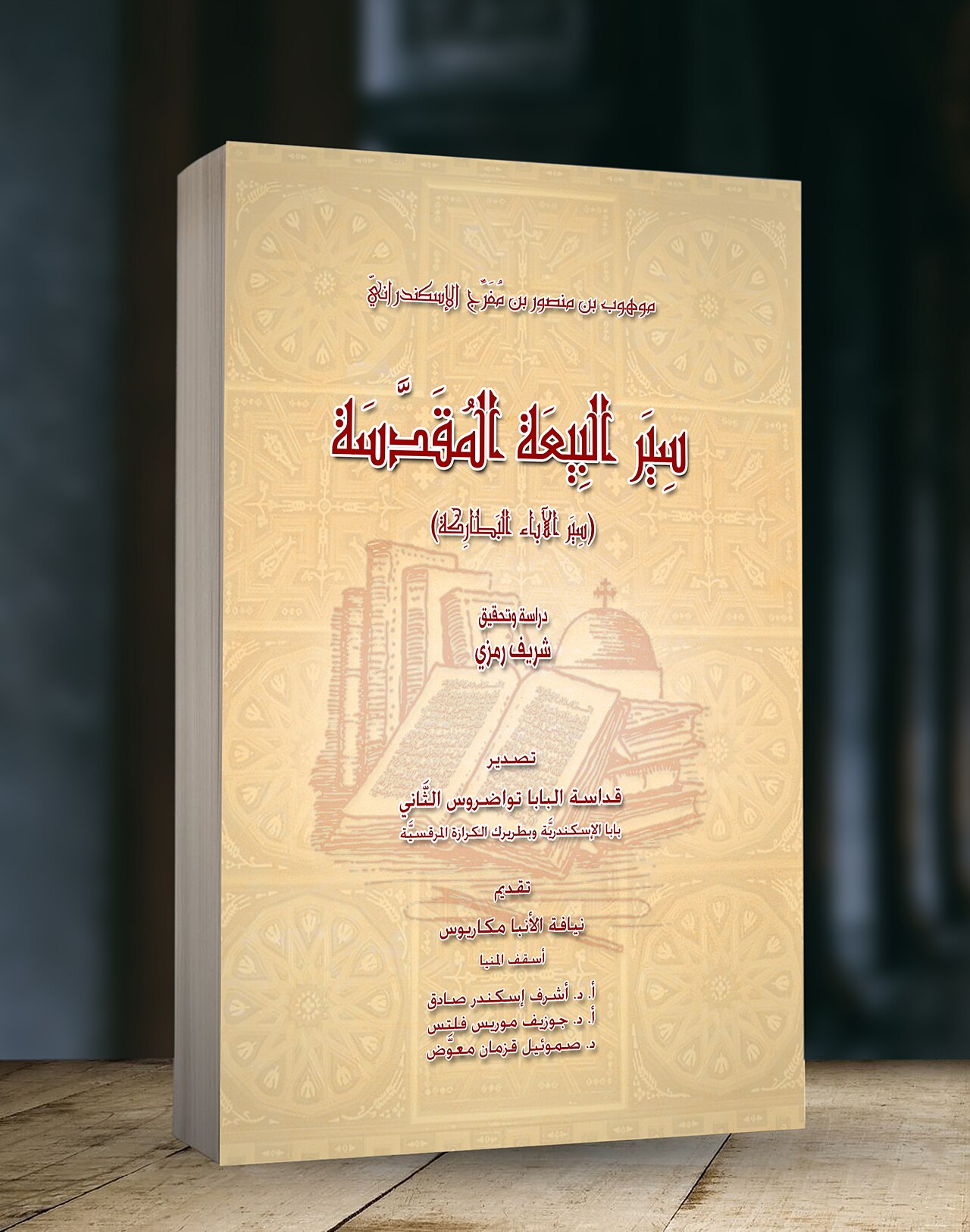
The History of the Patriarchs of Alexandria is a major historical work of the Coptic Orthodox Church of Alexandria, and the only continuous narrative of the Non-Chalcedonian Alexandrian Patriarchate. Its early parts draw on Eusebius and Coptic tradition, and later biographies often seem to rest on documents written by eyewitnesses. The catalogue record gives the date 1222. Tradition credits the work to Severus ibn al-Muqaffa, but modern scholarship credits Mawhub ibn Mansur ibn Mufarrij of Alexandria (c. 1025-1100), whose name appears on the cover of the edition shown here. Sources disagree on the language: one describes it as written in Coptic, while the record and the cover treat it as Arabic.
Why it matters
The book shows how Christians in Egypt recorded their own history under Muslim rule. It covers the Muslim conquest of Egypt and the overthrow of the last Umayyad caliph, Marwan II. The curator links it to al-Mansur because it records how the change of dynasty and Abbasid fiscal rule affected Egyptian Christians. That link comes from the curator's note and is not stated in the book facts quoted here.
Look closer
- Whose history is this, and which events does it treat as important?
- Why do you think the author relied on eyewitness documents for the later periods?
- What might a Coptic author leave out when writing about rulers from a different faith?
This book is part of the curated material that grounds the AI version of Caliph al-Mansur on Humy.ai — when students ask about related events, the AI can quote it and cite it.
More Caliph al-Mansur sources
Meet the AI Caliph al-Mansur → Book
Secondary source
History of the Prophets and Kings
Muhammad ibn Jarir al-Tabari · completed 915 AD
 Artifact
Secondary source
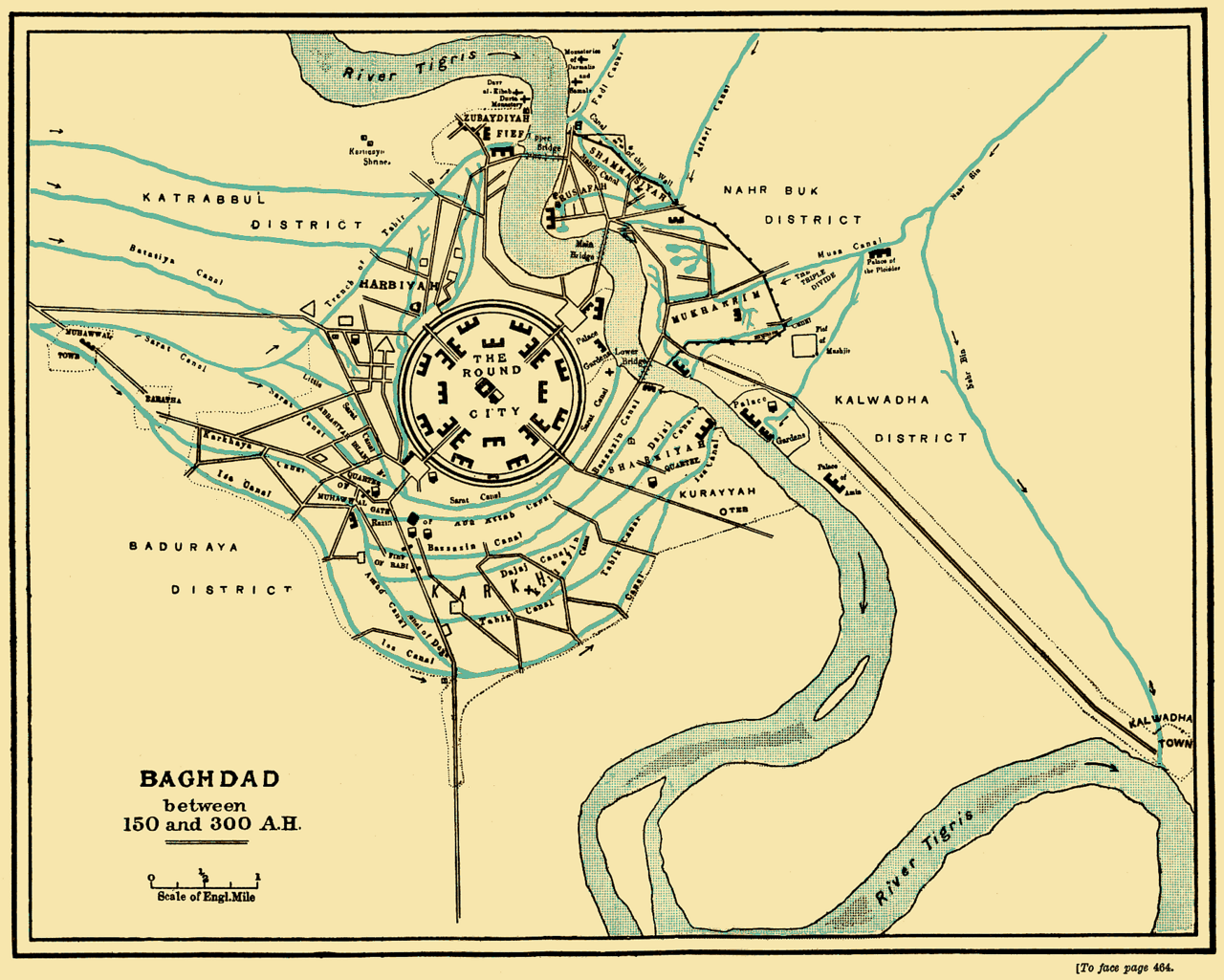
Round City of Baghdad
762–766
 Artifact
Secondary source
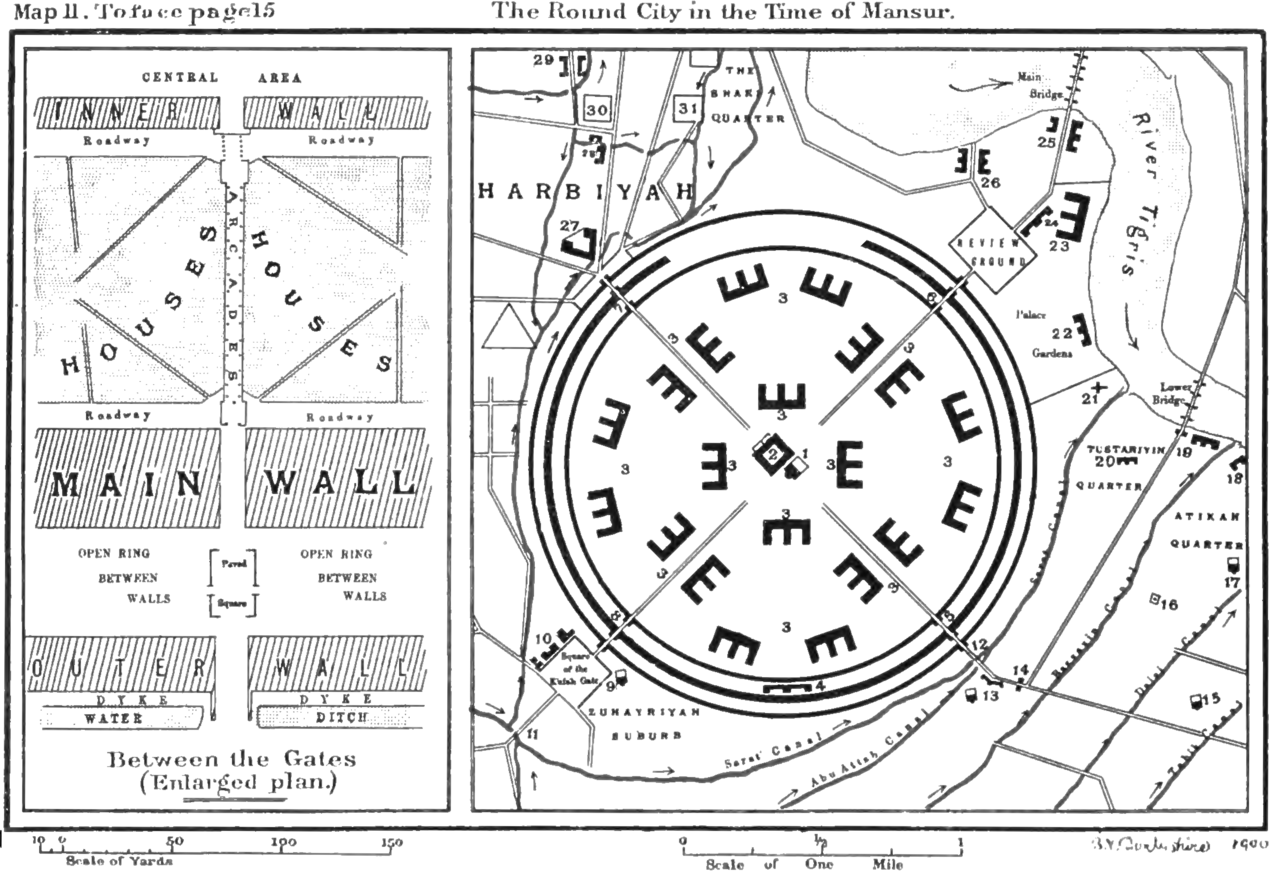
Palace of the Golden Gate
763
 Book
Secondary source
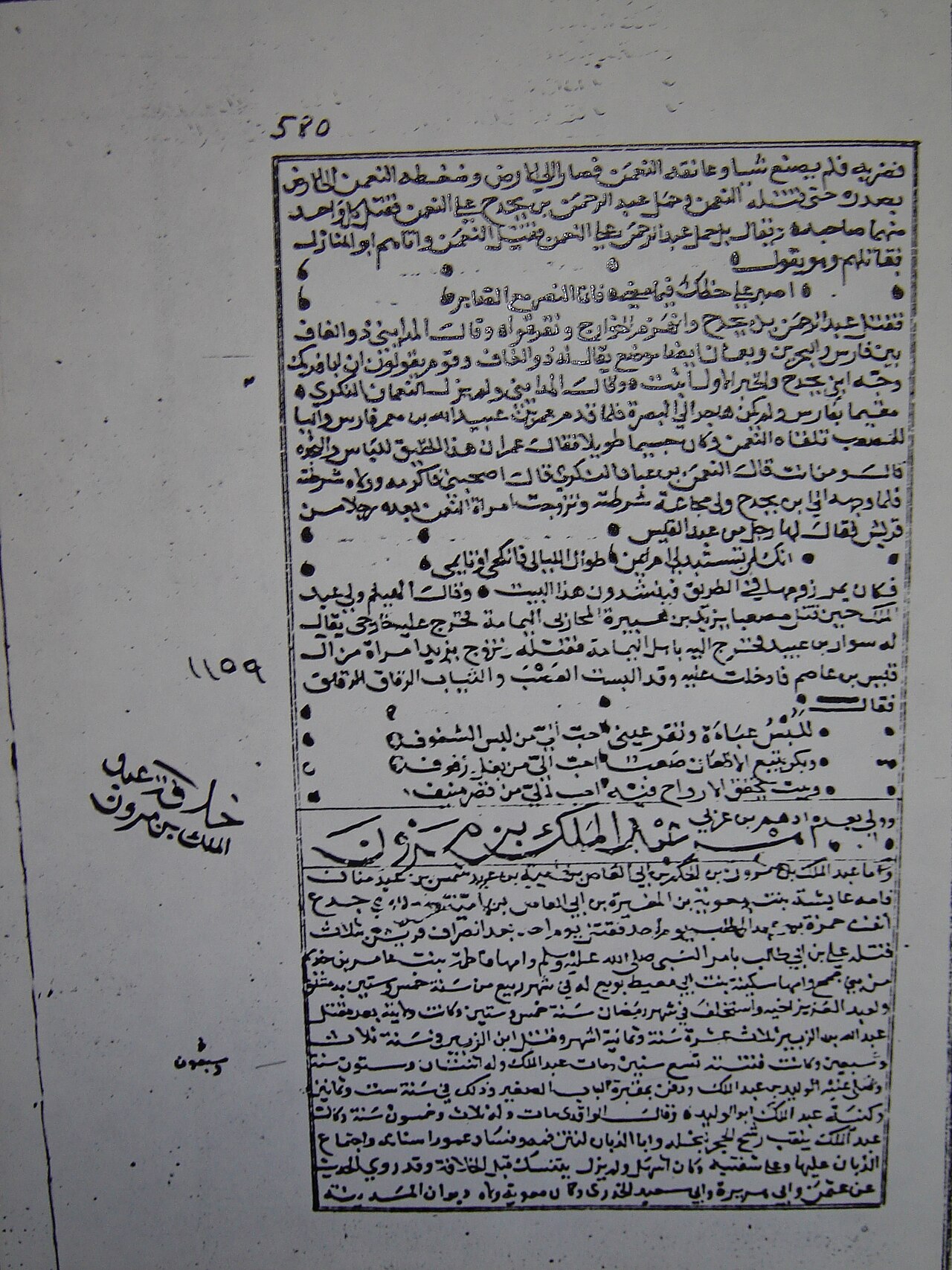
Genealogies of the Nobles
Al-Baladhuri
 Book
Primary source
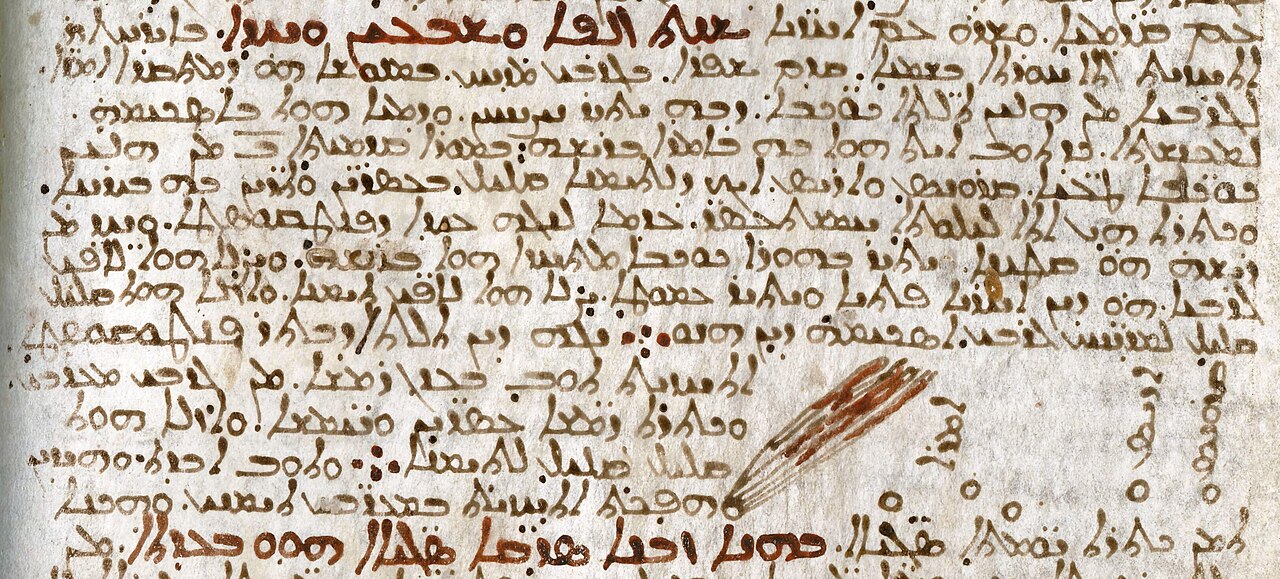
Zuqnin Chronicle
Pseudo-Dionysius of Tel-Maḥrē · completed c. 775
Ready when you are
Start chatting with Caliph al-Mansur now.
20 messages free · No credit card · Available in 50+ languages.