



Dr. Michael Calvert
Assistant Superintendent, South Allegheny School District, Pennsylvania
Been using Humy in his district since 2024
“We enjoyed the program last year and used it frequently.”

AI Historical Figure
The second Abbasid caliph who founded the city of Baghdad and ruled from 754 to 775.
Chat with Caliph al-Mansur via text or voice — in 42 languages, drawing on a curated biography and 41 historical sources. Available 24/7.

Caliph al-Mansur
Online · responds in seconds
Hello — I'm Caliph al-Mansur. The second Abbasid caliph who founded the city of Baghdad and ruled from 754 to 775. What would you like to ask me?
20 messages free · No credit card · Powered by Humy.ai
Live preview · Switch between 42 languages above · Send a message to continue in the app
Multilingual
Ask Caliph al-Mansur questions in any language below, and the rest of Humy's app speaks it too. Pick yours to open the chat in that language.
Also in German (Austria), German (Switzerland), English (UK), English (Australia), English (Canada).
41 sources · 19 artifacts · 15 books · 4 paintings · 3 documents
Caliph al-Mansur doesn’t improvise from thin air. The AI is grounded in 41 curated historical sources students can inspect. Open any of them to see what informs the conversation.
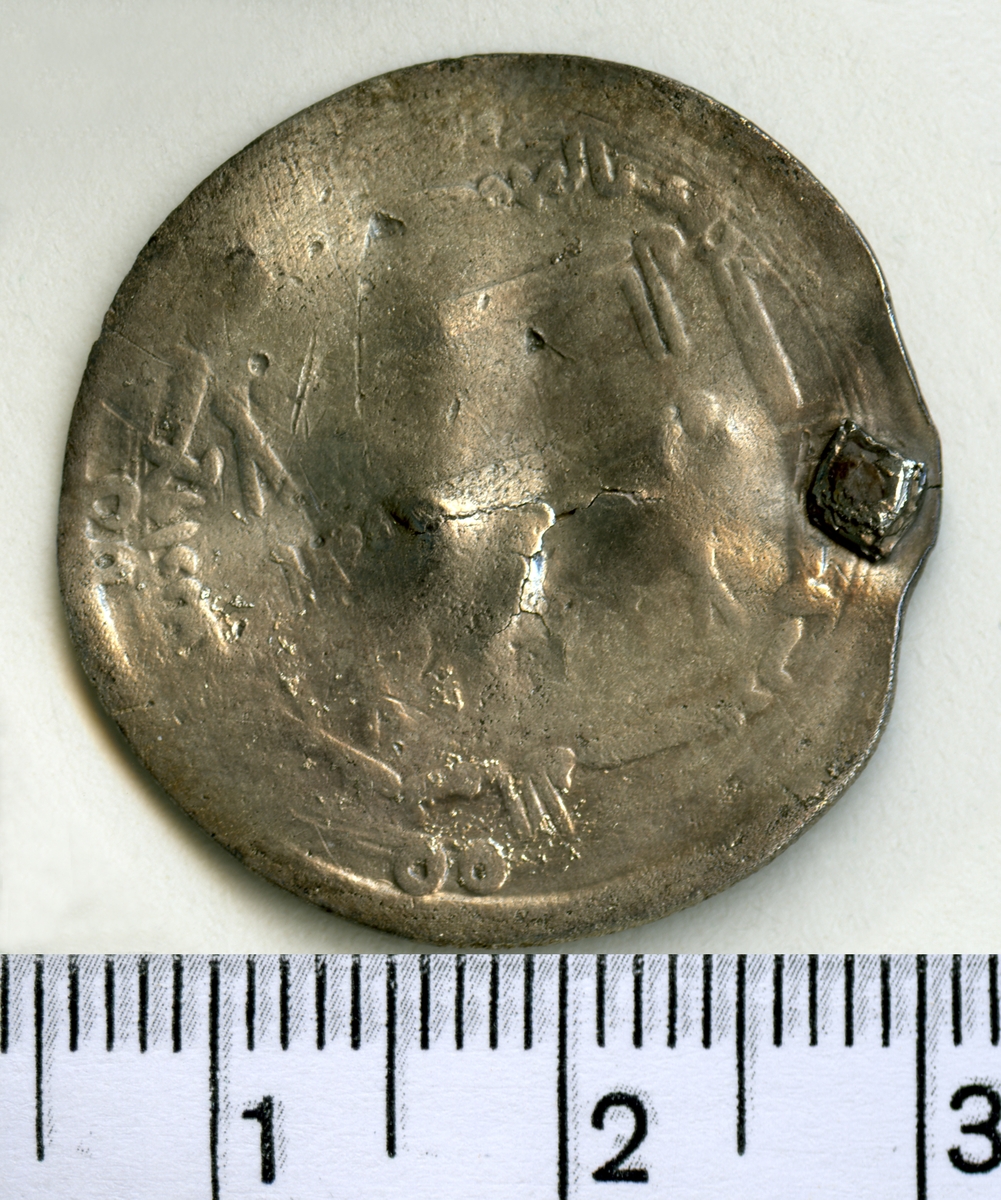 Artifact
Primary source
8th century, during al-Mansur's reign (754-775)
 Book
Secondary source
Muhammad ibn Jarir al-Tabari · completed 915 AD
 Artifact
Secondary source
762–766
 Artifact
Secondary source
763
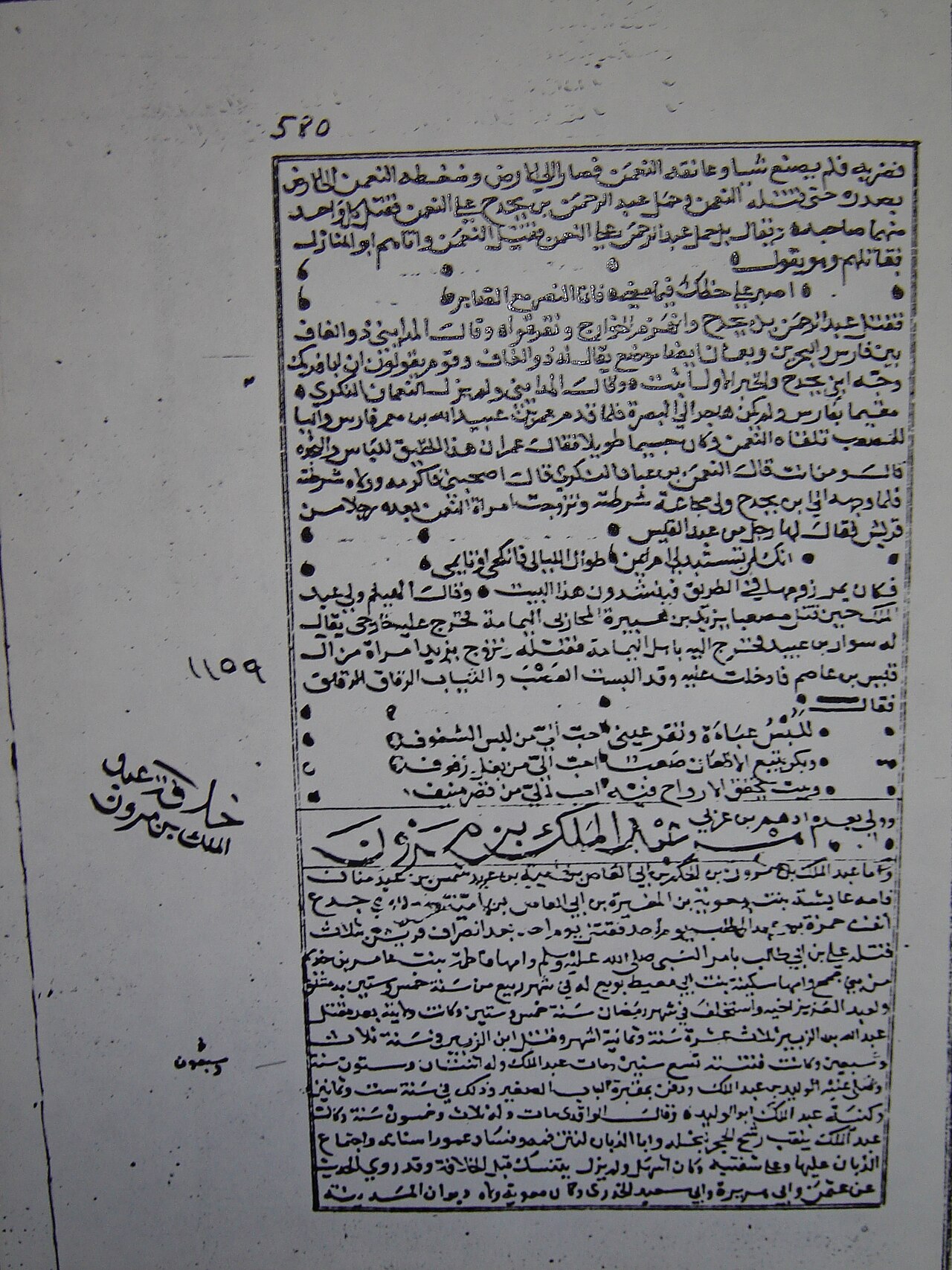 Book
Secondary source
Al-Baladhuri
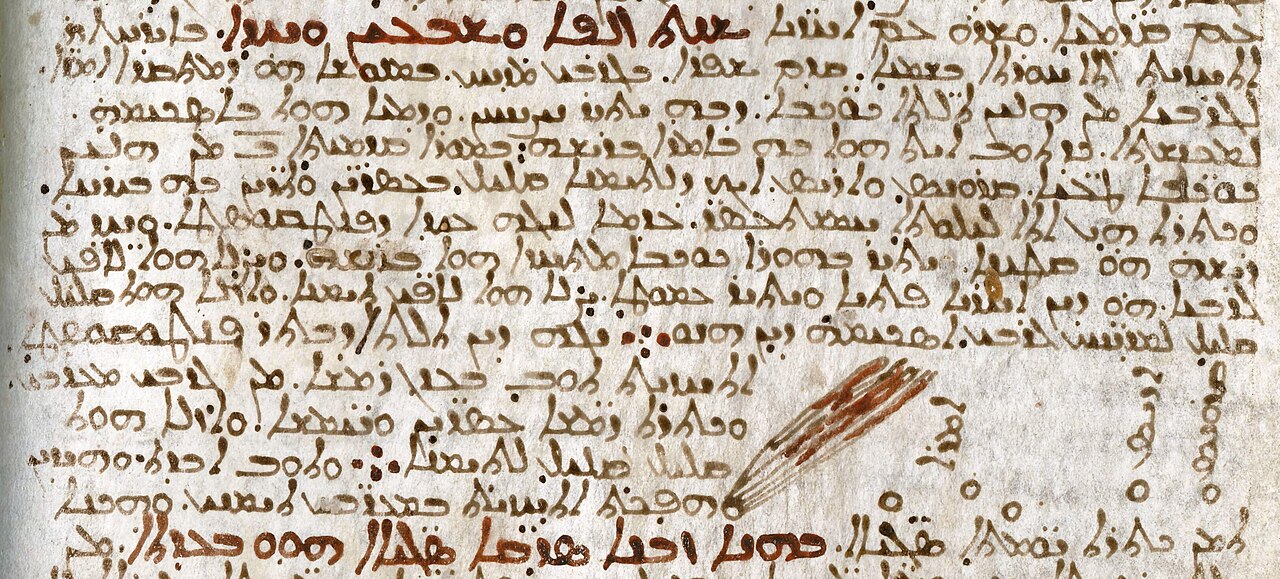 Book
Primary source
Pseudo-Dionysius of Tel-Maḥrē · completed c. 775
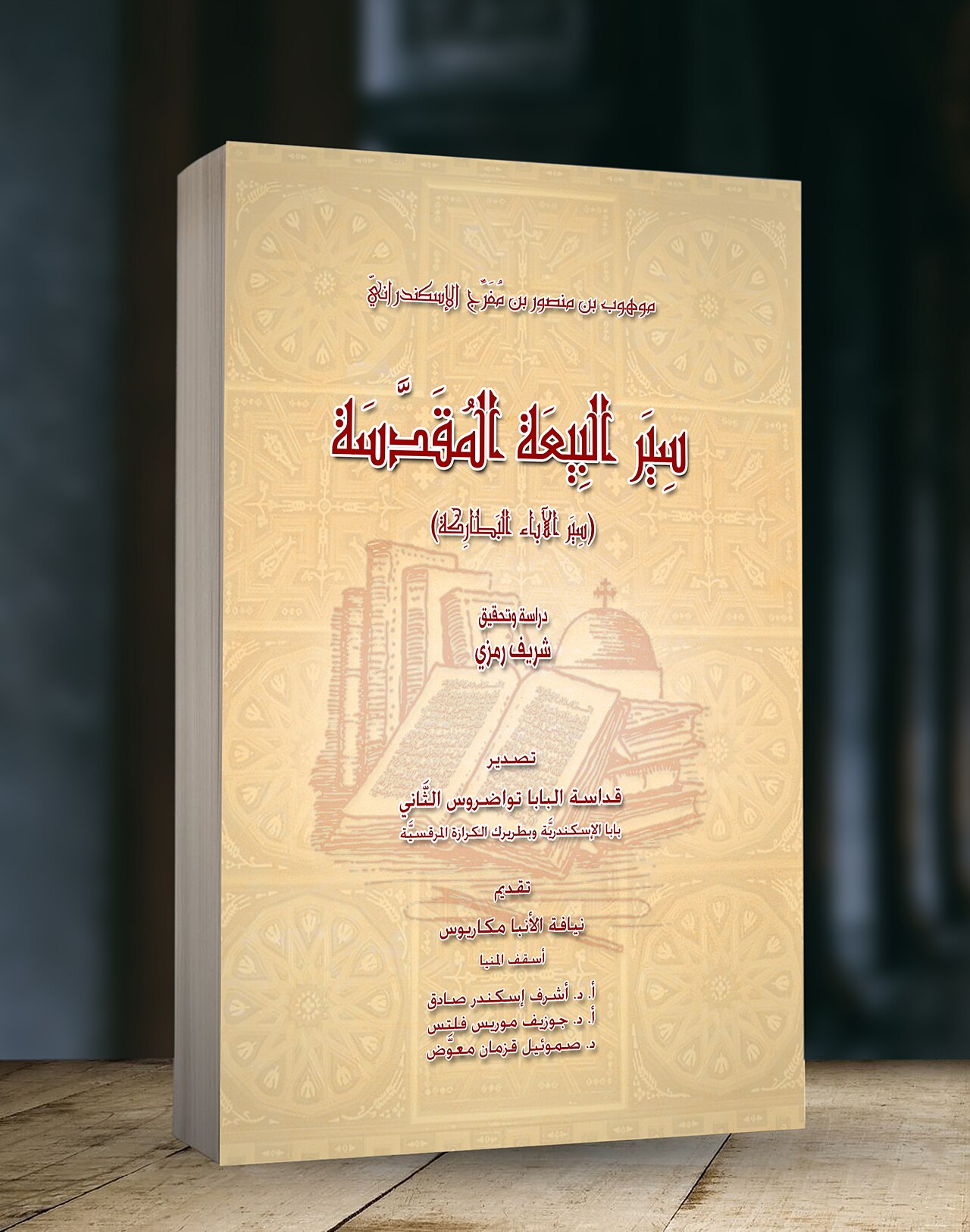 Book
Secondary source
Mawhub ibn Mansur ibn Mufarrij · 1222
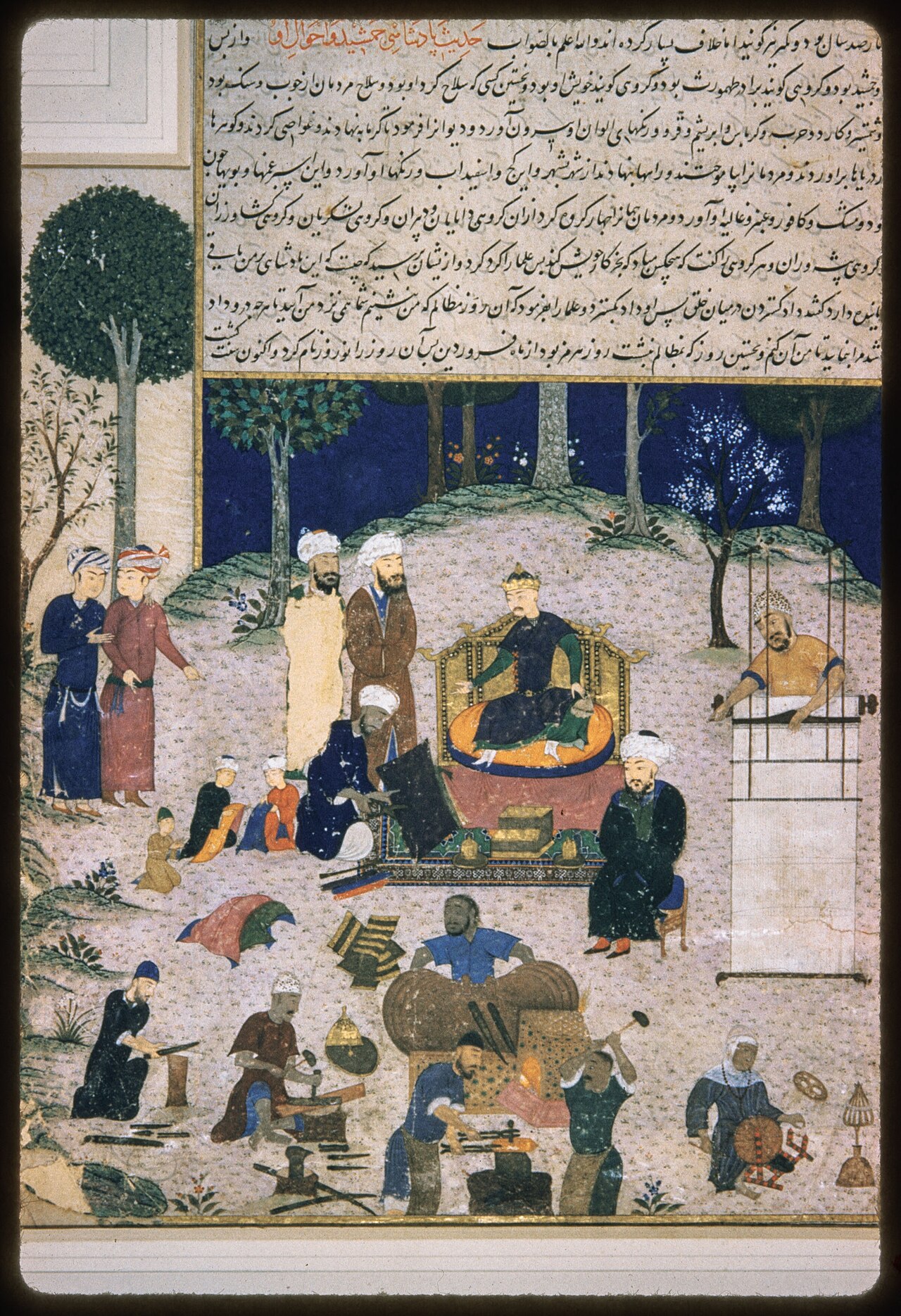
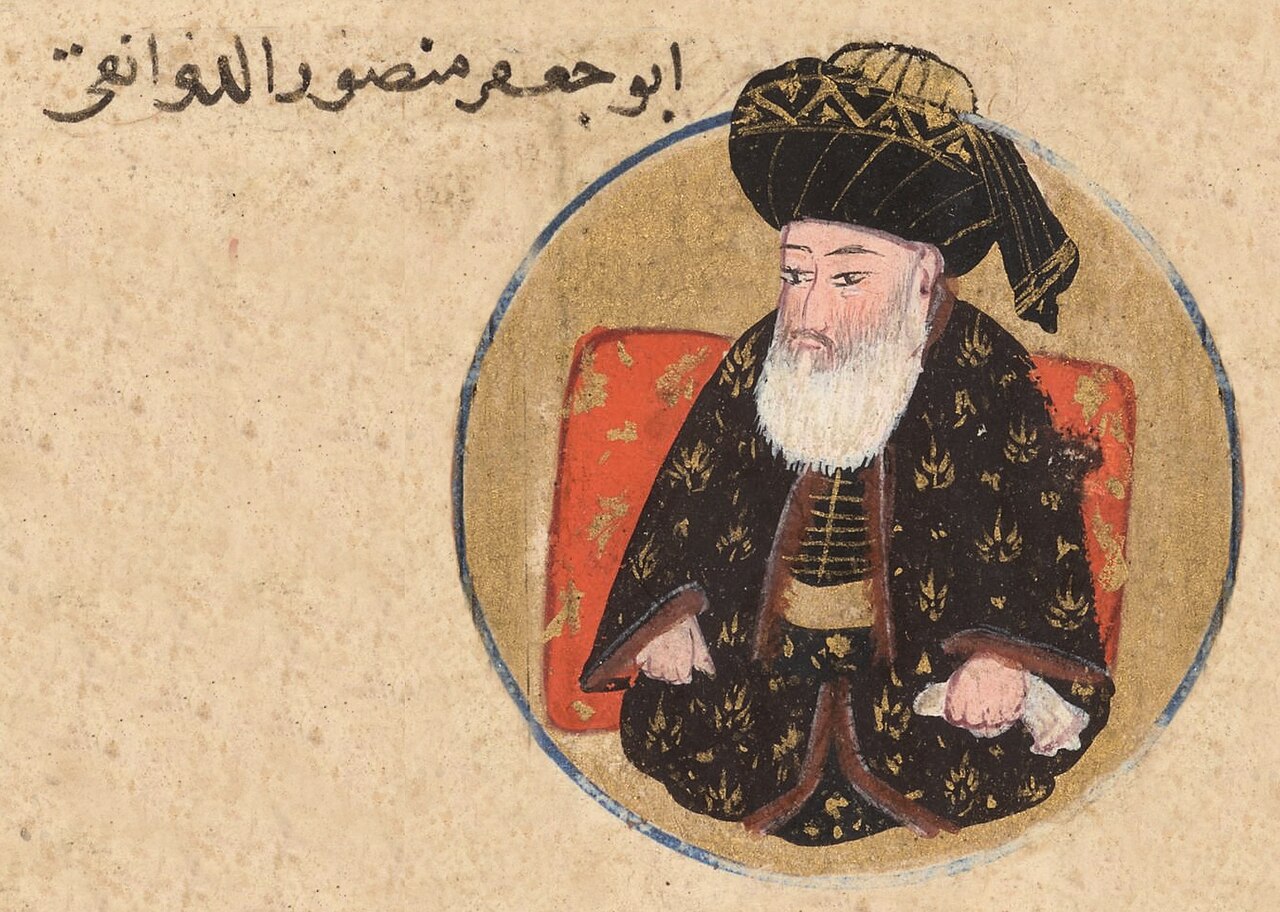 Painting
Secondary source
1598
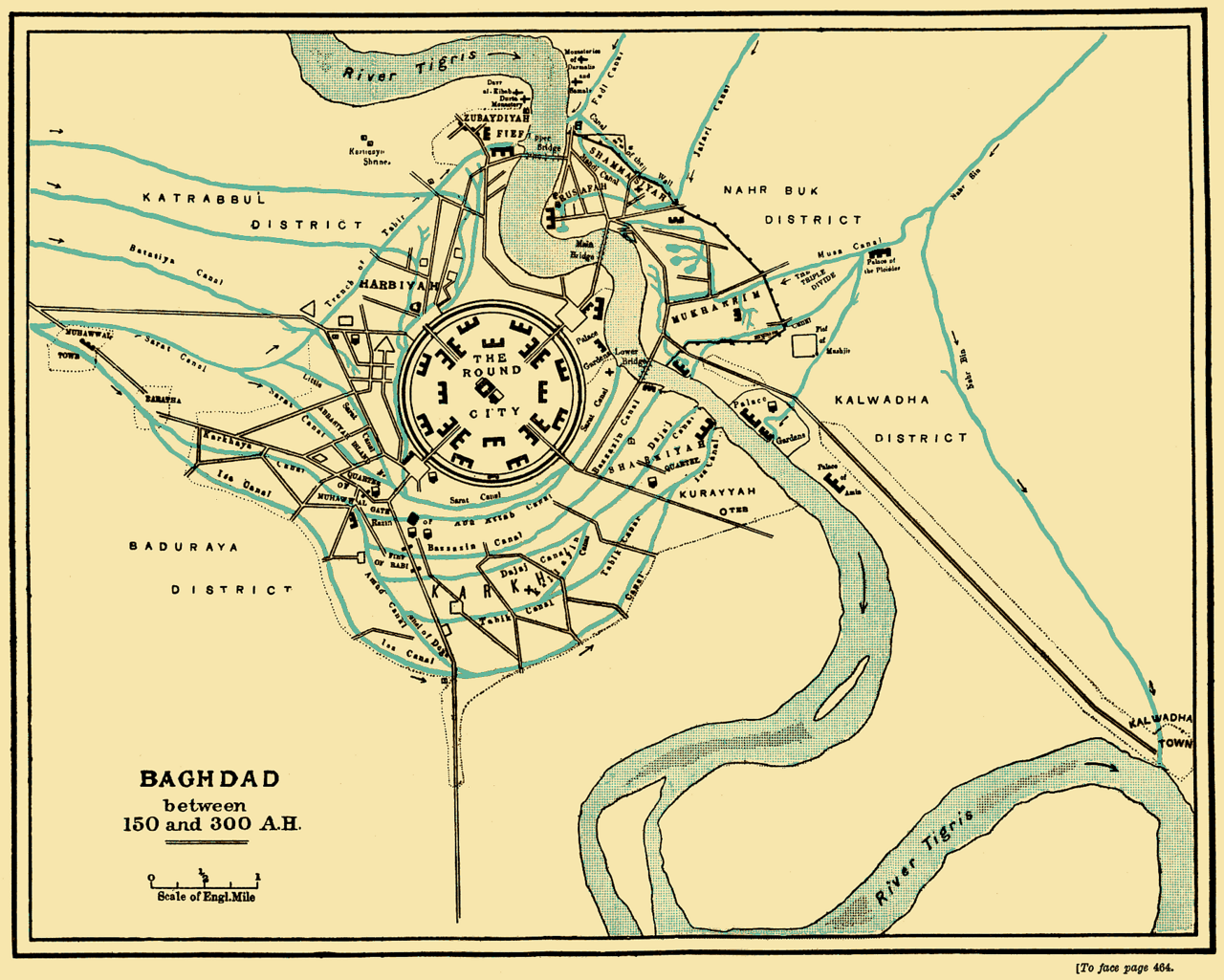
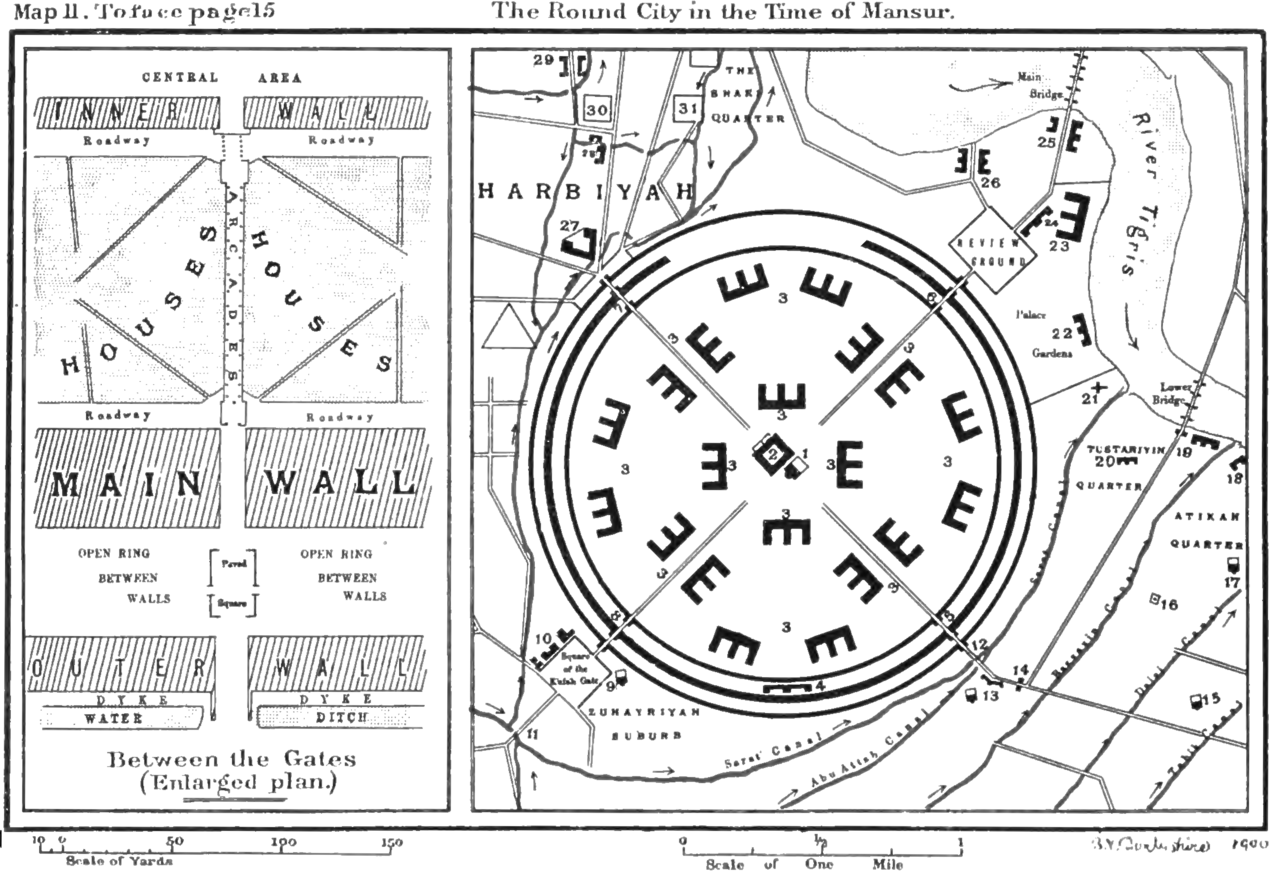
BookSecondary source
Guy Le Strange · 1900
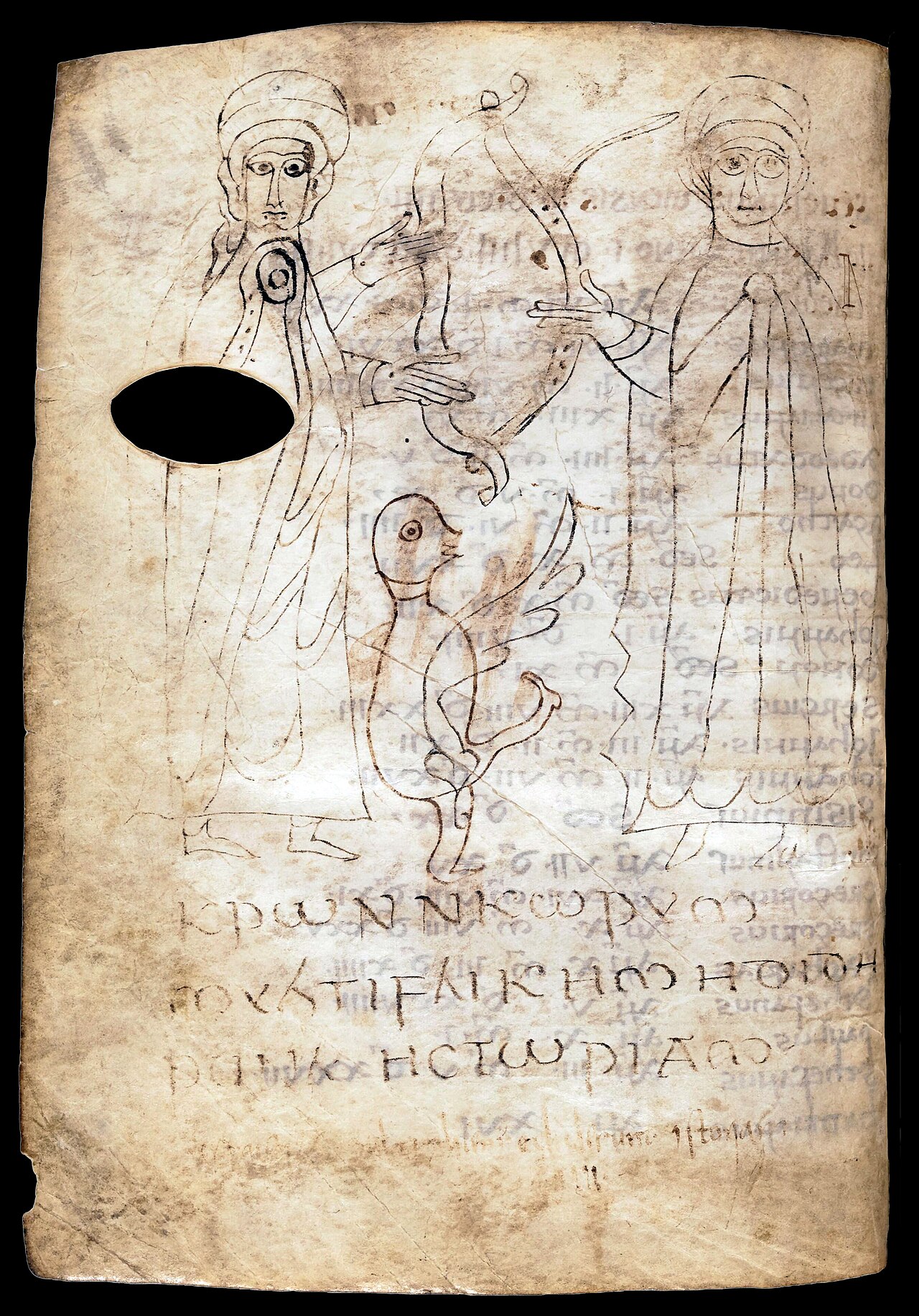 Book
Secondary source
Pseudo-Fredegar · c. 700 (with continuations to 768)
Secondary source
Ahmad ibn Yahya al-Baladhuri · 1924
 Book
Secondary source
Al-Baladhuri · 9th century
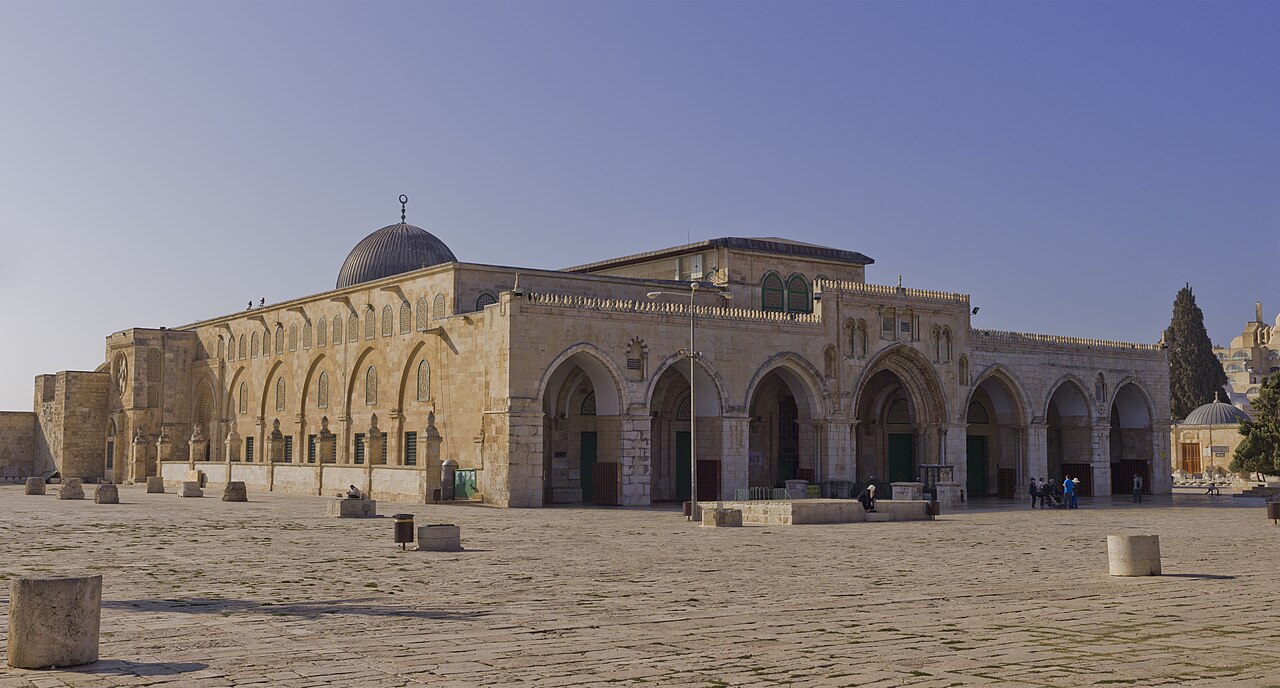 Artifact
Primary source
rebuilt 758 (after the 746 earthquake)
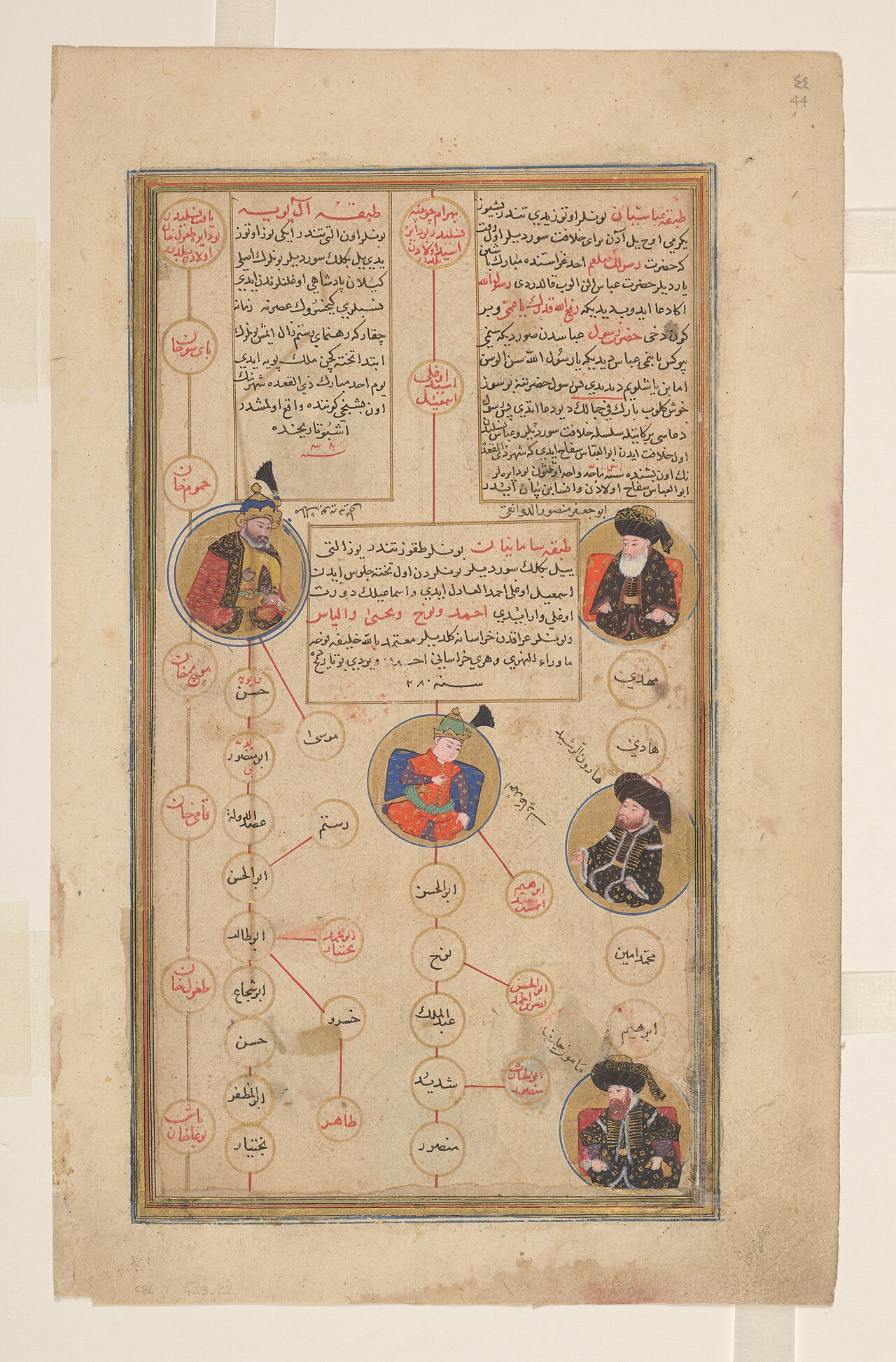 Painting
Secondary source
Abū Ṭālib Iṣfahānī · 1598
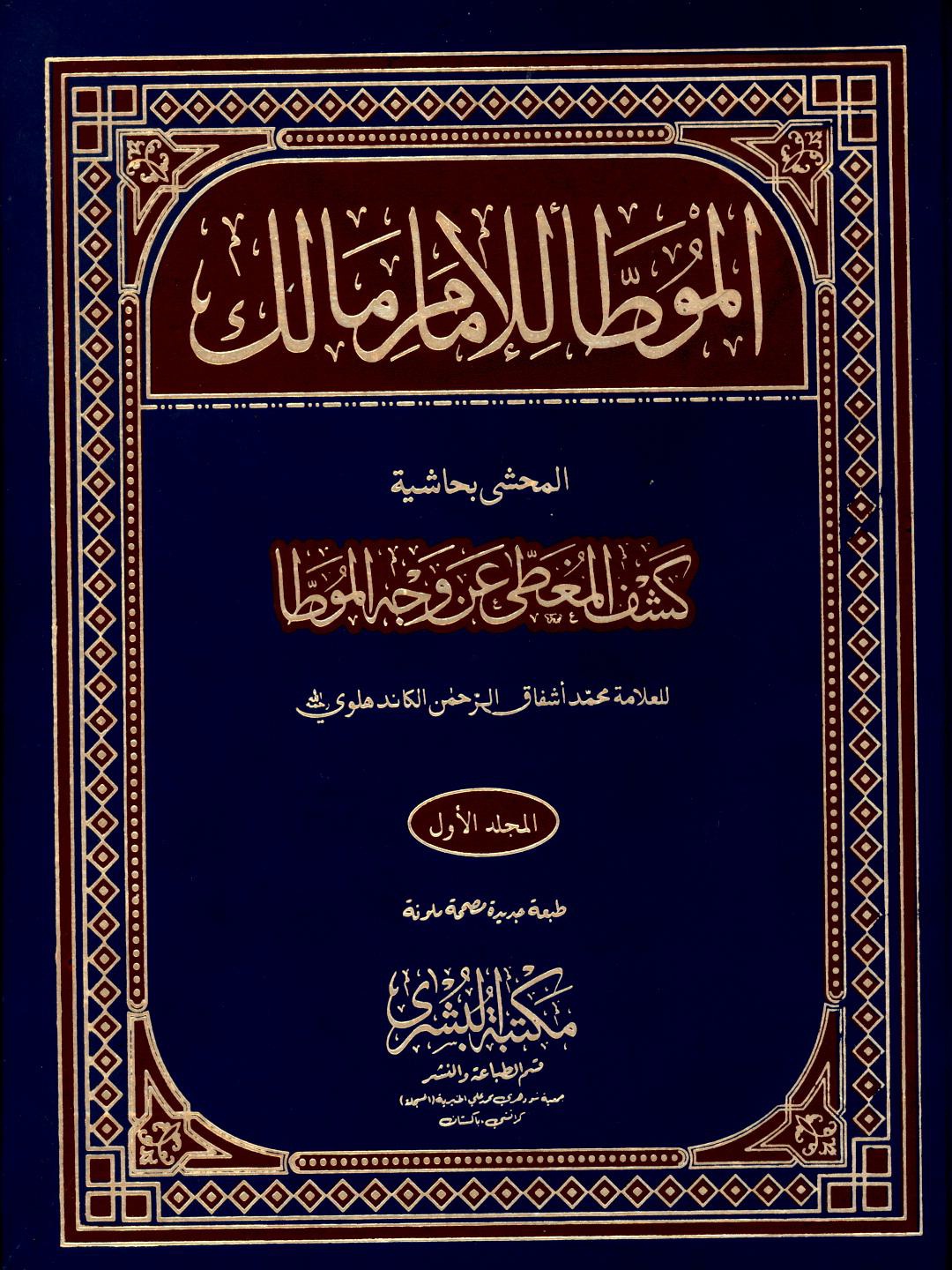 Book
Primary source
Malik ibn Anas · 8th century
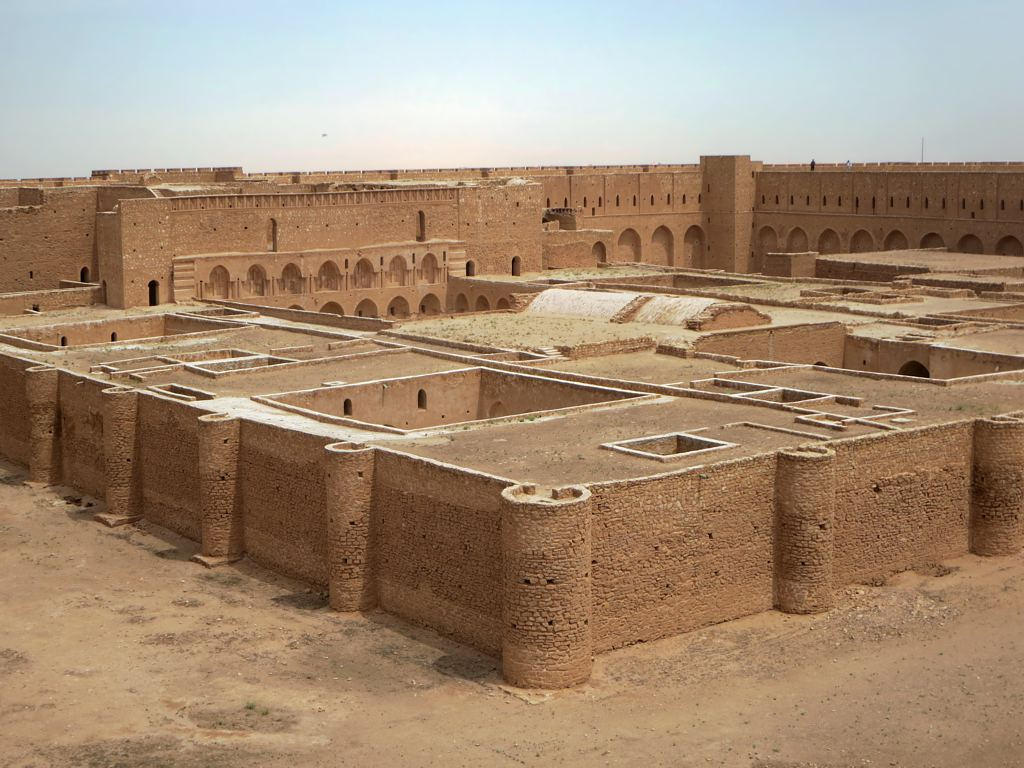 Artifact
Secondary source
775 AD
 Book
Primary source
Ibn Abd Rabbih · 10th century CE
DocumentSecondary source
William Muir · 1883
Secondary source
Philip Khuri Hitti · 1916
Secondary source
1915
Tertiary source
1911
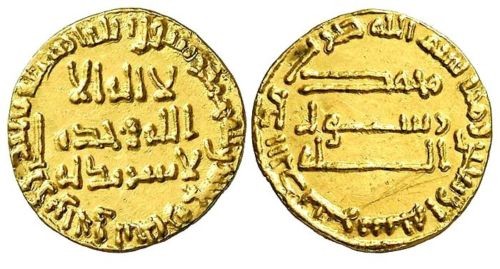 Artifact
Primary source
140 AH / 758 AD
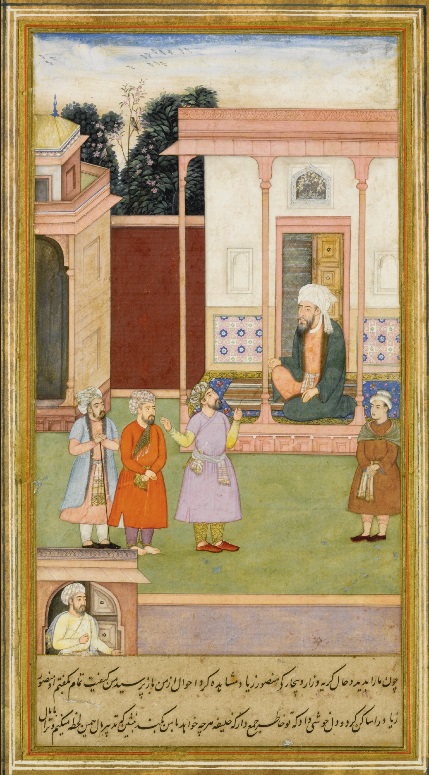 Painting
Secondary source
c. 1595-1600
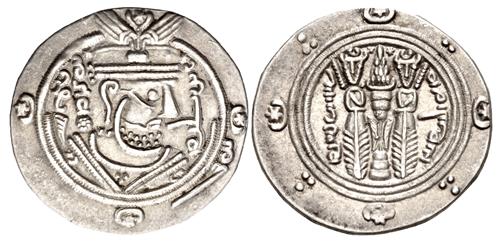 Artifact
Primary source
AH 153 / AD 770-771
Secondary source
Syed Ameer Ali · 1916
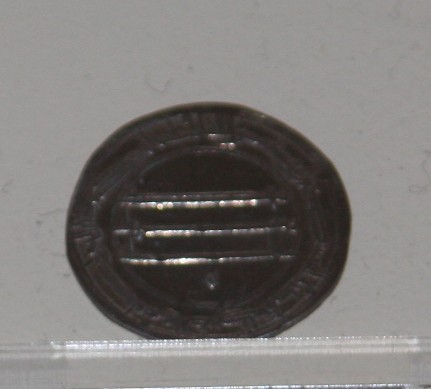 Artifact
Secondary source
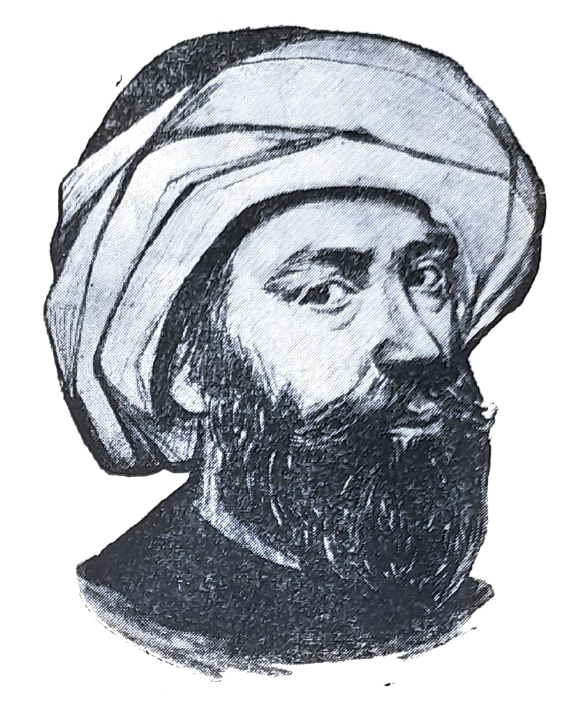 Painting
Secondary source
Unknown author · 1961
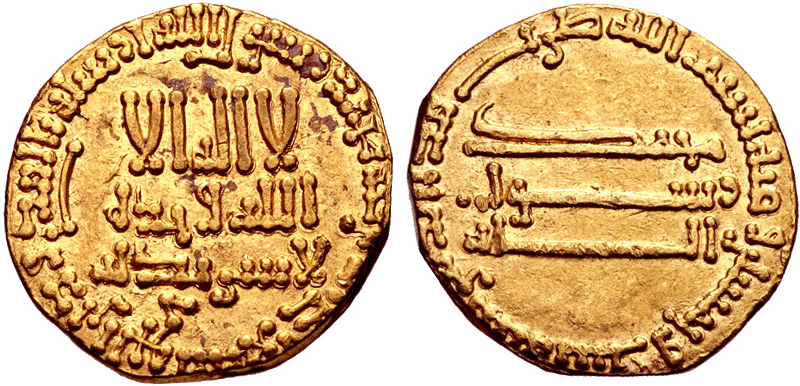 Artifact
Primary source
CNG · AH 136-158
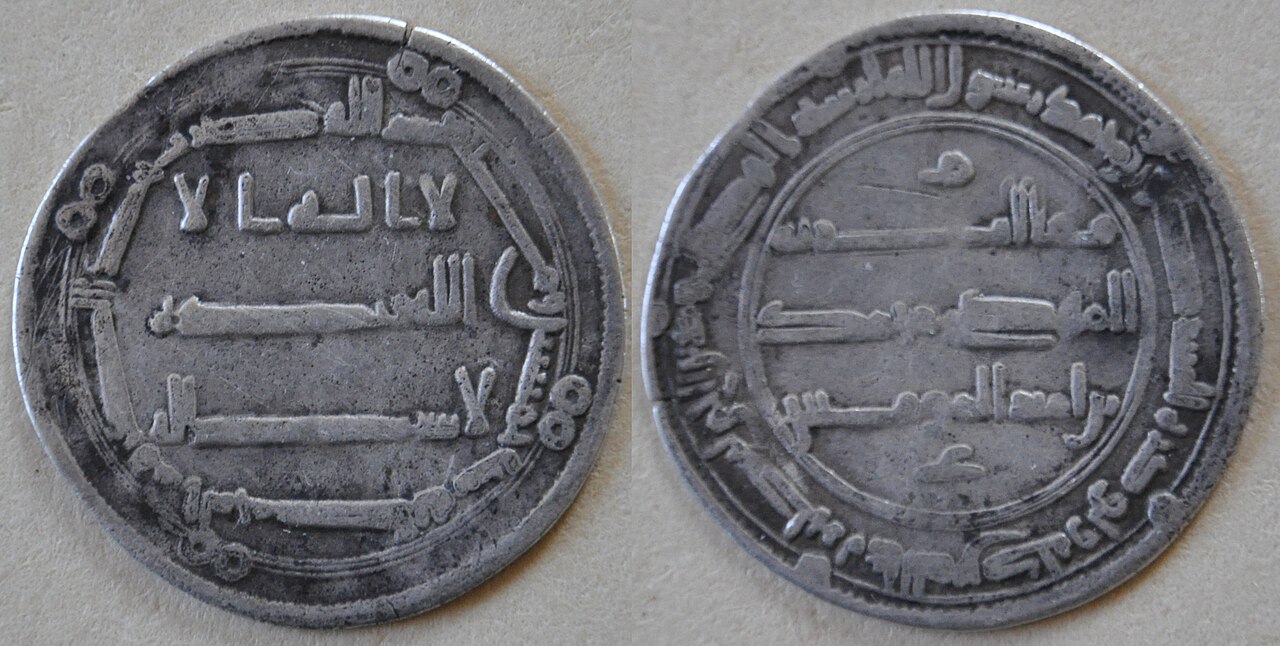 Artifact
Primary source
Jean-Michel Moullec · AH 150 (767 AD)
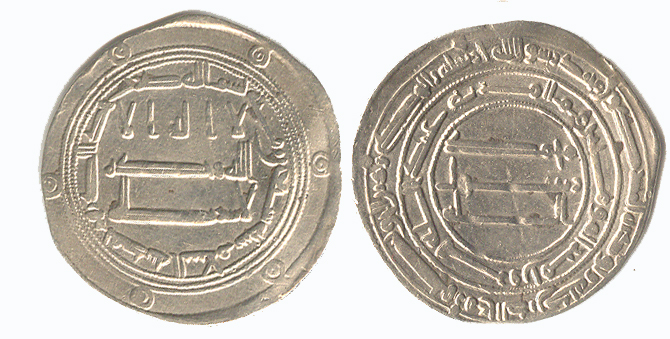 Artifact
Secondary source
Yevlem · 170 AH
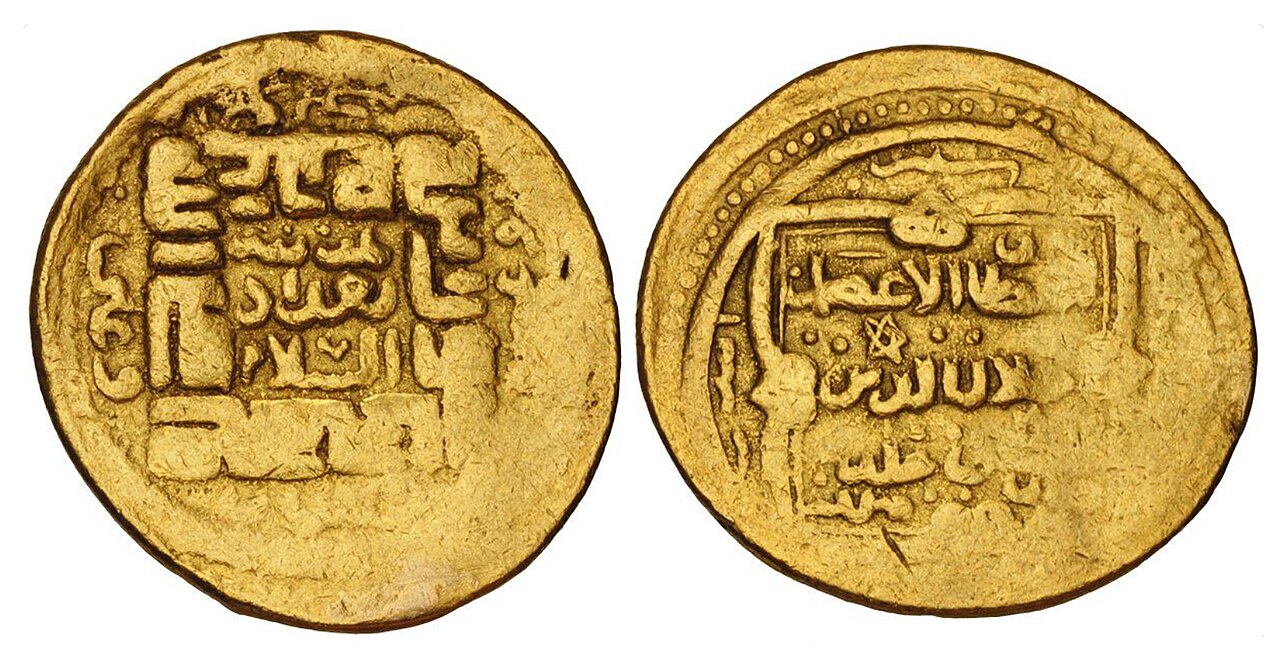 Artifact
Secondary source
Unknown, 14th century · AH 782 (1381-82 AD)
Secondary source
1922
Secondary source
1857
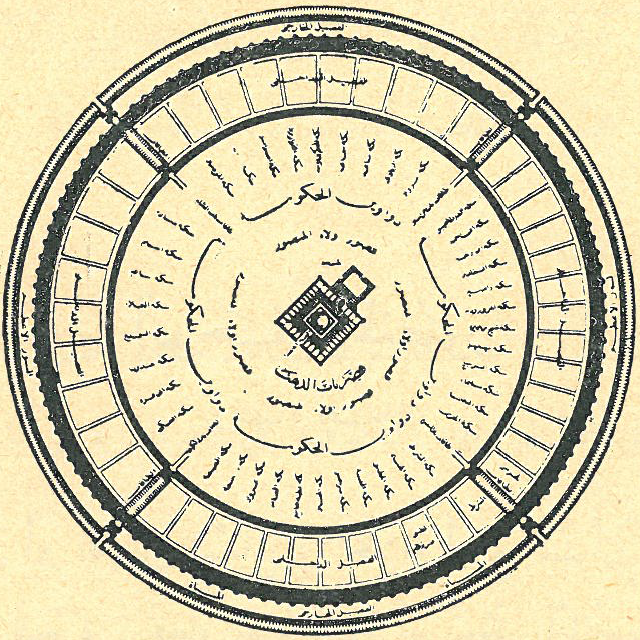 Artifact
Secondary source
Unknown · 1964
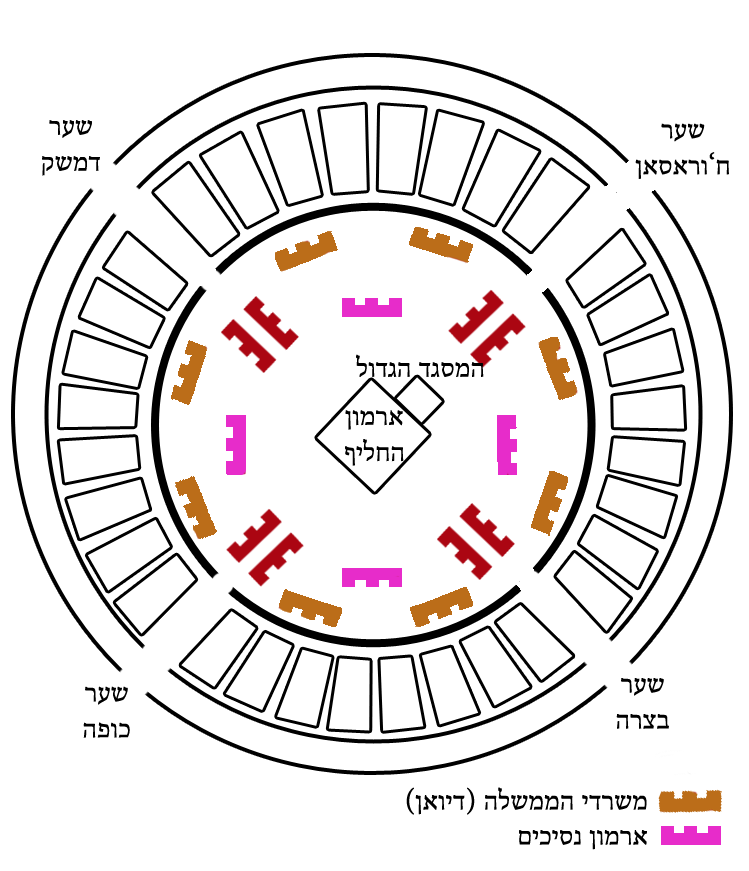 Artifact
Secondary source
קובץ על יד · 2018-07-08
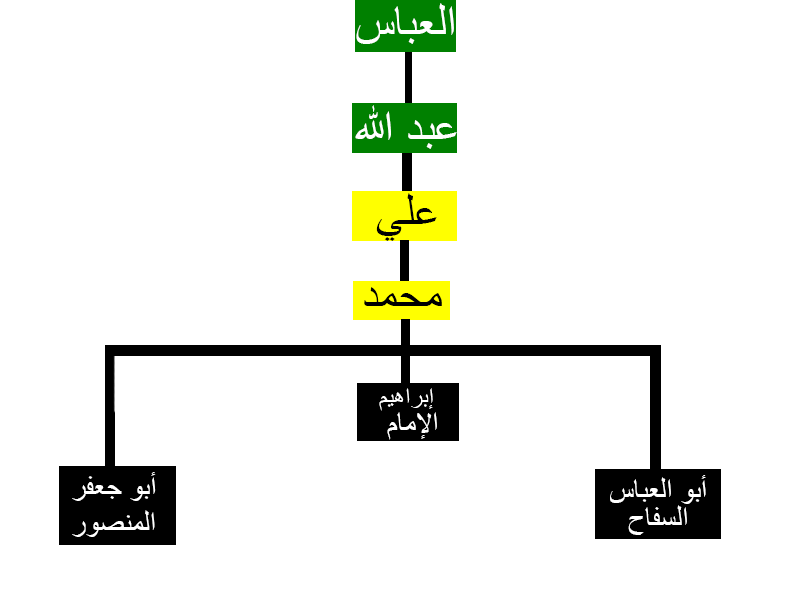 Artifact
Secondary source
أحمد ناجي · 2018-06-21
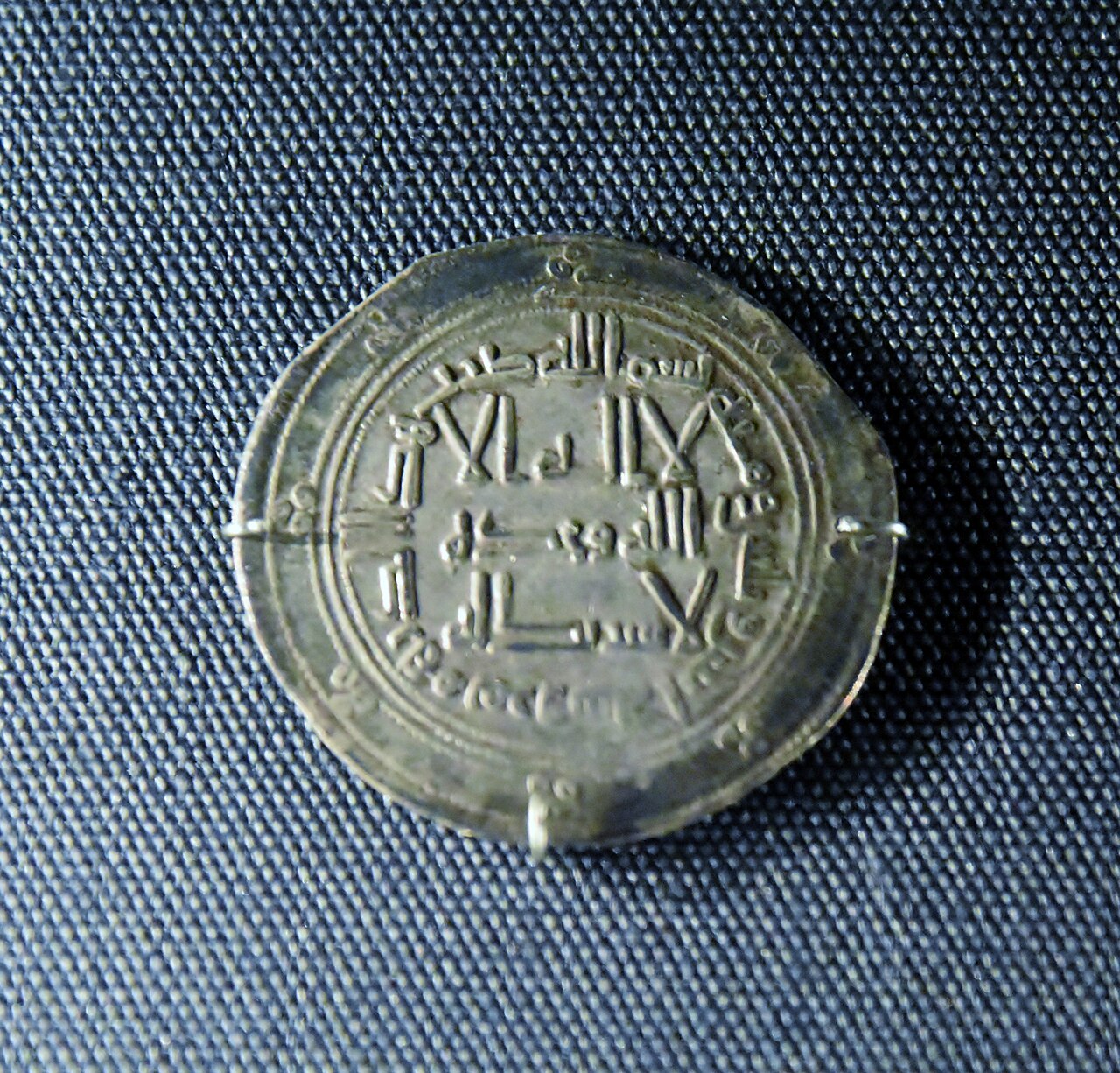 Artifact
Primary source
AH 132 (749-50 CE)
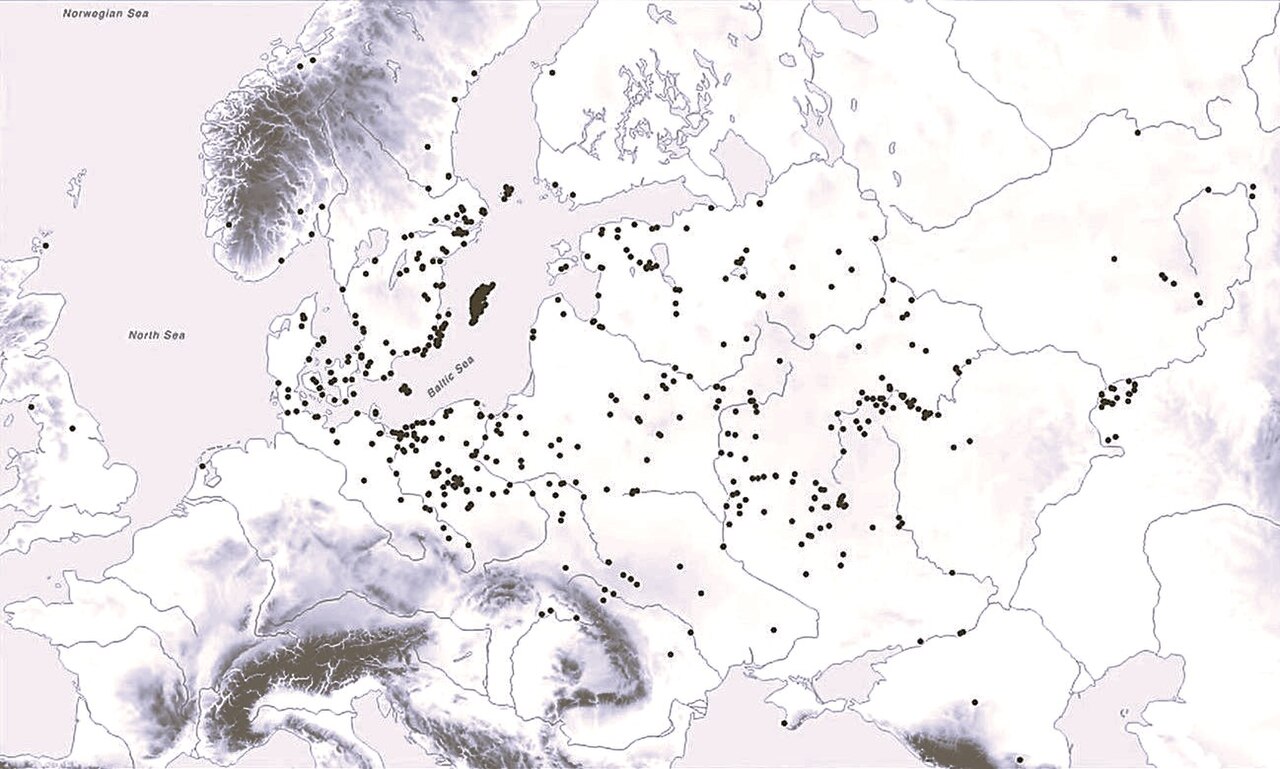 Document
Secondary source
Marek Jankowiak · 17 May 2024
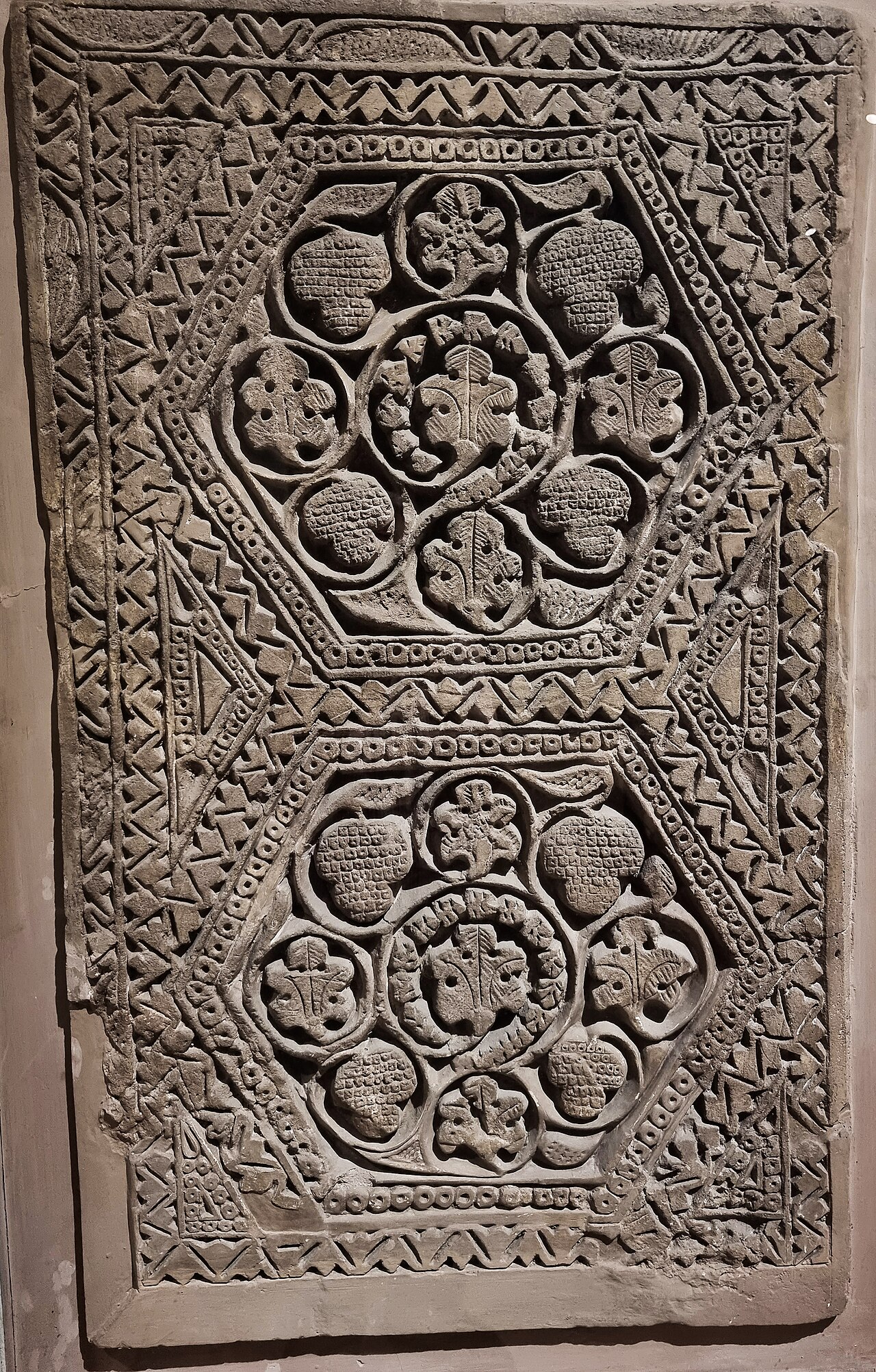 Artifact
Secondary source
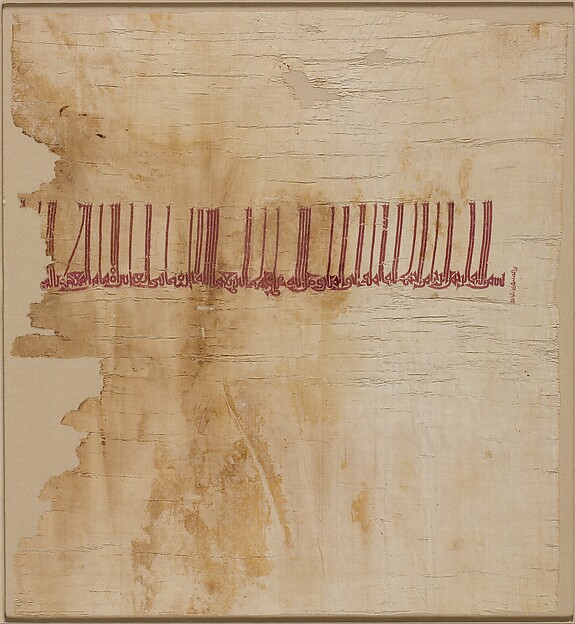 Artifact
Secondary source
c. 892-902
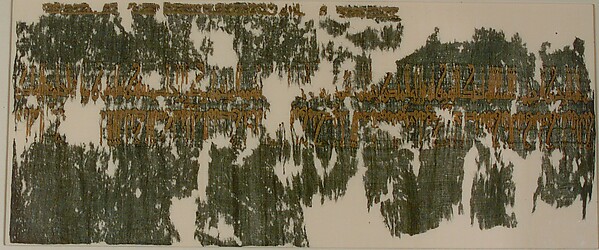 Artifact
Secondary source
dated 373 AH/983-984 CE
Want the full shelf? Chat with Caliph al-Mansur in the app and open the Sources panel — every quote links back to the original.
1 collection
A ready-made collection from the Humy team that features Caliph al-Mansur. Preview it, then try it free.
Paying customers



























Dr. Michael Calvert
Assistant Superintendent, South Allegheny School District, Pennsylvania
Been using Humy in his district since 2024
“We enjoyed the program last year and used it frequently.”

Jacob Chisom
World and American History, Monticello High School, Arkansas
Been using Humy in his classroom since 2024
“My students say it’s a welcome change of pace. I’m not a fan of the “sage on the stage” model, so I try to incorporate research-oriented and self-paced activities. With Humy, students have to take charge of their learning. They’ve become more adept at critical thinking, forming better questions, and improving their reading comprehension. The interview feature has been my go-to tool. I create assignments where students must ask historical figures a set number of questions, then summarize the responses to ensure they’re truly absorbing the material. This approach lets them actively explore the past rather than passively consuming information.”
Roger Campbell
7th-grade World History, Lancaster County, Pennsylvania
Been using Humy in his classroom since 2024
“Humy has helped me bring historical figures, sometimes long past, to life. When my students interact with these figures in real-time, it eliminates some of the perceived “ancient” characteristics of my curriculum. This has shifted my students’ thinking away from viewing history as abstract or irrelevant. Real-time interactions make historical figures relatable, even allowing students to ask off-topic questions that help put historical lives in a more relevant context for 13-year-olds. The feature I use the most is the interview feature. After teaching a topic, most recently Gandhi and Joan of Arc, I have the students ask pointed, focused questions. We practice good conversation techniques beforehand, teaching them to listen (or read) carefully and formulate thoughtful follow-up questions rather than just interrogating. It helps students practice effective conversation skills.”
Dr. Michael Calvert
Assistant Superintendent, South Allegheny School District, Pennsylvania
Been using Humy in his district since 2024
“We enjoyed the program last year and used it frequently.”
Jacob Chisom
World and American History, Monticello High School, Arkansas
Been using Humy in his classroom since 2024
“My students say it’s a welcome change of pace. I’m not a fan of the “sage on the stage” model, so I try to incorporate research-oriented and self-paced activities. With Humy, students have to take charge of their learning. They’ve become more adept at critical thinking, forming better questions, and improving their reading comprehension. The interview feature has been my go-to tool. I create assignments where students must ask historical figures a set number of questions, then summarize the responses to ensure they’re truly absorbing the material. This approach lets them actively explore the past rather than passively consuming information.”
Roger Campbell
7th-grade World History, Lancaster County, Pennsylvania
Been using Humy in his classroom since 2024
“Humy has helped me bring historical figures, sometimes long past, to life. When my students interact with these figures in real-time, it eliminates some of the perceived “ancient” characteristics of my curriculum. This has shifted my students’ thinking away from viewing history as abstract or irrelevant. Real-time interactions make historical figures relatable, even allowing students to ask off-topic questions that help put historical lives in a more relevant context for 13-year-olds. The feature I use the most is the interview feature. After teaching a topic, most recently Gandhi and Joan of Arc, I have the students ask pointed, focused questions. We practice good conversation techniques beforehand, teaching them to listen (or read) carefully and formulate thoughtful follow-up questions rather than just interrogating. It helps students practice effective conversation skills.”
FAQ
Like any LLM, the AI version of Caliph al-Mansur can get details wrong. Open one of these sources in a new tab to verify what you’ve read.

Caliph during the Islamic Golden Age.

Ismail Samani was an Amir of the Samanid dynasty, who became the amir in 892 and founded the Samanid Empire, which ruled Ancient Iran, parts of Central Asia and parts of Afghanistan.

Byzantine emperor known for his legal reforms and re-conquest of former Roman territories.

8th-century Iranian noble.

Second emperor of the Tang dynasty in China, known for his military campaigns and administrative reforms.

Empress of the Byzantine Empire.
Ready when you are
20 messages free · No credit card · Available in 50+ languages.