


Secondary sourcePaintingc. 1595-1600
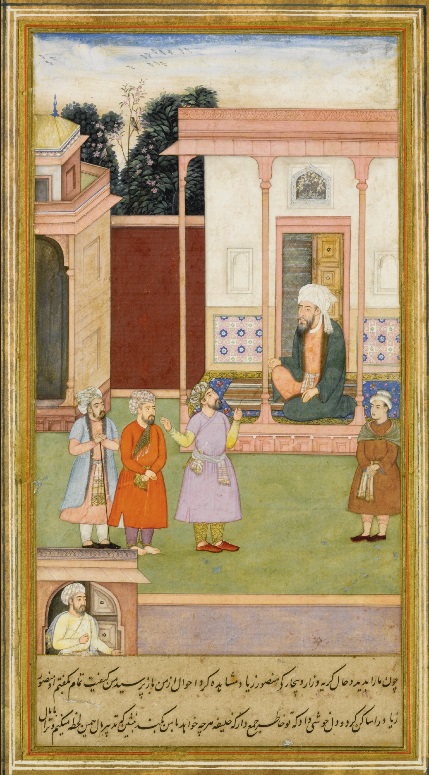
Mansur Brought Before Yahya Barmaki
c. 1595-1600
A Mughal-era painting from around 1595-1600 depicting al-Mansur at the court of the Barmakid family, created centuries after his reign.
This later Mughal painting imagines al-Mansur at court, showing how he was remembered centuries after his reign.
About this source
What it is
This gouache painting, made in India under the Mughal Empire around 1595-1600, illustrates a scene from the Akhbar-i Barmakiyan, a text about the Barmakid family who served the Abbasid caliphs. It shows al-Mansur being brought before Yahya Barmaki, a powerful courtier.
Why it matters
Though painted roughly 800 years after al-Mansur's reign, this image reveals how later generations in the Islamic world remembered and depicted the early Abbasid court. It highlights the importance of the Barmakid family, who are the real focus of the text it illustrates, in Abbasid history.
Look closer
- Why might Mughal artists be interested in illustrating stories from the early Abbasid court centuries later?
- What details in the clothing, setting, and gestures suggest status and power?
- How reliable do you think this image is as evidence of what al-Mansur's court actually looked like?
This painting is part of the curated material that grounds the AI version of Caliph al-Mansur on Humy.ai — when students ask about related events, the AI can quote it and cite it.
More Caliph al-Mansur sources
Meet the AI Caliph al-Mansur →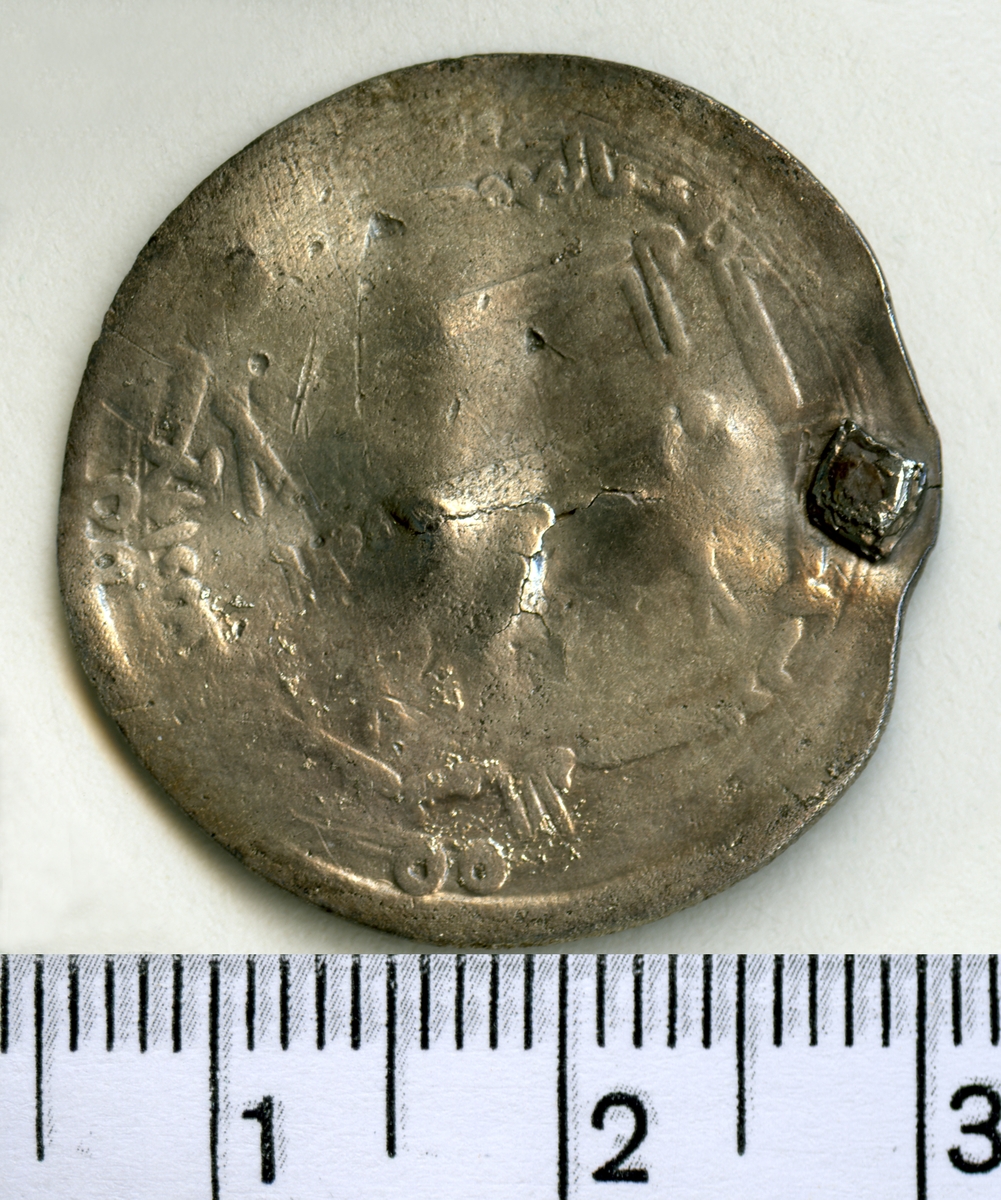 Artifact
Primary source
Coins of the Abbasid Caliphate Issued under al-Mansur
8th century, during al-Mansur's reign (754-775)
 Book
Secondary source
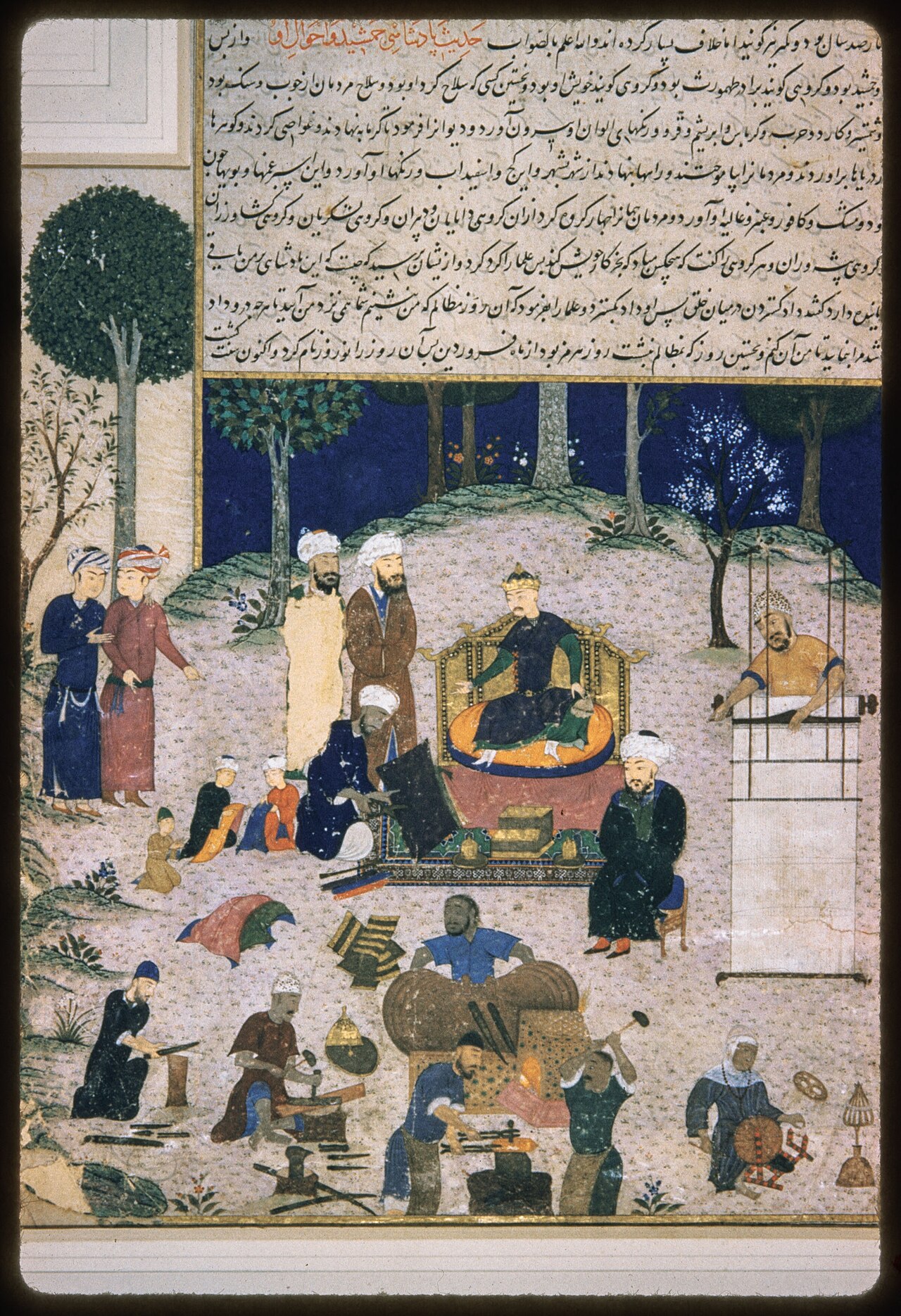
History of the Prophets and Kings
Muhammad ibn Jarir al-Tabari · completed 915 AD
 Artifact
Secondary source
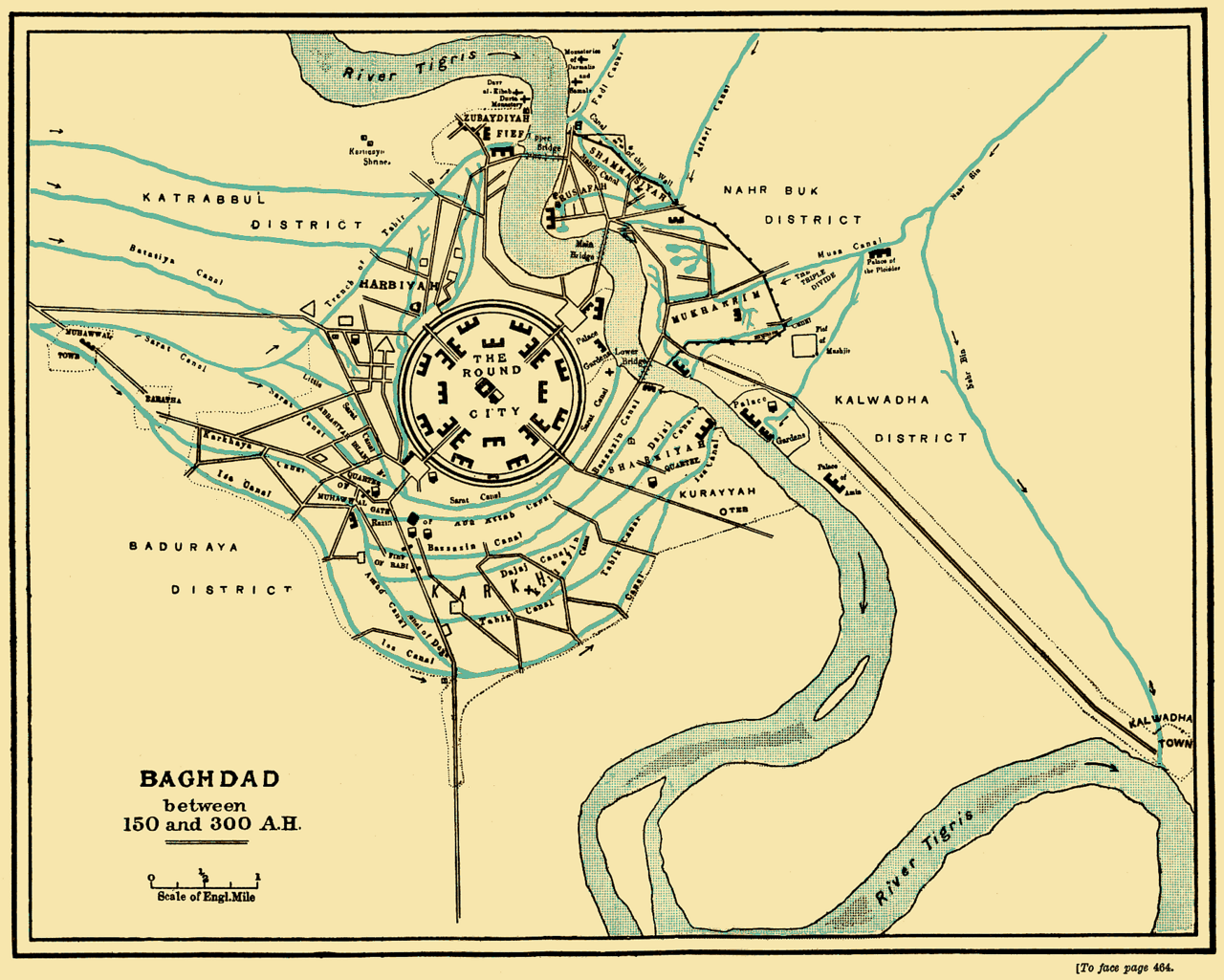
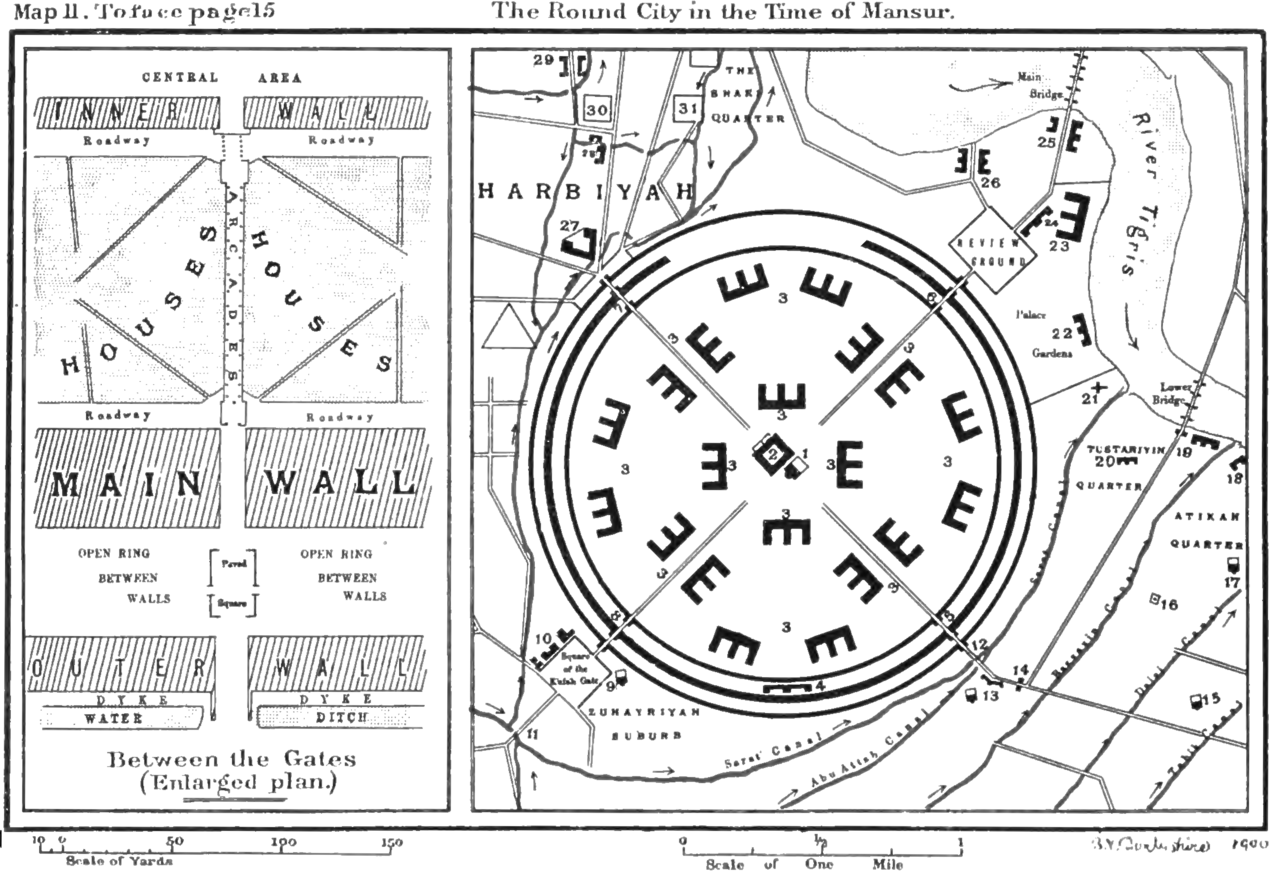
Round City of Baghdad
762–766
 Artifact
Secondary source
Palace of the Golden Gate
763
 Book
Secondary source
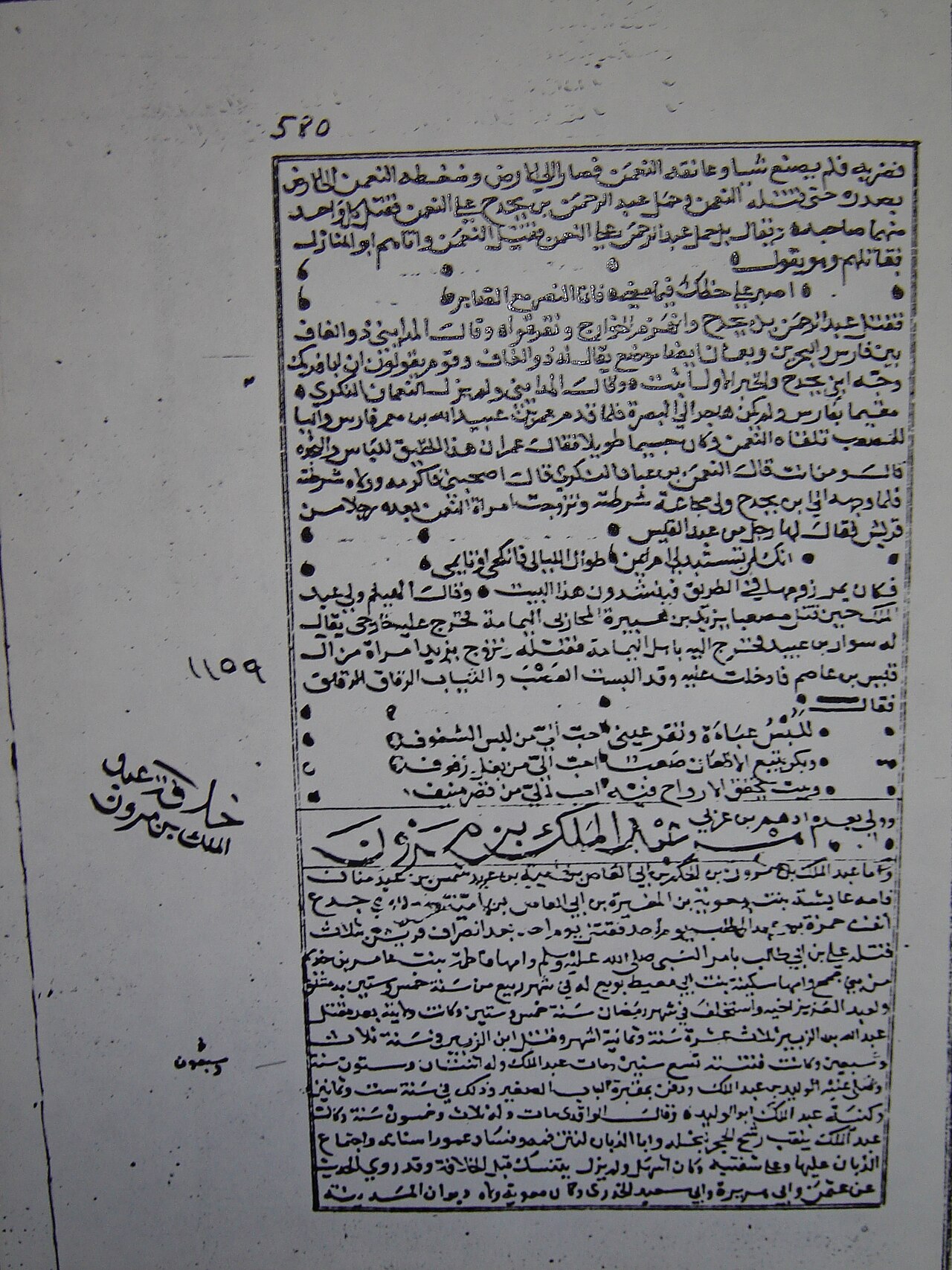
Genealogies of the Nobles
Al-Baladhuri
Ready when you are
Start chatting with Caliph al-Mansur now.
20 messages free · No credit card · Available in 50+ languages.