


Secondary sourcePainting1598
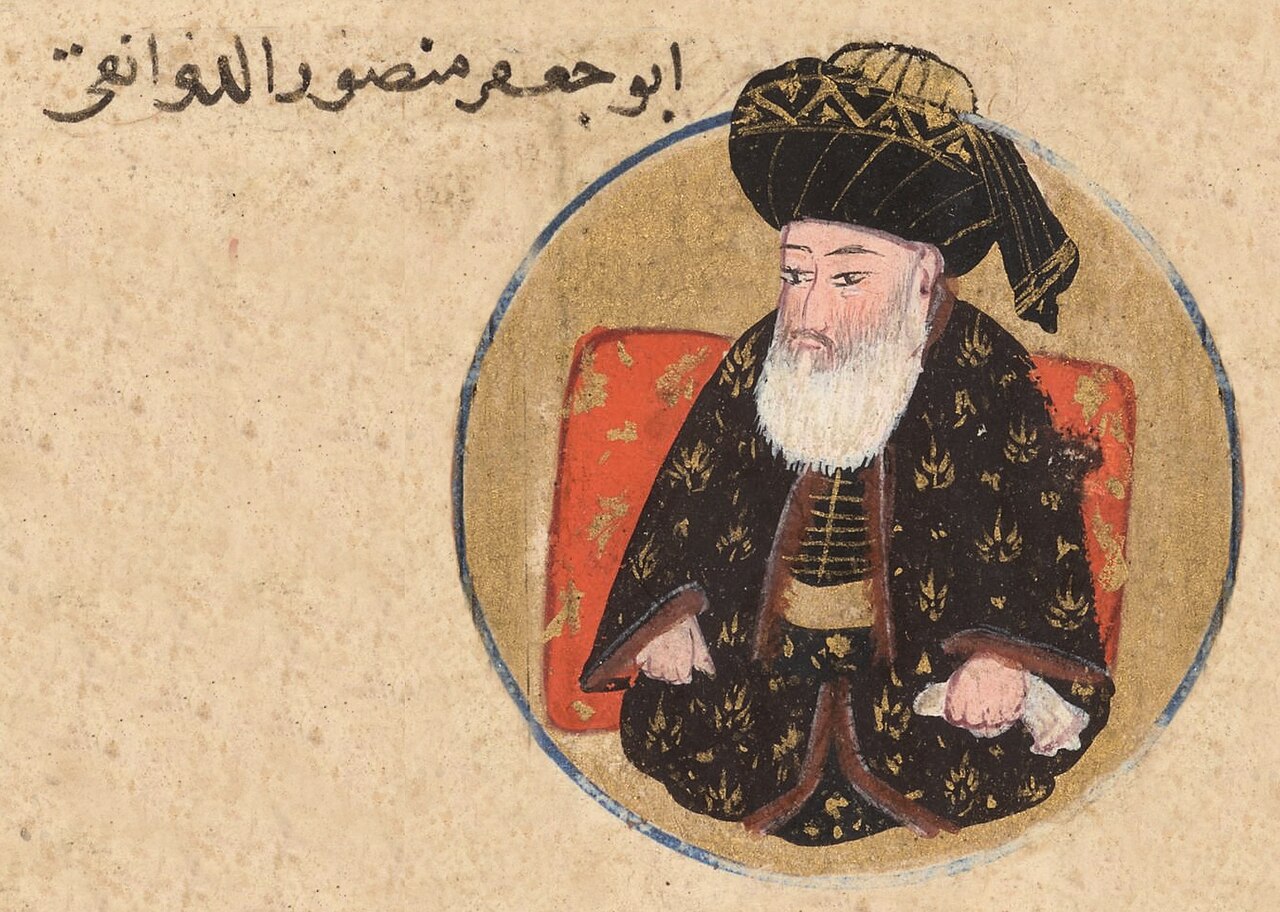
Portrait of Al-Mansur
1598
An imagined Ottoman miniature portrait of al-Mansur, painted centuries after his death as part of a dynastic genealogy.
This later Ottoman miniature imagines al-Mansur's likeness as part of a dynastic genealogy of caliphs.
About this source
What it is
This miniature painting shows a bearded man in a black turban and dark robe, seated on a red cushion within a gold circle, labelled as the Abbasid Caliph al-Mansur. It comes from an Ottoman genealogical manuscript called the Cream of Histories, made in 1598, long after al-Mansur's lifetime.
Why it matters
No portrait of al-Mansur was made during his own lifetime, so this image reflects how a much later Ottoman court imagined and honoured him as a founding figure of the Abbasid dynasty. Genealogies like this one were created to connect later Islamic rulers to earlier caliphs, showing how historical memory of figures like al-Mansur was shaped and reused by later generations.
Look closer
- Since this was painted over 800 years after al-Mansur died, what can and can't it tell us about his real appearance?
- Why might an Ottoman court in 1598 want to include a portrait of an early Abbasid caliph in a genealogy?
- What choices did the painter make in clothing and setting, and what might these choices be meant to say?
This painting is part of the curated material that grounds the AI version of Caliph al-Mansur on Humy.ai — when students ask about related events, the AI can quote it and cite it.
More Caliph al-Mansur sources
Meet the AI Caliph al-Mansur →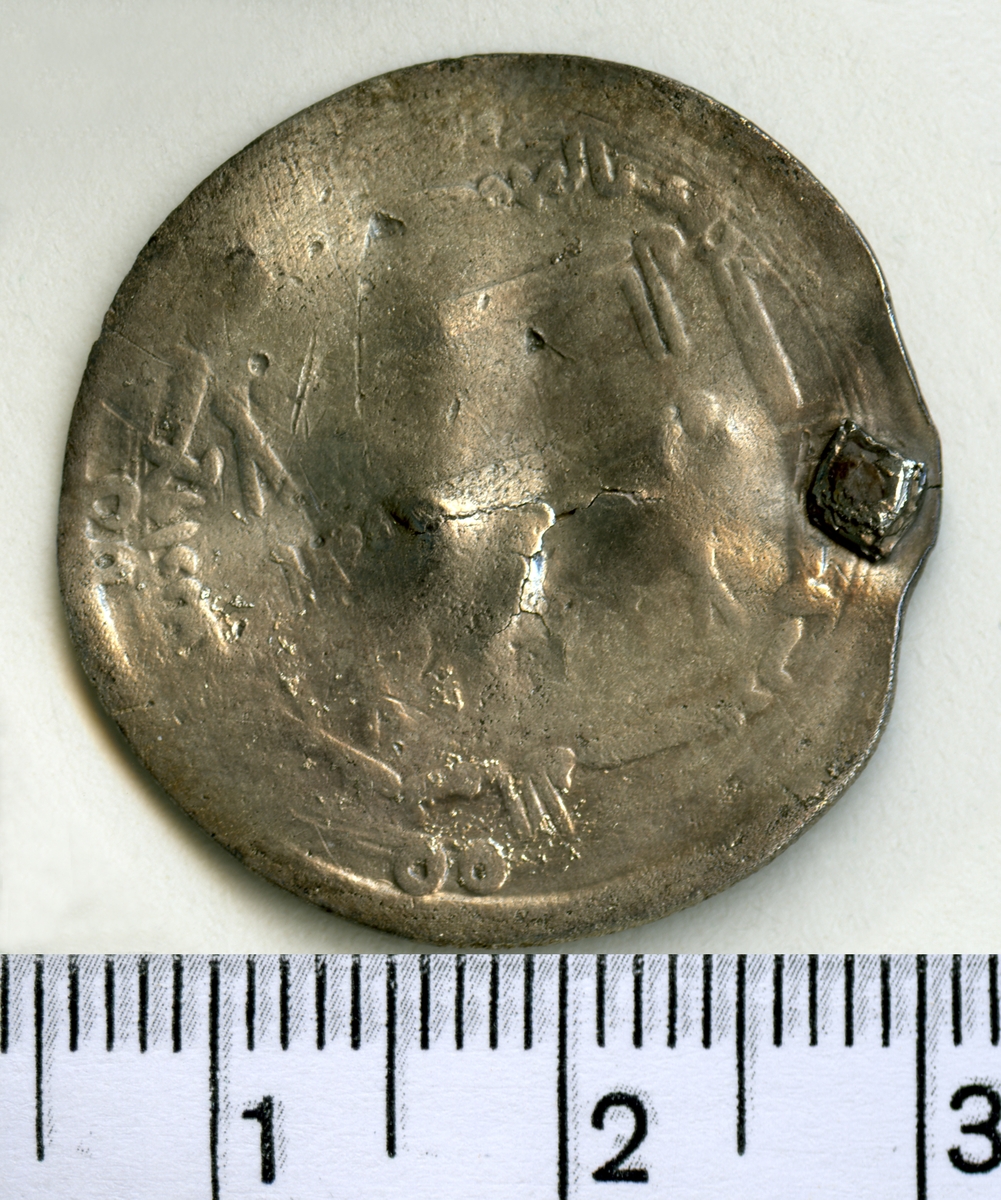 Artifact
Primary source
Coins of the Abbasid Caliphate Issued under al-Mansur
8th century, during al-Mansur's reign (754-775)
 Book
Secondary source
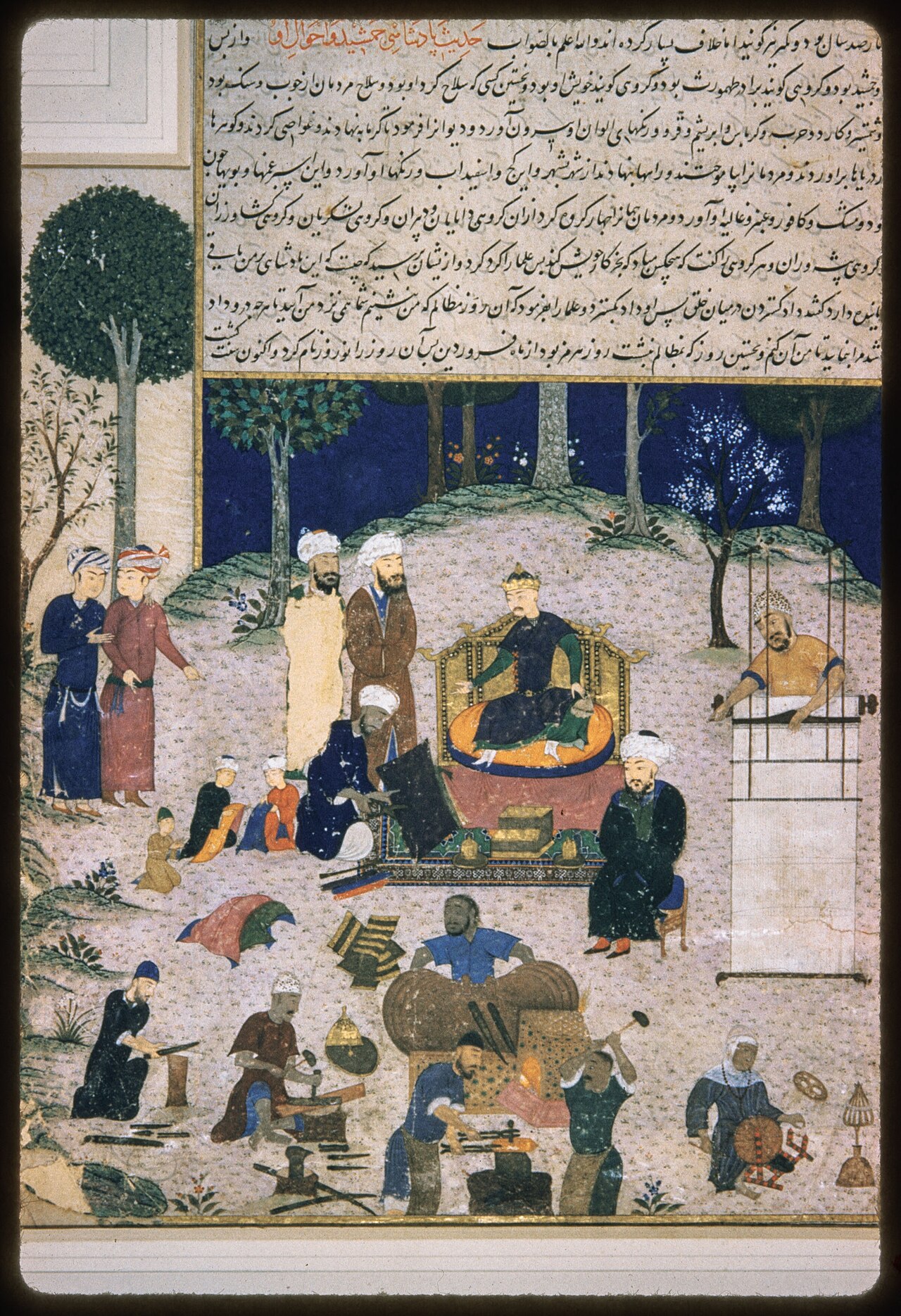
History of the Prophets and Kings
Muhammad ibn Jarir al-Tabari · completed 915 AD
 Artifact
Secondary source
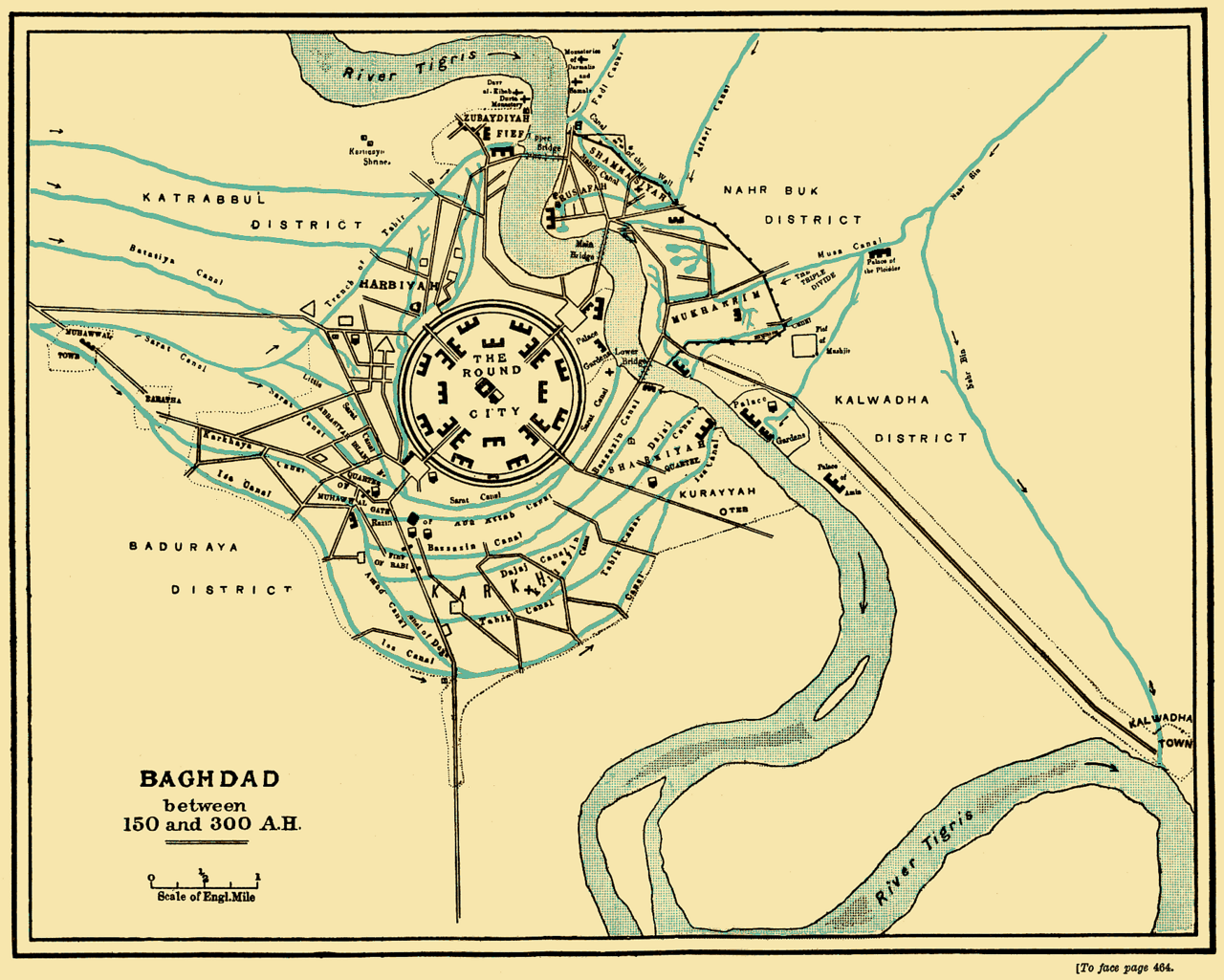
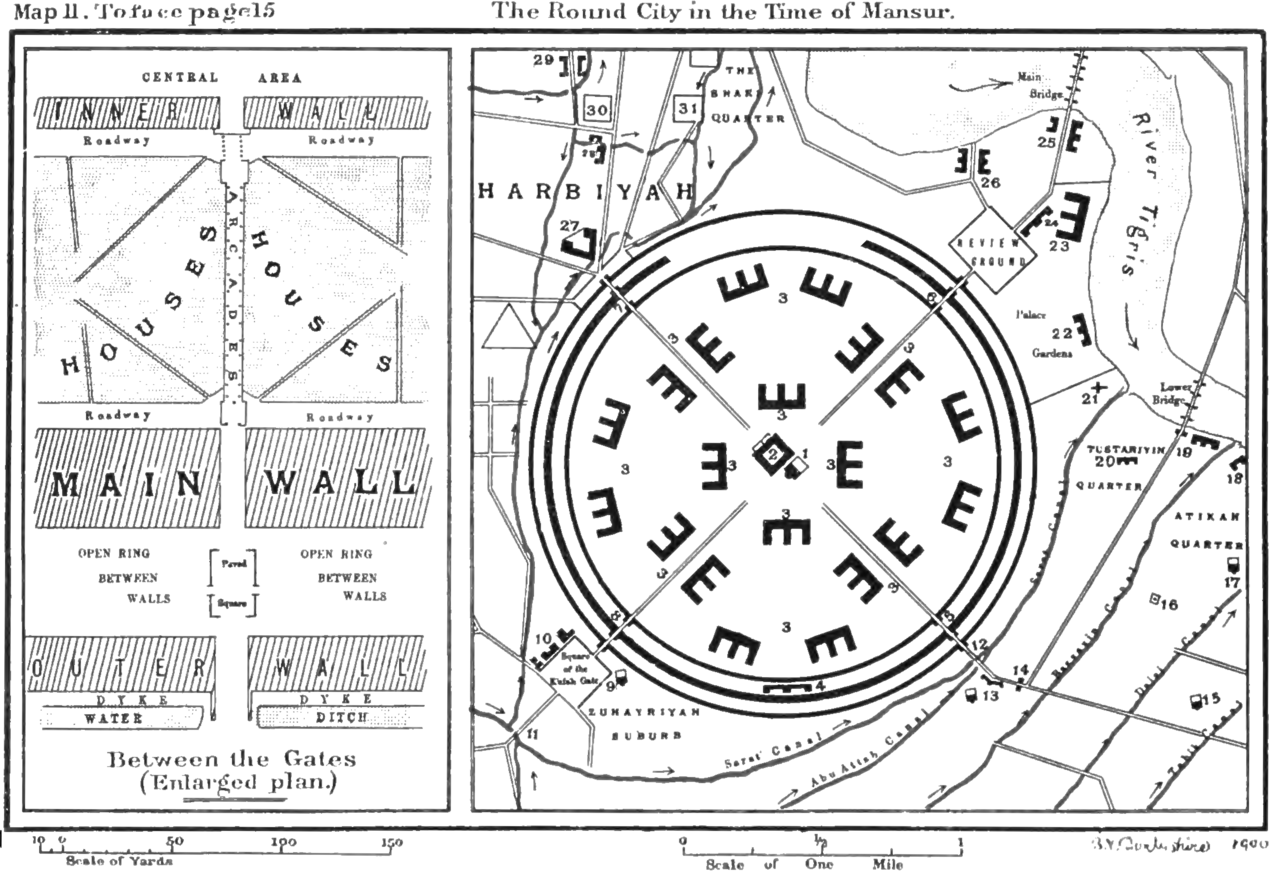
Round City of Baghdad
762–766
 Artifact
Secondary source
Palace of the Golden Gate
763
 Book
Secondary source
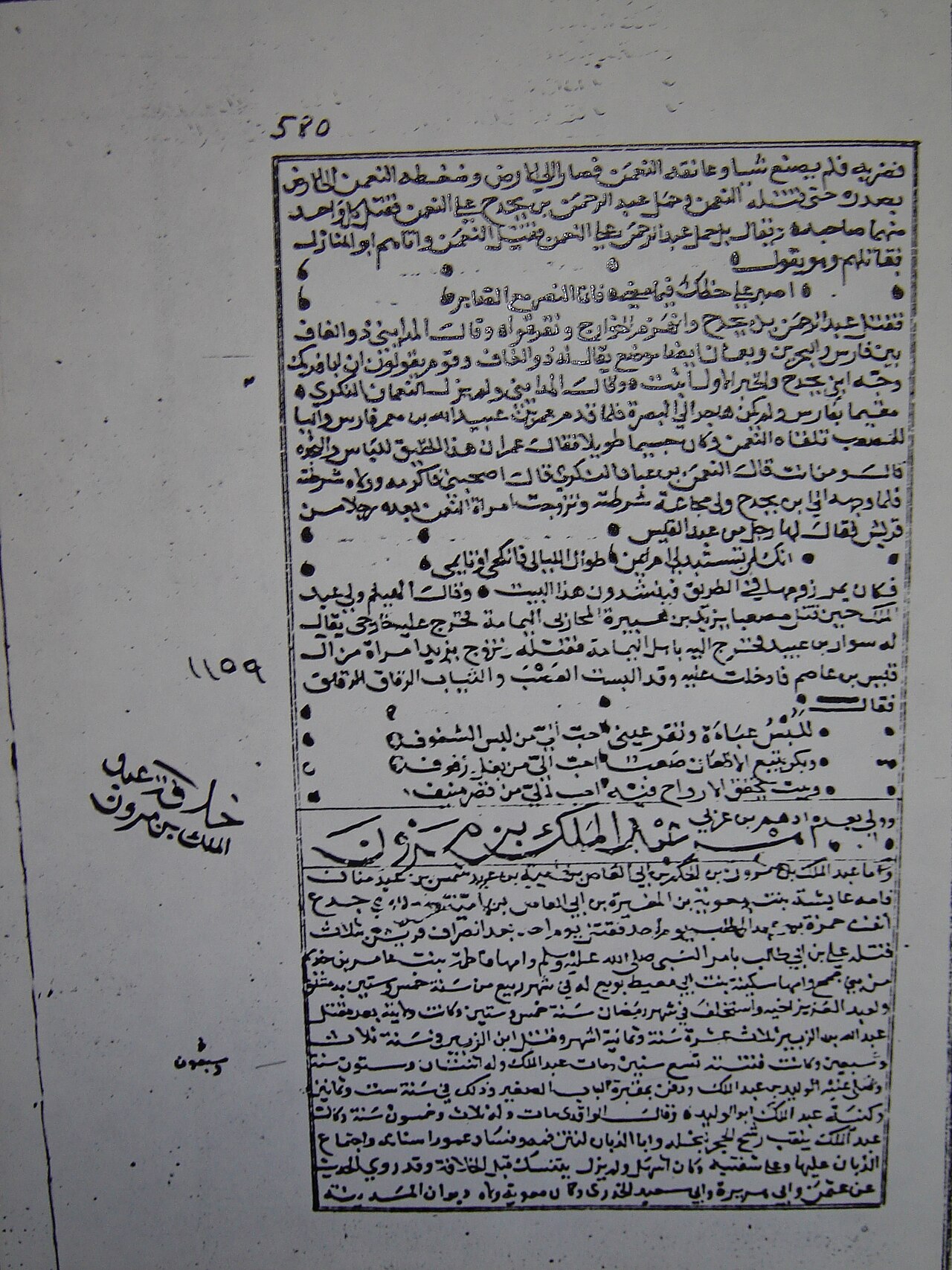
Genealogies of the Nobles
Al-Baladhuri
Ready when you are
Start chatting with Caliph al-Mansur now.
20 messages free · No credit card · Available in 50+ languages.