


Primary sourceArtifactAH 153 / AD 770-771
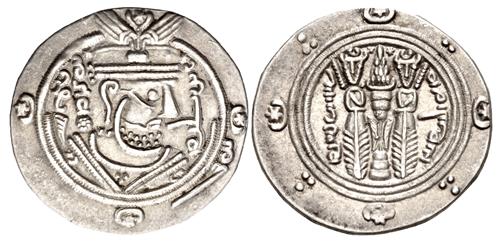
Hemidrachm of Khalid ibn Barmak, AH 153
AH 153 / AD 770-771
A silver coin minted at Tabaristan under al-Mansur's caliphate, issued by his official Khalid ibn Barmak.
This coin was minted under al-Mansur's caliphate, showing the administration and officials of his reign.
About this source
What it is
This silver hemidrachm coin was minted at Tabaristan in AH 153/154 (AD 770/771), during the reign of the Abbasid caliph al-Mansur. It was issued under the authority of Khalid ibn Barmak, a notable administrator of the time, and follows a Sassanian-style design with a crowned bust and a fire altar.
Why it matters
This coin shows how the Abbasid caliphate adapted earlier Persian (Sassanian) imagery and administrative practices in regions like Tabaristan. It also highlights the role of officials like Khalid ibn Barmak, whose family would later become powerful in Abbasid politics.
Look closer
- Why might a coin issued under an Islamic caliph use Sassanian-style imagery?
- What does the inclusion of a named official like Khalid ibn Barmak suggest about regional administration?
- What can the coin's wear and design tell us about its circulation and purpose?
This artifact is part of the curated material that grounds the AI version of Caliph al-Mansur on Humy.ai — when students ask about related events, the AI can quote it and cite it.
More Caliph al-Mansur sources
Meet the AI Caliph al-Mansur →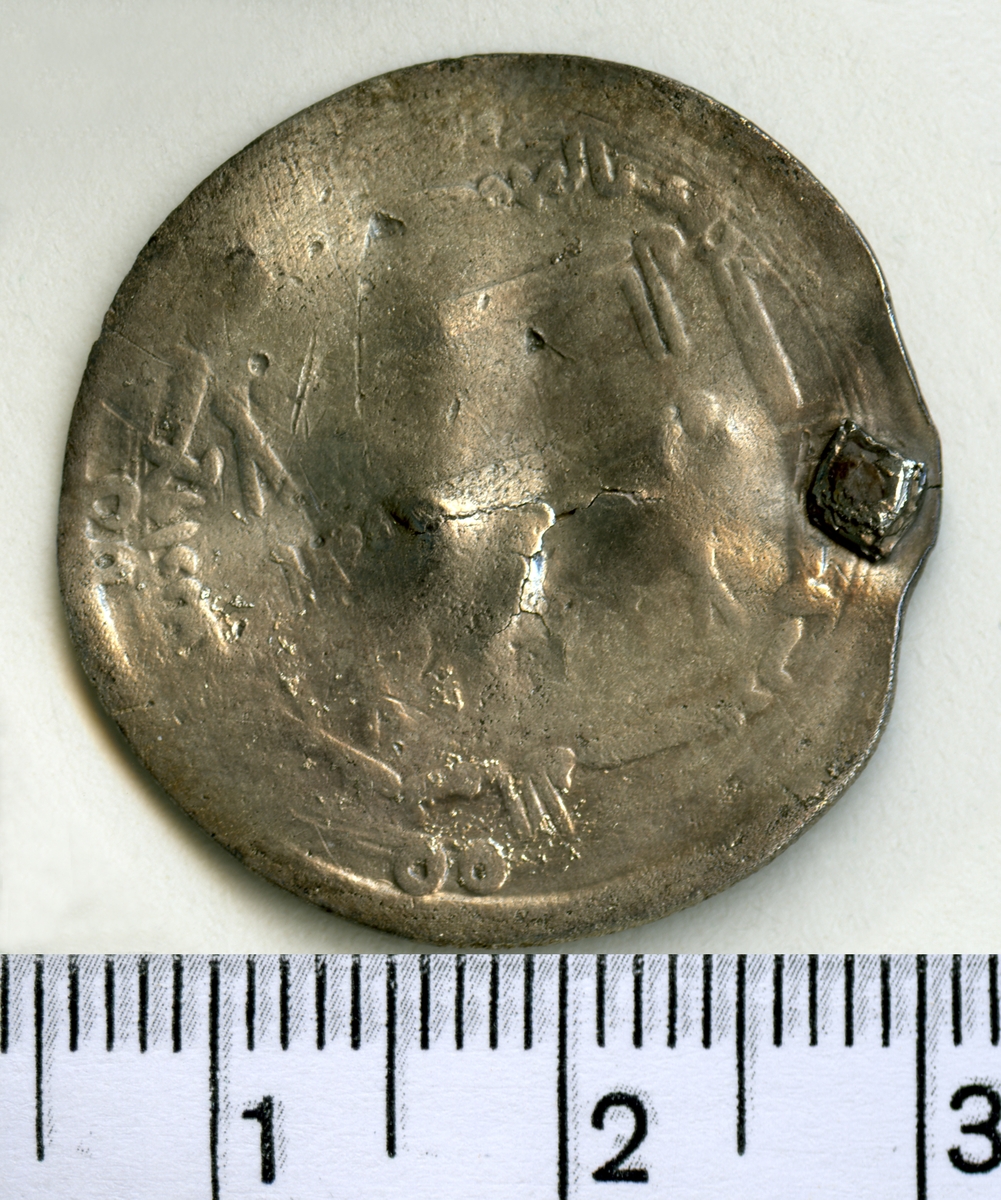 Artifact
Primary source
Coins of the Abbasid Caliphate Issued under al-Mansur
8th century, during al-Mansur's reign (754-775)
 Book
Secondary source
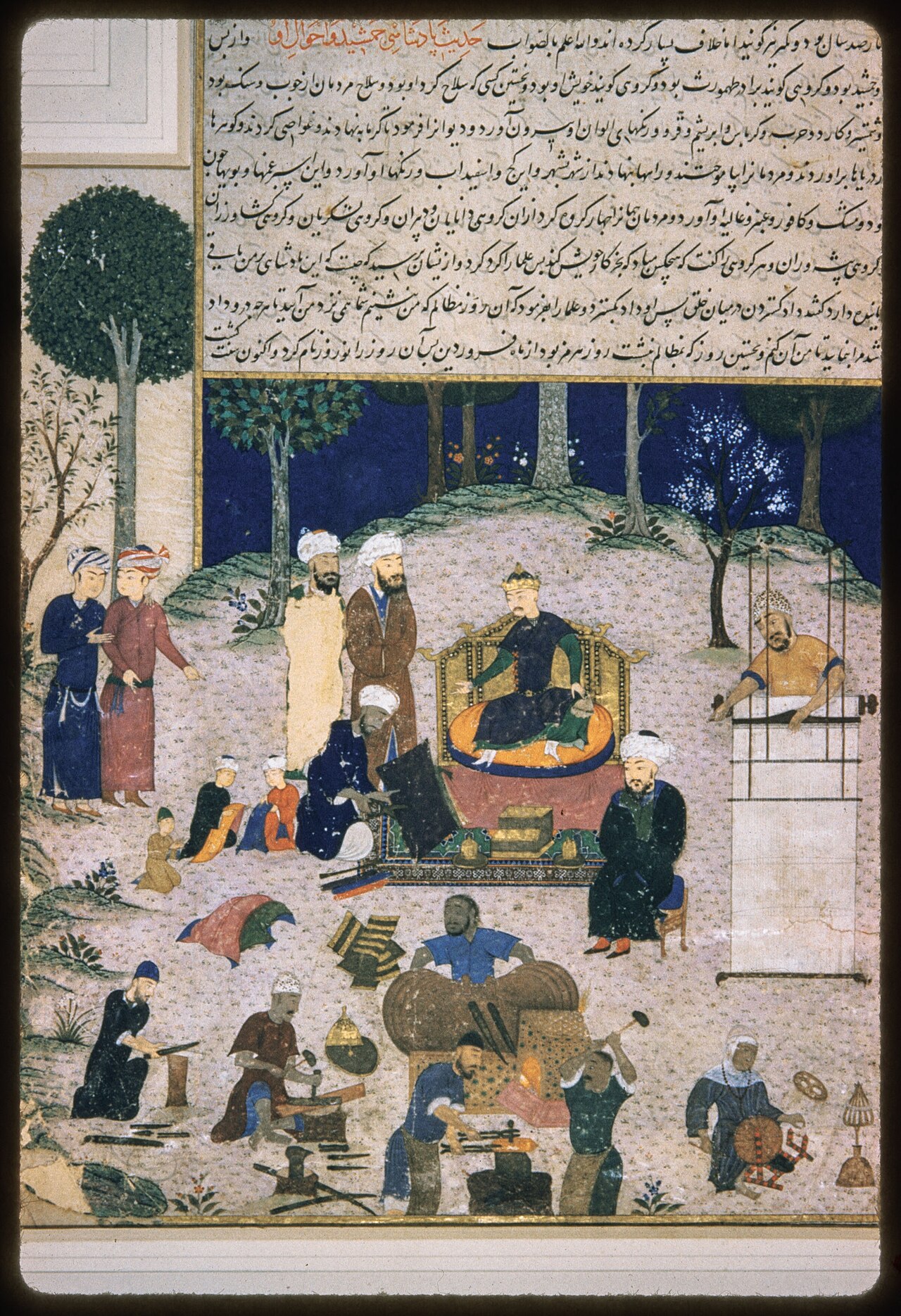
History of the Prophets and Kings
Muhammad ibn Jarir al-Tabari · completed 915 AD
 Artifact
Secondary source
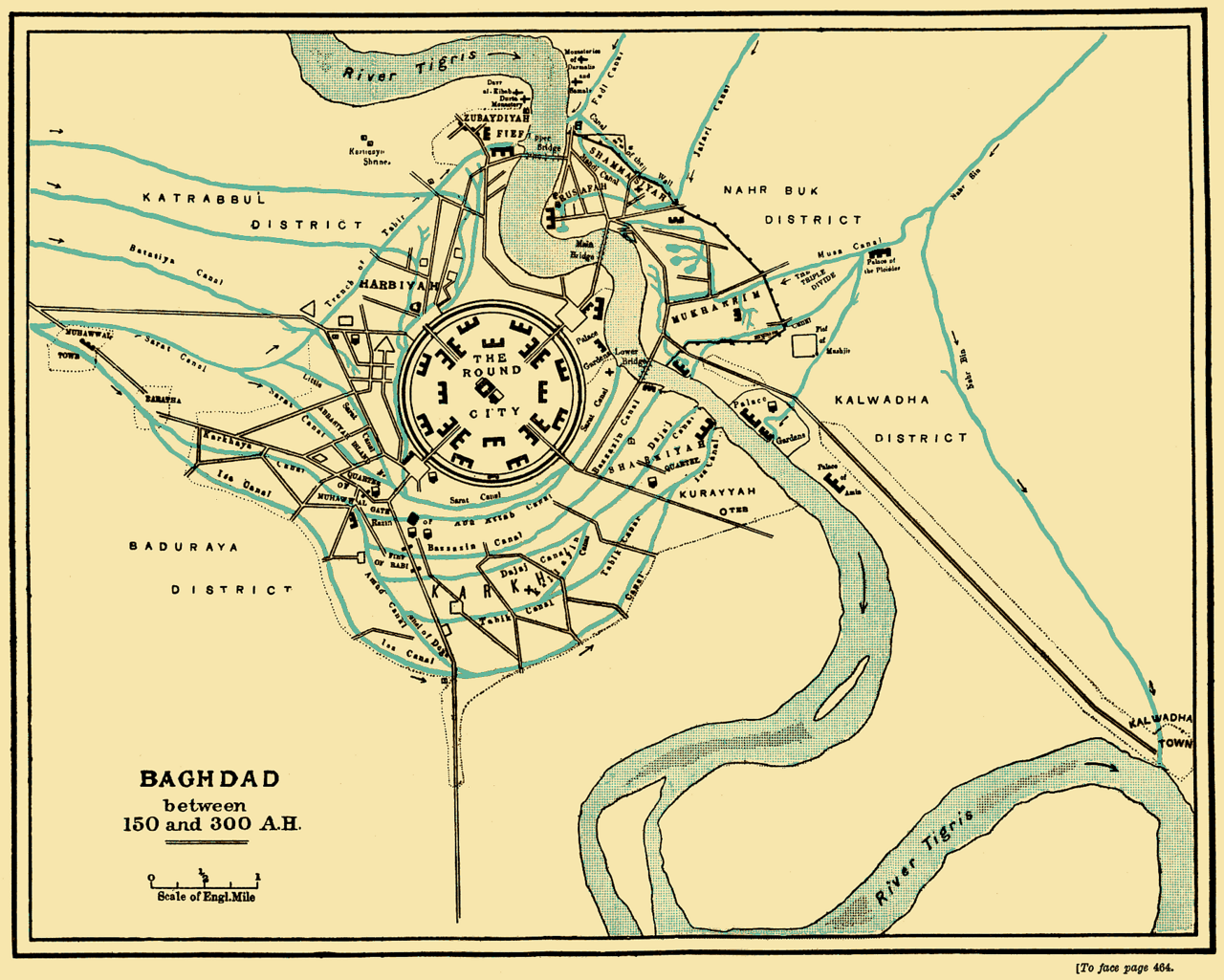
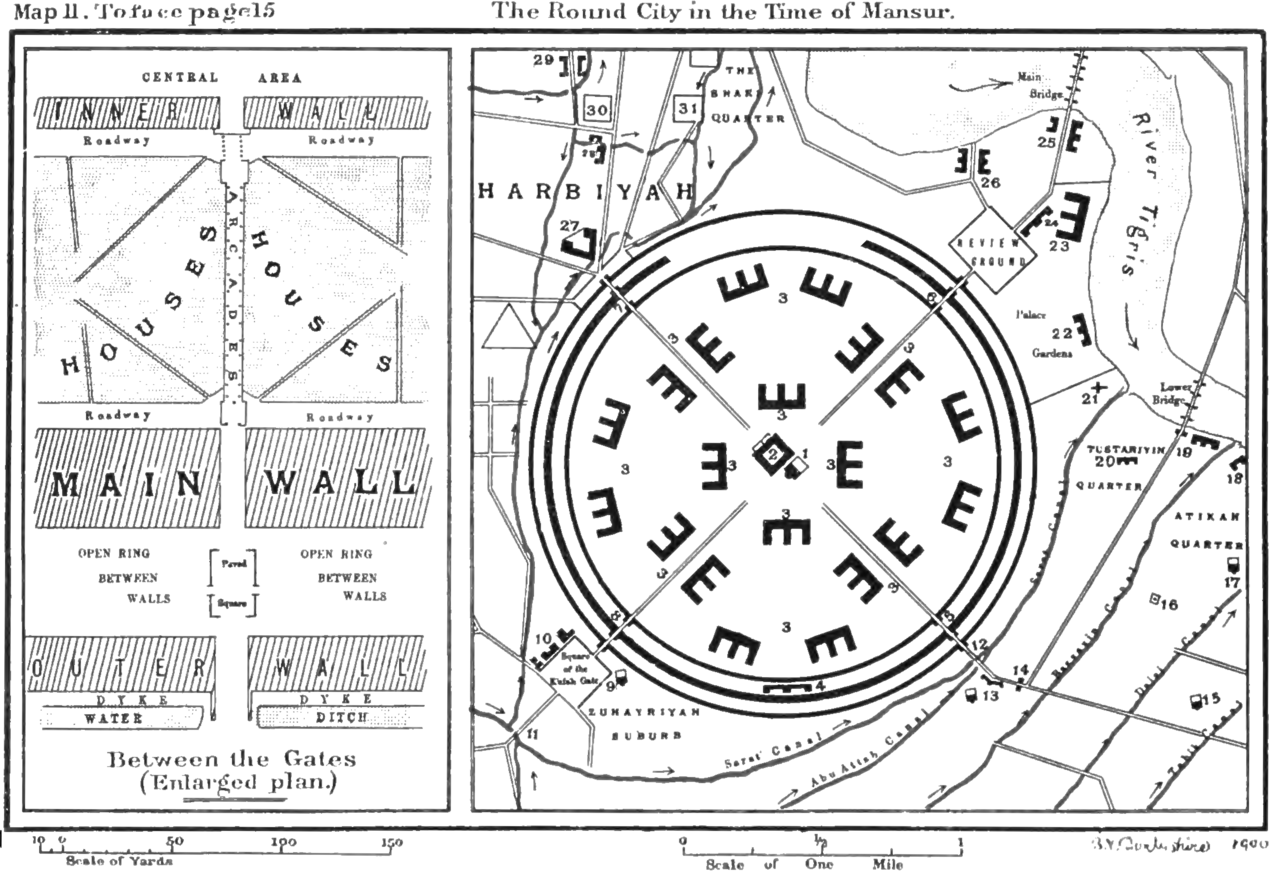
Round City of Baghdad
762–766
 Artifact
Secondary source
Palace of the Golden Gate
763
 Book
Secondary source
Genealogies of the Nobles
Al-Baladhuri
Ready when you are
Start chatting with Caliph al-Mansur now.
20 messages free · No credit card · Available in 50+ languages.