


Secondary sourceArtifactc. 892-902
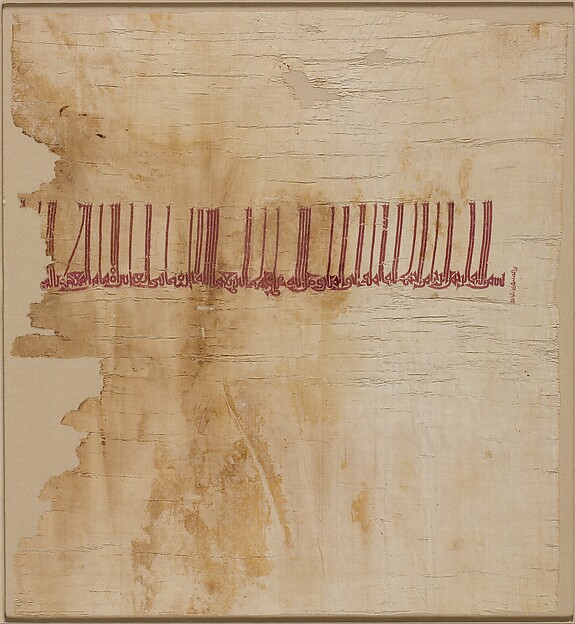
Tiraz Textile Fragment
c. 892-902
A fragment of an Abbasid-era inscribed textile made in a state workshop, showing the kind of court culture that developed within the dynasty al-Mansur founded.
An Abbasid state textile product showing the court culture that grew out of the dynasty al-Mansur established.
About this source
What it is
This is a fragment of a tiraz textile, made from silk and cotton with embroidered Kufic-style script, dating to about 892-902. It is held at The Metropolitan Museum of Art, a gift of George D. Pratt in 1931.
Why it matters
Tiraz textiles were produced in official Abbasid workshops, often bearing inscriptions naming rulers or officials, and were used as gifts or signs of status. This fragment shows the continuation of Abbasid court textile traditions in the centuries after al-Mansur founded the dynasty.
Look closer
- What does the inscription style tell you about the skill of the workshop that made this?
- Why might a ruling dynasty use textiles with writing as tools of power or prestige?
- What is missing from this fragment that might help us read its full message?
This artifact is part of the curated material that grounds the AI version of Caliph al-Mansur on Humy.ai — when students ask about related events, the AI can quote it and cite it.
More Caliph al-Mansur sources
Meet the AI Caliph al-Mansur →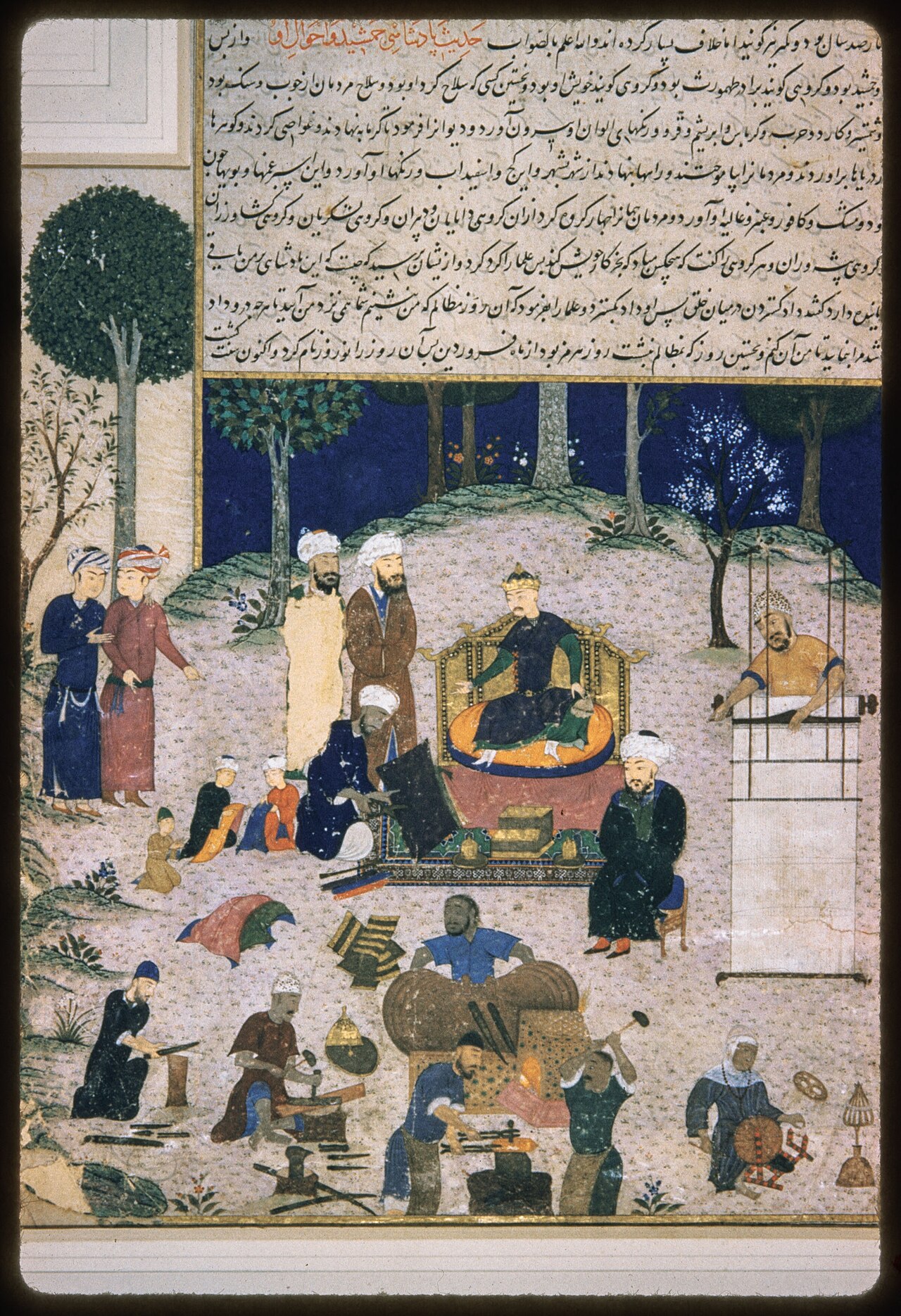 Book
Secondary source
History of the Prophets and Kings
Muhammad ibn Jarir al-Tabari · completed 915 AD
 Artifact
Secondary source
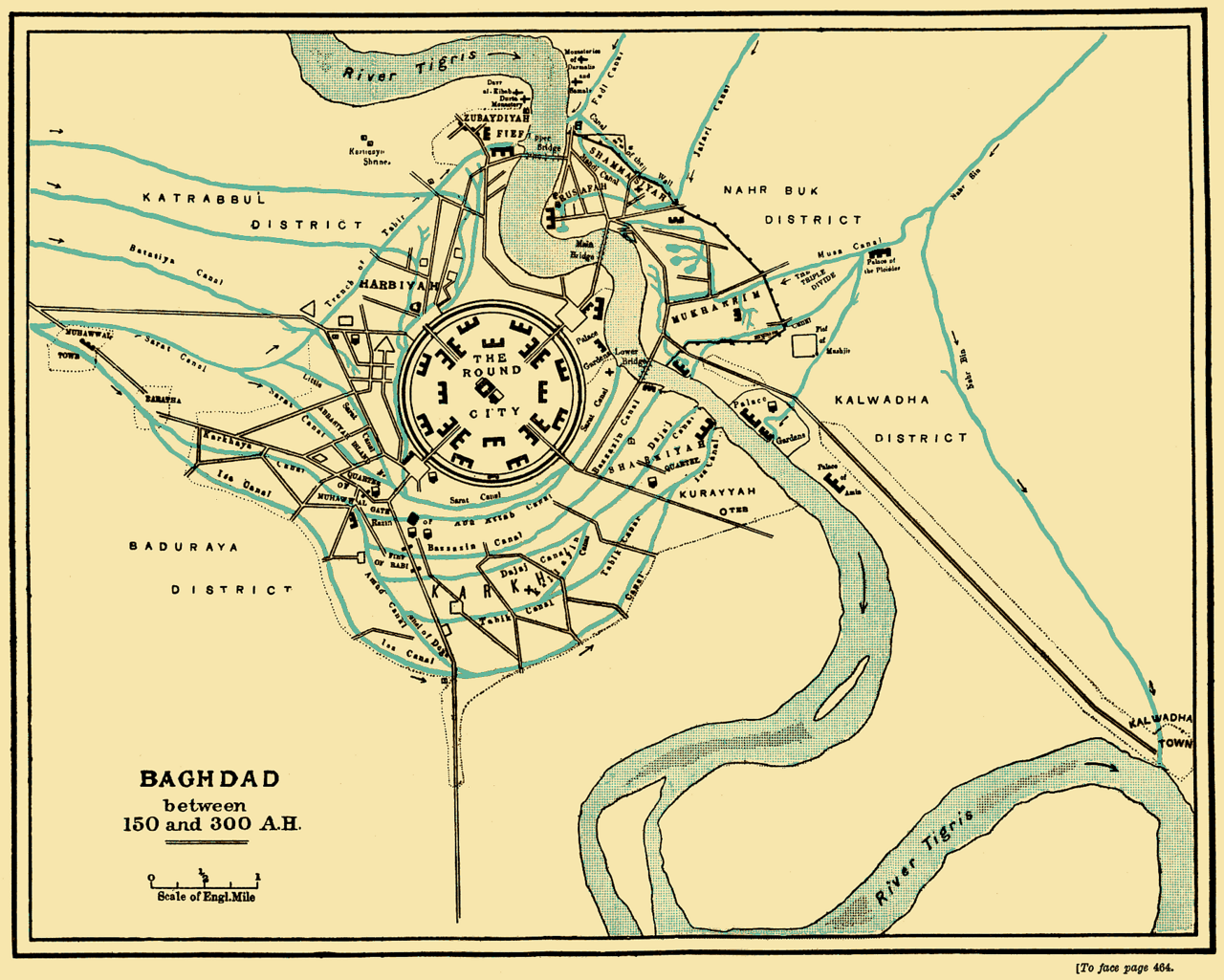
Round City of Baghdad
762–766
 Artifact
Secondary source
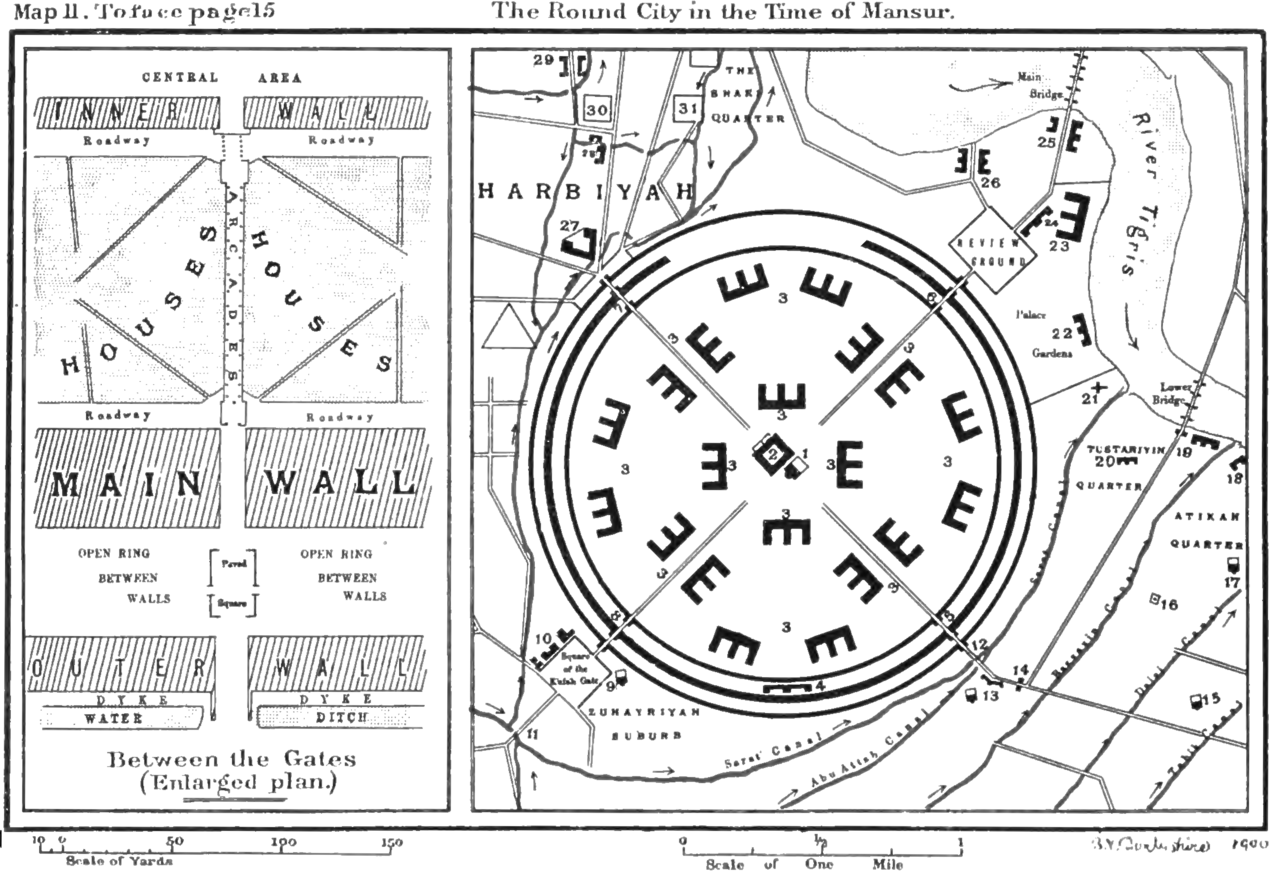
Palace of the Golden Gate
763
 Book
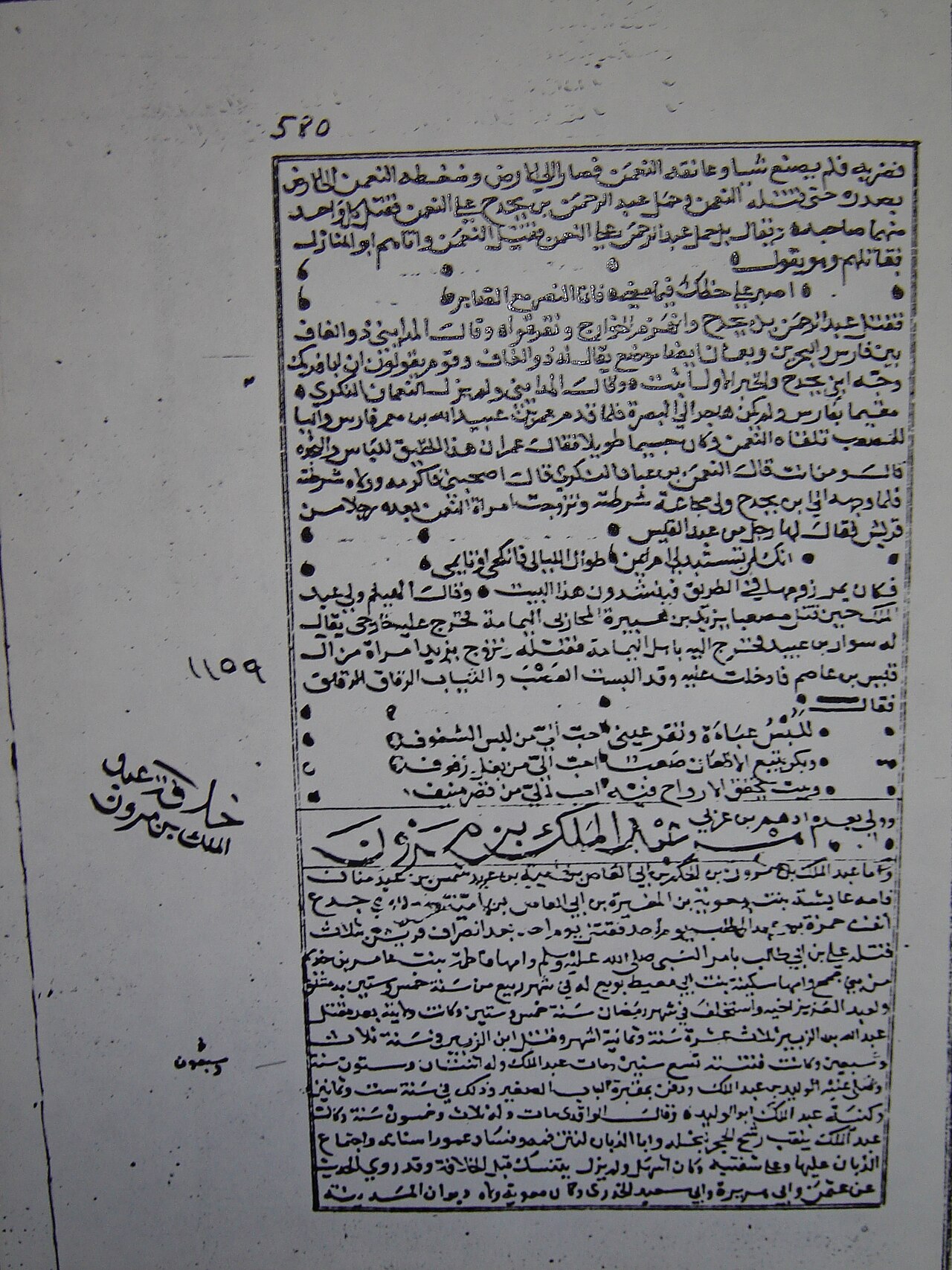
Secondary source
Genealogies of the Nobles
Al-Baladhuri
 Book
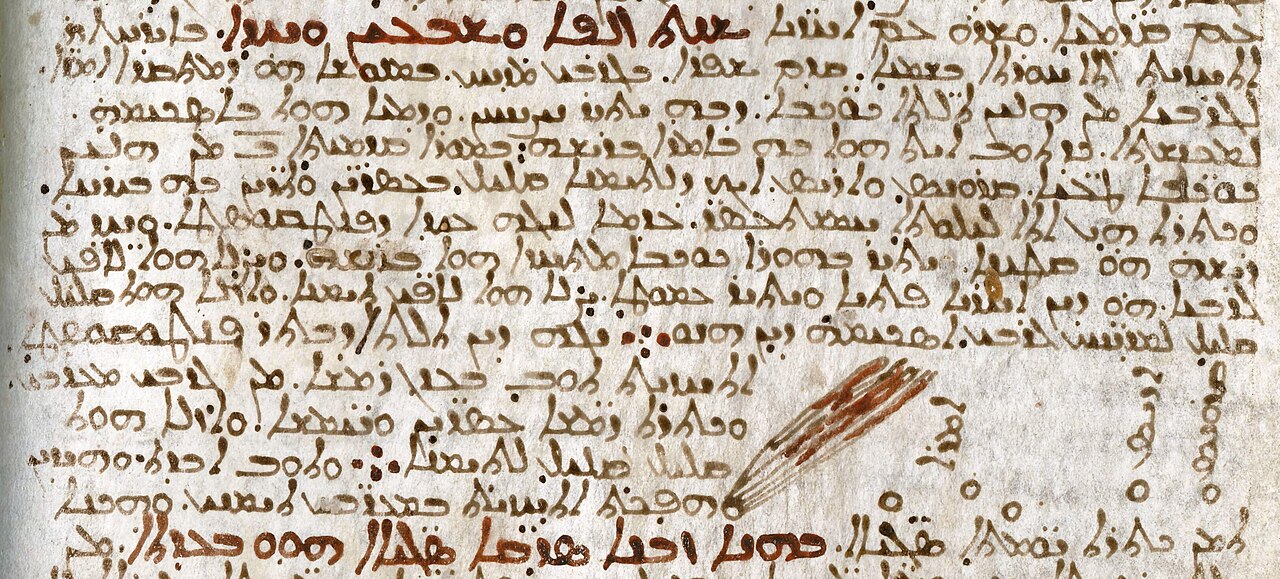
Primary source
Zuqnin Chronicle
Pseudo-Dionysius of Tel-Maḥrē · completed c. 775
Ready when you are
Start chatting with Caliph al-Mansur now.
20 messages free · No credit card · Available in 50+ languages.