


Secondary sourceArtifact775 AD
Al-Ukhaidir Fortress
775 AD
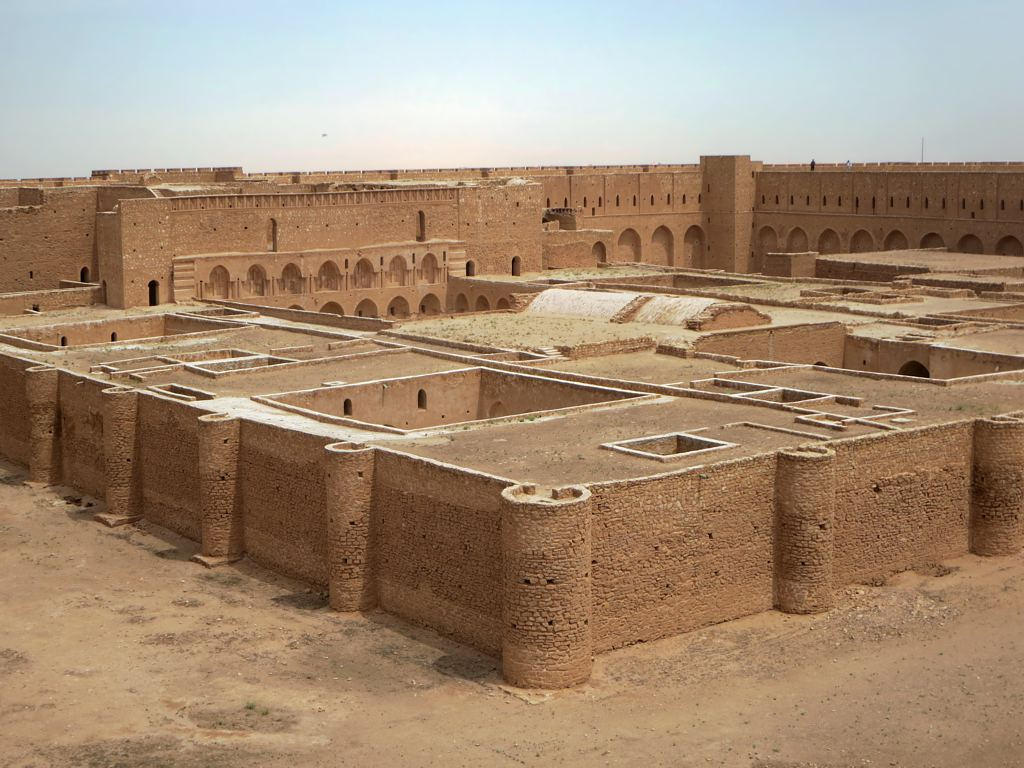
A large early Abbasid palace-fortress in Iraq, traditionally linked to al-Mansur's nephew, giving a sense of the lost palace architecture of his era.
Built by al-Mansur's nephew, this fortress reflects the architectural world and family of his Abbasid court.
About this source
What it is
Al-Ukhaidir is a large rectangular fortress in the Iraqi desert south of Karbala. It was built in 775 AD and is traditionally attributed to Isa ibn Musa, nephew of the Abbasid caliph al-Mansur. It was studied in the early 20th century by the archaeologist Gertrude Bell, who wrote the first major report on the site.
Why it matters
Al-Mansur himself built the great Round City of Baghdad, but almost nothing of it survives today. Al-Ukhaidir, built by a member of his family in the same period, is one of the best-preserved examples of early Abbasid palace architecture. It helps historians imagine what al-Mansur's lost capital might have looked like, and shows the scale and style the Abbasid dynasty built in.
Look closer
- What does the thick, defensive design of the walls suggest about the political situation at the time?
- Why might a palace built for comfort also need to function as a fortress?
- What is missing from the ruins today that might have once existed, like decoration or furnishings?
This artifact is part of the curated material that grounds the AI version of Caliph al-Mansur on Humy.ai — when students ask about related events, the AI can quote it and cite it.
More Caliph al-Mansur sources
Meet the AI Caliph al-Mansur →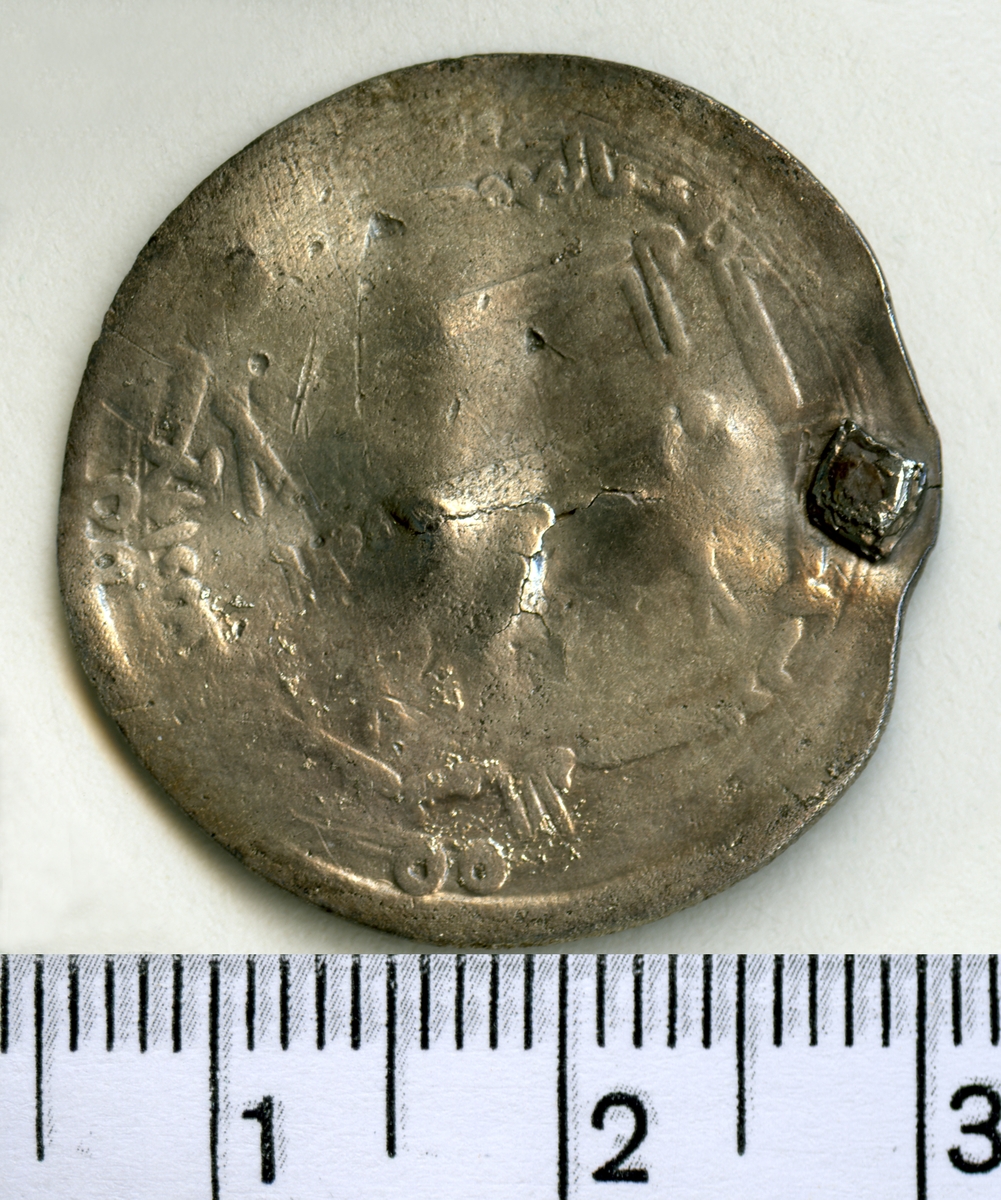 Artifact
Primary source
Coins of the Abbasid Caliphate Issued under al-Mansur
8th century, during al-Mansur's reign (754-775)
 Book
Secondary source
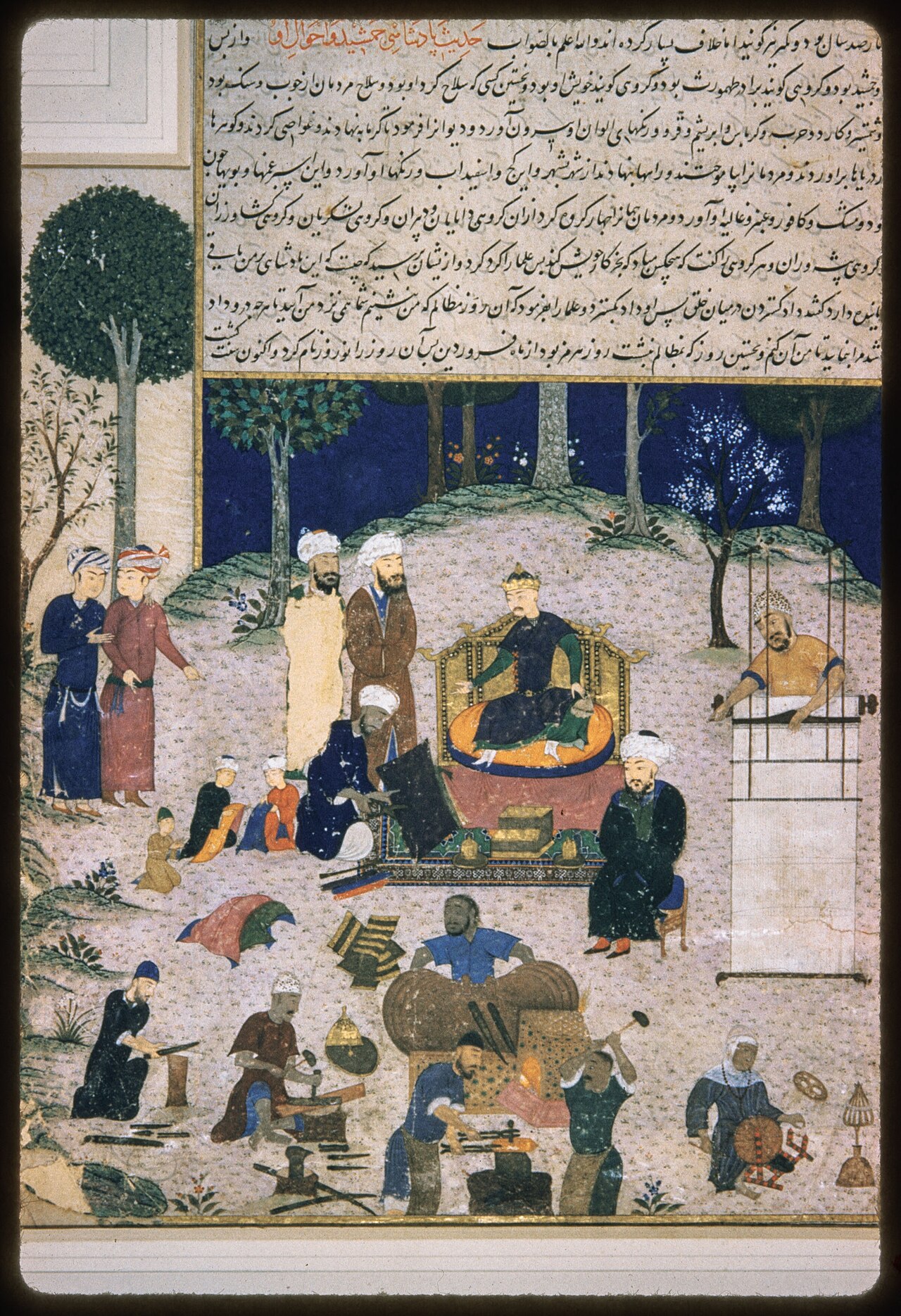
History of the Prophets and Kings
Muhammad ibn Jarir al-Tabari · completed 915 AD
 Artifact
Secondary source
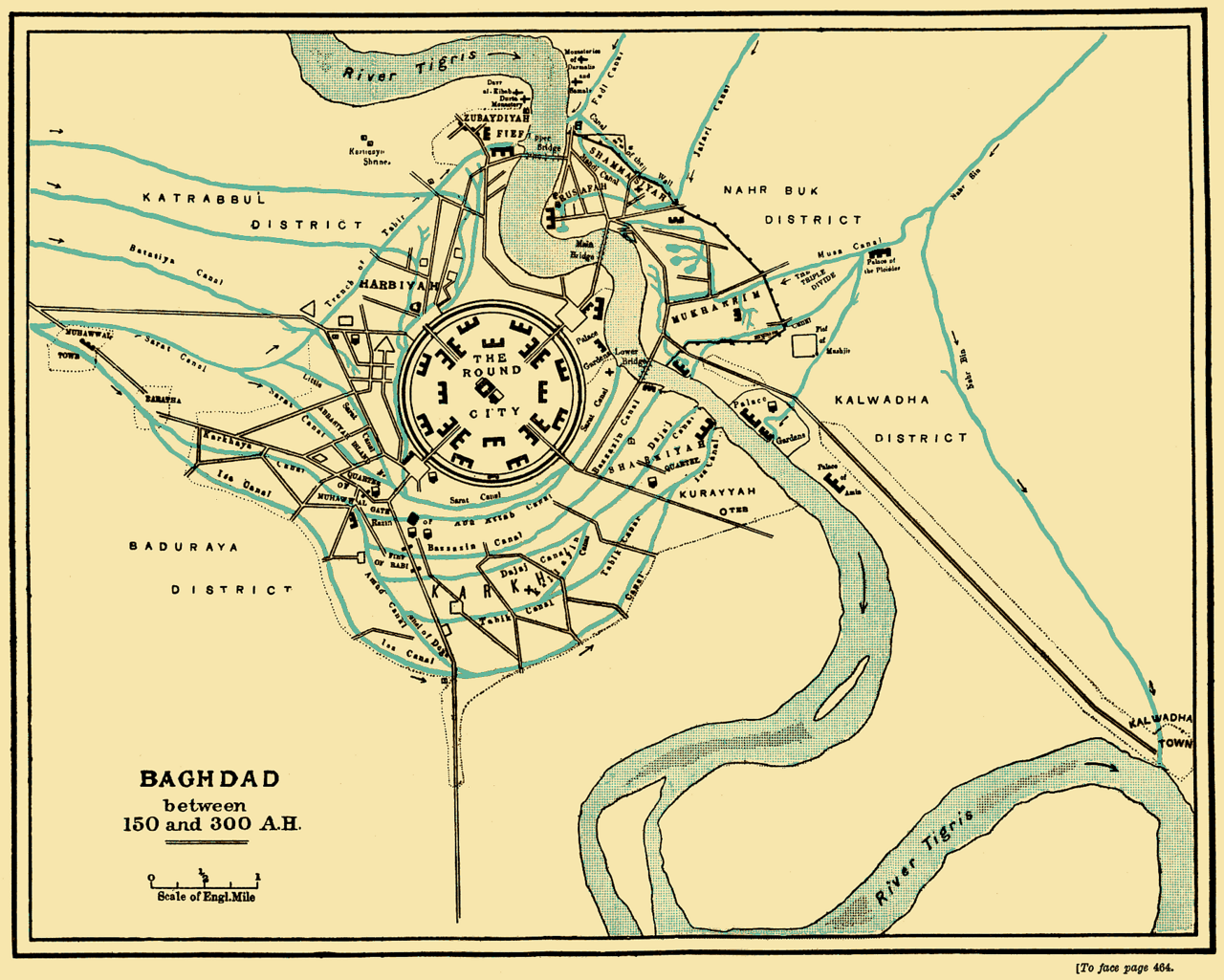
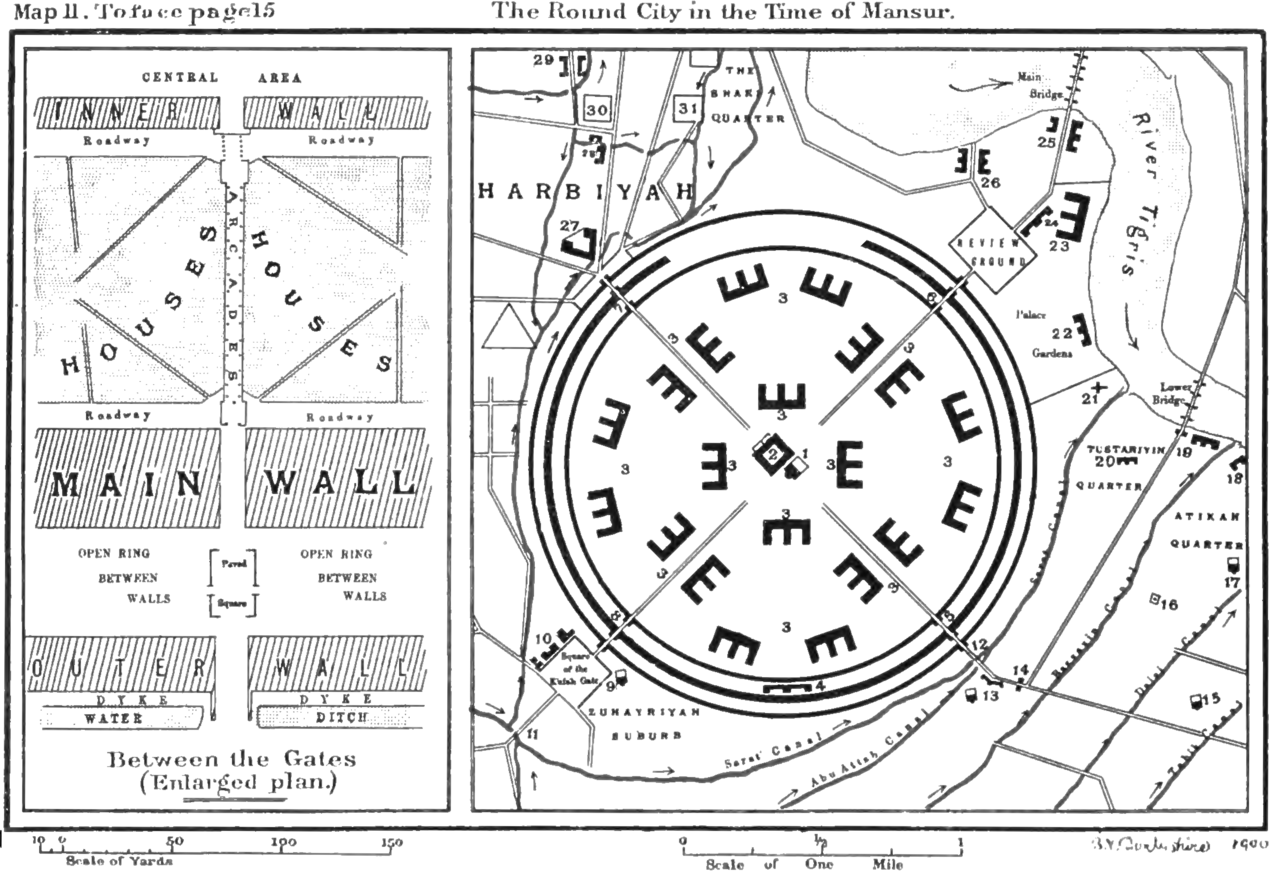
Round City of Baghdad
762–766
 Artifact
Secondary source
Palace of the Golden Gate
763
 Book
Secondary source
Genealogies of the Nobles
Al-Baladhuri
Ready when you are
Start chatting with Caliph al-Mansur now.
20 messages free · No credit card · Available in 50+ languages.