


Secondary sourceArtifact
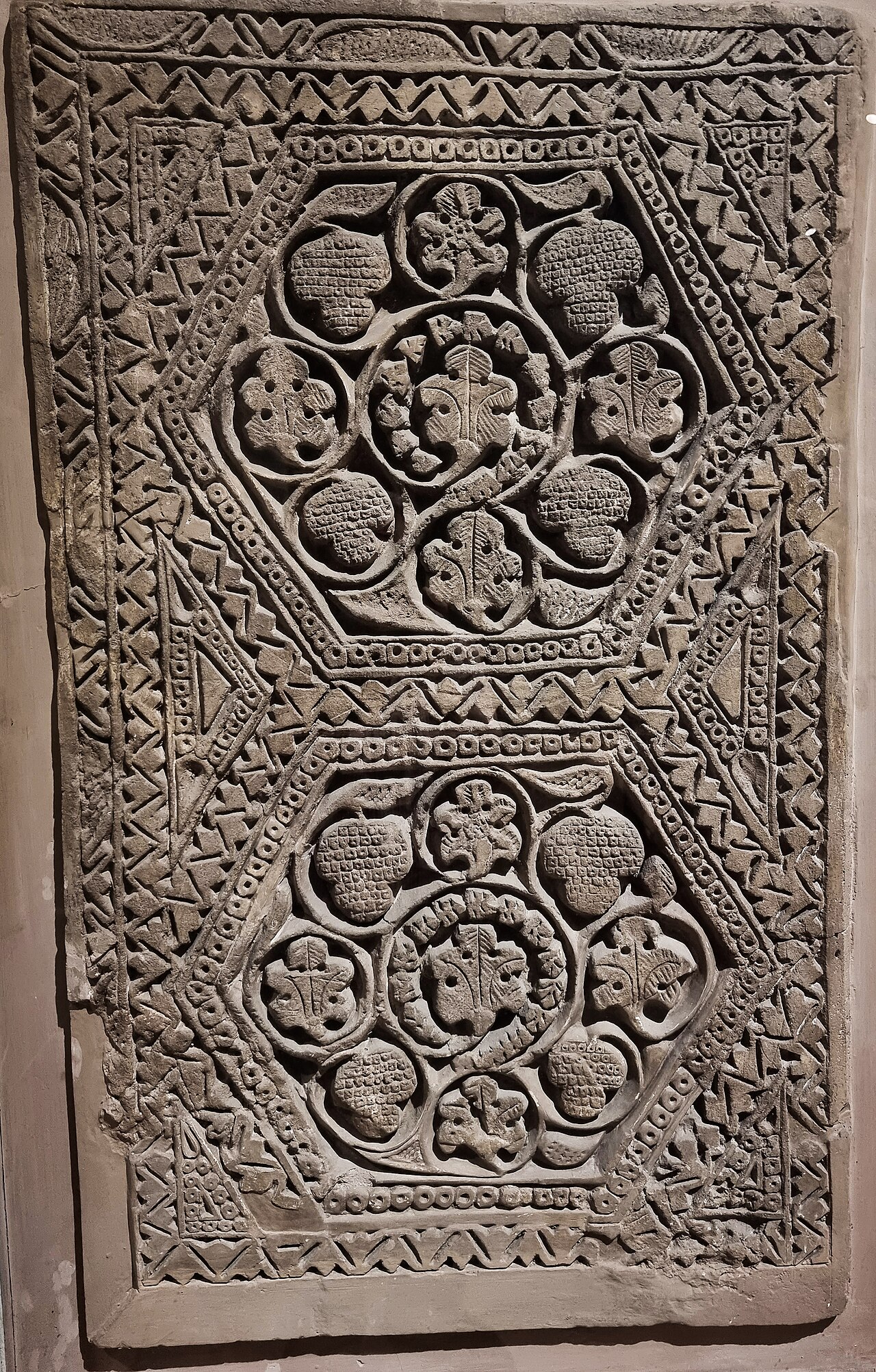
Carved Stucco Panel in Abbasid Style from Samarra
A decorative stucco panel from Samarra, a later Abbasid capital, showing the court art style of the dynasty al-Mansur founded.
Represents the decorative court culture of the Abbasid dynasty al-Mansur founded, though made in a later era.
About this source
What it is
This carved stucco panel comes from Samarra, a city that later became an Abbasid capital. It features geometric and vegetal relief patterns, including hexagonal medallions with grape-cluster motifs and rosettes. It is held in the Museum of Islamic Art, Cairo.
Why it matters
The panel shows the decorative style developed under the Abbasid dynasty, which al-Mansur founded as caliph. Although made after his reign, it reflects the artistic and architectural traditions that grew from the empire he helped establish.
Look closer
- What kinds of patterns do you see, and what might they have decorated?
- Why might rulers invest in elaborate palace decoration like this?
- What does this object tell us about Abbasid artistic taste, even though it postdates al-Mansur?
This artifact is part of the curated material that grounds the AI version of Caliph al-Mansur on Humy.ai — when students ask about related events, the AI can quote it and cite it.
More Caliph al-Mansur sources
Meet the AI Caliph al-Mansur →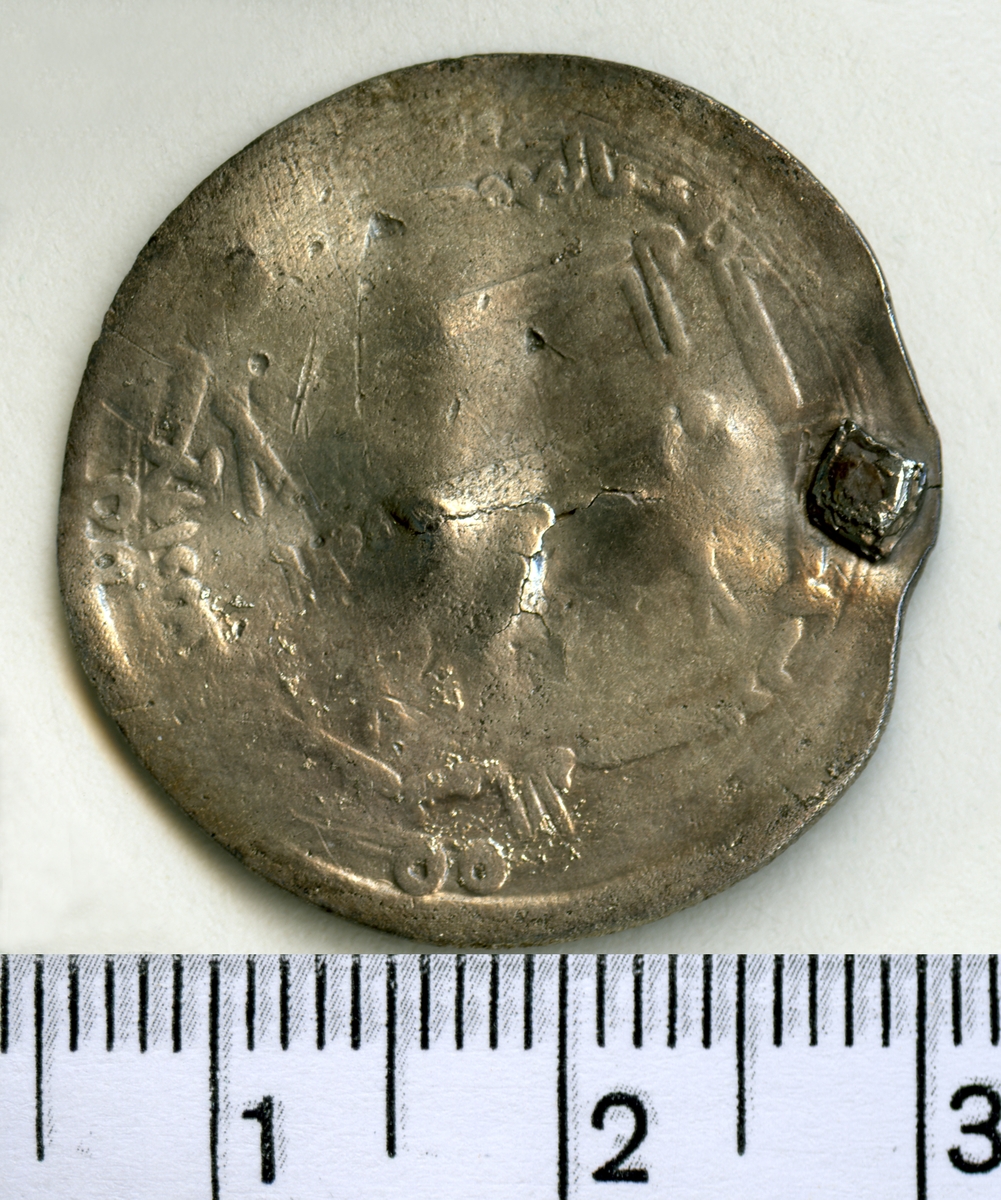 Artifact
Primary source
Coins of the Abbasid Caliphate Issued under al-Mansur
8th century, during al-Mansur's reign (754-775)
 Book
Secondary source
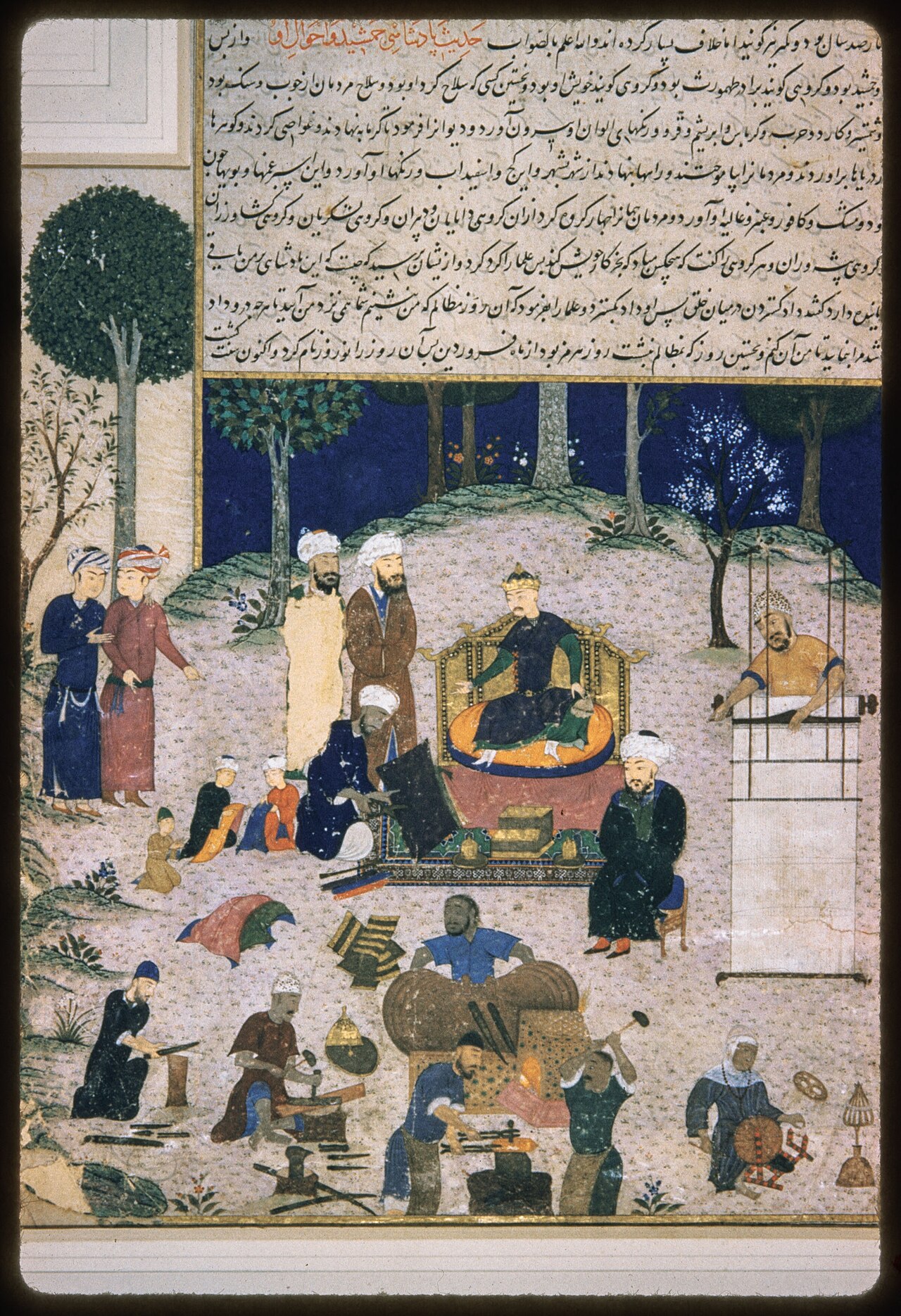
History of the Prophets and Kings
Muhammad ibn Jarir al-Tabari · completed 915 AD
 Artifact
Secondary source
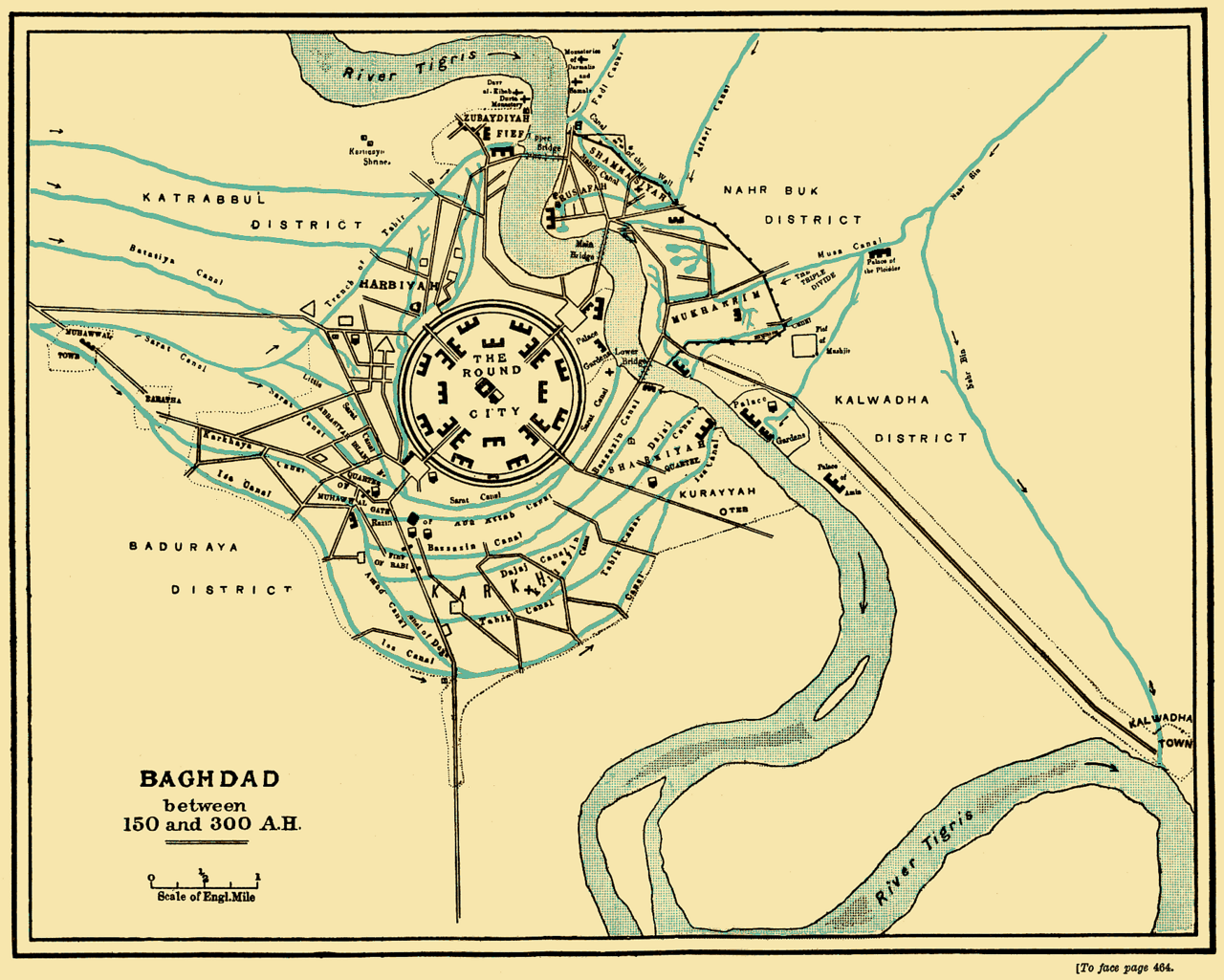
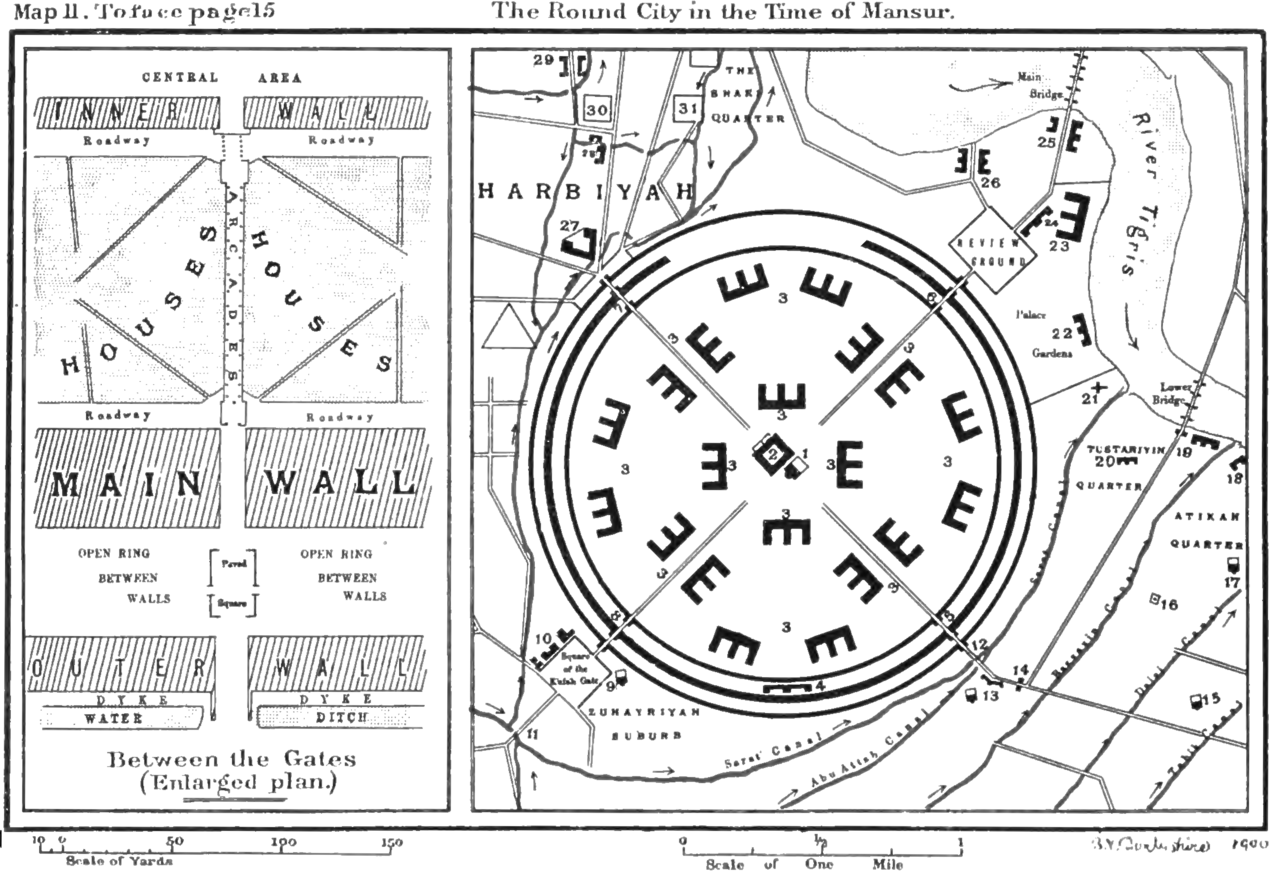
Round City of Baghdad
762–766
 Artifact
Secondary source
Palace of the Golden Gate
763
 Book
Secondary source
Genealogies of the Nobles
Al-Baladhuri
Ready when you are
Start chatting with Caliph al-Mansur now.
20 messages free · No credit card · Available in 50+ languages.