


Primary sourceArtifactbegun 955 CE
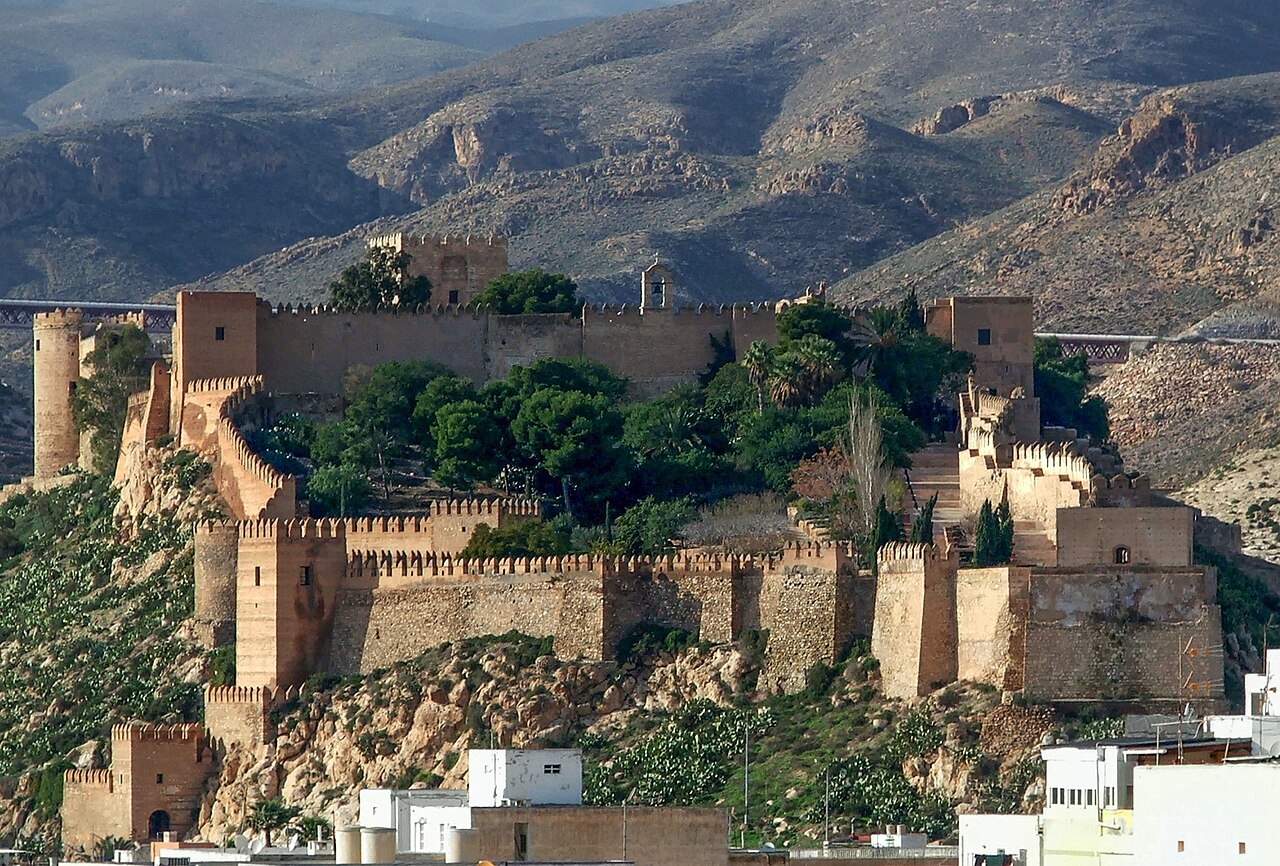
Alcazaba of Almería
begun 955 CE
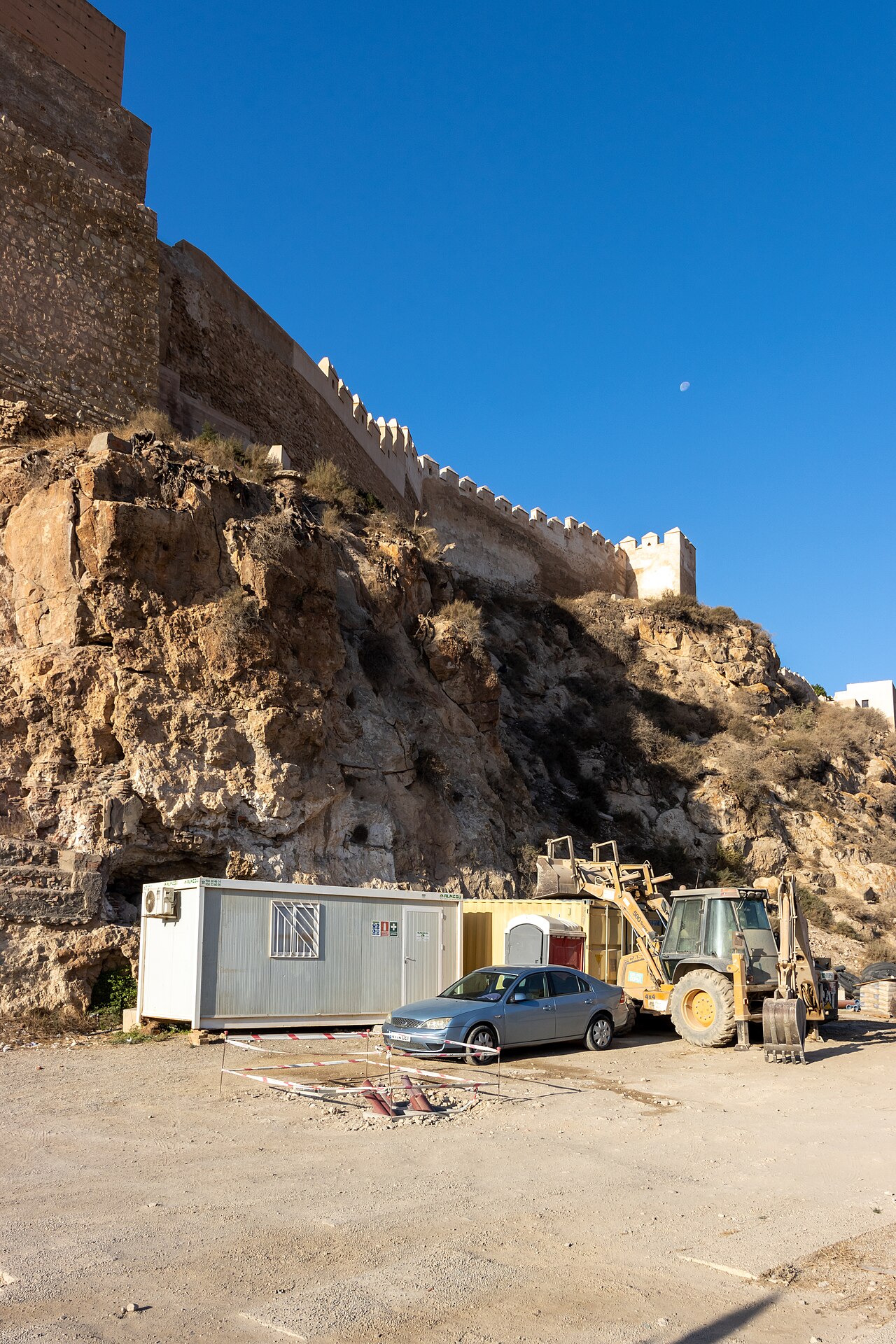
A hilltop fortress complex in Almería begun under Abd ar-Rahman III, who gave the city its status and ordered the citadel's construction to defend the coast and his fleet.
Abd ar-Rahman III ordered this citadel built in 955 as part of his coastal defences and naval power.
About this source
What it is
The Alcazaba of Almería is a fortified complex built on a hill above the city. Construction of the citadel began in 955, when Caliph Abd ar-Rahman III gave Almería the title of 'medina' (city) and had the defensive stronghold built in its upper quarter. It contained walls, towers, squares, houses and a mosque, and served as the seat of local government. It was later enlarged by other rulers, including Caliph Al-Mansur.
Why it matters
The fortress shows how Abd ar-Rahman III extended Umayyad power along the Mediterranean coast, protecting trade and the naval base used against the rival Fatimid Caliphate. Its building, use and later additions by Christian monarchs show how control of the site passed between different rulers over centuries.
Look closer
- Why would a caliph want a fortress built directly on a hill overlooking the sea?
- What do the different enclosures tell you about how the site changed hands over time?
- What is missing from a photograph like this that written sources might tell you about daily life inside the walls?
This artifact is part of the curated material that grounds the AI version of Abd al-Rahman III on Humy.ai — when students ask about related events, the AI can quote it and cite it.
More Abd al-Rahman III sources
Meet the AI Abd al-Rahman III →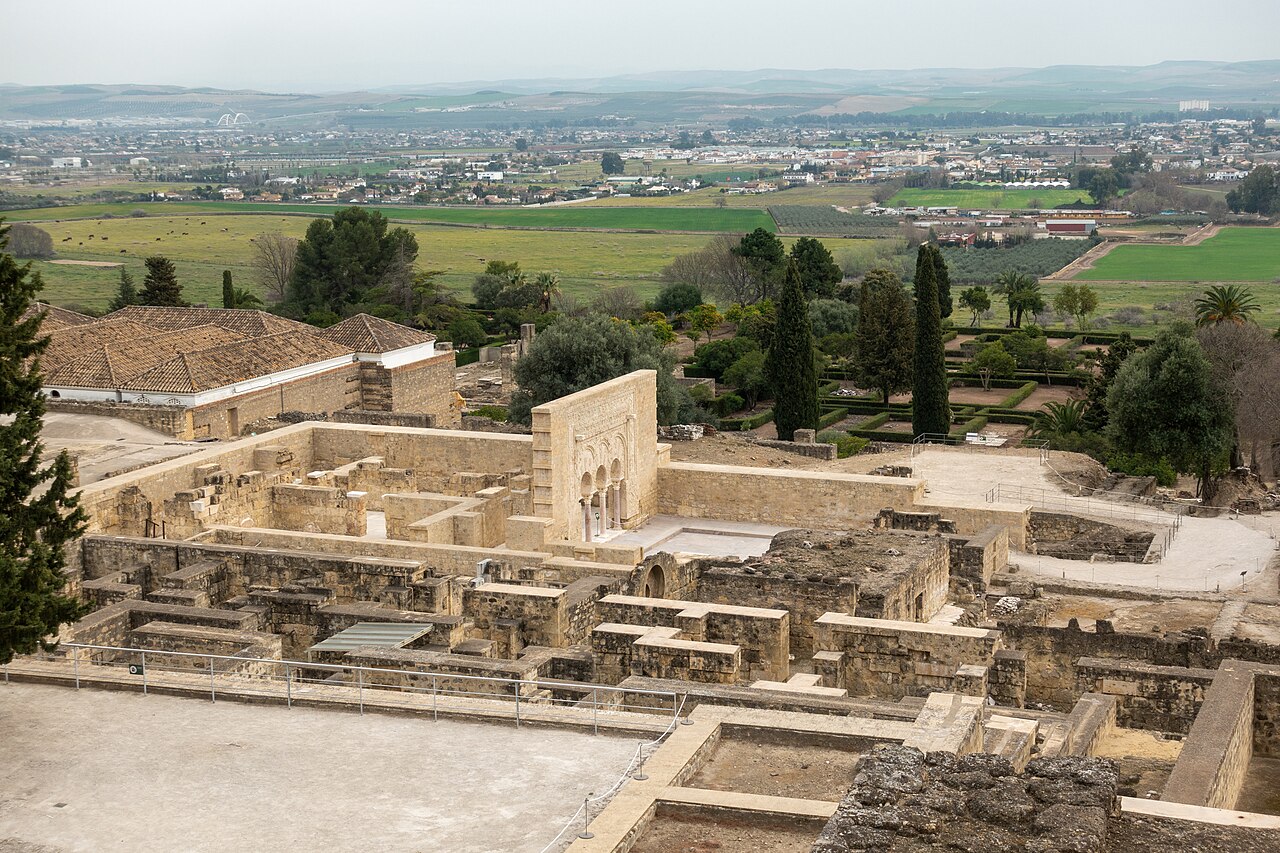 Artifact
Primary source
Madinat al-Zahra
c. 936-1000
 Artifact
Primary source
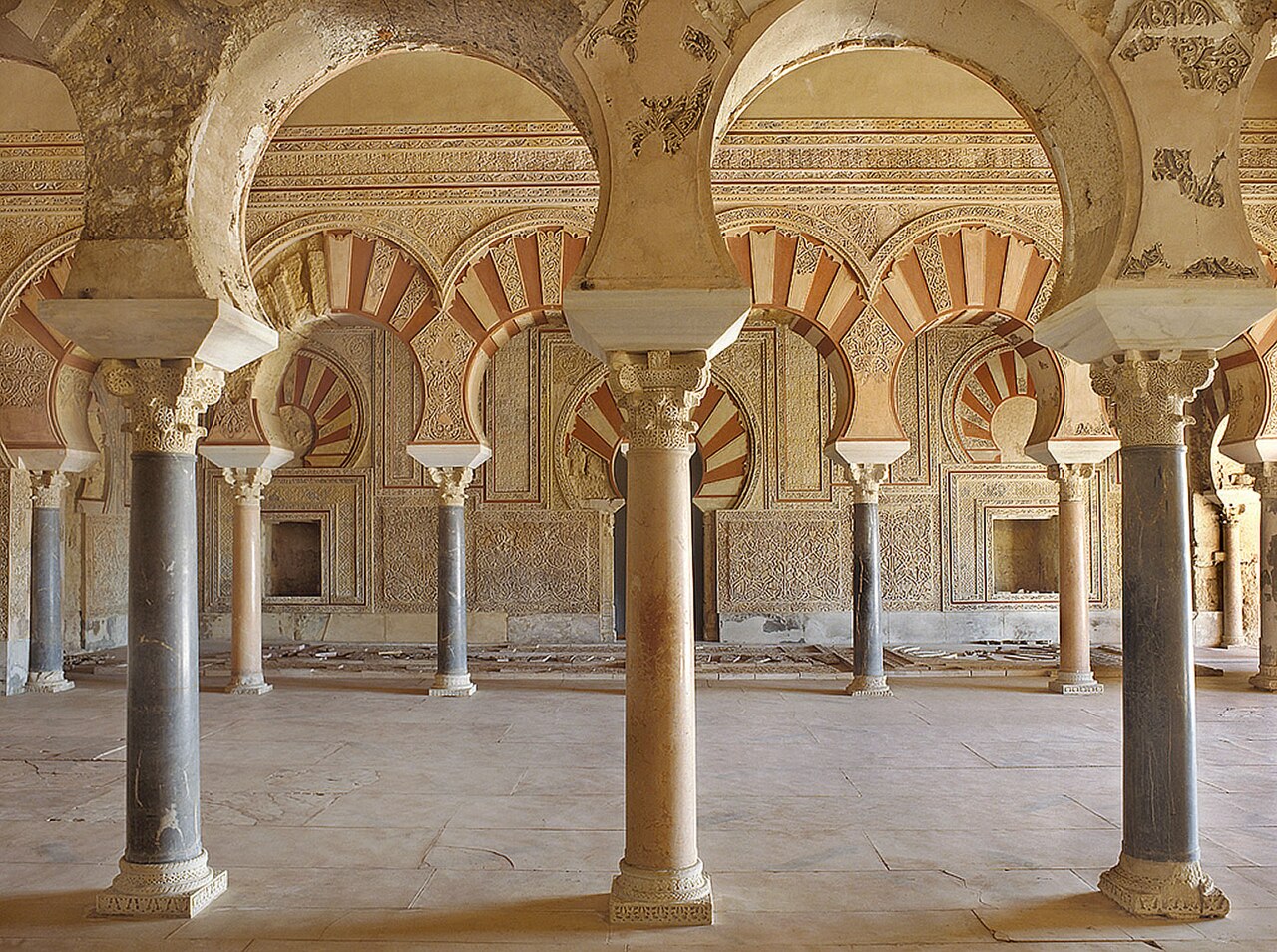
Salón Rico (Hall of Abd al-Rahman III)
953-957
Primary source
Letter of Hasdai ibn Shaprut to King Joseph of the Khazars
Hasdai ibn Shaprut · c. 950s
 Artifact
Primary source
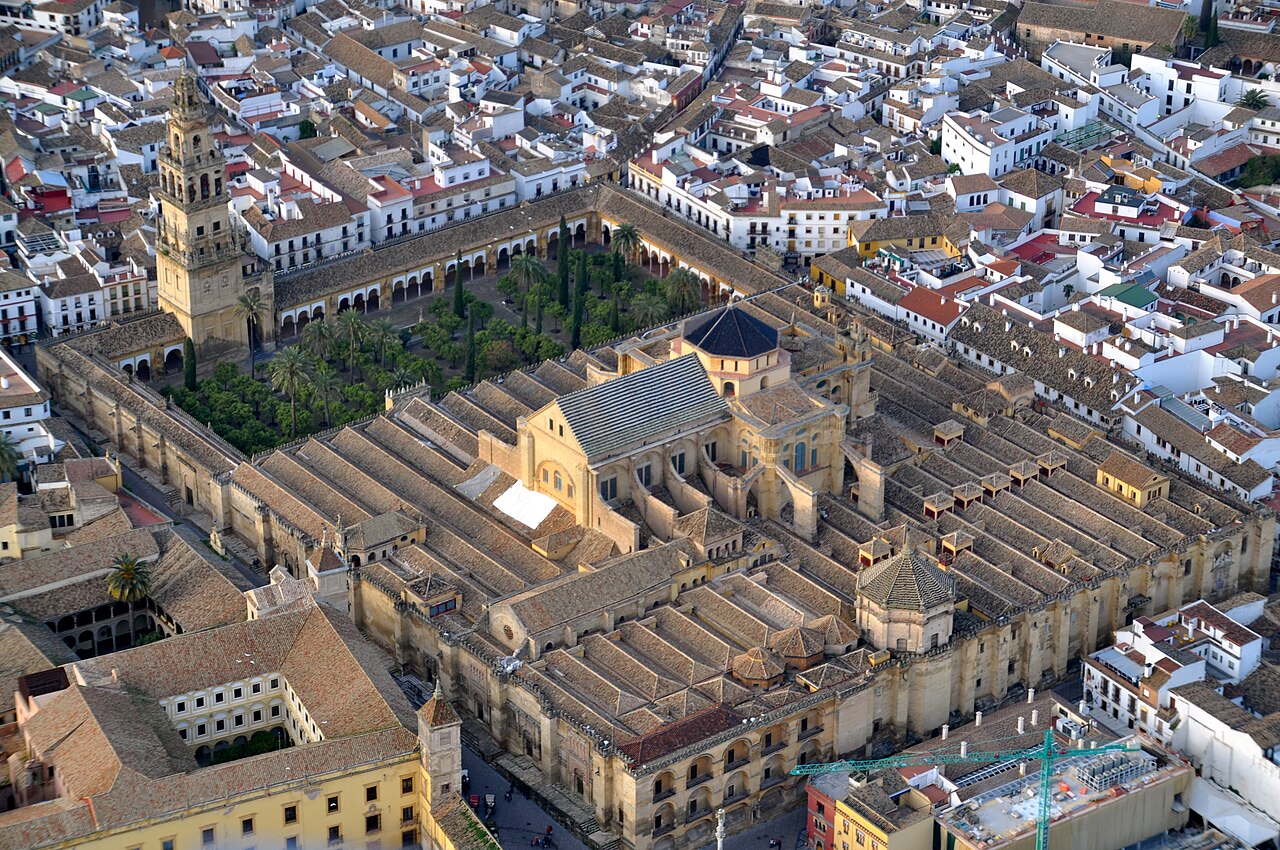
Mosque-Cathedral of Cordoba
786; minaret completed 958
 Artifact
Primary source
Alcazaba of Almería
955
Ready when you are
Start chatting with Abd al-Rahman III now.
20 messages free · No credit card · Available in 50+ languages.